From hallway catwalks in Far North Queensland to walking the L’Oréal Paris runway five months after ACL surgery, Matildas star Mary Fowler reflects on identity, sacrifice and what’s powering her global influence.
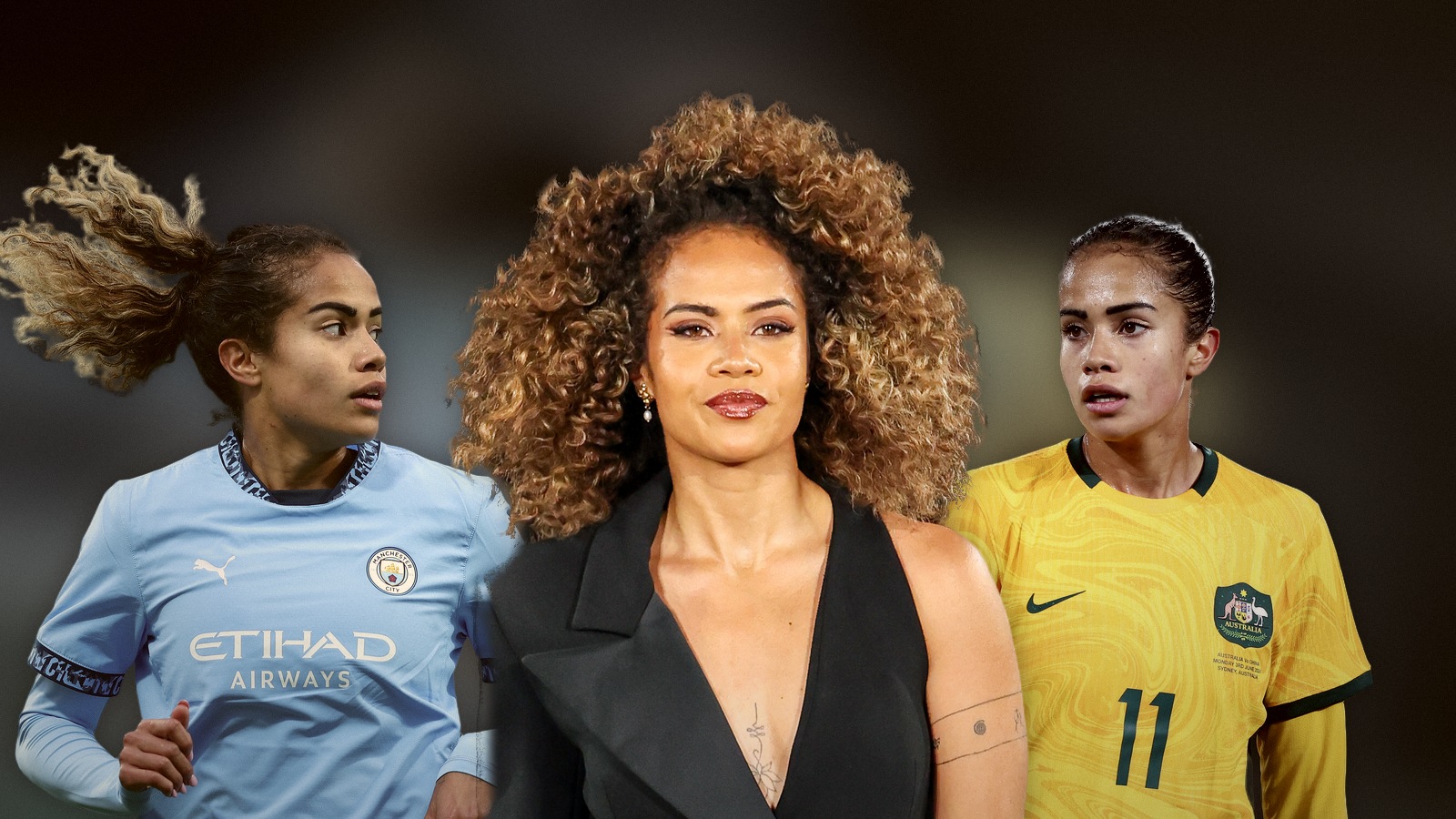
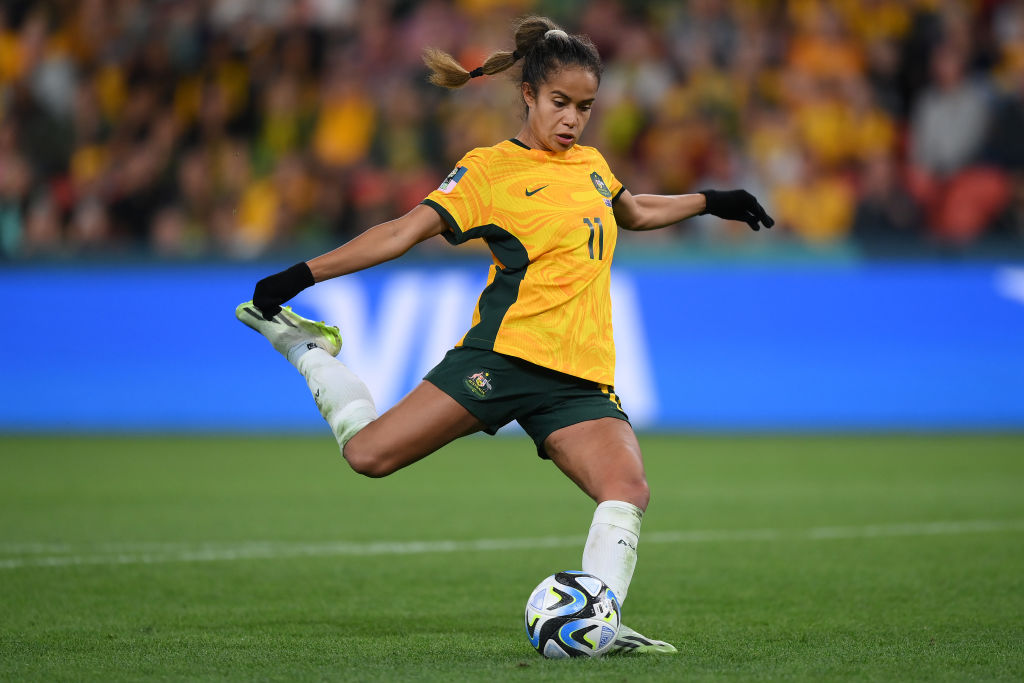
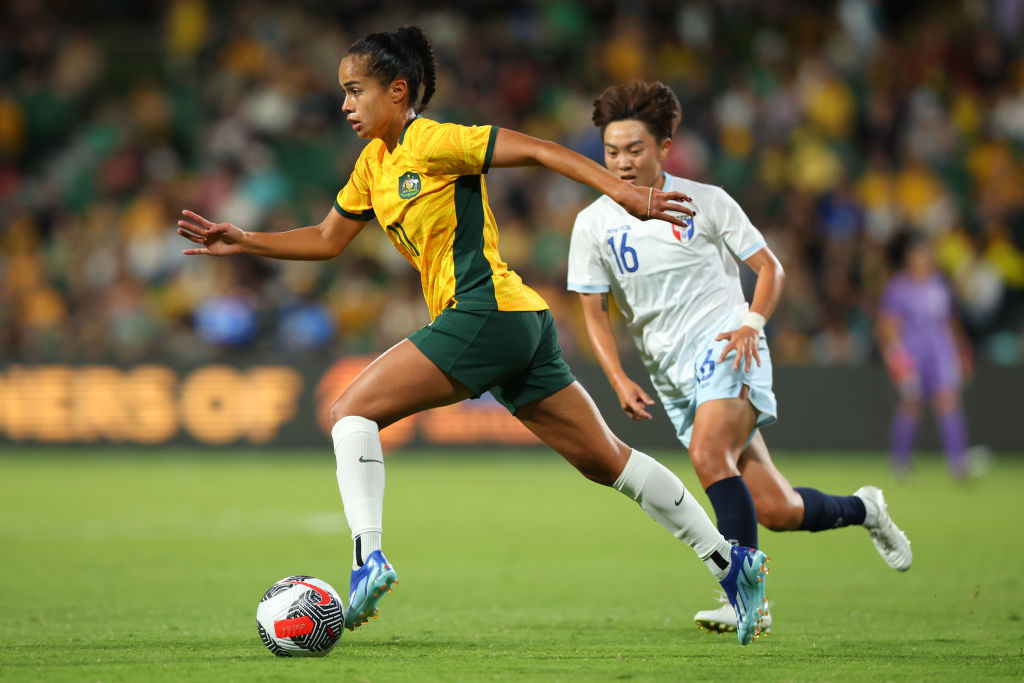
On the pitch, Mary Fowler’s preparation follows a distinct visual rhythm. Her hair is routinely pulled back tight – a practical armour for 90 minutes of elite competition alongside her signature gloves and boots. Fowler’s focus is on tactical scanning, space recognition, and the seemingly effortless manoeuvre of a soccer ball across the field.
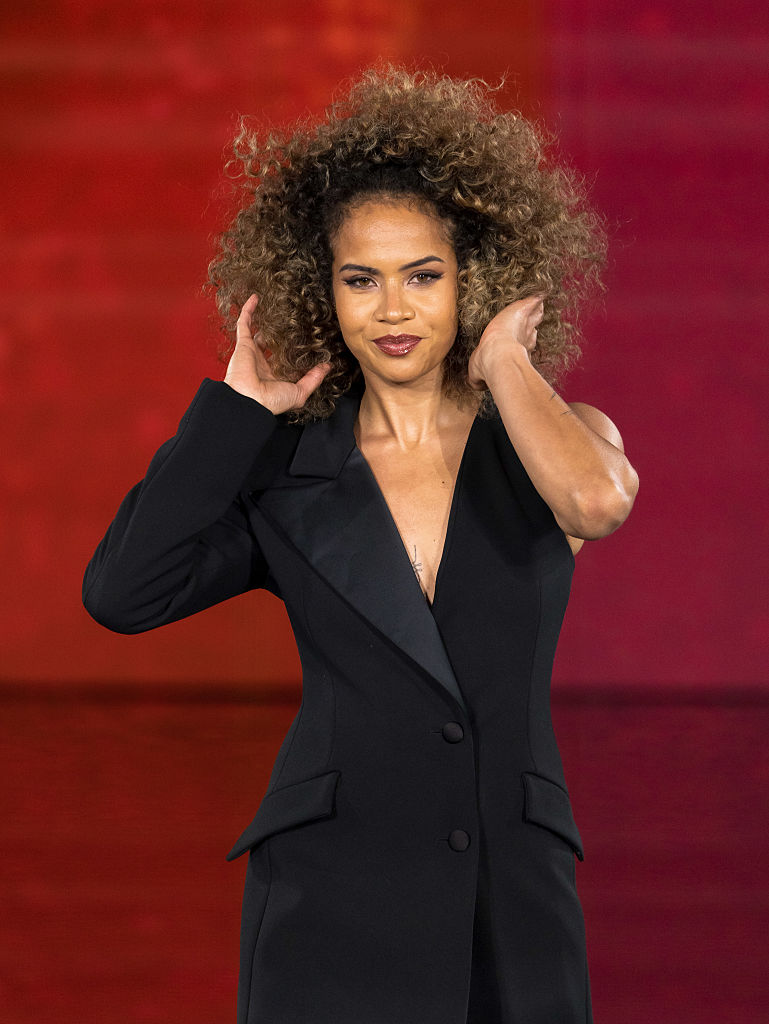
Sitting in a makeup chair ahead of the 2025 L’Oréal Paris show, however, Fowler’s mirror reflected a very different version of herself. As stylists expand her hair into a wide, volumetric halo, Fowler admits she felt a wave of vulnerability – a sharp contrast to the braided familiarity of match day.
“They started pulling all these curls out, and I remember sitting there going, ‘Oh my gosh, I don’t know if I can do this,'” Fowler tells Forbes Australia. “Since I was a teenager, I’ve always avoided wearing my hair with big volume because it feels like it’s the biggest thing in people’s faces… In day-to-day life, if my hair gets too big, I tie it up.”
Yet as she sat there, just five-months post-ACL surgery and feeling the weight of being the first Australian athlete to walk for L’Oréal in the city of light, Fowler’s mind traced back to Cairns.
“I was in the makeup chair long enough to think about a lot of stuff,” Fowler says. “Mainly, I was just thinking of myself as a kid – how I used to dress up so often and want to do my own little runways at home. I also couldn’t comprehend how that little person had ended up here, about to walk a L’Oréal Paris runway.”
To manage the moment, Fowler applied the same mental framework she uses when lining up to score a goal on the pitch: strip away external expectations and simplify the task.
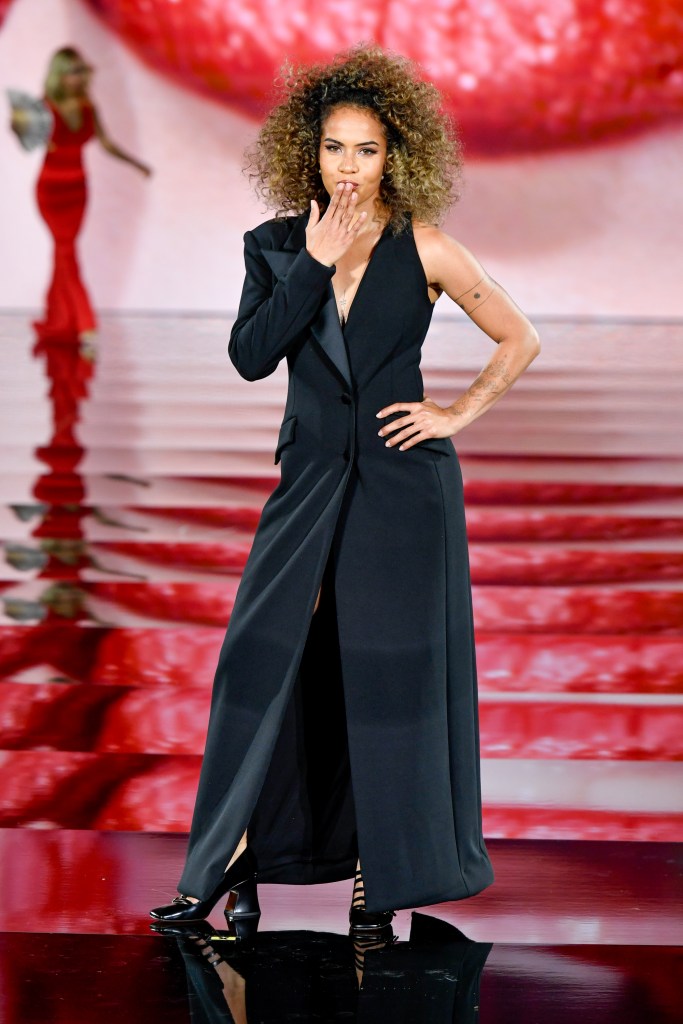
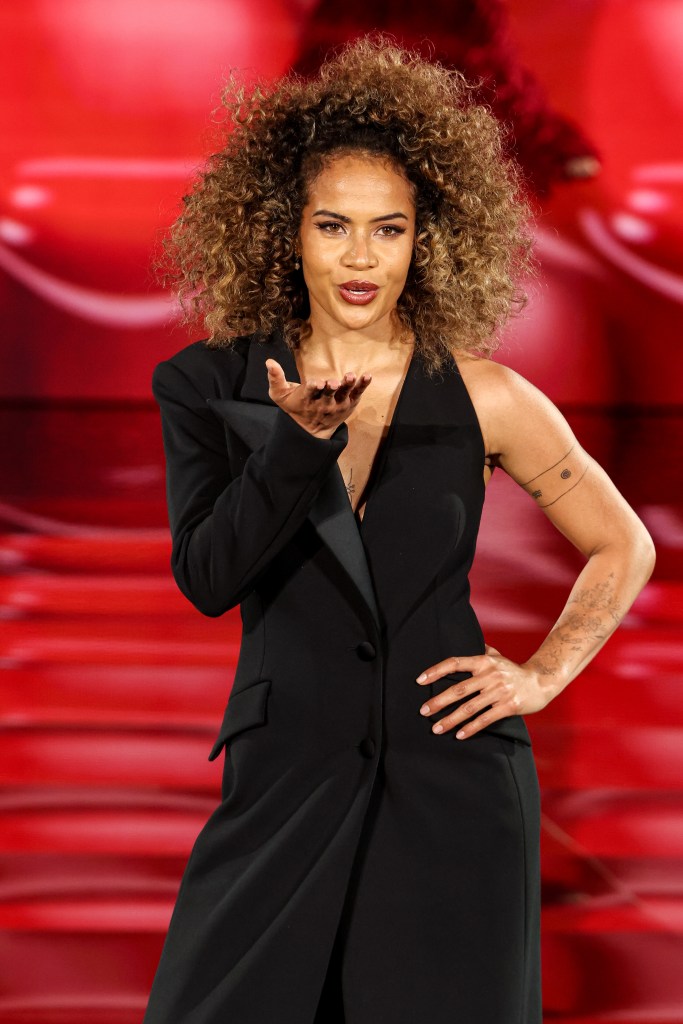
“At the end of the day, I was like, ‘I’m just walking ten meters down and back. It’s not that difficult,'” she says. “In my mind, to be able to bring it back down to how simple it actually is, really helps me to stay in the moment, be more present, and actually enjoy the experience.”
Now, when I want a confidence boost, I look back at those photos or videos of me walking that runway and think, ‘Ah, that’s pretty badass.’
Mary Fowler
Matildas and Manchester City forward
The weight of sacrifice
At just 11-years-old, middle-child Mary showed great promise on the soccer field and received an offer to play in a prominent amateur Dutch football club near Rotterdam. The Fowlers packed up from Trinity Beach in the Far North Queensland tropics and relocated to the Netherlands, where the Fowler five attended school, practiced football, and became fluent in Dutch.
Three years later, they returned to Australia, settling in New South Wales’ Illawarra region to soak up a taste of home and further hone their craft. Balancing schoolwork with state-league matches, 15-year-old Mary was quickly thrust into the spotlight, making her Matildas debut against Brazil in the Tournament of Nations. She signed her first professional contract with Adelaide United and after a stellar half-season was snapped up by French giants Montpellier HSC on her 17th birthday.
Geographically separate from her family for the first time, the freedom of Trinity Beach felt light-years away, she says, and the sensory richness of her childhood was replaced by the solitary reality of professional sport in a foreign country.
Fowler says the pressure at that age was made heavier by the weight of gratitude. Her parents had moved countries, traded comfort, and poured every resource into funding her – and their own – athletic dreams. In quiet moments away from the pitch, that sacrifice sometimes felt like a debt that needed to be paid with performance.
It was in the stark French winter that Fowler began wearing her hallmark black gloves on the pitch; a ritual that she says now helps her get her into a game-ready flow state in every kind of weather.
The teenager also developed an internal architecture to cope with depression during her solo years in Europe. When she felt overwhelmed and criticised, she writes in her memoir Bloom, she had to work hard to separate the numbers on the scoreboard from her self-worth. Painting, journaling and connecting to nature helped decouple her personal value from her athletic performance, she says.
That mindset became a part of Fowler’s on-pitch ritual too.
When lining up for a penalty kick she ‘stops and stares’ to ground herself in the pitch and the task at hand. It helps drown out the noise of the stadium, she says, as does ‘scanning’ for visual elements like the stadium architecture, which helps her to focus on the next play.
“If I feel my head going in different directions on the pitch, I like to find things around me that I can just notice and describe out loud in my head,” she explains. “It can be something so random, like seeing an advertisement and thinking, ‘Oh, that’s a cool font they used.’ Anything to bring me back into being really present.”
The Trinity Beach cocoon
Long before becoming a household name across Australia, Fowler was present within the self-contained ecosystem of the “Fowler five.”
Growing up in Far North Queensland, the Fowler household operated under a distinct rhythm. In an era dominated by screens and immediate digital consumption, the one thing lacking in their home was a television. Instead, the Fowler siblings were bound together by an obsession with two things: football (or soccer as it is locally known) and the natural beauty of their surroundings.
Saturday mornings involved the sticky humidity and golden-brown hued sand of Trinity Beach, and the consistent back-and-forth of a soccer ball kicked between siblings. The beach was a defacto family living room where the Fowlers ate dinner, completed schoolwork within earshot of the surf, and played until daylight vanished into the rainforested hills adjacent to the Coral Sea.
“I look back and feel really grateful that I didn’t grow up watching TV,” Fowler says. “It really added to how creative I am as a person. When you don’t have technology around, it forces you to come up with other ways to have fun and entertain yourself.”
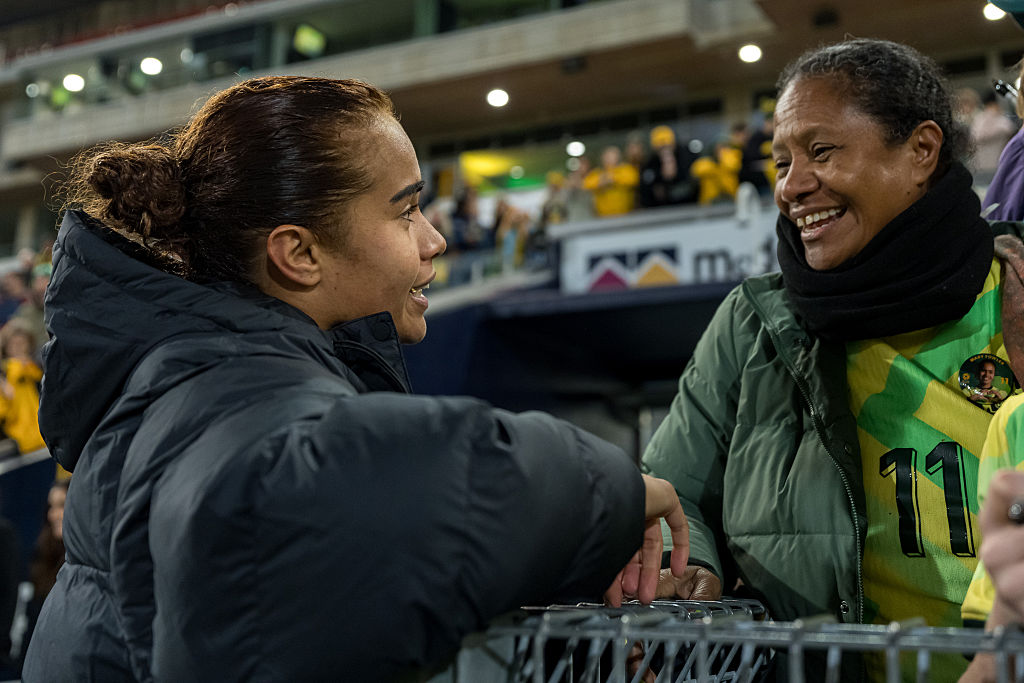
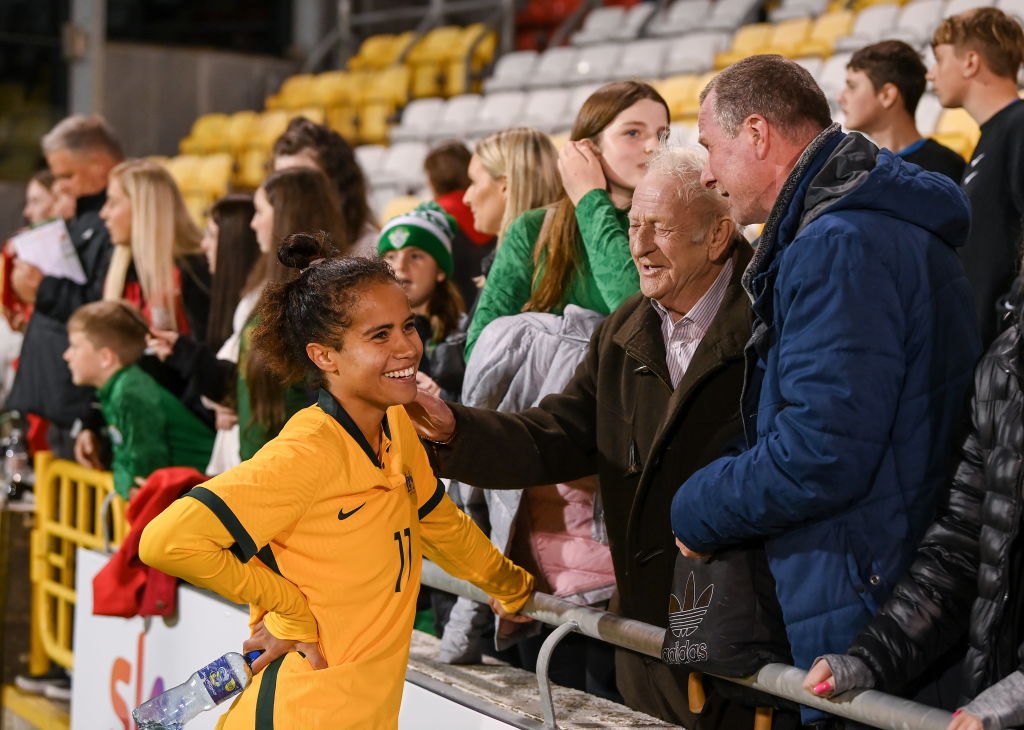
Without external media defining what she should want to be, young Fowler’s imagination operated without borders. On any given afternoon, she was planning five different lives at once: hairdresser, wedding photographer, actress, artist, model. She would dress up in her mother’s clothes and use the hallway as a catwalk for runway shows.
“I had so much fun just dressing up,” she remembers. “I loved how wearing different things made me feel – putting my hair in different hairstyles and stealing my mom’s lipstick.”
Yet, it was football rather than fashion, that built the Fowler family framework. Mary’s mother Nido, who hails from Papua New Guinea, was matriarch, and father Kevin, born in Dublin, Ireland, was soccer coach, trainer and tactician to their five children.
Checking the shoulder in sport, beauty and fashion
By the time Fowler stepped onto the Le Defile L’Oréal Paris stage as a 22-year-old, checking her shoulder to develop a mental map of her environment had become second-nature.
Walking the catwalk at Hotel de Ville marked a turning point where the soccer superstar was actively bridging two worlds. While the pitch demands hyper-focused athletic flow, tactical scanning, and physical armour, the ‘Walk Your Worth’ runway challenged her to channel composure, visual presence, and confidence. She was excited to step into the beauty realm in real life, but jittery about the new experience.
“The pressure I put on myself was like up here,” she says gesturing above her head. “But I think because of football, I’ve gotten quite good at being able to take that and push it to the side and make everything as simple as possible.”
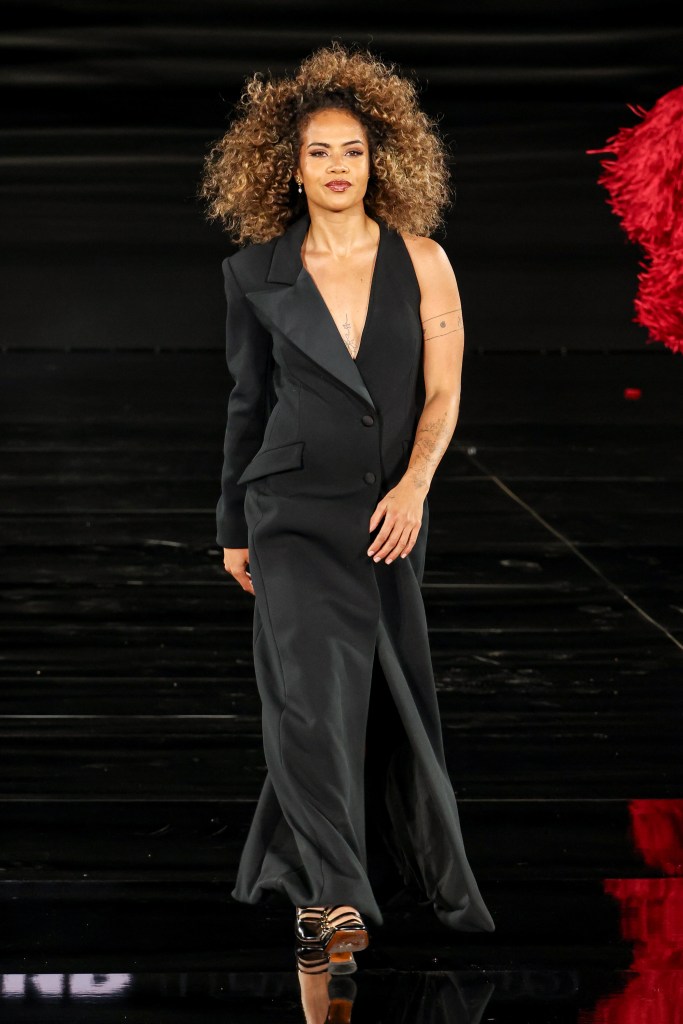
The Manchester City forward chatted to supermodel Coco Rocha who was walking out before her. Receiving tactical advice from an industry veteran felt remarkably similar to receiving guidance from a senior teammate on the pitch, she says with a laugh.
“Coco was one of the people I recognized because I’d seen her videos on Instagram where she teaches how to walk,” Fowler says. “I was like, ‘This is mad. How am I standing right next to her?'”
Noticing Fowler’s nervous energy, Rocha offered practical pointers: Take your time. You have way more time out there than you think. When you get down to the end, give the crowd a wave and pretend you’ve just spotted someone you know. They’ll love it, advised Rocha.
Fowler’s hair had been styled uncharacteristically free, a choice she says she wouldn’t have had the conviction to make for herself. Encouraged by professionals, she embraced the authenticity, determined to show another version of herself to the public.
She walked on stage and half-way down the catwalk, pushed her hair up and out, owning the moment.
“When he said ‘Go,’ I stepped out there, did the wave Coco suggested, touched my hair, did the turn, and it just felt electric. I didn’t feel any self-doubt; I just really enjoyed it.”
Like football, having an audience helped put her at ease.
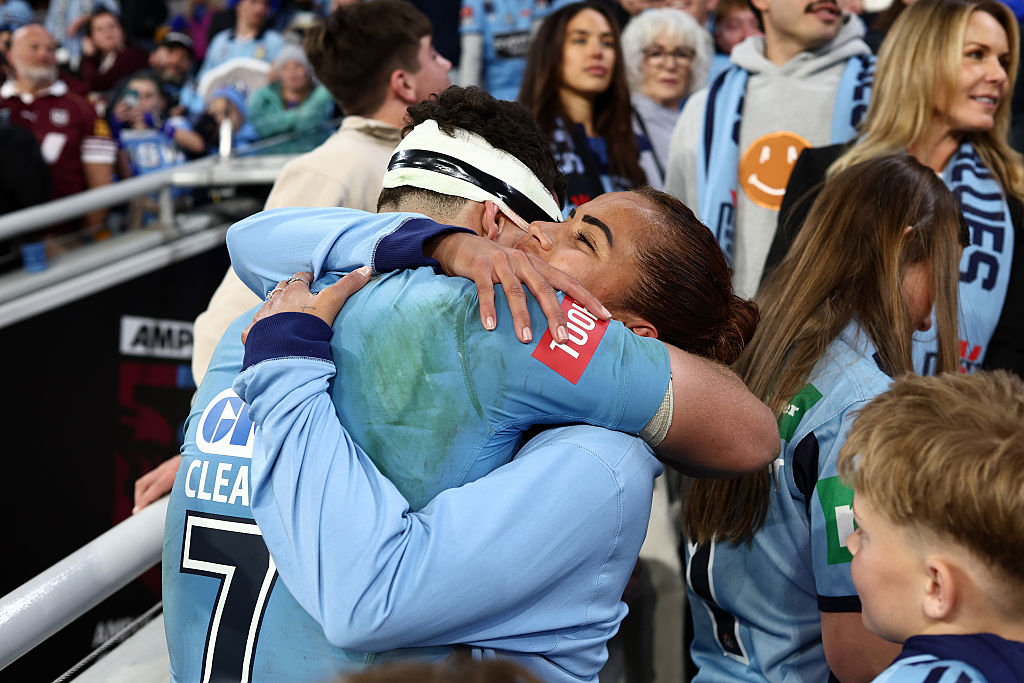
“I almost feel less nervous when there’s a big crowd than when there’s not,” the eight-year Matilda veteran says. “When there’s a crowd, I can step into this persona that’s ready to perform.”
Why female athlete ROI is surging
Fowler’s personal narrative coincides with a structural transformation taking place across sports globally. Conrad Wiacek, Head of Sport Analysis at London-based intelligence firm GlobalData, notes that the commercial market for female athletes is accelerating at an unprecedented pace.
“A modern female athlete like Mary Fowler isn’t just generating traditional sports eyeballs,” Wiacek tells Forbes Australia. “She holds photogenic and lifestyle appeal that extends far beyond her sport. Modern female athletes build their own media platforms directly through social channels, generating higher engagement and making them an exceptionally safe, high-value investment for global brands.”
Deloitte reports that women’s elite sports broke the billion-dollar barrier for the first time in 2024, generating an estimated $1.8 billion in global revenue, with commercial deals and sponsorships acting as the primary driver. GlobalData’s market analysis underscores this momentum, noting that while there is still massive room for commercial growth, investment is rapidly accelerating.
Broadcast rights have experienced a surge too: the UK media rights for the Women’s Super League (WSL) – where Mary Fowler plays for Manchester City – reached a record $130 million for the 2025–2030 period.
The ‘Value of You Can be What You See’ research from Gemba and the Victorian Government’s Office for Women in Sport and Recreation supports the expanding commercial viability of women’s sports, revealing that every $1 invested by a sponsor into the visibility of women’s elite sport generates $7.29 in direct customer value.
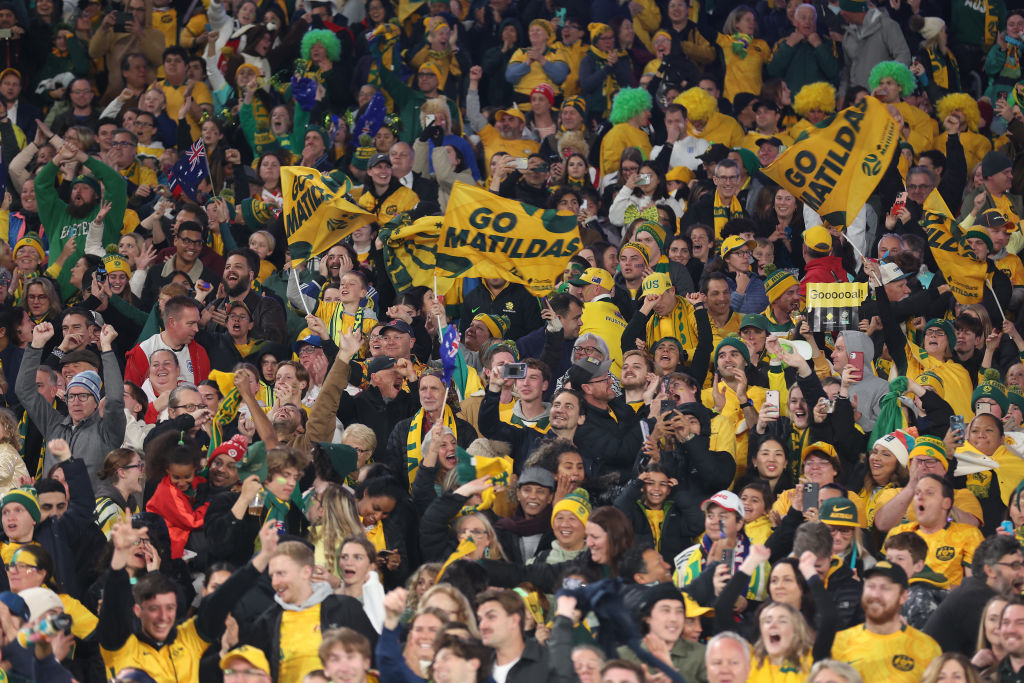
This superior conversion rate is driven by shifting fan demographics. In Formula One, for example, 41 per cent of the global fanbase are now women, with 16-to-24-year-old females representing the sport’s single fastest-growing demographic – highlighting a broader worldwide trend of young women driving new sports consumption.
More eyeballs, creates a greater value proposition for women’s sports, Wiacek says.
From a sponsorship point of view, an active, engaged audience that you can reach at a more cost-efficient entry point is the holy grail.
Conrad Wiacek
Head of Sport Analysis, GlobalData
“You are reaching high-intent consumers without paying established men’s sport premiums.”
The current commercial ROI for female athletes is high, according to sports industry insiders. Speaking at a business of sports breakfast in Melbourne, Team Global Express Group CEO Christine Holgate emphasised the outsize value that female athletes return.
“As an ambassador, a woman athlete is three times more likely to sell that product than a male,” Holgate stated, referring to a 2024 study of 14,000 consumers by Parity and SurveyMonkey.
“[Female athletes return] fifteen per cent more social media engagement than a male athlete,” say Holgate.
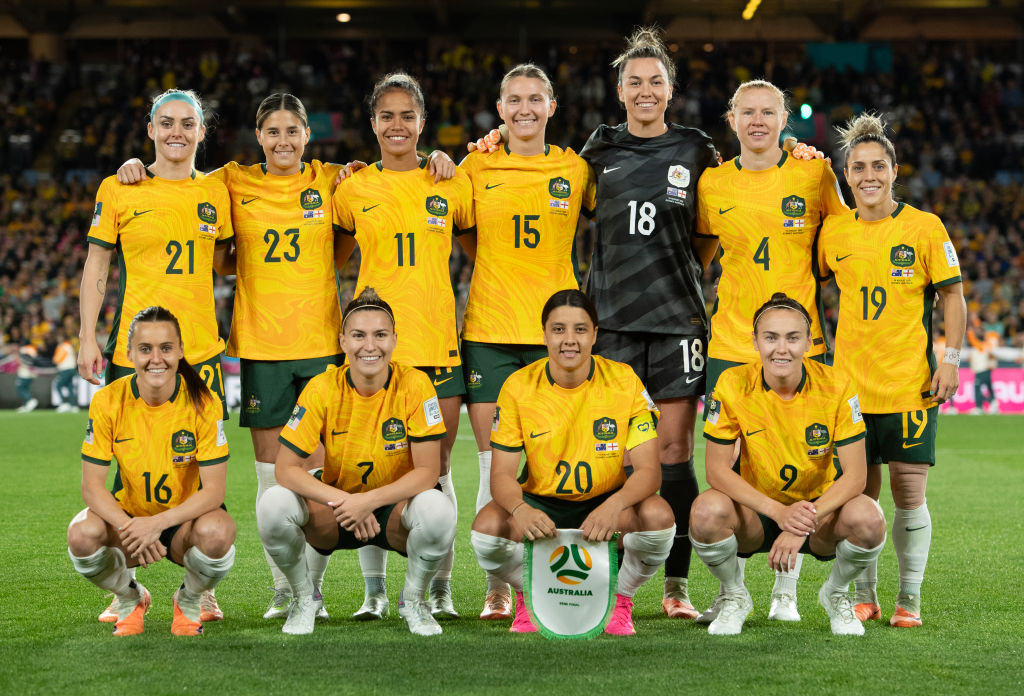
That larger, global shift toward greater brand interest in women’s sports is evident locally.
If the 2023 FIFA Women’s World Cup in Australia lit the match for Matilda-mania, the Australia-England semi-final – which holds the record as the single most-watched television event in Australian history – was the flashpoint that scorched outdated assumptions about the popularity and viability of women’s sport. Today, the Matildas hold high-paying partnerships with naming rights supporter CommBank, as well as Nike, Coles, Allianz, Isuzu and Cadbury.
The Fowler effect
Individually, Fowler’s commercial viability is increasingly defined by her ability to bridge traditional divides between sport, fashion, and culture. She inked a supposed four-year $10 million contract extension with sportswear titan ADIDAS earlier this year, though industry insiders say those figures are inflated by financial incentives only awarded if she hits specific milestones.
She was named in Forbes Australia’s inaugural 30 Under 30 list in 2024.
In the beauty realm, Fowler signed on as L’Oréal Paris ANZ’s first athlete ambassador in 2024. Nadia Adelina is regional marketing director at L’Oréal Paris and says that the decision to feature Fowler in a high-fashion context was driven by a shift in how younger audiences view identity.
Gen Z doesn’t see boundaries between sport, beauty, culture and identity.
Nadia Adelina
L’Oréal Paris ANZ
What they do pay attention to, and gravitate towards, are people who they can relate to.
“There’s a saying that you cannot be what you cannot see,” Adelina notes, noting that placing athletes on global stages helps reshape expectations of what women can achieve both on and off the field.
The market response to Fowler’s appearance in Paris underscored that alignment. Global search interest for Fowler surged to its highest point of the year, with “Mary Fowler Paris Fashion Week” becoming the number one rising query.
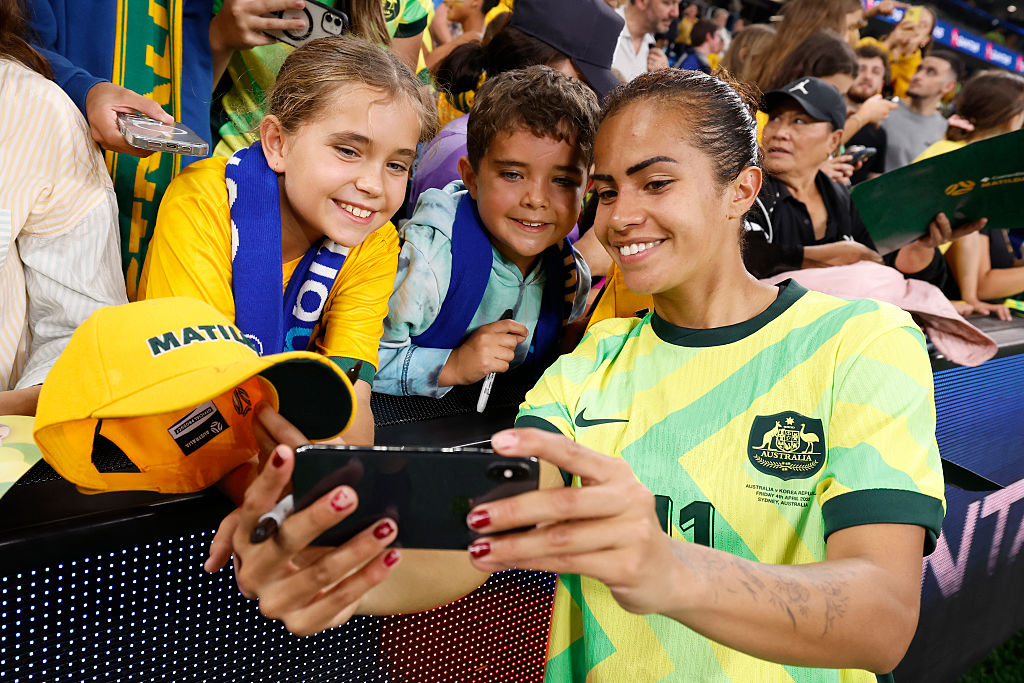
Adelina views short-term metrics as only part of the equation, however, pointing to the power of representation building long-term brand equity.
While Fowler has pushed the definition of beauty into the athletic realm and locked in deals with Weet-Bix, Rebel Sport, and Samsung, she says embracing the multi-dimensions of her personality is important to her.
“If anyone looks up to me, I want them to see how comfortable I am just being myself,” the softly-spoken footballer says reflectively. “Hopefully, that helps them feel more comfortable being themselves.”
Whether on the soccer field, on the runway, or with her toes in the sand at Trinity Beach, the now 23-year-old Olympian wants the next generation of women to know their worth and accept themselves as they are.
“It was cool to allow myself to show a different side. Now, when I want a confidence boost, I look back at those photos or videos of me walking that runway and think, ‘Ah, that’s pretty badass.'”
Forbes Women is a global network of female business owners, entrepreneurs and changemakers. Sign up to Forbes Women here
Look back on the week that was with hand-picked articles from Australia and around the world. Sign up to the Forbes Australia newsletter here or become a member here.