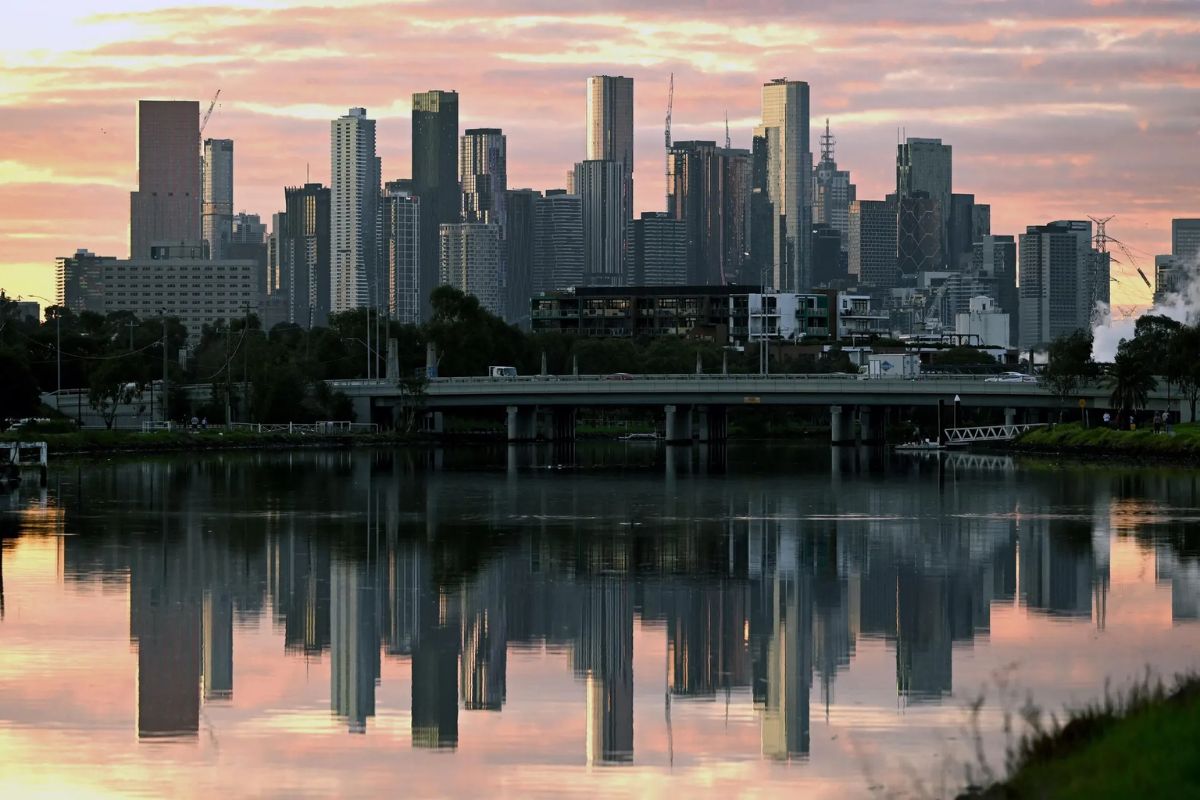
Some parts of the world are not suffering from overtourism and would be very happy with a little travel love. Here’s where to visit to avoid the crowds and follow the paths least traveled in 2026.
It’s easy to think of the same destinations when planning a holiday, but some of these are under immense pressure due to the sheer number of tourists. Think Montmartre in Paris or Mexico City, both on Fodor’s No List of places to avoid in 2026. If you want a much more pleasant vacation experience, less prone to overtourism, both Time Out and Afar recently highlighted destinations that deserve more love in 2026—places that are underrated travel destinations, as per industry insiders, and where travelers can experience culture more authentically while supporting the local economies that need it most.
Underrated Travel Destinations—Places That Would Love More Travelers In 2026
In January, Time Out published the five countries that really need more travellers in 2026, on the basis that if you must travel, visiting less-known regions obviously diverts people and resources away from places that are dangerously overburdened, and it helps more socio-economically deprived countries boost their economies.
The Gambia became popular for package holidays in the 1970s, but in recent years, the country has been grappling with the impacts of the climate crisis, particularly on its agricultural industry, making tourism increasingly vital to the economy. For more sustainable tourism, stay away from the silky beaches and embark on the Ninki Nanka trail, the guided route on foot and by boat that leads you through the mangroves of the interior, through villages, to explore the traditional way of life.
One of the unfortunate by-products of the events in the Middle East over the past few years has been the plummeting number of visitors to Jordan, particularly to one of its most iconic sites, Petra. Time Out suggests walking the 675 km Jordan Trail through the pine forests of Ajloun, staying with Bedouin families under the stars.
In the same year that Uzbekistan opens its borders to Americans without a visa, its neighbor, Tajikistan, is hoping for your visit. Central Asia’s smallest country offers sustainable adventures through Pamir communities along rugged mountain paths, through juniper forests, and to glacial lakes.
Paraguay is a country with a fascinating history spanning colonialism, dictatorships, and regional warfare. The real highlight is exploring the traditional customs, people, and wildlife of the Chaco, which covers half the country and includes dry forest, wetlands, and agricultural land. For wildlife lovers, the country is home to over 500 bird species, tapirs, and pumas.
Travel to Moldova, the little, tiny European nation, is growing. In 2025, the number of tourists welcomed increased by 6.5% compared to 2024. As Time Out discusses, 70% of the country was destroyed in the First and Second World Wars. The culture is interesting, divided into pre-Soviet, Soviet, and post-Soviet life. Due to the fact that Moldova has a border with Ukraine, travel to Transnistria, the strip of land between the two, is clearly unadvisable at present due to the Russian invasion of Ukraine.
Underrated travel destinations—Places Currently Considered Under-Visited By Industry Insiders
In the same vein, Afar asked travel agents and tour operators worldwide which places they perceive as currently under the radar and that they think will be hugely popular over the next five years. The responses focus on places with newly opened flight routes or where the river systems and lakes have been opened up more to travelers.
One idea is the Brazilian Amazon, where smaller tributaries like the Rio Negro have opened up to smaller boats of 20 or 25 people, and operators are working with local communities to deliver sustainable trips into the stunning landscape.
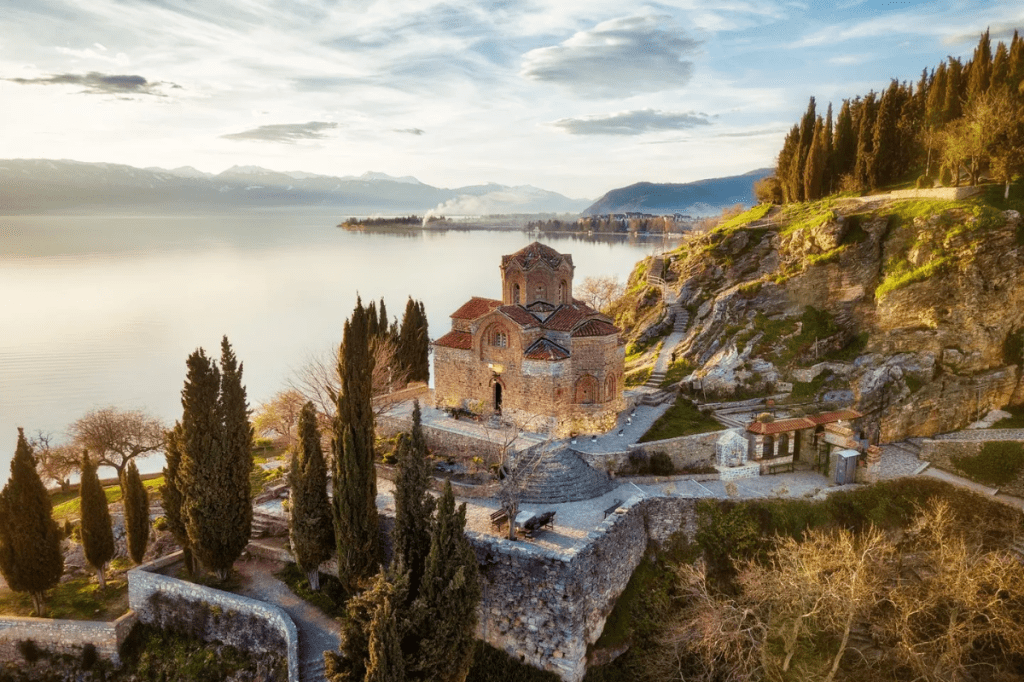
Tourists looking to head to Portugal but wanting to avoid the overcrowded Algarve, should check out the Comporta region, which has a more boho vibe but is still by the water. Still in Europe, but maybe not as popular as Albania or Montenegro (two destinations that have been very much on the up and up over the last few years) is North Macedonia. It offers the opportunity to explore the Balkans, but with far fewer people, along with stunning countryside and sublime Ottoman history.
In the U.K., it’s the turn of the Jurassic Coast in South Devon and Dorset, which could be an ideal swap for the more crowded Cotswolds or Cornwall. Likewise, people could do worse than avoiding the beautiful but very packed Edinburgh and heading to Aberdeenshire in Scotland, visiting the Cairngorms National Park, Queen Elizabeth’s favorite home, Balmoral Castle, and the big whisky distilleries in Speyside.
The new nonstop flights from New York to Malta on Delta might put the idyllic Mediterranean islands of Malta, Comino, and Gozo on the U.S. traveler’s radar. It’s long been a perennial British favourite for summer holidays because of its Italian, Arab, French, and British influences. Visitors return again and again because it’s packed with Michelin-starred restaurants, archaeological ruins, and beautiful beaches, making it perfect for shoulder-season travel.
Choosing where to travel in 2026 isn’t just about ticking off bucket lists—it’s about balance. Visiting places that need tourism helps communities rebuild, preserves cultural traditions, and offers richer, more personal experiences far from the crowds in underrated travel destinations. As ever, the path less taken this year might just be the most rewarding.
This story was originally published on forbes.com and all figures are in USD.
Want to see more Forbes articles on your feed? Tap here to make Forbes Australia a preferred source on Google.
Look back on the week that was with hand-picked articles from Australia and around the world. Sign up to the Forbes Australia newsletter here or become a member here.