
Australia’s passport has slipped one place in Henley’s 2026 global rankings, now tied for seventh as visa-free access falls to 182 destinations. Here’s which countries came out on top.
Singapore and Japan, the top two passports a year ago, held on to their superior ranking as the world’s most powerful. In 2026, however, Japan is joined in second place by South Korea, which moved up one place from last year.
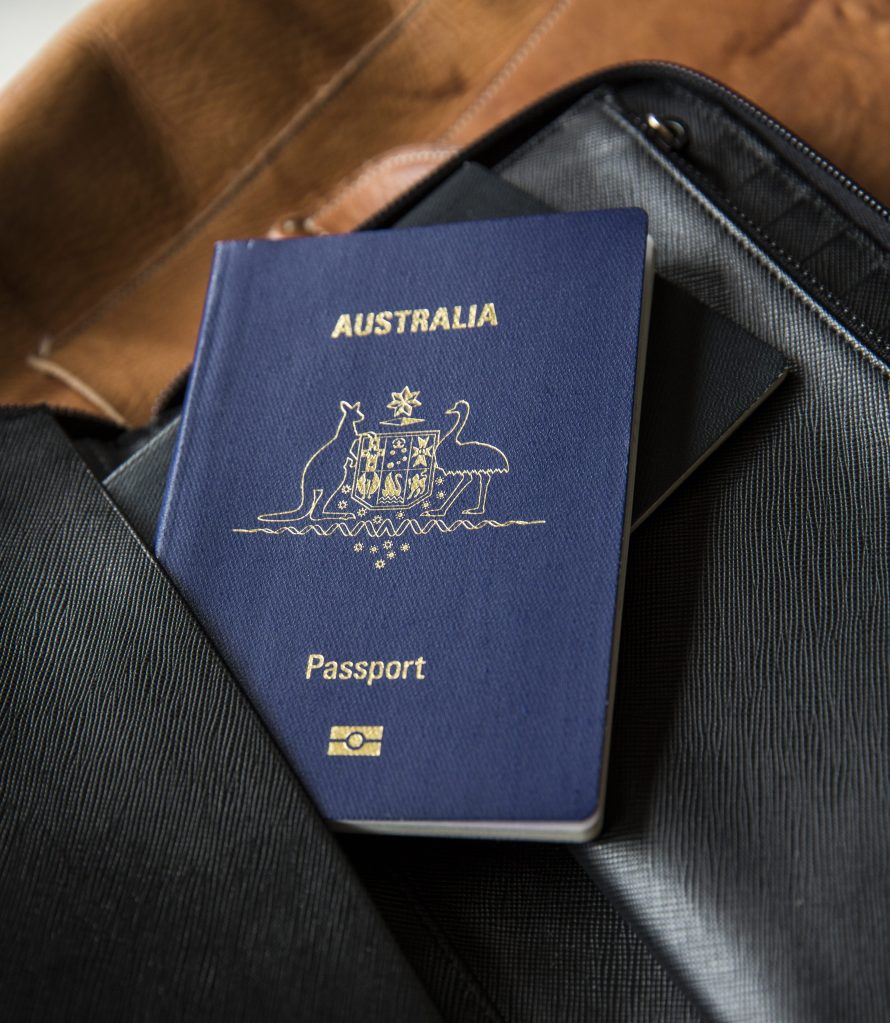
The Aussie passport has declined in power over the last year, according to Henley, and can now be used for visa-free entry in 182 countries, down from 189 in 2025. It is tied with Latvia, Liechtenstein, and the United Kingdom for seventh place in the rankings.
Australia has been beaten by the UAE, which ties in fifth place, and New Zealand in sixth.
“Passport power ultimately reflects political stability, diplomatic credibility, and the ability to shape international rules”, says Misha Glenny, who works with the Institute for Human Sciences in Vienna. She sees passports slipping in the rankings as a sign of a changing global landscape.
“As transatlantic relations strain and domestic politics grow more volatile, the erosion of mobility rights for countries like the US and UK is less a technical anomaly than a signal of deeper geopolitical recalibration,” says Glenny.
Just two months ago, the US passport was ranked just 12th most powerful in the world, but it has since regained ground and rejoins the Top 10 in the 2026 rankings, according to Henley.
“This recovery masks a longer-term decline for both the US and the UK, which jointly held 1st place in 2014,” analysis from Henley cautions.
“The past year saw both countries record their steepest annual losses in visa-free access, shedding seven and eight destinations, respectively. The US has suffered the third largest ranking decline over the past two decades — after Venezuela and Vanuatu — falling six places from 4th to 10th.”
World’s Most Powerful Passports
Rank | Passport | Visa-Free Access |
|---|---|---|
1 | Singapore | 192 |
2 | Japan | 188 |
2 | South Korea | 188 |
3 | Denmark | 186 |
3 | Luxembourg | 186 |
3 | Spain | 186 |
3 | Sweden | 186 |
3 | Switzerland | 186 |
4 | Austria | 185 |
4 | Belgium | 185 |
4 | Finland | 185 |
4 | France | 185 |
4 | Germany | 185 |
4 | Greece | 185 |
4 | Ireland | 185 |
4 | Italy | 185 |
4 | Netherlands | 185 |
4 | Norway | 185 |
5 | Hungary | 184 |
5 | Portugal | 184 |
5 | Slovakia | 184 |
5 | Slovenia | 184 |
5 | United Arab Emirates | 184 |
6 | Croatia | 183 |
6 | Czechia | 183 |
6 | Estonia | 183 |
6 | Malta | 183 |
6 | New Zealand | 183 |
6 | Poland | 183 |
7 | Australia | 182 |
7 | Latvia | 182 |
7 | Liechtenstein | 182 |
7 | United Kingdom | 182 |
8 | Canada | 181 |
8 | Iceland | 181 |
8 | Lithuania | 181 |
9 | Malaysia | 180 |
10 | United States | 179 |
Outbound mobility versus inbound openness
Henley’s research, now in its 20th year, also demonstrates a dichotomy between the number of destinations US passport holders can travel to, as opposed to the number of nationalities that can enter its borders without a visa. The former is 179, while the latter is less than 50.
“The United States itself allows only 46 nationalities to enter without a prior visa, placing it 78th out of 199 countries and territories worldwide on the Henley Openness Index. From 1 January 2026, full or partial entry restrictions now apply to 39 countries,” Henley research states.
“This disparity between outbound mobility and inbound openness is among the widest globally, second only to Australia and marginally ahead of Canada, New Zealand, and Japan,” according to Henley.
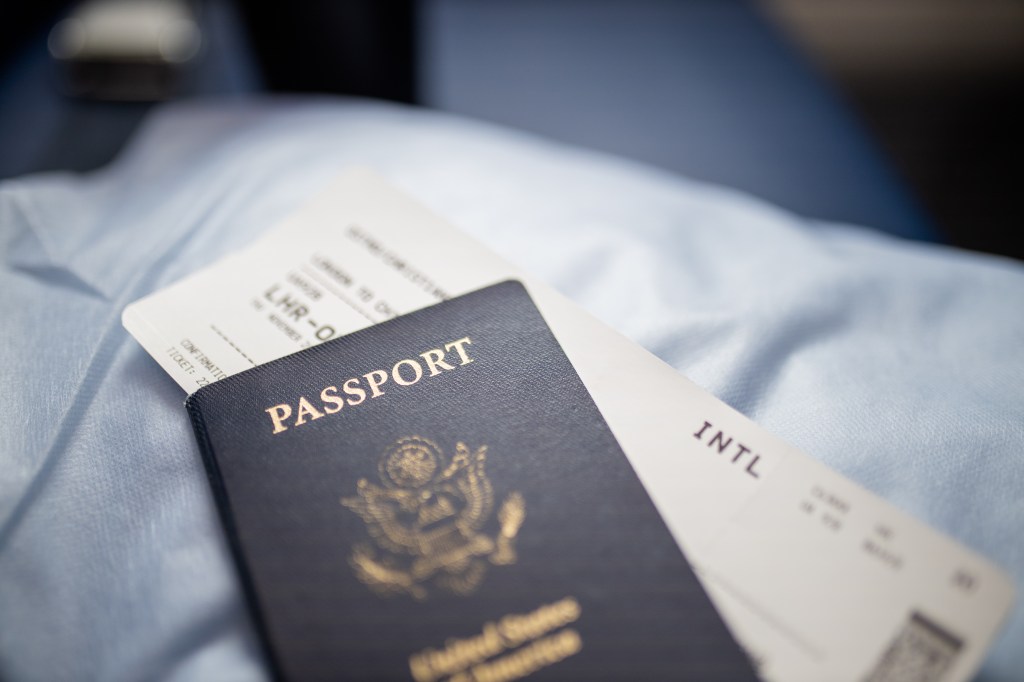
Visa-free access to the US is expected to decline further under the Trump administration, Henley warns.
“A late-2025 proposal by U.S. Customs and Border Protection could effectively end visa-free travel to the US in all but name. The plan would require citizens of 42 allied nations — including the UK, France, Germany, and Japan — to submit extensive personal data under the Visa Waiver Program, with implementation possible as early as February following a public consultation.”
The forward-looking research was released as part of the Henley Global Mobility Report 2026. Australian citizens may also have to meet the new requirements to enter the US.
“If adopted, travellers would be required to disclose five years of social media activity, ten years of e-mail addresses, phone numbers, and IP addresses, as well as detailed family information and biometric data — including facial recognition, fingerprints, and DNA — retained for up to 75 years, far exceeding current ESTA requirements,” Henley states.
As the US declines in its openness, China ascends. It now grants visa-free access to 77 different passports, 31 more than US border officials permit.
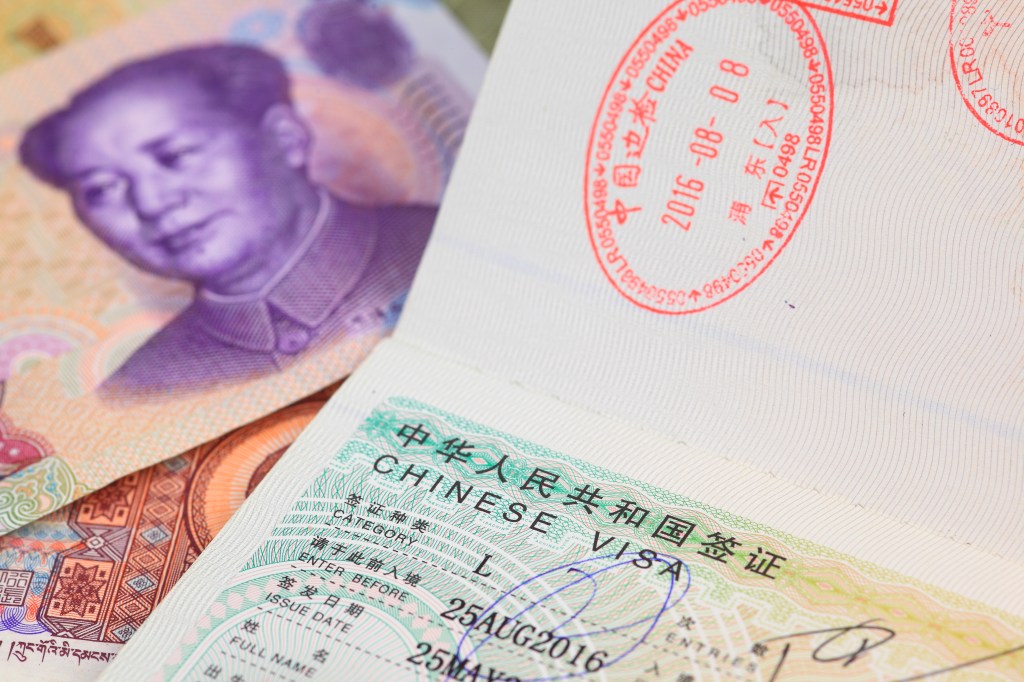
“There is a visible shift underway in the global balance of power, marked by China’s renewed openness and the USA’s retreat into nationalism”, states Dr Tim Klatte, a partner with Grant Thornton in China.
“As countries increasingly compete for influence through mobility, openness is becoming a critical component of soft power.”
China has climbed 28 places over the last decade, and its passport is now ranked 59th most powerful.
Closing out the Henley Passport Index is an Afghani passport, which permits the lowest number of visa-free entries anywhere in the world.
Look back on the week that was with hand-picked articles from Australia and around the world. Sign up to the Forbes Australia newsletter here or become a member here.