By the end of this weekend, more than 24,000 people will have run, pushed, pulled and lunged their way across the floor of the Melbourne Convention and Exhibition Centre – the biggest Hyrox event Australia has hosted. It’s both punishing, and highly lucrative for those pulling the strings.
On the ground in Melbourne, the scale is hard to miss. Four full days of racing. Thousands of competitors moving through identical lanes. The same sleds, ergs and wall balls repeated again and again.
Hyrox calls it fitness racing, but through all the sweat and lactic acid, the real story unfolding here is about a business that has figured out how to turn everyday training into a global event juggernaut.
Hyrox began in Germany less than a decade ago with a simple premise. Millions of people lift weights and run, but there was no standardised sport that combined the two. Marathons reward runners. CrossFit gyms train strength.
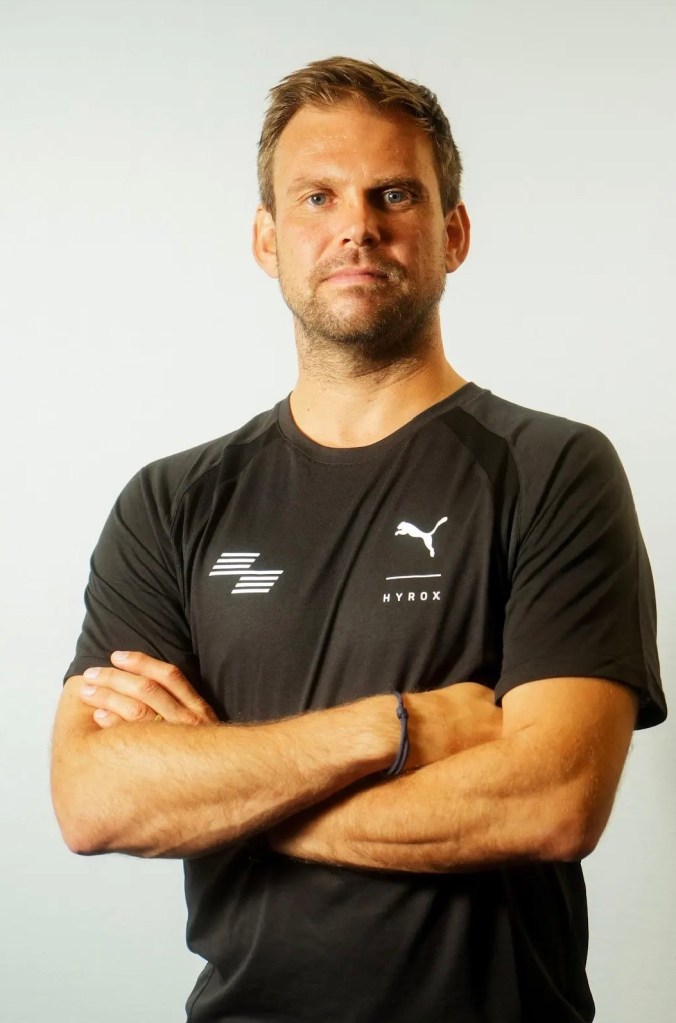
So, that’s when Hyrox co-founders Moritz Furste and Christian Toetzke set out to create a race format built for the middle ground: eight one-kilometre runs, each followed by a functional workout, identical in every city around the world.
Globally, the numbers are accelerating quickly.
Furste, a former Olympic field hockey champion, expects more than 650,000 athletes to compete across close to 100 events this season, with internal forecasts pointing to more than 1.3 million competitors by 2026. The business will close 2025 with roughly $130 million in revenue, Furste says, with expectations to push beyond $220 million next year as event days expand.
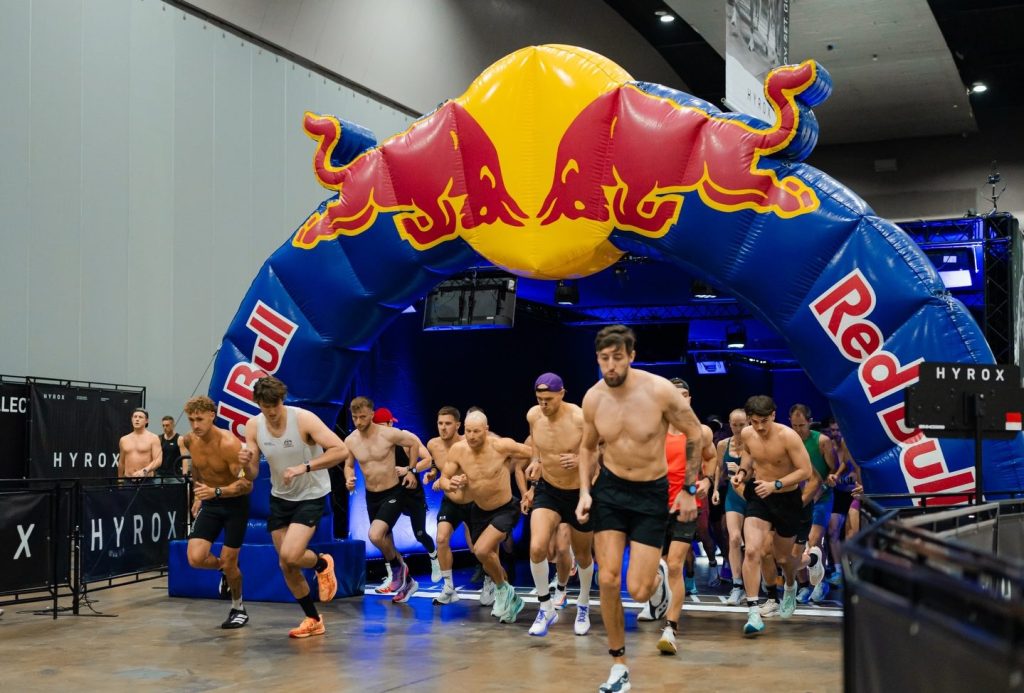
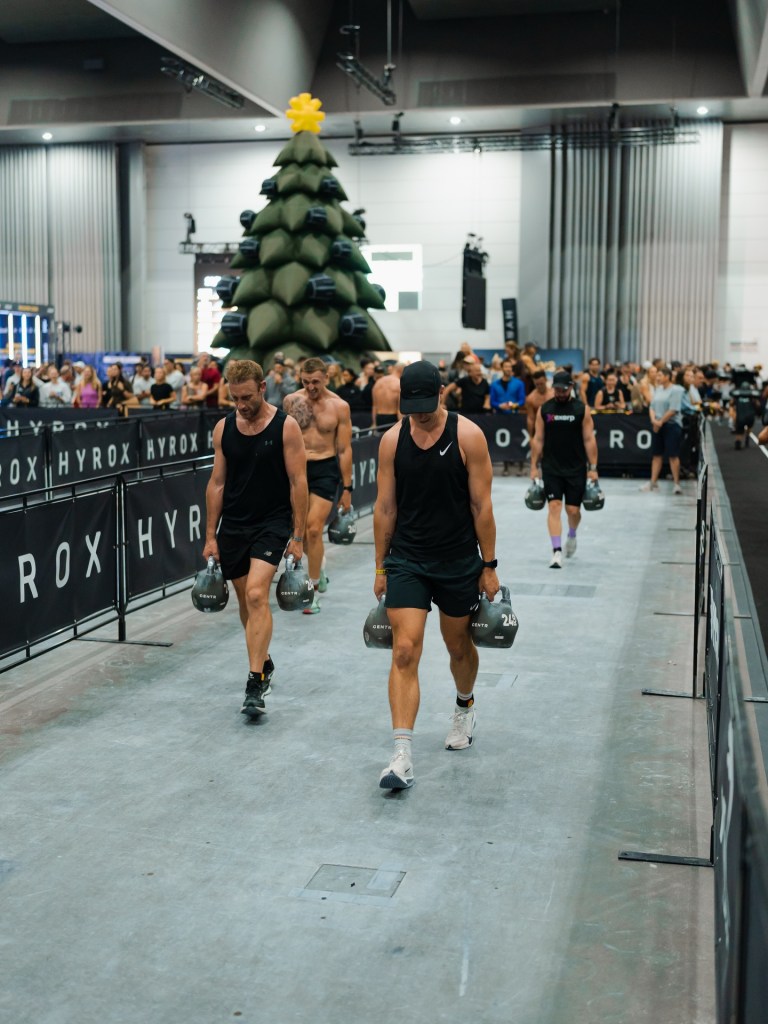
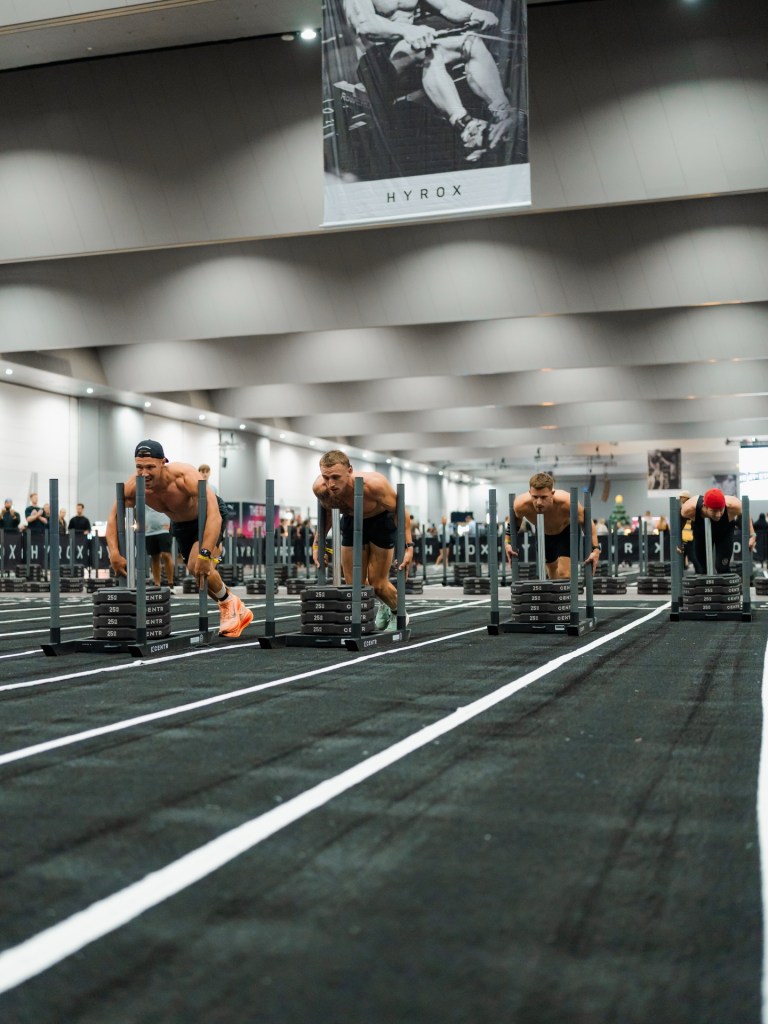
Australia has become one of the fastest-growing markets in that system. HYROX Sydney earlier this year set a participation record, drawing more than 20,000 competitors. Melbourne is now tipped to go one step further, eclipsing that figure and stretching the event across four consecutive days.
For Furste, the response here has been strong but not surprising.
Australia already had the raw ingredients to make the event profitable. High gym participation. A strong running culture. Cities built around organised sport. Furste says they simply provided a competitive outlet for people who were already training but had nowhere to race.
“We expected Australia to be a fast-growing market… it’s a very fitness orientated, healthy market,” he tells Forbes Australia.
“People have been waiting to test their training in a way that maybe didn’t exist in other sports before, so [Hyrox] offers that for them.”
Moritz Furste, Hyrox Co-founder
Elite racing adds another layer. Melbourne is one of Hyrox’s global Majors, offering a US $60,000 prize purse this season, up from US $7,500 last year. The money, and the World Championships qualification spots on the line, is why the start lists pull in top athletes from Europe and the United States alongside Australian contenders.
Across the seven Majors plus the World Championships, Hyrox is now putting more than US $480,000 into Major prize purses alone, before you factor in other Elite racing payouts.
Still, the elite field represents a fraction of the overall ecosystem.
Most competitors in Melbourne are everyday gym members. Office workers. Parents. Amateur runners. Many are first-timers. Others are returning for their second or third race in a single season.
‘Not just another gym fad’
A crucial part of the Hyrox business model sits outside the event itself. Furste says it’s the company’s affiliate gym program that has become one of its most effective growth engines, embedding the race format directly into how people train week to week – and charging gyms thousands to use the name.
In Australia alone, more than 1,400 gyms are currently part of the program, a figure the company expects to climb past 2,200 by 2026.
The affiliate model is deliberately simple.
Gyms pay an annual licensing fee in exchange for official use of the Hyrox name, access to branded programming and simulations, and early access codes for members to secure race entries. For comparison, that fee is materially lower than traditional functional fitness licensing models.
For Dean Weight, owner and co-founder of Sydney-based training group 168, the appeal was obvious early on. “Hyrox has essentially created a new lane in functional fitness,” he says. “It’s competitive but it’s still incredibly inclusive. And I think for those reasons it’s here to stay.”
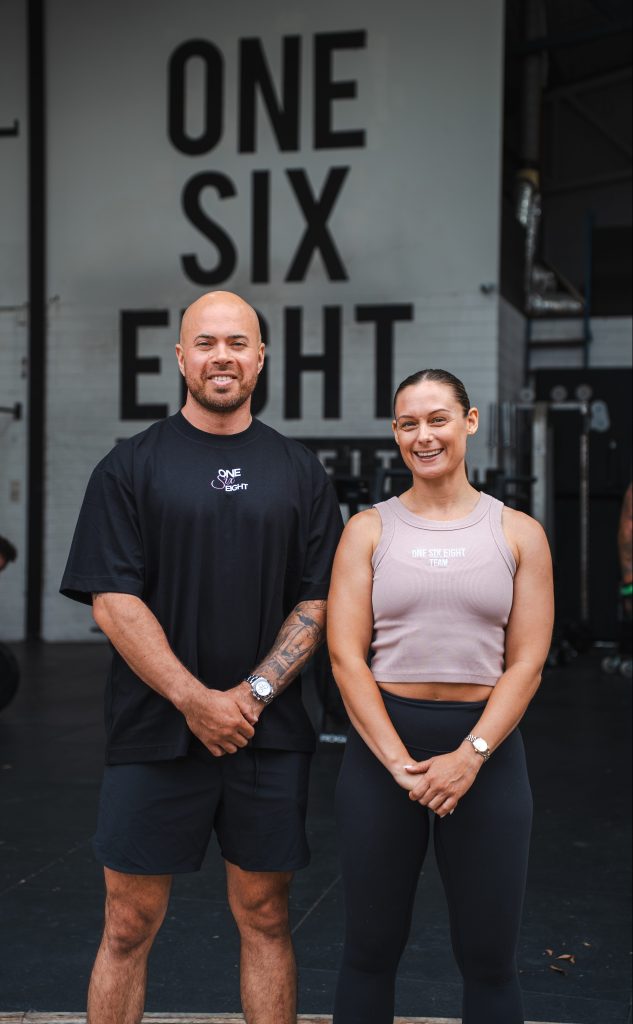
168 operates three gyms across Sydney with roughly 900 members, most attending at least three sessions a week. Weight, who has seen many fitness trends come and go throughout his career, first noticed the concept gaining traction three to four years ago, largely through international members arriving from the UK and Europe, where the event was already established. Since then, interest has moved from curiosity to cult-following.
“They were talking about it, wanting to train for it, wanting to do the Australian races,” he says. “That’s how we were first introduced to it.” By the time the next race in Sydney rolls around in 2026, he expects around one in five of his members to compete in the race.
“Once they commit to a Hyrox event, they train more regularly, they recover better, they start thinking like an athlete.”
Dean Weight, 168 Gym Owner
He says importantly, Hyrox does not replace existing training methodologies inside the gym but rather sits alongside them. “We view CrossFit as the base and the foundation of your training,” he says. “And then things like Hyrox are where you sharpen the edge if you’re training for that particular event.”
For gyms, the upside isn’t necessarily direct revenue from the event itself. It shows up in behaviour. “Once people commit to a Hyrox event, they train more regularly,” Weight says. “They recover better. They start thinking like an athlete.”
That consistency matters in a sector where retention and market competition is everything. Weight says Hyrox has helped shift training from casual attendance to goal-driven preparation.
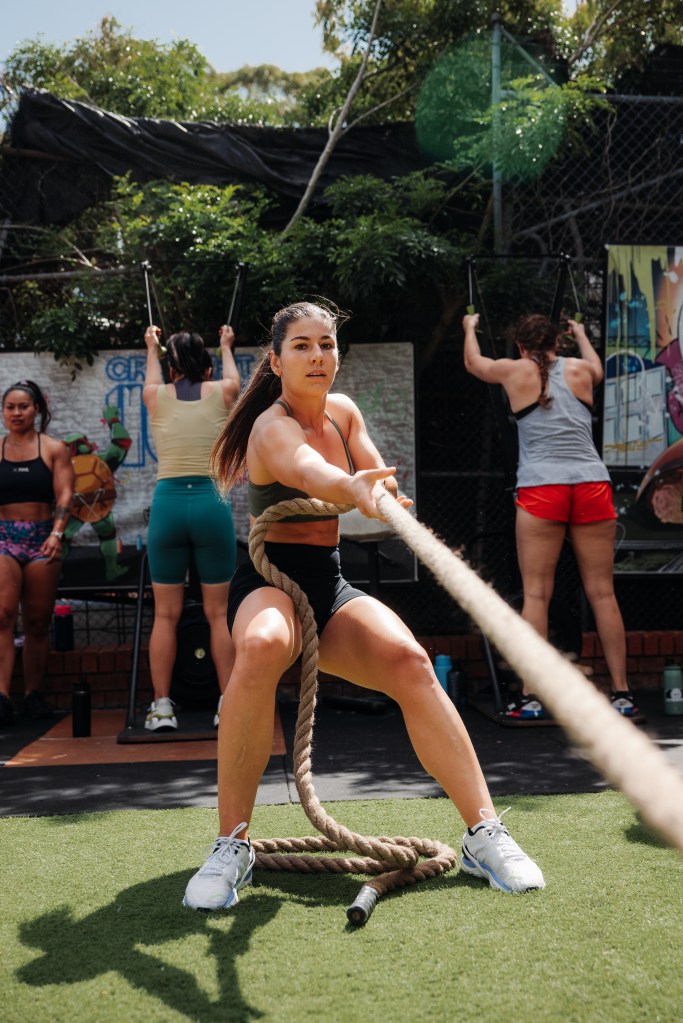

It has also shaped how the business itself has grown. 168 began in 2013 out of a small rented space on 168 Day Street in Sydney’s CBD, named after the building number because there was no budget for signage. From that single inner-city gym, the business has since expanded into larger, warehouse-style locations in Alexandria and Marrickville.
Weight says the rise of Hyrox-style training has favoured gyms with space to spare – long lanes, sled tracks and high-volume conditioning – accelerating the move from a compact standalone venue to facilities built for scale.
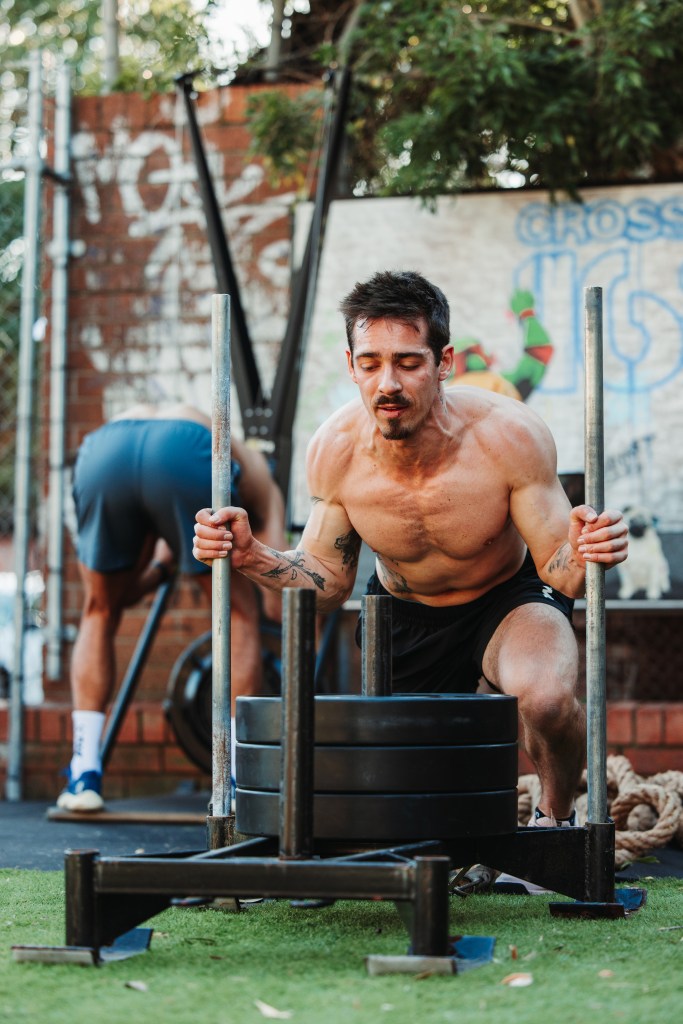
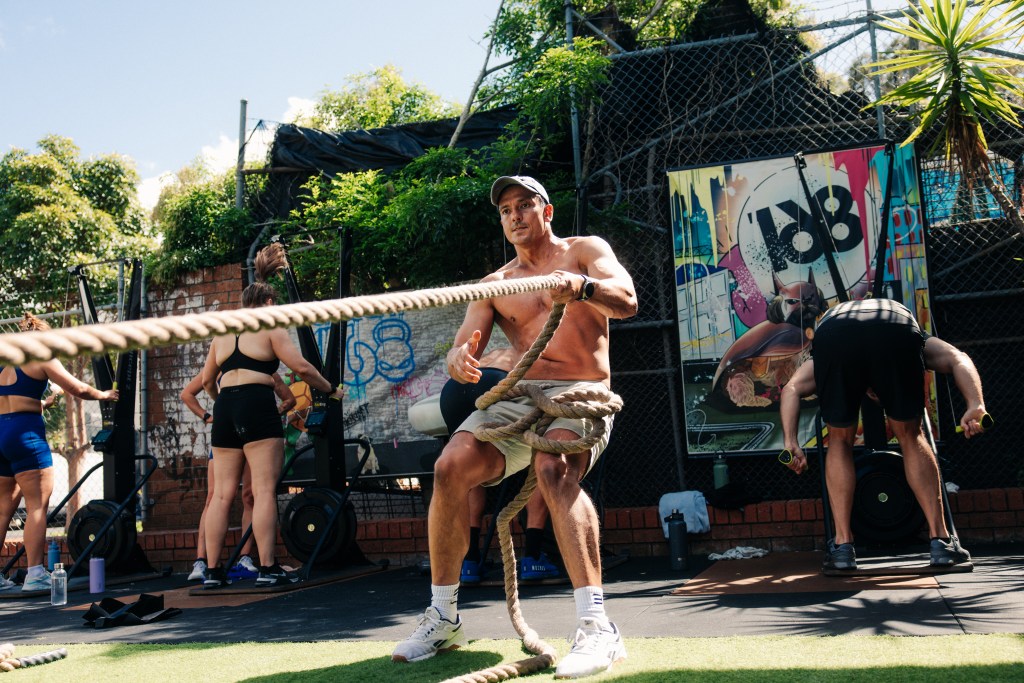
What does a Hyrox workout include?
- Run 1km
- SkiErg 1km
- Run 1km
- Sled push 50m
- Run 1km
- Sled pull 50m
- Run 1km
- Burpee broad jumps 80m
- Run 1km
- Row 1km
- Run 1km
- Farmer’s carry 200m
- Run 1km
- Sandbag lunges 100m
- Run 1km
- Wall balls 100 reps
Race divisions
- Elite 15 – invite/qualification based
- Open – the largest category, designed for regular gym-goers
- Pro – heavier weights and higher standards for elite competitors
- Doubles – two-person teams sharing the workload
- Relay – four-person teams, each completing two workout stations
- Mixed Doubles – male/female teams with adjusted loads
Look back on the week that was with hand-picked articles from Australia and around the world. Sign up to the Forbes Australia newsletter here or become a member here.