Opinion: The new luxury property buyer isn’t an inheritor or corporate executive. Economist Atom Go Tian explains how founders are reshaping Australia’s prestige property market.
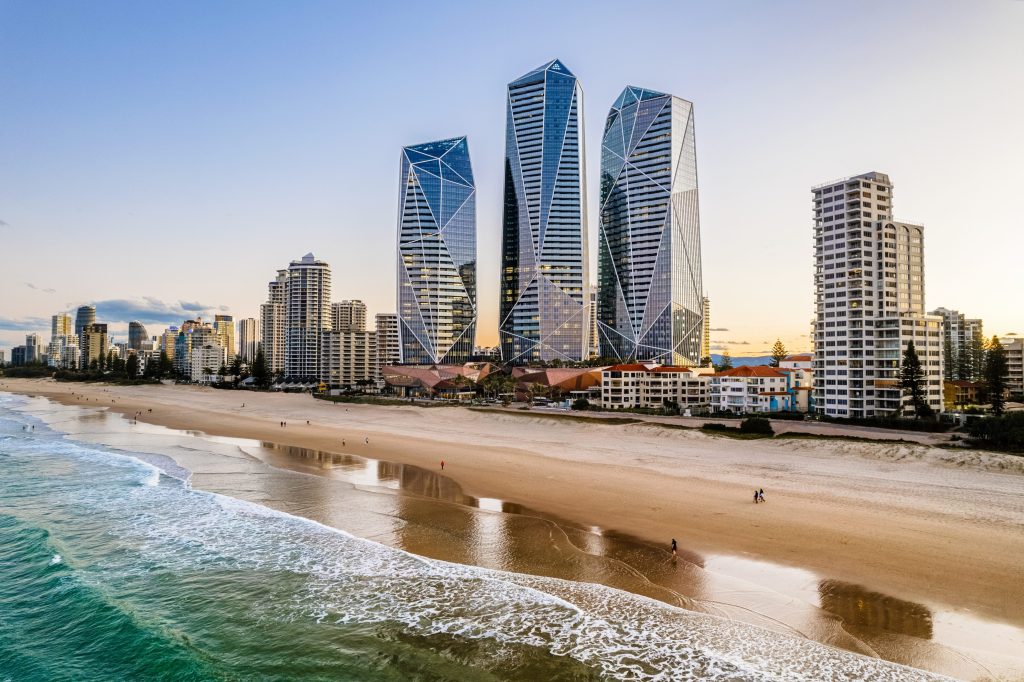
Behind every luxury property transaction is a person. For decades, the very top of the market was largely the domain of corporate executives reaching the peak of long careers or inheritors of family fortunes returning to suburbs their grandparents may have named.
Except this is changing. The buyers driving Australia’s most significant transactions today are self-made founders. Private equity operators, technology entrepreneurs, and fashion and e-commerce business owners now feature consistently across the identifiable portion of the ultra-luxury market.
They built their fortunes in industries that barely existed twenty years ago, and they are spending them in places that would barely have counted as luxury back then. That second part matters more than it sounds. When the buyer changes, the geography of luxury changes with them.
A new kind of buyer
Australia’s ultra-luxury market does not readily disclose itself, and plenty of top transactions leave no public trace. But among the buyers whose backgrounds could be established across the biggest deals of the past two years, the pattern is clear. The defining figure at the top of the market is no longer someone who climbed a corporate ladder or inherited their wealth.
It is someone who built a business, often quickly, often digitally, and converted that success into property: fashion labels launched on social media and grown into global brands, e-commerce platforms scaled from a laptop, and software companies built by teams you could fit in a single room.
That kind of wealth arrives differently. The corporate executive accumulated their wealth over a career, and the inheritor waited a generation.
Founder wealth tends to come suddenly, often in a single event, when a business is sold or a stake is realised. A buyer who has just exited is liquid and decisive, which is part of why this cohort moves quickly when the right property appears, and why their preferences register in the data so quickly.
It is also, increasingly, home-grown wealth. In prior years, buyers linked to Singapore and China featured at the very top of the market, reflecting Australia’s appeal as a safe haven for globally mobile wealth. Across these top transactions, the profile is predominantly domestic these days. Australia’s own wealth creators are now driving the ultra-luxury property market.
Why this buyer behaves differently
Traditional luxury buyers built their wealth through companies and family businesses, which tied them to the CBD and helped make prestige property, for generations, largely a conversation between Sydney and Melbourne.
The self-made founder is not anchored in the same way. With digital operations and remote work, many built businesses from anywhere or sold them outright. Their flexibility around location is the single biggest reason the geography of luxury is shifting. For the first time, the wealthiest buyers in the country can ask a different question. Not “where do I need to be?” but “where do I actually want to live?”
Where they are buying
Sydney’s eastern suburbs remain the most expensive, as they have for years. Vaucluse, Bellevue Hill and Rose Bay still account for the largest share of top-end transactions. They offer water views, established prestige and proximity to the city that no other address replicates at scale. What protects Sydney at the very top is scarcity. The harbourfront cannot be extended, the established streets cannot be replicated, and the supply of genuine trophy homes barely moves from one decade to the next. Lifestyle buyers can find their version of luxury in a dozen places, but there is still only one iconic harbour.
The more interesting shift is happening outside Sydney. Over the past decade, luxury house prices across south-east Queensland have grown between 133 and 159 per cent, against Melbourne’s 42 per cent. The Sunshine Coast has overtaken Sydney as the country’s most expensive luxury unit market.
At the suburb level, Perth’s City Beach grew 18 per cent in twelve months, its third consecutive year of double-digit luxury growth. Brisbane’s Newstead, Ascot and Hamilton all posted gains above 10 per cent. And beyond the capitals, the Byron Bay region has moved into genuine ultra-luxury territory.
Trading down or trading up?
When a buyer leaves a $45 million Bellevue Hill house for a $26 million Noosa property, the instinct is to call it trading down. It is not. It is a statement about what luxury now means: the buyer changed first, and prices followed.
Sydney’s trophy suburbs will remain the apex of Australian property for the foreseeable future. But the luxury market’s centre of gravity is shifting. It’s now driven by a generation of buyers who don’t answer to a head office when it comes to making money—and don’t answer to anyone when it comes to spending it.
Atom Go Tian is an Economist in Ray White’s Economics team. He specialises in transforming complex property data into clear narratives for Australia and New Zealand’s residential markets.
Want to see more Forbes articles on your feed? Tap here to make Forbes Australia a preferred source on Google.
Look back on the week that was with hand-picked articles from Australia and around the world. Sign up to the Forbes Australia newsletter here or become a member here.