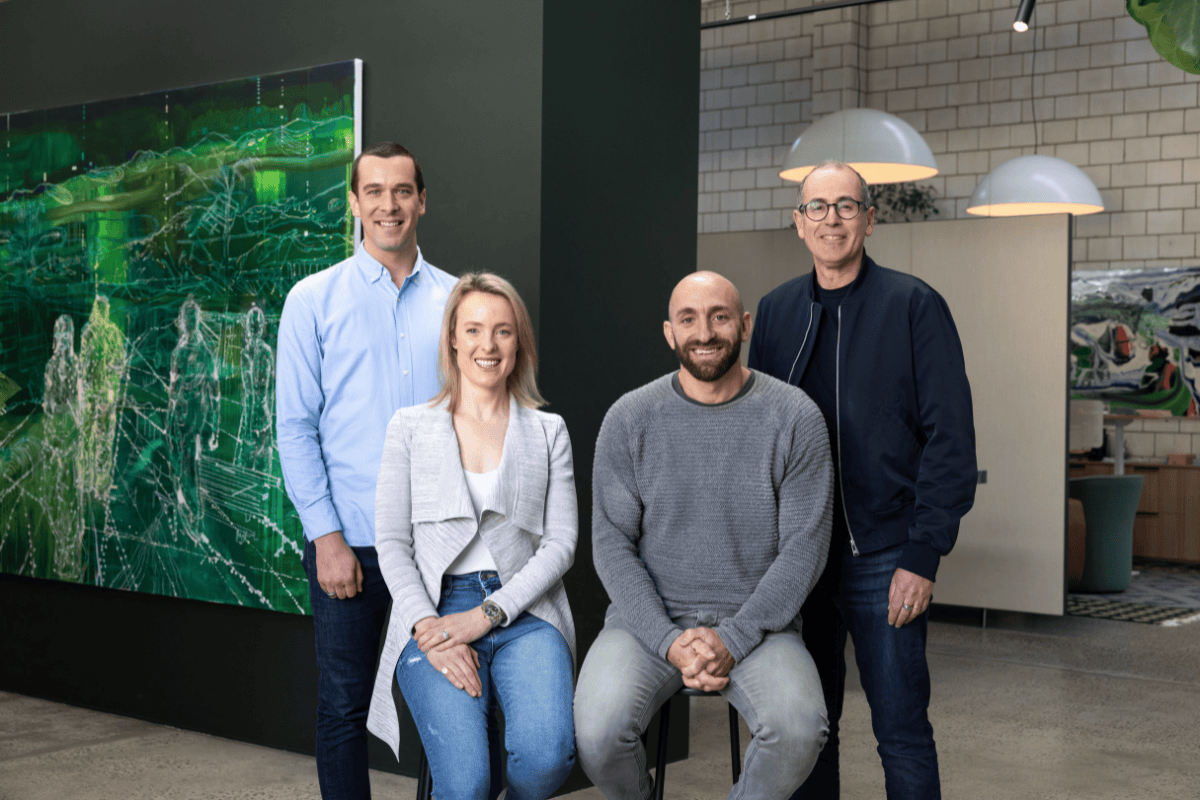
Eucalyptus sold to Hims & Hers for $1.6 billion earlier this year. Co-founder Tim Doyle explains the rationale behind the sale.
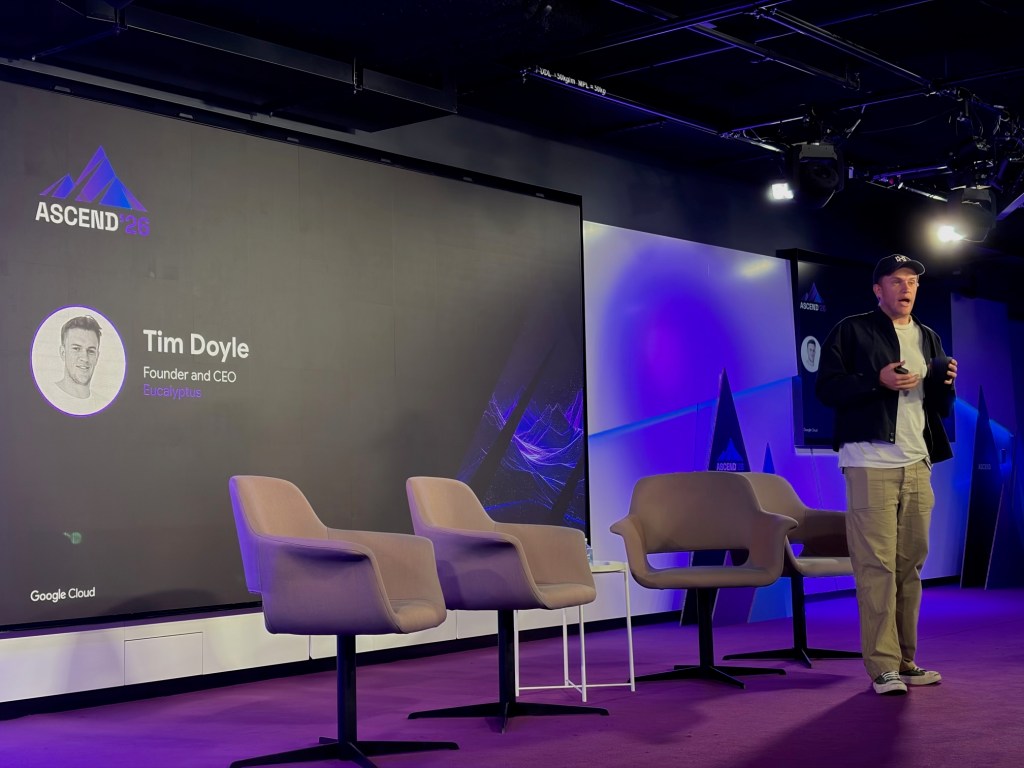
Australia’s biggest venture capital firm, Blackbird, famously says its goal is to back founders seeking to create generational companies. But Tim Doyle, whose Eucalyptus is among Blackbird’s biggest cash returners, says seeking to be generational is an overrated quality.
“I was trying to sell the company from the first day we started the company,” Doyle said at Google’s Ascend event in Sydney on Wednesday. “Founders are always taught to believe they have a generational company, but there aren’t that many generational companies – it’s kind of in the definition.”
“Having an eye to the exit door is, I think, underrated.”
Doyle co-founded health startup Eucalyptus in 2019 alongside Charlie Gearside, Benny Kleist and Alexey Mitko. It began selling erectile dysfunction treatments to men, then expanded into fertility, reproductive health and skincare, before pivoting to Ozempic and other GLP-1 drugs in 2023.
Business was booming by the time Hims & Hers approached Eucalyptus for a sale, Doyle said, with annual revenue around $600 million. The startup sold for US$1.15 billion ($1.6 billion).
“If you looked at the forward projections you’d [say] we’re going to be a $10 billion company, but then someone comes along and goes ‘we’ll give you $1 billion for the company,’ and you’re like well, actually, that’s pretty good… it’s very easy to convince yourself that things are going to go on forever, but the reality is, for most businesses, it doesn’t go on forever.”
“We’re pretty good at what we do, we’re pretty valuable if somebody wants to go international, but we’re not going to be the future of health, as my talk is supposed to be about.”
Though Australia has produced over two dozen startups worth over $1 billion, many venture capital firms are sitting on paper fortunes as they await opportunities to cash out in an IPO or public listing. Eucalyptus alone will return Blackbird’s $225 million, 2018-vintage fund, partner Nick Crocker previously told Capital Brief. Woolworths’ W23 venture capital arm was also an early investor.
Being open to a sale was not just an abstract notion, Doyle said, as the company actively made decisions along the way that it hoped would make it more attractive to a buyer. They include building all products on a single platform and not establishing significant operations in the US, meaning both its systems and operations could be easily integrated with an American buyer.
“Those things were the difference between being able to sell and not being able to sell,” Doyle said.
Eucalyptus’ women’s health products, previously branded as Juniper, were re-launched in Australia as Hers earlier this week. It follows Eucalyptus’ Pilot line of men’s products being rebranded as Hims in September.
Torch it
Though Doyle eagerly embraced what he described as a “pretty good” outcome, he encouraged startup founders to resist being merely durable. Dazzling success is obviously ideal, but he says it is better to fail spectacularly than to cling on in the hopes of breaking even.
“I’m advocating for big bold swings and then torching the business if you have to, because that’s a better state to be in than limping along,” he said. “As soon as I took in venture capital, [I said] my primary responsibility here is to return this capital in some form or to blow up the company.”
Eucalyptus’ brush with disaster came as 2022 turned into 2023.
The company was primarily growing its Pilot (men’s health), Kin (fertility health) and Software (skincare) brands by using digital advertising. But that strategy fell apart as lockdowns ended, with interest in preventative healthcare falling just as retail and travel sectors bid up the price of ads on Facebook and other social media.
Eucalyptus laid off 30 per cent of its staff, and bet its future on Ozempic and other GLP-1 drugs – something Doyle admits was speculative.
“We’re going to sacrifice this like somewhat durable business we have in Australia now for a moonshot bet, and if that moonshot bet doesn’t work we’ll torch the entire thing,” Doyle said, explaining the rationale.
“So many Australian startups limp along, and it doesn’t happen in America. They love fucking up, blowing things up and then starting again… we could do a better job of learning that here.”
Want to see more Forbes articles on your feed? Tap here to make Forbes Australia a preferred source on Google.
Look back on the week that was with hand-picked articles from Australia and around the world. Sign up to the Forbes Australia newsletter here or become a member here.