Anthropic co-founder Jack Clark said the company was speaking to the U.S. government about its new AI model Claude Mythos, which it has warned is too dangerous to release to the public—despite a dispute with the Pentagon that led to the company being labeled a supply-chain risk earlier this year.
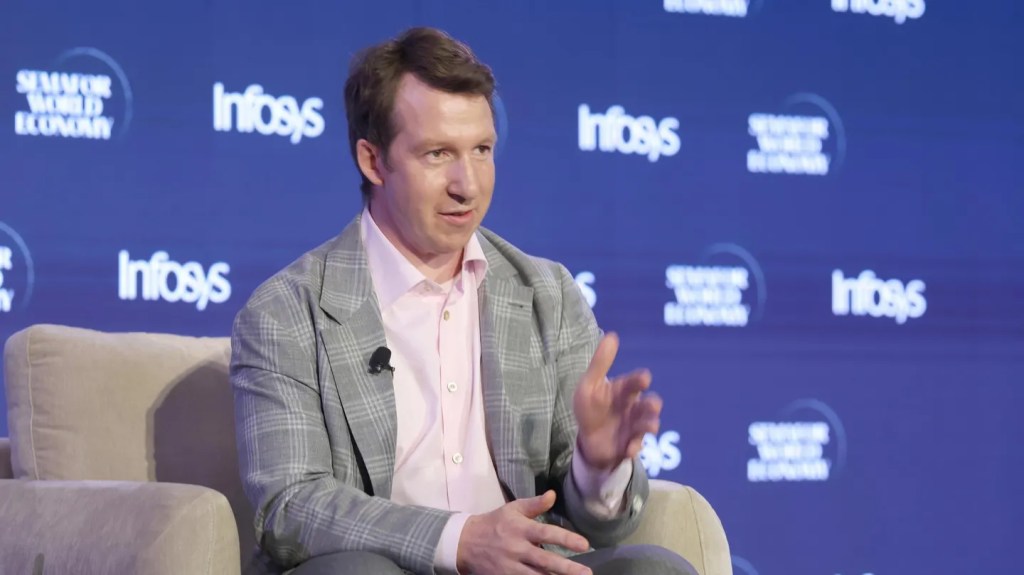
Getty Images for Semafor World Economy
Key Takeaways
- Speaking at a Semafor conference on Monday, Clark said the company’s position is “the government has to know about this stuff,” according to comments reported by Reuters.
- Clark characterized the dispute with the Defense Department as a “narrow contracting dispute,” which won’t conflict with Anthropic’s concerns about national security.
- Clark did not elaborate on the nature of the conversations his company was having with the government, or if they were discussing removing the supply-chain risk designation, and Anthropic did not immediately return a request for comment from Forbes.
Key Background
Anthropic announced Claude Mythos Preview last week, but also said it was not currently planning to release it to the public. In a blog post, Anthropic said Mythos was capable of exploiting security flaws in “every major operating system and web browser,” and would instead allow a group of 40 major technology companies including Apple, Google, Amazon Web Services and Microsoft early access to secure their systems. Treasury Secretary Scott Bessent also reportedly warned major U.S. banks about the model last week, the New York Times reported.
The Pentagon took the unusual step of declaring Anthropic a supply-chain risk after a dispute in February, when Defense Secretary Pete Hegseth demanded the AI company allow it to have “full, unrestricted access” to its models. Anthropic’s CEO Dario Amodei responded in a statement insisting the company has only placed restrictions on its models for their use with mass domestic surveillance and autonomous weapons. The designation effectively prevents Pentagon employees or contractors from using Anthropic’s technology. Anthropic promised to challenge the designation in court, but a panel of federal judges already sided with the Trump administration once and declined to temporarily lift the designation last week.
Want to see more Forbes articles on your feed? Tap here to make Forbes Australia a preferred source on Google.
Look back on the week that was with hand-picked articles from Australia and around the world. Sign up to the Forbes Australia newsletter here or become a member here.