Y Combinator is leading the round, backed by Australia’s NextGen Ventures, and Antler, as GrazeMate expands from Queensland and NSW into California.
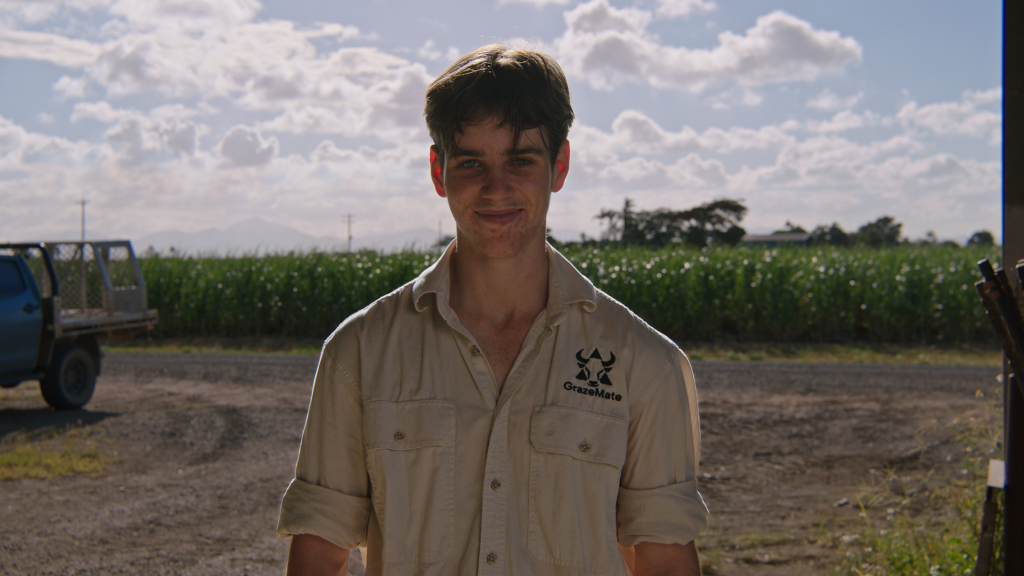
Growing up on a farm in Bowen, Northern Queensland, Sam Rogers watched his dad muster 6,000 head of cattle on horseback and motorbikes. The robotics enthusiast knew there had to be a way to bring efficiency to the process and get his dad back home before sunset.
“GrazeMate lets a farmer open an app, select a paddock, and send a drone out to move the herd. Instead of organising people, bikes, or a helicopter, the job just happens, and you get a message when the cattle are through the gate,” Rogers tells Forbes Australia.
In 2025, the industrious teenager formalised GrazeMate as a company and transitioned from farmer to CEO. Less than a year later, the company has commitments to muster 1.7 million acres of land across Queensland and New South Wales, and is now expanding into California.
In addition to moving livestock, GrazeMate technology also provides data that can help a farmer make decisions about what needs to be done next.
“As a drone musters, it’s able to report back how much pasture is available, a weight estimate of the herd, and a report on critical infrastructure like water troughs. We’re helping farmers see and do more than they could otherwise.”
A key selling point of the GrazeMate technology, is that musters can be run from an app on a phone, and farmers do not have to man the drone.
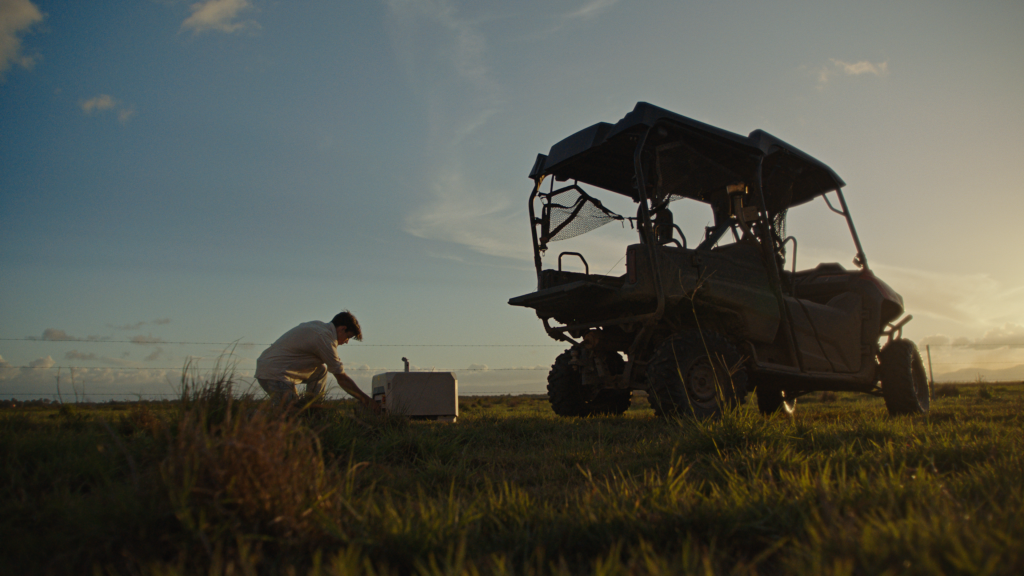
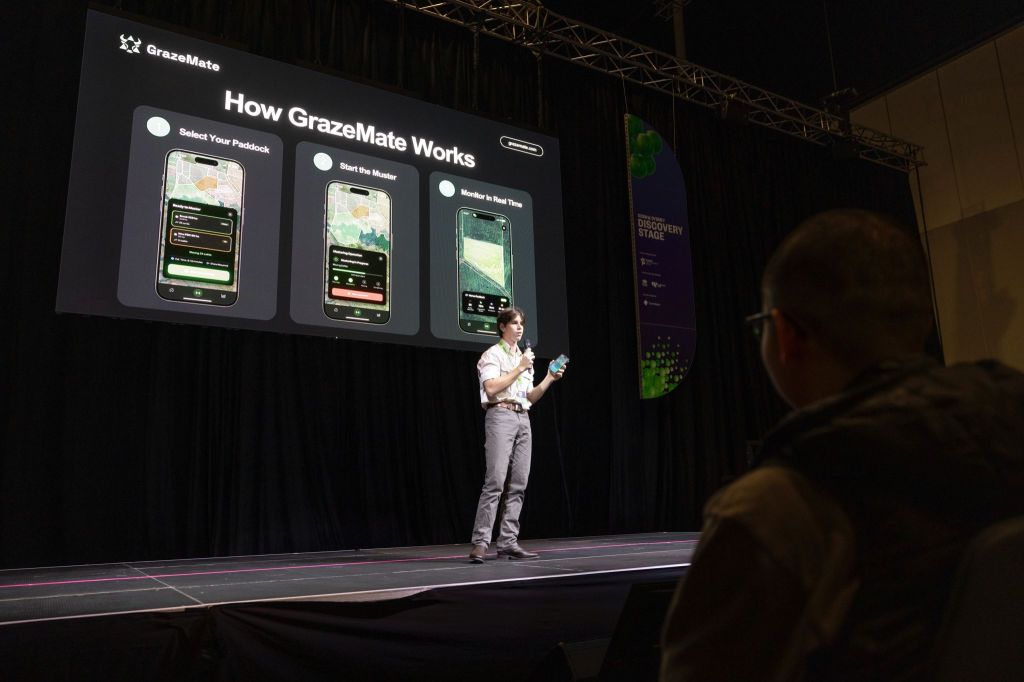
“A farmer’s time is their most limited resource; most operations are family-run, and labour’s a fixed commodity,” says Rogers. “What’s different about GrazeMate is that it runs itself. Instead of piloting, the farmer simply sets the task and the system executes it, making decisions in real time based on how the herd moves, then reporting back everything it sees.”
It was this innovation, alongside being deeply impressed with the adolescent brains behind the business, that convinced NextGen Ventures to participate in the Y Combinator-led $1.2 million pre-seed round.
NextGen scouts investment opportunities through a network of on-campus investors, and found Mechatronics Engineering student Rogers at the University of Sydney in 2025.
“Sam had taught himself how to code in Chinese with alternative drones as he wasn’t yet able to afford the max-spec drones he would eventually go on to build with,” says NextGen partner Jerry X’Lingson.
“After getting to know Sam more, we learned of his remarkable life story. At 14 he built a robotic arm, trained an AI model to detect electronic waste, then travelled to the US where he placed second in an international AI competition out of 10 million applicants.
“At 16, [founder Sam Rogers] faced a life-threatening spinal injury. After three spinal surgeries, he climbed Everest.”
NextGen partner Jerry X’Lingson
It was that experience in Nepal that convinced Rogers he needed to build a business to bring together his unique understanding of the challenges of farming, with his expertise in advanced technology.
“The final driver actually came in the Himalayas. I’d gone to climb the Everest ridgeline after recovering from a spinal tumour and a broken back, looking for some bigger sense of purpose,” says Rogers.
“What I found instead was the way Sherpas herd yaks. They’d climb to the top of a hill and ring a bell. The sound would carry through the valley, and the herd would know it was time to move. We’ve been working on how to replicate that kind of natural signalling on a much larger scale ever since.”
GrazeMate’s innovation is possible because of three recent advancements in technology, Rogers says.
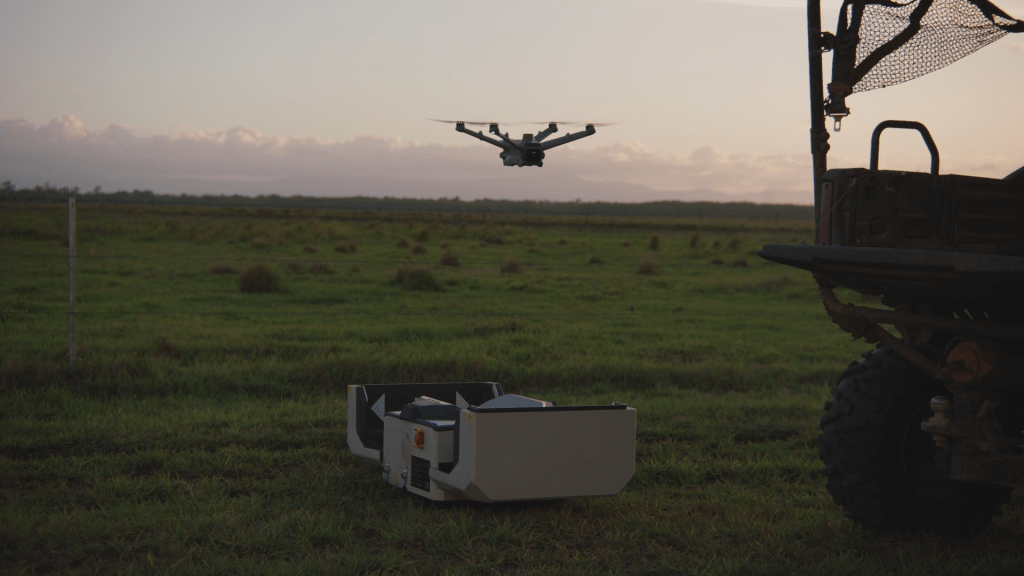
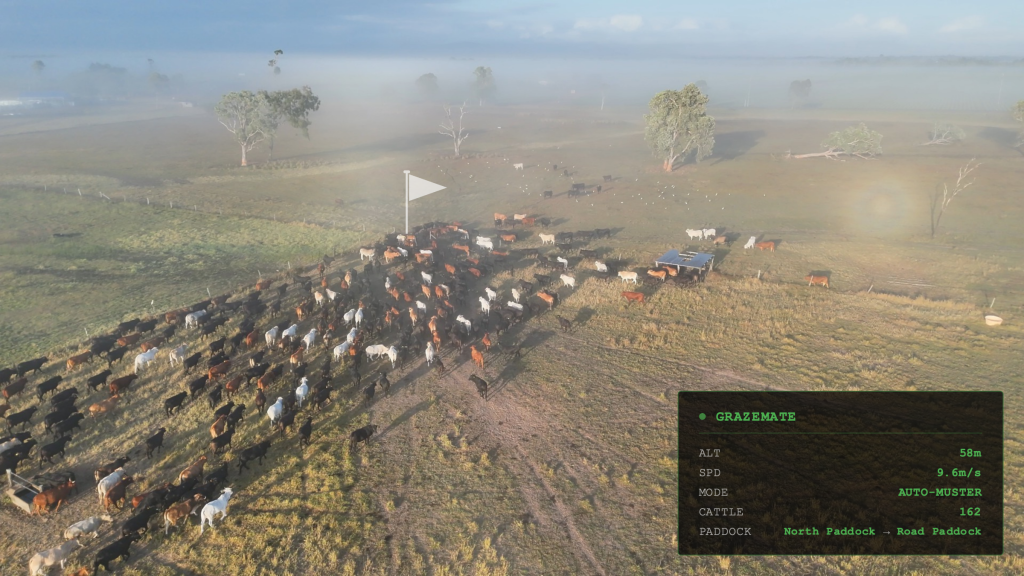
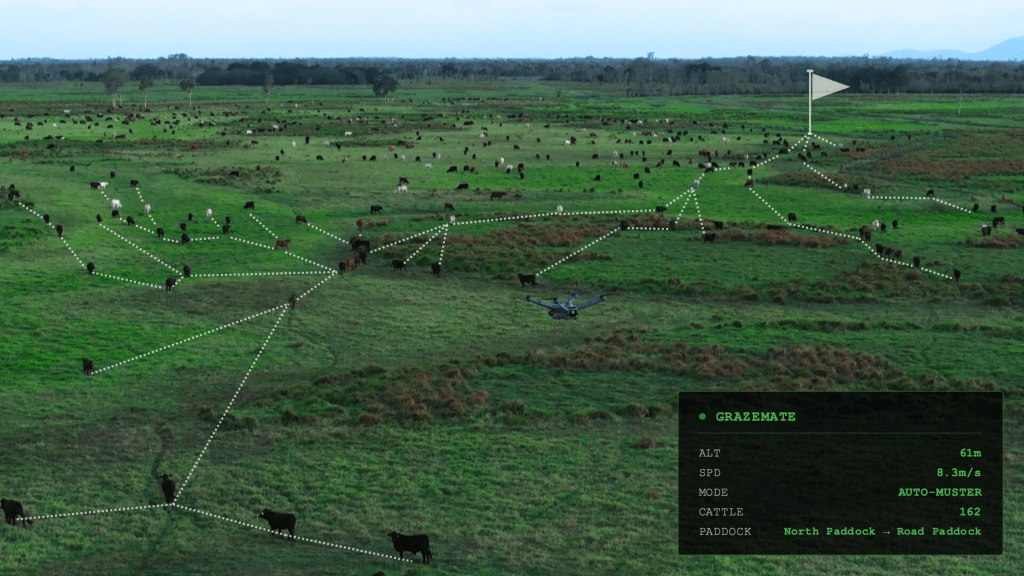
“Over the last decade, defence investment has driven huge improvements in drone battery life. At the same time, the AI boom has made edge computing incredibly powerful and affordable. And finally, regulations have started to open the door to real autonomy,” says Rogers.
“All of that is happening just as ranchers are under more pressure than ever from labour shortages, rising costs, and increasing demand. We’ve seen how tools like ChatGPT suddenly gave knowledge workers a massive amount of leverage. We’re incredibly excited to be bringing that same kind of leverage into the physical world, and into the hands of farmers.”
Look back on the week that was with hand-picked articles from Australia and around the world. Sign up to the Forbes Australia newsletter here or become a member here.