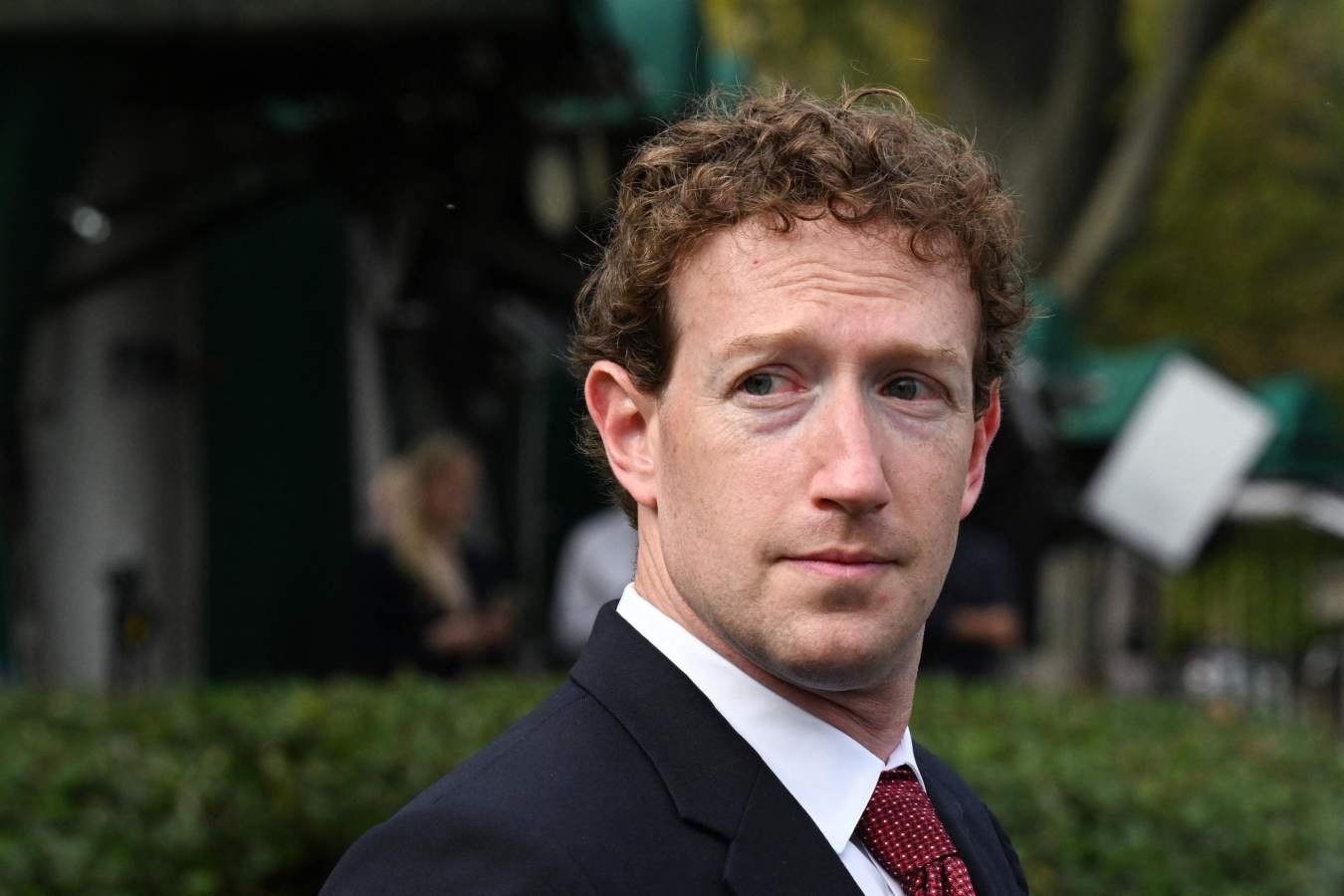
Three of them, including Huang’s replacement as interim CEO, are no longer billionaires at all.
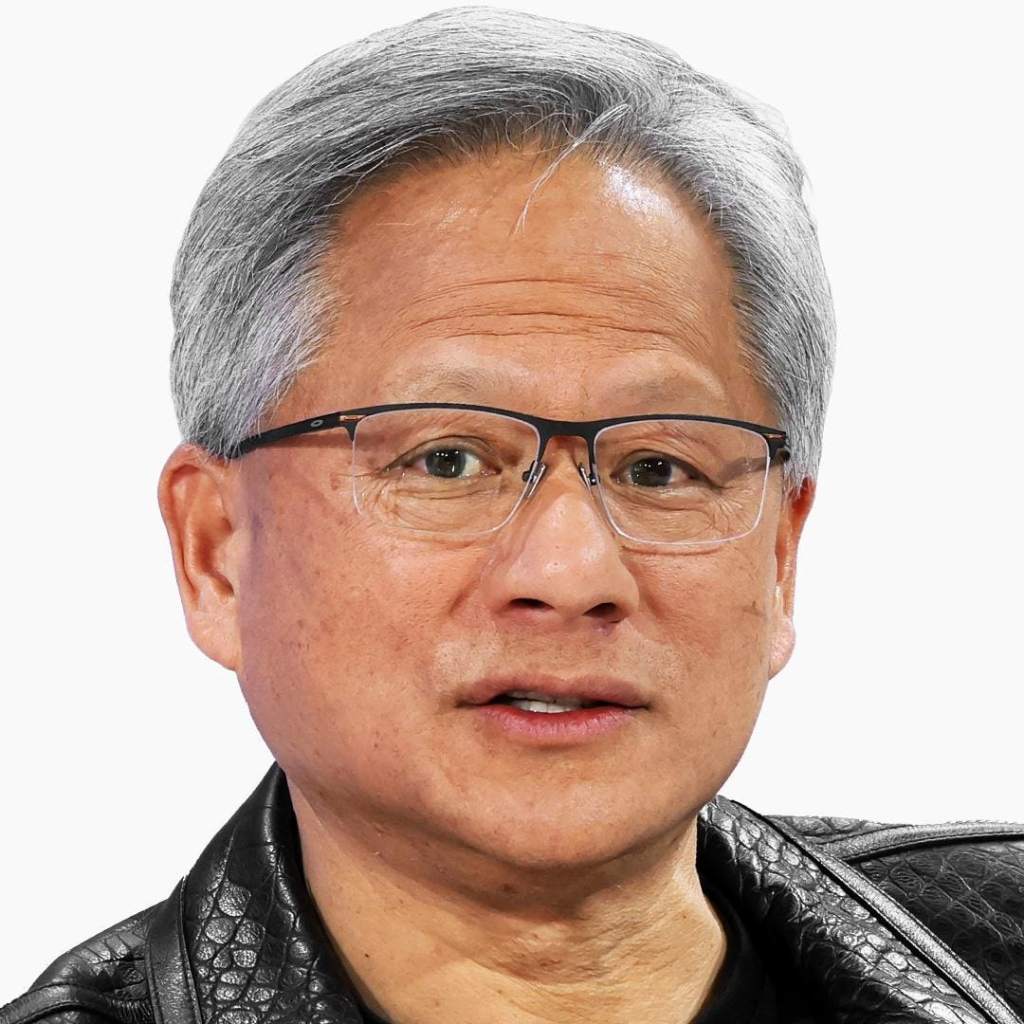
On October 6, Nvidia’s market cap hit an all-time high of $5.8 trillion amid the ongoing AI boom. Three days later, the New York Times was the first to report on the unusually close relationship between the chip giant’s cofounder and CEO Jensen Huang and Alice Huang, a Chinese businesswoman who is a former executive of a Nvidia customer based in Singapore. On Sunday, Jensen Huang admitted he had been unfaithful to his wife Lori, though he didn’t mention Alice Huang, who is reportedly suspected of being a spy for the Chinese government. Then, on Thursday morning, Jensen Huang resigned as chief executive and as a director of Nvidia, amid reports of two other affairs, with Nvidia employees.
The scandal, and Huang’s resignation, have sent Nvidia’s stock plummeting. Shares are down 11% since Huang admitted his infidelity on Sunday. They’ve fallen 31% from their peak in October, as of Thursday’s market close. That has shaved an estimated $62 billion off the fortune of Huang, who dropped out of the ranks of the world’s top ten richest people and is now worth an estimated $145 billion. Six other current and former Nvidia executives and directors, have been hit hard too. Their collective net worths have fallen by a total of $5.6 billion, to an estimated $21 billion combined. Three of them are no longer billionaires. That includes Huang’s replacement as interim CEO, Nvidia’s chief financial officer Colette Kress, and Jay Puri, who served as executive vice president of worldwide field operations before retiring in August and transitioning into an advisory role. Puri, who joined Nvidia in 2005, had also been reported to be a possible successor to Huang.
That doesn’t include the company’s general counsel, Tim Teter, who looked to be on the verge of becoming a billionaire for the first time before Nvidia’s stock tanked over the past month. Teter has faced scrutiny over his alleged intervention in a U.S. Commerce Department investigation into suspected Nvidia AI chip smuggling to China by Alice Huang’s former employer. (Nvidia told Bloomberg that Teter was unaware of Jensen Huang’s affair with Alice Huang when he communicated with government officials involved in the investigation and that these communications were routine and proper). Teter’s 0.01% stake in Nvidia is now worth around $500 million, down $200 million over the past month.
The richest Nvidia billionaires–and biggest losers of the past month–other than Huang are venture capitalists and longtime board members Mark Stevens and Tench Coxe, whose fortunes have fallen by $2 billion and $2.2 billion, to an estimated $9.7 billion and $7 billion, respectively. Stevens has cashed out $1.4 billion of Nvidia stock (before taxes) so far in 2026 at an average of $219 per share (32% higher than where Nvidia’s stock was trading at market close on Thursday). That’s more than Coxe or any of the other Nvidia billionaires (and former billionaires) have sold in their lifetimes, other than Huang (whose $3 billion of pre-tax Nvidia stock sales over the past two decades hardly made a dent in his fortune).
Here’s how the fortunes of Nvidia’s seven billionaires (and former billionaires) have been impacted by Jensen Huang’s affairs scandal:
Net worths and stake values are as of Thursday, November 12. Changes are since Nvidia’s peak on Tuesday, October 6.
1. Jensen Huang
Role: Cofounder and former CEO
Nvidia stake (3.5%): $142 billion (down $62 billion)
Net Worth: $145 billion (down $62 billion)
Born in Taiwan, Huang moved to Thailand as a child, but his family sent him and his brother to the U.S as civil unrest mounted in the Asian nation. Huang cofounded Nvidia in 1993. Under his leadership, Nvidia’s GPUs became dominant first in computer gaming and now in AI, helping the company become the first to boast a $5 trillion market cap in 2025. In December, Huang transferred Nvidia stock now worth $6.6 billion to undisclosed recipients. It’s possible the shares went to his son and daughter, who both work at Nvidia, so Forbes has continued to credit Huang with the stock. (A Nvidia spokesperson did not immediately respond to Forbes’ questions about the distribution.) Huang resigned as CEO and as a director of Nvidia on Thursday after admitting to having been unfaithful to his wife. Neither he nor Nvidia have responded to reports of a second and third affair with two Nvidia employees.
2. Mark Stevens
Role: Venture capitalist and director
Nvidia stake (0.1%): $4.6 billion (down $2 billion)
Net Worth: $9.7 billion (down $2 billion)
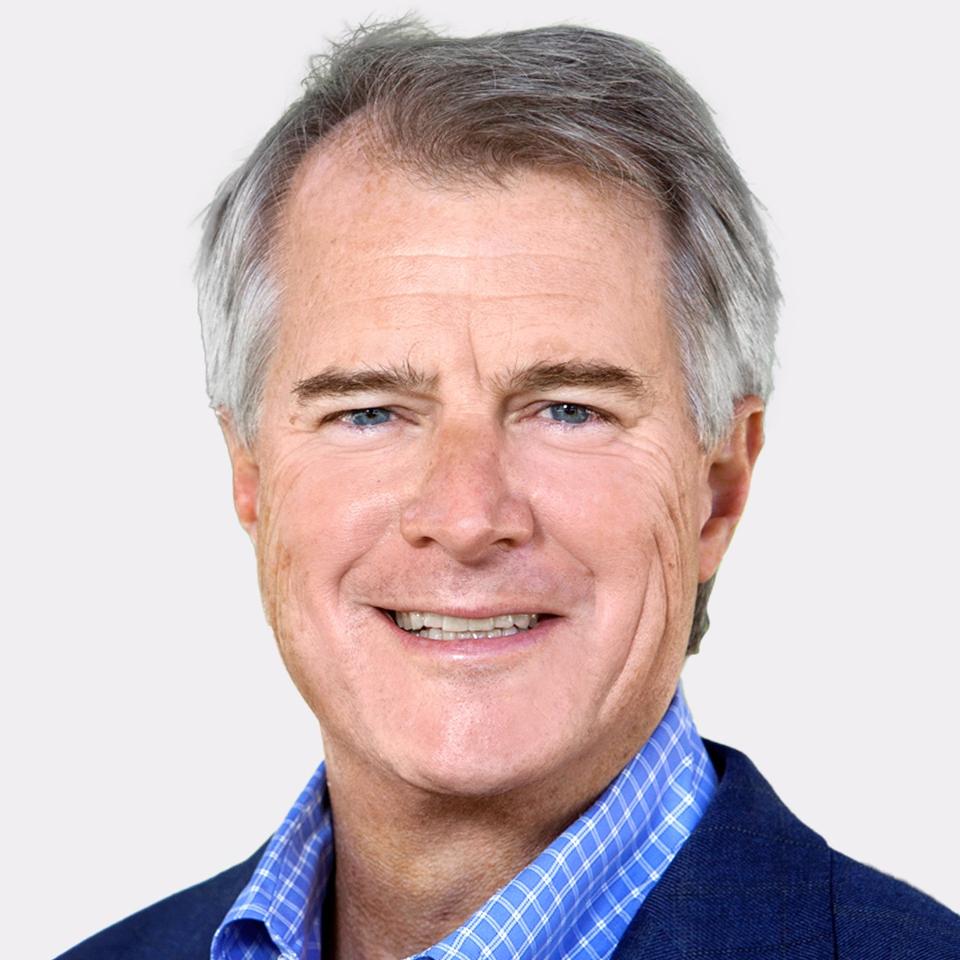
Longtime venture capitalist Stevens was a partner at Sequoia Capital when the firm invested in PayPal, LinkedIn, Google and, of course, Nvidia—back in 1993, when Nvidia was founded and the entire company was worth just $7 million, according to PitchBook. He served on Nvidia’s board from 1993 to 2006, and then rejoined again two years later. Stevens also owns a minority stake in the NBA’s Golden State Warriors, where he is a member of the ownership group’s executive board. He left Sequoia in 2021, and now primarily invests through his own firm, S-Cubed Capital.

3. Tench Coxe
Role: Venture capitalist and director
Nvidia stake (0.1%): $4.7 billion (down $2.1 billion)
Net Worth: $7 billion (down $2.2 billion)
Like Stevens, Coxe was a VC, representing early investor Sutter Hill Ventures. He too joined Nvidia’s board the year the company was founded. While he left Sutter in 2020, he never left Nvidia, and is now in his fourth decade as a director. He has also been a shareholder at software firm Snowflake, which Sutter Hill backed.

4. Harvey Jones
Role: Venture capitalist and board chairman
Nvidia stake (0.03%): $1.2 billion (down $500 million)
Net Worth: $1.7 billion (down $500 million)
Jones, who joined Nvidia’s board with Stevens and Coxe in 1993, has been an entrepreneur, high tech executive and venture investor for more than three decades. He cofounded tech companies Daisy Systems in 1981 and Tensilica in 1997—and served as CEO of electronic design automation company Synopsys, which is now worth more than $80 billion. These days, he is primarily an investor through his firm, Square Wave Ventures. On Thursday, he was appointed as Nvidia’s first-ever chair of the board.

5. Colette Kress
Role: Chief financial officer and interim CEO
Nvidia stake: (0.018%): $700 million (down $300 million)
Net Worth: $900 million (down $300 million)
Nvidia’s executive vice president, chief financial officer and new interim CEO, Kress joined the chip giant in 2013, when revenue was just $4.3 billion. She has since helped oversee one of the biggest revenue ramp-ups in history: in the year through January, Nvidia had $216 billion of revenue, 50 times what it was a decade ago. Kress reportedly joined Nvidia after the endorsement of her two young sons, aged 8 and 10 at the time, who knew the company for designing the chips that powered their favorite computer games. Prior to Nvidia, Kress spent three years as CFO of a Cisco division and 13 years at Microsoft.

6. Brooke Seawell
Role: Venture capitalist and director
Nvidia stake: (0.018%): $700 million (down $300 million)
Net Worth: $900 million (down $300 million)
Seawell joined Nvidia’s board back in 1997 when he was executive vice president at NetDynamics, an application server software company acquired in 1998 by Sun Microsystems. He pivoted to venture capital in 2000, first as a partner at Technology Crossover Ventures and later at New Enterprise Associates. Over his long career—25 years as an operating executive and nearly as many as a VC, he’s been involved in at least 12 public offerings including Nvidia and data visualization company Tableau, as well as at least 13 acquisitions. Seawell is also an avid cyclist who has taken two dozen cycling vacations around the world. According to him, “It’s an in-depth way to experience a place or region.”

7. Jay Puri
Role: Former executive vice president of worldwide field operations
Nvidia stake: (0.015%): $600 million (down $300 million)
Net Worth: $900 million (down $300 million)
Before retiring in August and transitioning into an advisory role, longtime Nvidia employee Puri served as executive vice president responsible for the company’s worldwide field operations including its go-to-market strategy. He joined Nvidia in 2005, after spending 22 years at Sun Microsystems—where Nvidia cofounders Curtis Priem and Chris Malachowsky also worked before leaving to create Nvidia. Priem left the company more than 20 years ago and either sold or donated all of his Nvidia shares by 2007, he told Forbes in 2023. It’s not clear what Malachowsky has done with his Nvidia shares since coming off the company’s proxy filings two decades ago. He hasn’t been required to disclose his Nvidia share sales or holdings since 2002, but still works at Nvidia as a fellow.
Want to see more Forbes articles on your feed? Tap here to make Forbes Australia a preferred source on Google.
Look back on the week that was with hand-picked articles from Australia and around the world. Sign up to the Forbes Australia newsletter here or become a member here.