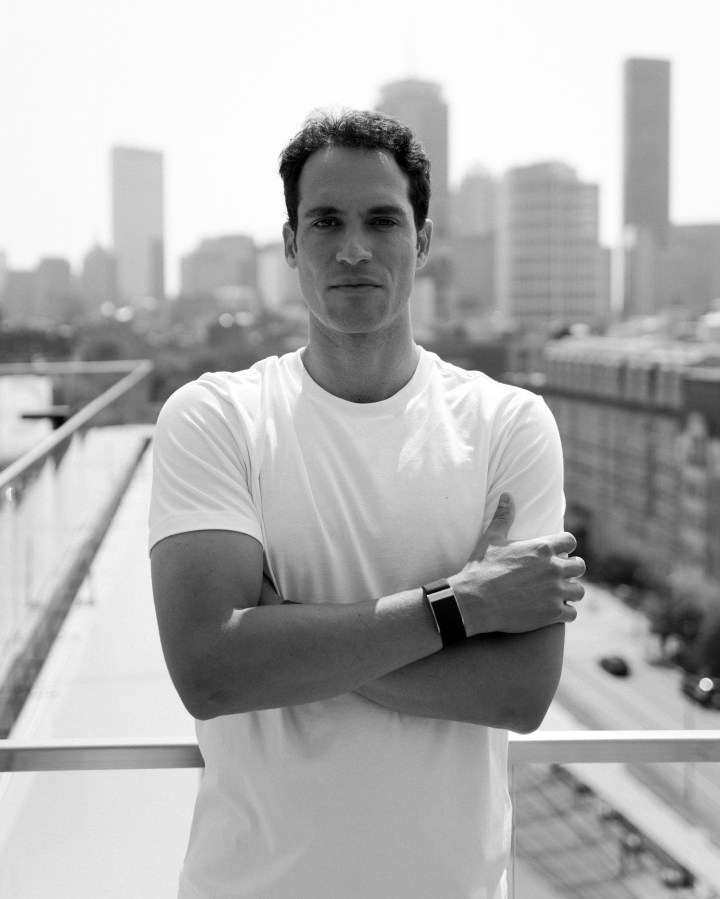
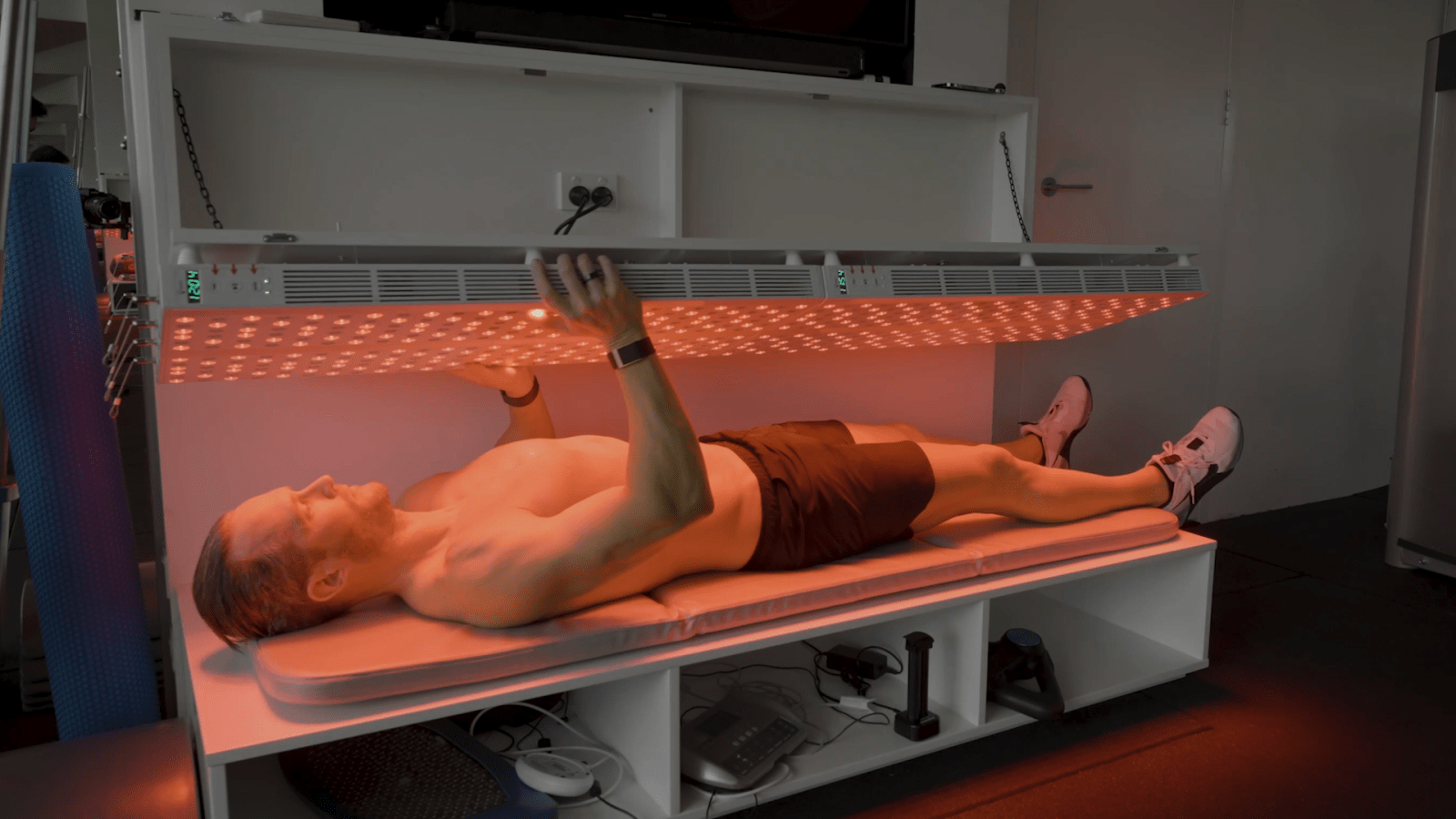
Whoop made a big splash at this year’s Australian Open. Now the wearable is gaining traction across AFL and NRL teams as the Boston-based company reaches decacorn status.
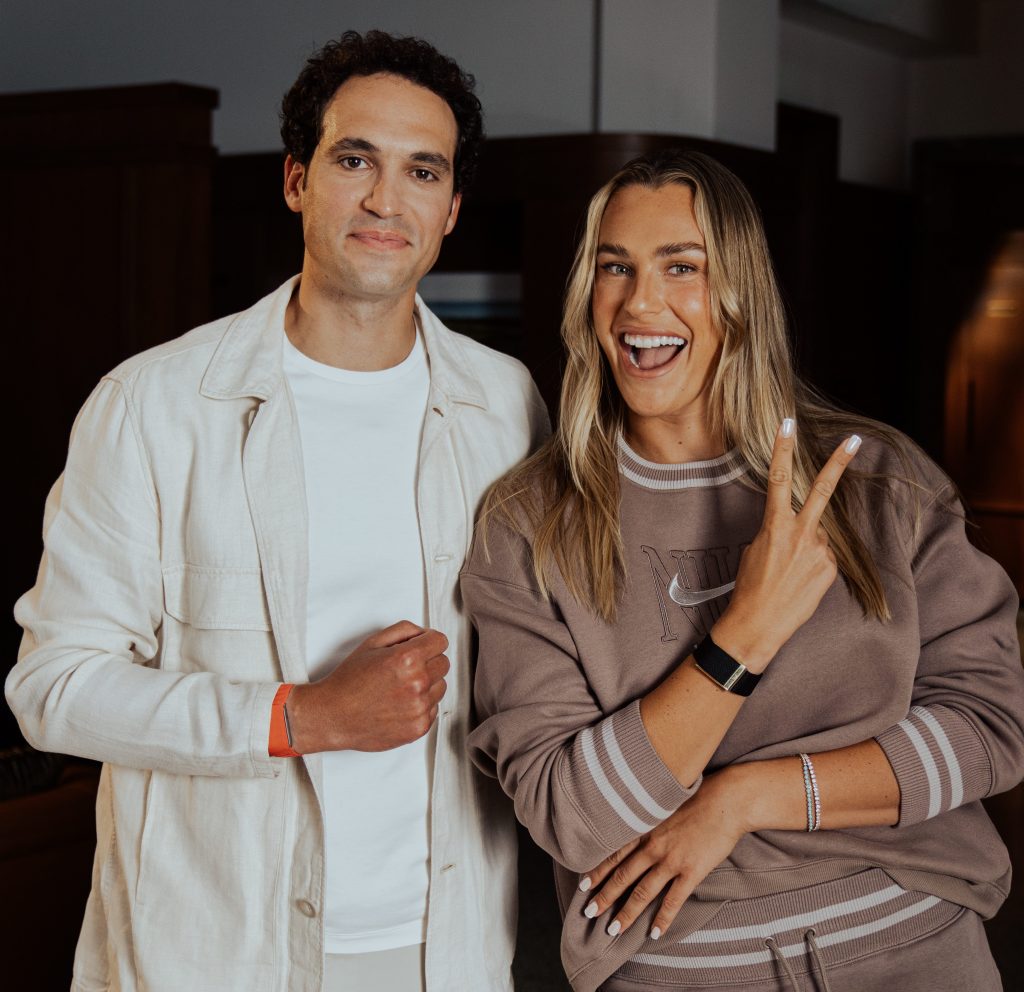
During a high-stakes quarter-final match at Melbourne Park in January, world No. 1 Aryna Sabalenka was ordered by an umpire to remove a Whoop device from her arm.
She was not alone; defending champion Jannik Sinner and men’s world No. 1 Carlos Alcaraz faced similar directives, sparking a debate between athlete autonomy and sporting governance.

US-based Whoop founder and CEO Will Ahmed did not stay quiet, taking to X to label the situation “ridiculous” and framing the ability to glean data from one’s own body as a reasonable part of professional sport.
While the devices remained out of bounds at the AO, the Australian Therapeutic Goods Administration (TGA) has taken a different approach. It gave Whoop its “tick of approval” in July last year, granting medical clearance, and allowing Australian users to access new ECG and heart rhythm features.
Today, Whoop has further strengthened its position in the Australian market by forging partnerships with the Brisbane Lions AFLW team, the Sydney Roosters NRL team, and Australian entrepreneur Mark Bouris. International athletes Rory McIlroy and LeBron James are not just fans of the technology, but also long-time investors.
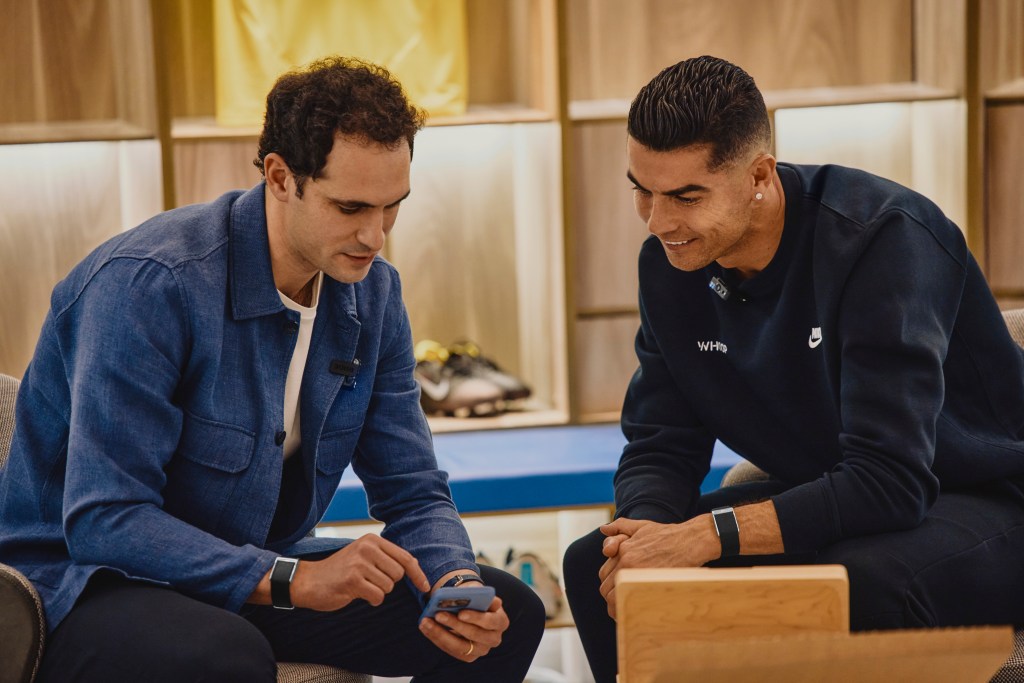
Also sitting on the cap table is soccer superstar Cristiano Ronaldo.
“WHOOP has become one of the most important tools I use to support my long-term health,” Ronaldo said this week, amid news he participated in the $840 million Series G fundraise.
“I am proud to participate in this round because I believe in the future we are building together. No other company has created a health platform this powerful that people are proud to wear.”
There are now more than 2.5 million users in 56 countries, according to the company. This latest round of capital takes the total amount raised to $1.3 billion, and values the company at AU$14.7 billion.
New York’s Collaborative Fund led the round, and the Qatar Investment Authority, UAE’s 2PointZero Group, US Mayo Clinic and Australia’s Macquarie Capital participated.
The teenage decacorn
Founded by Will Ahmed in Boston in 2012, Whoop has long had aspirations to transcend its status as a simple wearable and instead ‘unlock human healthspan.’ The company does this by not just looking backwards at the day’s collected data, but by tapping into its aggregated 24 billion hours of physiological data to project a user’s future health.
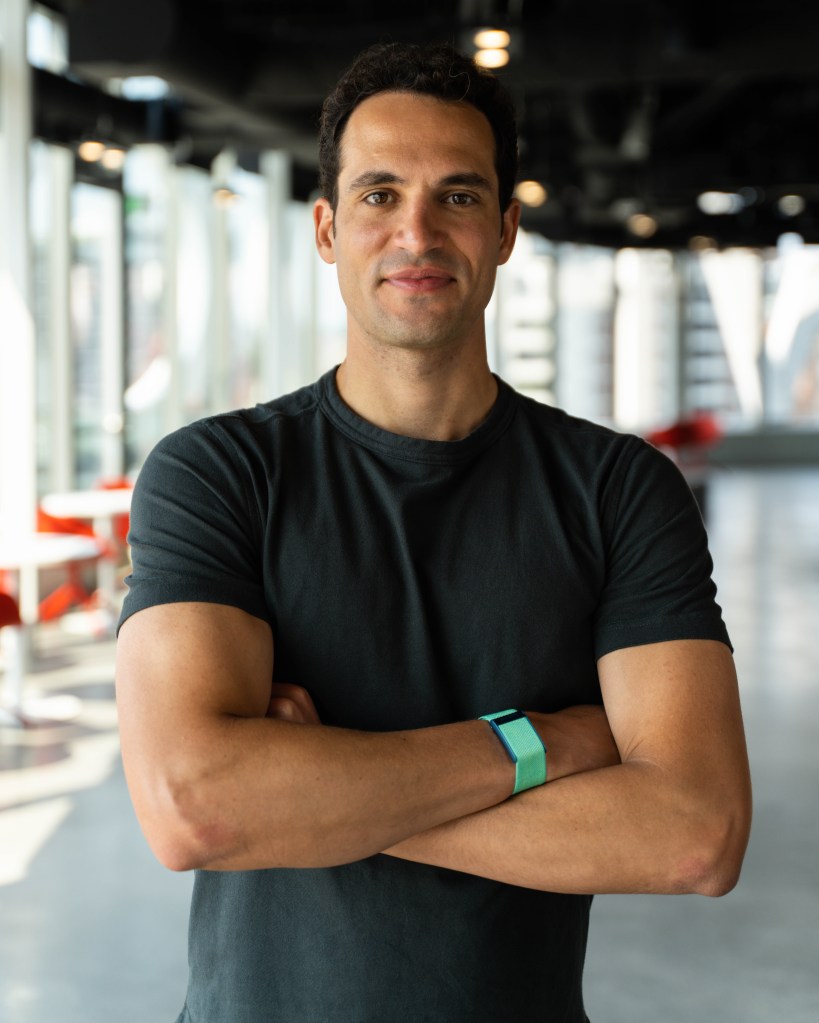
“We are building the personal health platform that people use to improve their health and livelihood,” explains Ahmed.
“Members open the app an average of over eight times per day – almost three times higher than other screenless wearables – to understand how they slept, whether they are recovered, how hard to push or pull back, and how daily behaviors like training, nutrition, and stress are impacting their performance and long-term health,” the company states.
“These insights go beyond sleep and fitness, helping members identify early warning signs, reduce risk, and take action that can prevent serious health events.”
Ahmed was just 22, and captain of Harvard’s squash team, when he started the company.
“I used to over-train. You get fitter and fitter, then, all of a sudden, you fall off a cliff and you don’t know why,” Ahmed told Forbes Australia’s Mark Whittaker in 2025.
“So I got very interested in physiology. I read a lot of medical papers about what you could measure on the human body, and I realized that there were a lot of metrics that really could explain what was happening to your body, whether it was getting fitter, whether you were run down, but the technology to do those measurements was pretty antiquated, cumbersome, and expensive.”
Fourteen years later, and the wearable not only clocks those statistics, but is moving into preventative health.
“Chronic disease is rising globally, while many healthcare systems remain built for reactive care. At the same time, advances in AI and continuous biometric data are enabling a fundamentally new approach that predicts risk, guides behavior, and improves health in real time,” the company states.
“WHOOP has spent over a decade building toward this moment.”
Want to see more Forbes articles on your feed? Tap here to make Forbes Australia a preferred source on Google.
Look back on the week that was with hand-picked articles from Australia and around the world. Sign up to the Forbes Australia newsletter here or become a member here.