The 188-year-old Australian department store chain has entered voluntary administration after failed negotiations with landlords, with stores set to continue trading as receivers review the business.
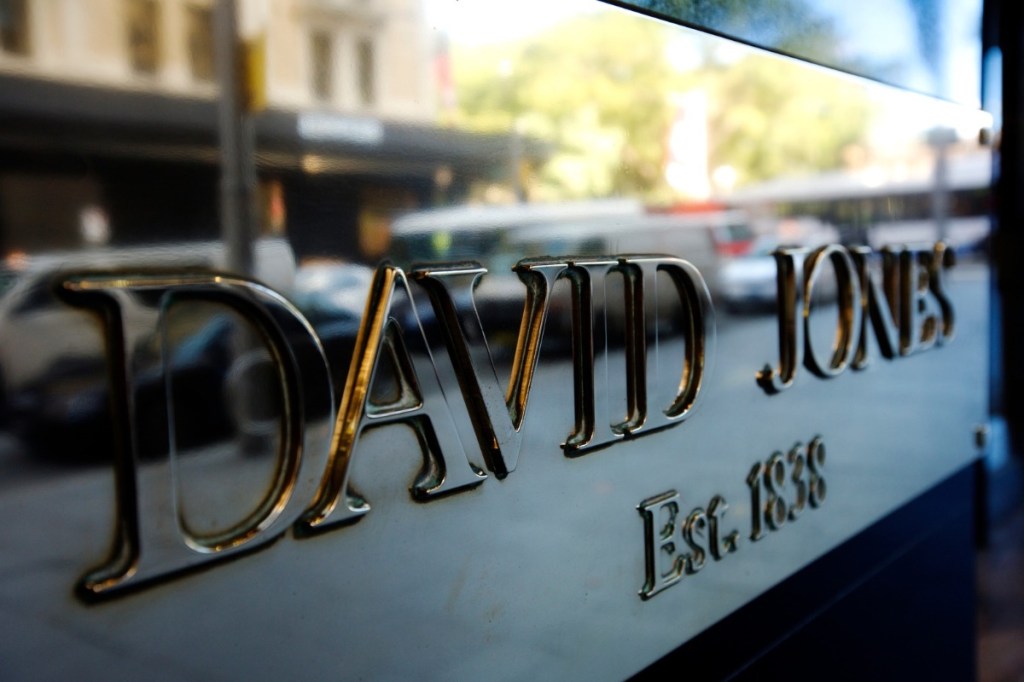
Key Facts
- David Jones has entered voluntary administration for the first time in its 188-year history, with McGrathNicol appointed as voluntary administrator and FTI Consulting taking control of the retailer’s operations as receiver and manager.
- The retailer’s physical and online stores will continue trading as receivers review its operations, with a potential restructuring carrying implications for its more than 6,000 employees across Australia and New Zealand.
- The collapse follows failed negotiations with major landlord Scentre Group, which houses 17 of David Jones’ 38 stores across its Westfield shopping centres. Scentre chief executive Elliott Rusanow said the retailer had not paid rent since 30 September and had rejected an offer aimed at keeping the business trading.
- FTI Consulting senior managing director and receiver Christopher Hill pointed to rising costs, supply chain pressures, a difficult trading environment and a significant, outdated retail footprint as factors contributing to the collapse.
- Administrators will immediately begin seeking offers to recapitalise David Jones or sell the business as a going concern. Chief executive Erica Berchtold said the retailer had developed a plan to restructure its operations and would continue working with administrators, receivers and its secured lender.
Crucial Quote
“David Jones is an iconic company and so many Australians have stories and memories of visiting DJ’s stores and I thank customers, our team members and our partners for their continued support for David Jones through this period,” David Jones Chief Executive Officer Erica Berchtold said.
“We have a well-developed plan on how to reset the business for the future and will be working with the Administrators, the Receivers and our secured lender as we continue to pursue that reset of the business.”
Key Background
David Jones opened its first store on Sydney’s George Street in 1838, growing into one of Australia’s most recognisable department store chains. In 2014, South African retail group Woolworths Holdings acquired the business for $2.1 billion, before selling it to private equity firm Anchorage Capital Partners for less than $100 million in 2023.
Before entering administration, David Jones had been pursuing plans to reduce its store network and reposition itself as an upmarket retailer.
As part of the proposed restructuring, the company reportedly sought to close nine stores in Scentre Group’s shopping centres and exchange $45 million in bank guarantees held by the landlord for equity in the business. Scentre rejected the proposal, while David Jones’ board subsequently turned down the landlord’s counteroffer on Wednesday.
What To Watch For
The receivers are due to outline their plans for the store network this week, and shoppers and staff will be watching closely for which locations stay open.
Closures and job losses have not been confirmed, and any cuts will come down to what the receivers decide.
Anyone holding a David Jones gift card is in a weak position if the business fails, because they rank behind secured lenders for repayment, and consumer groups suggest spending cards sooner rather than later while the doors remain open.
Want to see more Forbes articles on your feed? Tap here to make Forbes Australia a preferred source on Google.
Look back on the week that was with hand-picked articles from Australia and around the world. Sign up to the Forbes Australia newsletter here or become a member here.