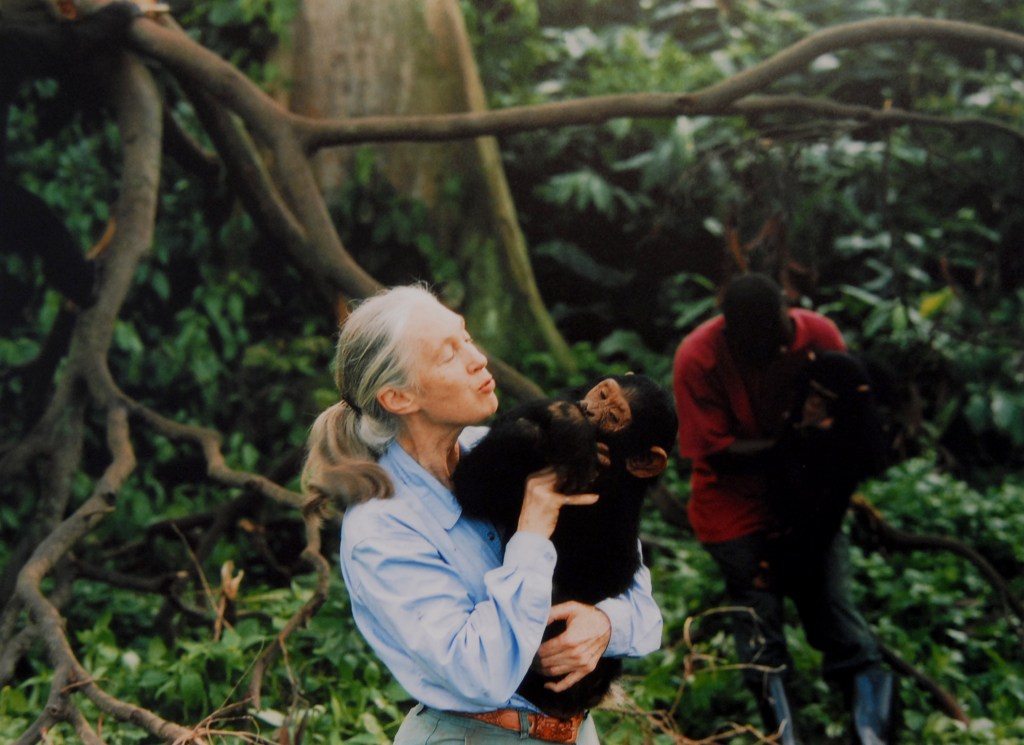
From groundbreaking chimpanzee research to decades of environmental advocacy, Jane Goodall built a career and conservation philosophy around action, hope and the idea that people are more likely to protect the natural world when they feel connected to it.
Key Facts
- Goodall’s central message was that every individual has a role to play in protecting the natural world, and that daily choices can contribute to larger environmental change.
- She often spoke about the connection between hope and action, arguing that hope is meaningful when it motivates people to do something as opposed to becoming apathetic.
- Her conservation model emphasizes individual action as well as working with local communities, recognizing that protecting wildlife and habitats depends on the people who live alongside them and inspiring the next generation to act.
- The Jane Goodall Institute, which she founded in 1977, continues her work through community-led conservation, wildlife research, animal welfare, forest restoration and youth programs.
- Goodall was appointed a United Nations Messenger of Peace in 2002 by then-Secretary-General Kofi Annan, recognizing her work on environmental issues and her efforts to promote a more sustainable world—a position she used to encourage people to see themselves as capable of creating change.
Key Background
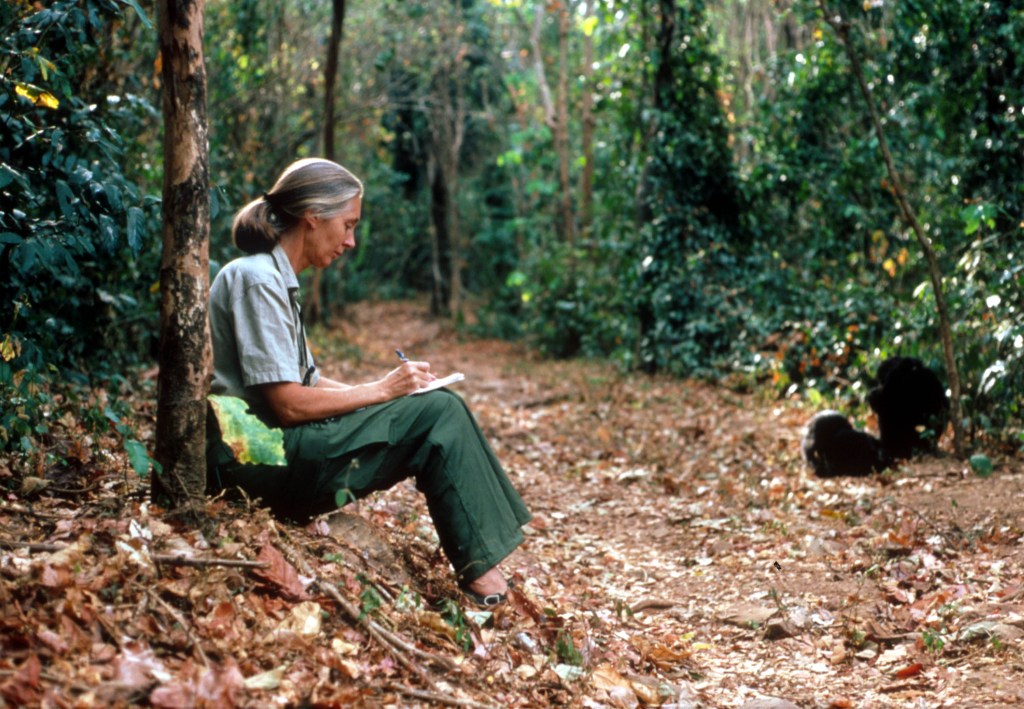
Goodall’s conservation philosophy grew directly out of her scientific work. One of her most consequential discoveries came when she observed a chimpanzee using a grass stem, and later twigs, to extract termites, dismantling the long-held belief that tool use and toolmaking was a defining human characteristic.
After decades of studying chimpanzees, she shifted much of her focus towards conservation and advocacy, raising awareness about habitat loss, wildlife protection and the need for communities to be involved in environmental efforts.
Crucial Quote
“Hope is not about sitting arms folded and hoping that something will happen. Hope is about action,” Jane Goodall said at the 2025 Forbes Sustainability Leaders Summit.
Want to see more Forbes articles on your feed? Tap here to make Forbes Australia a preferred source on Google.
Look back on the week that was with hand-picked articles from Australia and around the world. Sign up to the Forbes Australia newsletter here or become a member here.