Treasurer Jim Chalmers has used the 2026/27 Federal Budget to end the 50 per cent capital gains tax discount, introduce a 30 per cent minimum tax floor and restrict negative gearing to new builds. Founders, venture capitalists and accountants weigh in on what the overhaul means for startups, property investors and private capital in Australia.
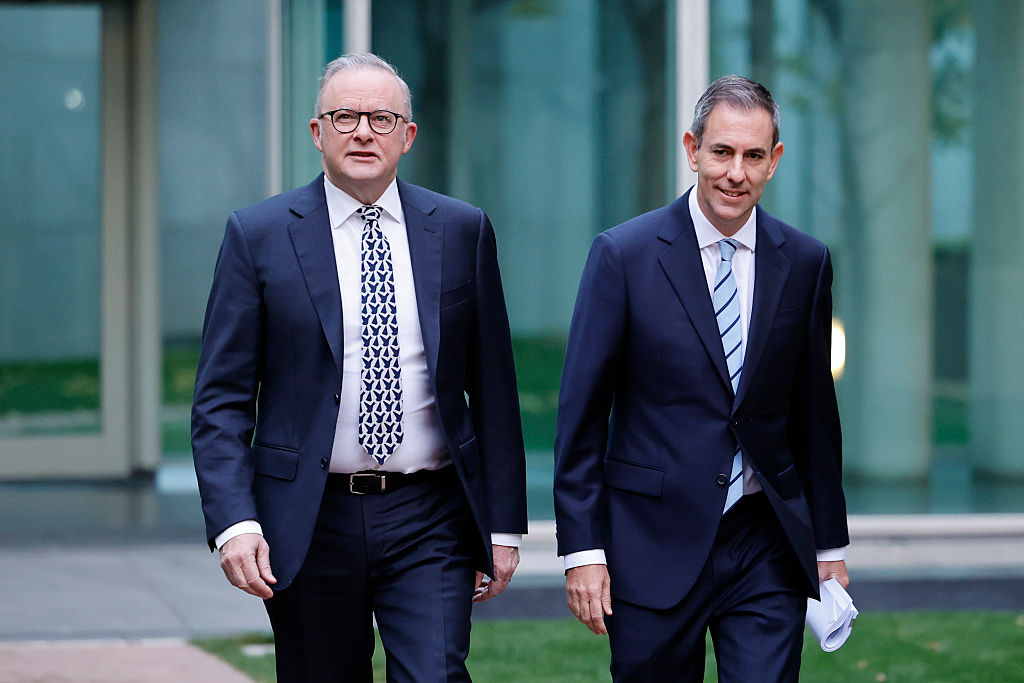
The Federal Government has handed down a 2026/27 Budget defined by the most significant rewrite of Australia’s capital gains and property tax rules in a generation.
The 50 per cent CGT discount has been scrapped for any asset purchased after Budget night, with the new regime to take effect from July 1, 2027.
It will be replaced with an inflation-indexed model where only gains above CPI are taxed. A new 30 per cent minimum tax floor will apply to all capital gains and trust distributions.
Negative gearing has been restricted exclusively to new residential builds, ending decades of tax concessions for investors in established homes. That said, existing assets have been grandfathered, preserving the 50 per cent discount for current owners.
Federal Budget
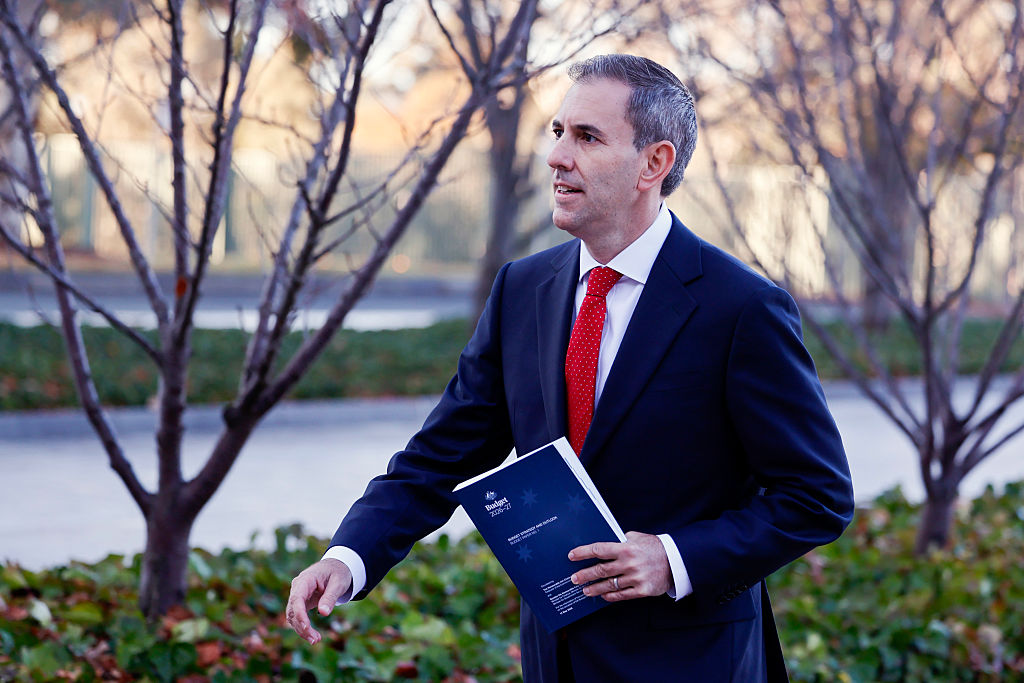
In a move that appears to have caught long-term investors off guard, pre-1985 assets, which have been exempt from CGT for 40 years, will be brought into the tax net. Owners will need to establish a market value cost base for these holdings.
The government has framed the package as a pivot toward intergenerational equity and housing affordability. The response from the innovation and investment sectors has been swift.
Here’s what they had to say.
Steve Baxter – Founder & CEO, Beaten Zone Venture Partners
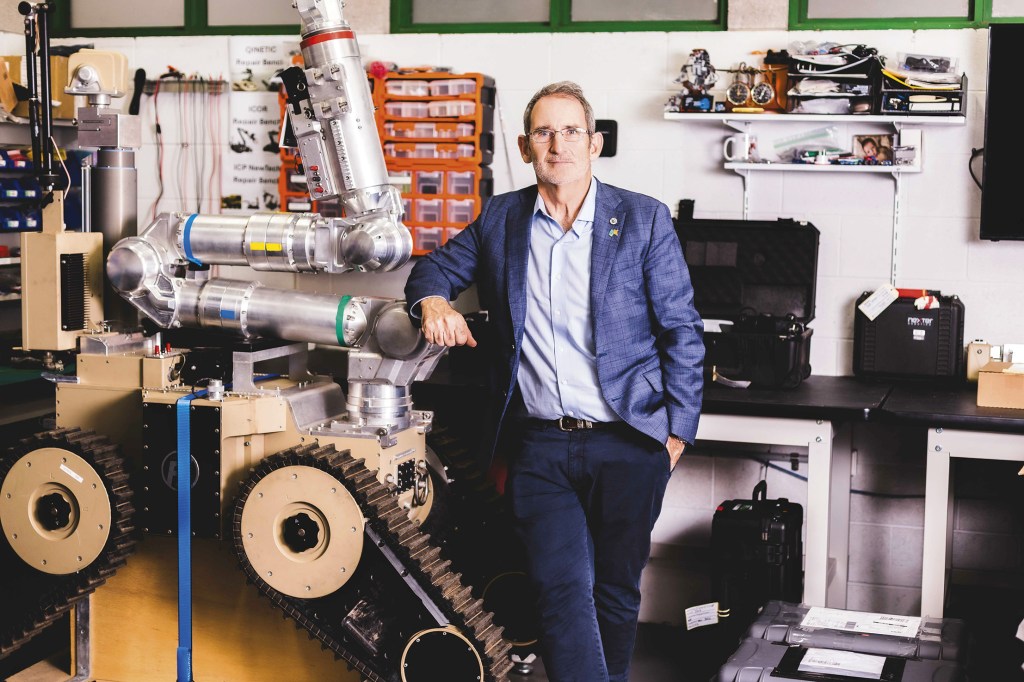
“The decision to replace the 50% CGT discount with an inflation-indexed model, while framed as restoring fairness, risks a significant disincentive effect on private capital formation. Australia competes globally for mobile capital and mobile capital is, by definition, mobile.
“The indexation model also exposes a fundamental misunderstanding of how early-stage companies are built. When a founder or investor backs a startup, the capital base at inception is effectively zero.
“These companies begin with little to no hard assets, no revenue, and no balance sheet to speak of. The entire value creation journey happens over years, sometimes a decade or more, before any liquidity event. Applying an inflation-indexed cost base across that holding period dramatically understates the real return that investors require to justify the risk they took on day one. You are taxing the journey, not just the destination.”
Dr. Thomas Kelly – CEO & Co-founder, Heidi Health

“The Budget acknowledges the link between productivity, innovation and resilience, which is welcome. But recognition is not the same as reform. These changes risk making the tech sector feel like collateral in tax policy design rather than a central focus of Australia’s future economic growth.
“In startups, that opportunity comes through equity. People take lower salaries because they believe in the long-term value of what they are helping build. In the past 12 hours alone, I have had my team asking about relocating overseas because they see these settings as making Australia less competitive for people who want to build ambitious global companies.”
Susan Franks – Australian Tax and Superannuation Lead, Chartered Accountants ANZ
“Tonight’s Budget fundamentally rewrites the rules on capital gains. For the first time in 40 years, pre-1985 assets are being brought into the tax net. The 50 per cent discount is replaced by indexation, and a new 30 per cent minimum tax applies to all capital gains.
“Bringing pre-1985 assets into the tax net for the first time in 40 years is a significant step. Australians who have held assets their entire investment life need clarity and urgent advice on what this means for them. The transitional arrangements will be costly as taxpayers will need to document the market value. Existing investors made long-term decisions based on the old rules and deserve stronger protection.”
Kim Teo, CEO & Co-founder, me&u

“I empathise for the need to make housing more affordable, but seriously perplexed why Australia would want to decelerate innovation at a time when the world is putting two feet on the gas.
“The proposed CGT change (if startup equity is included) would roughly double the tax on a successful founder exit in Australia from an effective ~23.5% today to ~46-47% under the new rules.
“The startup journey is already like eating glass a lot of the time – and while it’s not all about the money, this level of disincentive puts Australia on a back foot – and slowly but surely, entrepreneurs and their kids will leave.
“For the first time in ten years of building here, I’m asking myself a question I’ve never considered before. If I was starting again tomorrow, would I be starting in Australia? Honestly, Singapore (where I was born and my folks live), the US, and even NZ start to look very different.”
Jason Todd – Chief Investment Officer, Ten Cap
“The only thing ‘Big and Bold’ about this budget was in the description. It did nothing to boost productivity that has been languishing for a decade, it did nothing to help bring inflation down – the primary ill of the economy – and it did nothing to boost the growth outlook.
“Before the budget, the biggest issue facing markets was inflation and the need for higher rates to slow the economy. Post the budget, this remains the same at best but more likely has worsened. This budget was more notable for working against the RBA’s objectives rather than working for them.
“There are clearly some areas that have a very small tailwind including contractors who are leveraged into infrastructure but there are offsets for property where demand and prices might fall. This will have flow on implications to the banks where property investment lending is between 30 to 40 per cent of mortgage credit.”
Shaun Broughton, Managing Director, APAC and Japan, Shopify
“Yesterday’s budget moves in the right direction for Australian entrepreneurs – from a permanent instant asset write-off to venture capital reform and measures that support productivity and growth.
“However, the proposed changes to the capital gains tax discount treatment could create a more mixed signal for founders, startup employees, and growth investors. For founders who spend years building something from nothing, the long-term incentive structure matters, not only the cost of starting, but the rewards for scaling and succeeding.
“Productivity doesn’t come from big business alone. The businesses launching right now are Australia’s next wave of employers and exporters. When small businesses can reinvest, adopt new tools, and reach new markets, that’s not just good for them – it’s good for the whole economy.”
Will Richardson, Managing Partner, Giant Leap
“This is a Federal Budget that for the first time in a long time, meaningfully recognises the startup industry. It’s been carved out in the papers from small business, and that’s something the industry should celebrate, and a trend that will hopefully continue in future budgets.
“The policy on everyone’s lips is the changes to Capital Gains Tax, given there’s no current exemptions for startups and growth companies. We want to see what consultation from government means before leaping into a verdict on it. That this is plainly spelt out in the papers, in our eyes, is promising.
Devika Shivadekar, Economist, RSM Australia
“On the macro front, this is one of the more responsible budgets we’ve seen in recent years.
“It’s mildly expansionary without being reckless and there’s a clear intent to keep fiscal policy from cutting across the grain of monetary policy, and the cost-of-living measures are sensibly structured.
“Tax cuts for workers, healthcare support, fuel excise relief and homeowner provisions work through the system rather than landing as direct cash handouts, which reduces the inflationary sting.”
Want to see more Forbes articles on your feed? Tap here to make Forbes Australia a preferred source on Google.
Look back on the week that was with hand-picked articles from Australia and around the world. Sign up to the Forbes Australia newsletter here or become a member here.