Nine of the top 10 passports in the world are European, according to the new Global Citizens Solutions rankings. Australia slipped to 28th this year, after peaking at 16 in 2022. Here’s why.
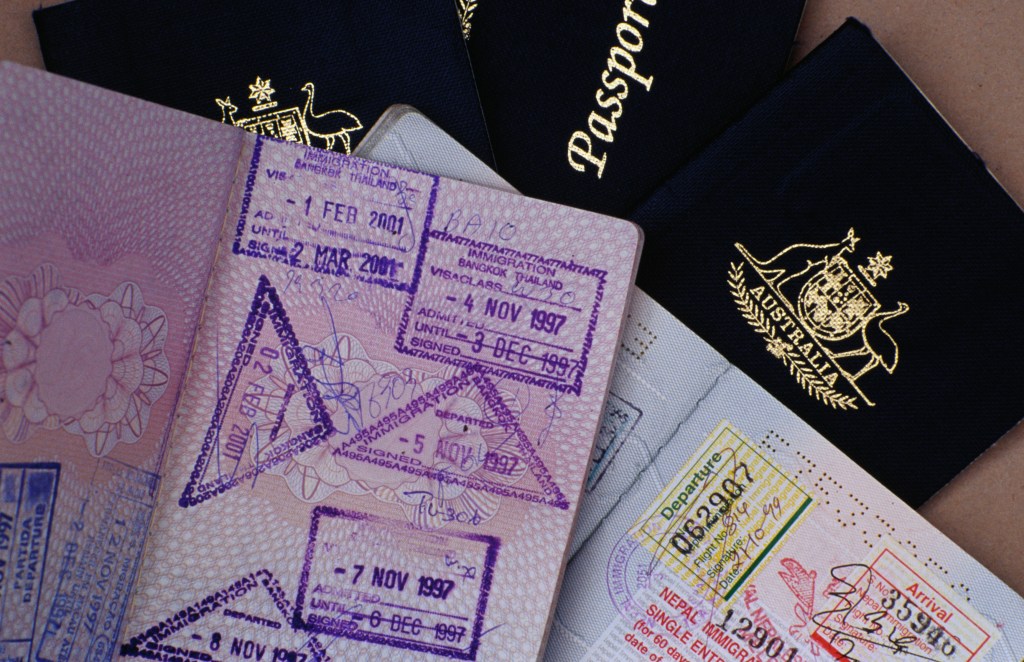
When it comes to quality of life, the countries that rank highest in a study released this week, are all a part of either the Commonwealth or the EU. New Zealand, Canada and the UK all place in the Top 10 in the 2026 Global Citizens Solutions rankings. Australia is relegated to 16th position, behind Portugal, Ireland and Austria.
When factoring in Mobility and Investment metrics – the number of destinations passport holders can access without a visa, and how attractive a passport is for investment opportunities abroad – Australia drops even further in the rankings, to 28th globally.
It is a 12-position backslide from 2022, when Australia peaked in 16th position in the Passport Power rankings. And it’s worth asking, what has changed over the last four years?
“The cause sits squarely in the mobility component,” the Global Citizens Solutions report posits. “In the wake of the pandemic, a wave of bilateral visa re-impositions chipped away at the visa-free access these passports once enjoyed, and their formidable domestic strengths – quality of life, income, governance – could not fully offset the loss.”
Yet there is more to it. Why is Australia so far behind its Commonwealth brothers in the quality of life ranking?
The answer lies in the 2026 UN Sustainable Development Goals Index, the Cato Institute Human Freedom Index, and the Global Peace Index – which weighs a nation’s military footprint and ranks New Zealand second and Australia 20th. On all of these measures, New Zealand outranks its larger westerly neighbour.
Yet, when looking at another set of liveability rankings released this week, Australia shines bright. Three out of the 10 Most Liveable Cities in the world are located on our shores. The Economist Intelligence Global Liveability Index ranks Melbourne as the third most liveable city, Sydney as the fourth, and Adelaide eighth.
That list echoes many of the themes presented in the Passport Index, and also place European nations at the top.
“Copenhagen, Denmark, remains the world’s most liveable city, edging out Vienna, Austria, and
Melbourne, Australia, which are in second and third place respectively. The rest of the top ten is
dominated by cities in wealthy countries such as Australia, Canada, Japan and Switzerland,” Economist analysis states.
There are some fluctuations in the most recent rankings, however, which found that Western Europe is maintaining its position as the strongest region, despite Zurich dropping from third place. The Swiss financial capital placed ahead of Melbourne in 2025, but now finds itself in fifth place, behind Sydney.
Asia, on the other hand, is rising in the global rankings, with nine cities making the cut into the Top 20 Most Liveable around the globe.
“The concept of liveability is simple: it assesses which locations around the world provide the best or the worst living conditions. Our liveability rating quantifies the challenges that might be presented to an individual’s lifestyle in any given location, and allows for direct comparison between locations.”
Want to see more Forbes articles on your feed? Tap here to make Forbes Australia a preferred source on Google.
Look back on the week that was with hand-picked articles from Australia and around the world. Sign up to the Forbes Australia newsletter here or become a member here.