From a mental health hiatus to motherhood, Naomi Osaka’s feet are now firmly back on the court and vying for Grand Slams. This time, she’s doing it her way.
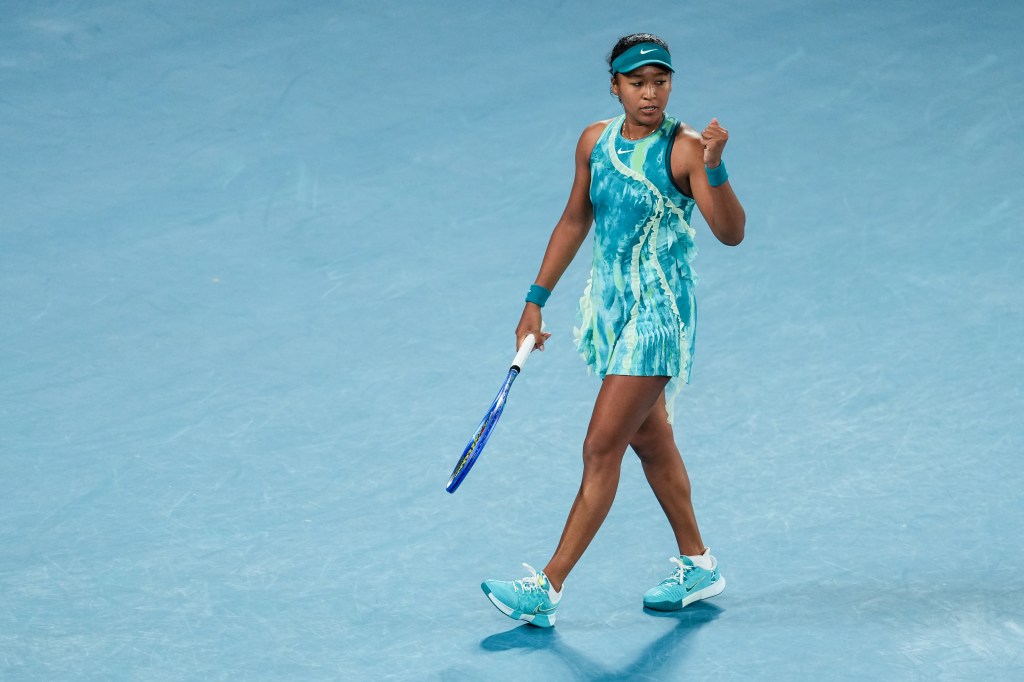
A new sense of equilibrium marks Naomi Osaka’s return to Melbourne.
Between matches, she takes bike rides along the coastal paths of Port Phillip Bay and navigates the city’s retail scene, which she describes as impressive and eclectic. An enthusiast of the local food culture, she remains protective of her specific haunts. “I mean, the restaurants, I’m gonna gatekeep,” Osaka tells Forbes Australia with a laugh.
But as she competes in this year’s Open, these established routines have a new emotional centre. Osaka now FaceTimes her daughter, Shai, from the practice court chair, and scouts children’s bookstores that they can visit together in years to come.
It is a new phase for the 28-year-old tennis sensation, who was born in Osaka, Japan, and fine-tuned her game on the public courts of Florida. Having moved to the United States at three, her father, Leonard Francois, modelled her training on the blueprint created by Richard Williams for Venus and Serena – eschewing the traditional junior circuit to build a game based on power and self-reliance.
Twenty-years later, and now in the second chapter of her career, Osaka is a four-time Grand Slam winner, a published author, an investor, and a mother.
A foundation of mental strength
The poise Osaka shows today is the result of a deliberate shift in how she approaches the game. After stepping away from the tour in 2021 to prioritise her well-being, Osaka’s journey has been one of gradual rebuilding.
She made a brief return in early 2022 before a second hiatus to prepare for the birth of her daughter. Her post-maternity comeback began on New Year’s Day, 2024, at the Brisbane International.
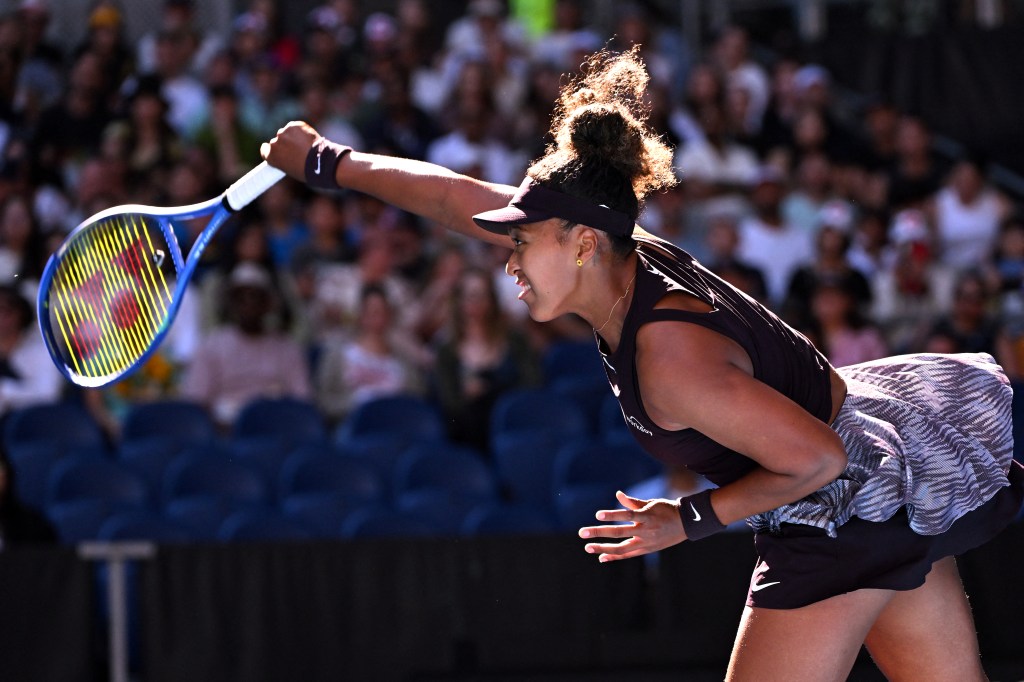
During her time away from the court, Osaka found a necessary reset. She has been open about wondering if motherhood would mean the end of her tennis career. Instead, it provided a perspective that has become a core part of her game, and an ability to prioritise the longevity of her career and her mental health.
Life beyond tennis
Parallel to her return to the court, Osaka has expanded her business portfolio with a focus on storytelling. Her Emmy-nominated media company, Hana Kuma, recently entered a partnership with REVOLT Sports to produce a slate of original content. The collaboration centres on athlete-led formats – including interviews and behind-the-scenes access – that highlight the entrepreneurial and cultural influence of women in sports.
Her investment portfolio has evolved over the last 12 months, too. In August 2025, Osaka exited from her investment in the plant-based meat brand Daring, following its acquisition by Australian firm v2food. She participated in a $65 million funding round for the company in 2021.
She is an investor in the mental health platform Modern Health, which achieved a valuation of USD $1.17 billion in 2023, started her own skincare brand called Kinto, and was a backer of recovery technology company Hyperice. In 2022, she co-founded the Evolve talent agency, which represents fellow professional players Nick Kyrgios and Aryna Sabalenka.
The sideline cheerleader
Perhaps Osaka’s greatest supporter, however, is her daughter Shai. While the toddler did not make the flight to Australia this year, her presence is felt in Osaka’s daily routine. Osaka spoke about hearing her daughter’s voice over FaceTime during practice sessions, calling out “go mommy, go.”
When asked what she would want to show Shai in Melbourne, Osaka’s focus shifted to the city’s quieter corners. “I heard there’s a place that you guys have here that has penguins,” Osaka said. She is also on the lookout for children’s bookstores, where she hopes to take her daughter during trips to Melbourne in the future.
This connection to stories and play is a consistent thread for Osaka, who is herself a published children’s author. Her 2022 book, ‘The Way Champs Play,’ was written to encourage young girls to find confidence through sport. Last year, Osaka was the subject of the Apple documentary ‘The Second Set,’ chronicling her return to tennis 6 months post-partum.
On her own terms
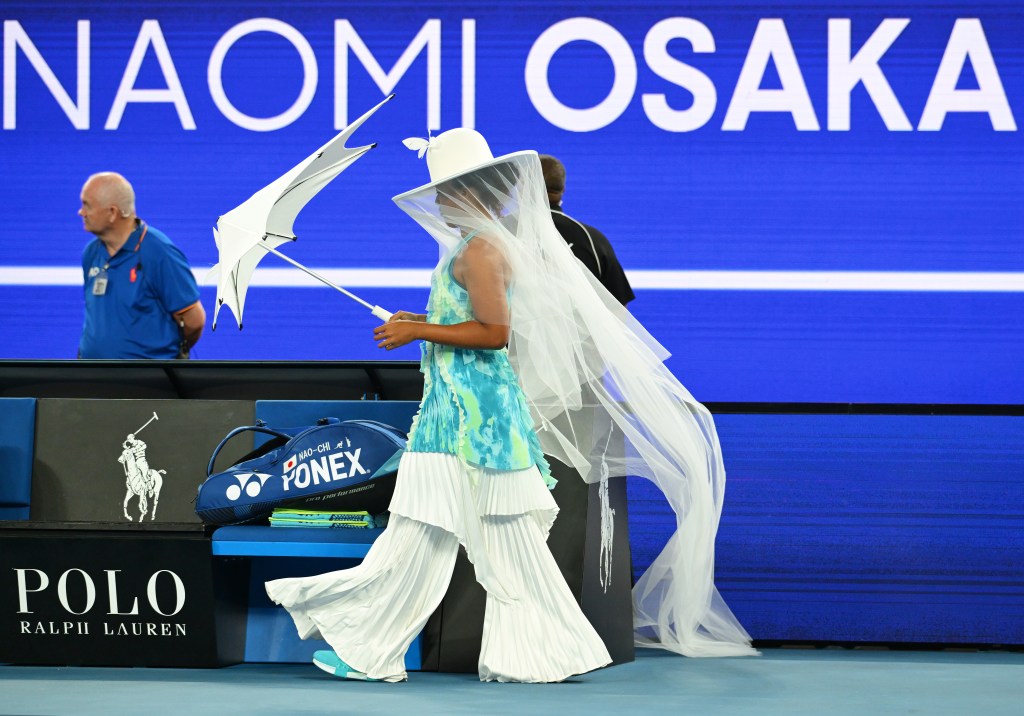
This week, Osaka made a splash in the fashion arena. She stepped onto the court at Rod Laver Arena in a jellyfish-inspired ensemble – a collaboration with Nike and designer Robert Wun inspired by storytime with Shai. The outfit included a veil, a parasol in shades of turquoise and green, and a wide-brimmed, butterflied hat which she said was a nod to the 2021 AO match in when a butterfly landed on her face.
In a post-match interview, Osaka explained that the outfit was a way to reclaim her own narrative. She noted that while others often try to define her story, this felt like a moment where she could make her own choices. Her New Years resolution, she says, is to be unapologetically herself.
The pressure of being a global athlete and a representative for Japanese tennis – intensified this month by Kei Nishikori’s withdrawal from the AO due to injury – remains. Yet, in the first week of the AO 2026, Osaka appears carefree and grounded.
So far, results on the court align with that assessment, winning her opening match against Croatian Antonia Ruzice 6-3, 3-6, 6-4 to advance to the second round.
As she prepares for her match against Sorana Cirstea – the Romanian veteran on her farewell tour – Osaka is approaching this stage of her career with a level of self-assurance that comes from knowing her worth is not tied solely to the scoreboard.
Moving through the draw in Melbourne, she says she is playing for herself, her country, and her daughter. She returns to the world stage as a more intentional version of the player who first took home the Happy Slam’s Daphne Akhurst Memorial Cup five years ago.
Look back on the week that was with hand-picked articles from Australia and around the world. Sign up to the Forbes Australia newsletter here or become a member here.