Fifty years after its launch, the Rolex Awards for Enterprise continue to fund projects still in progress, with the 2026 Laureates tackling challenges spanning biodiversity loss, disease prevention and ecosystem protection.
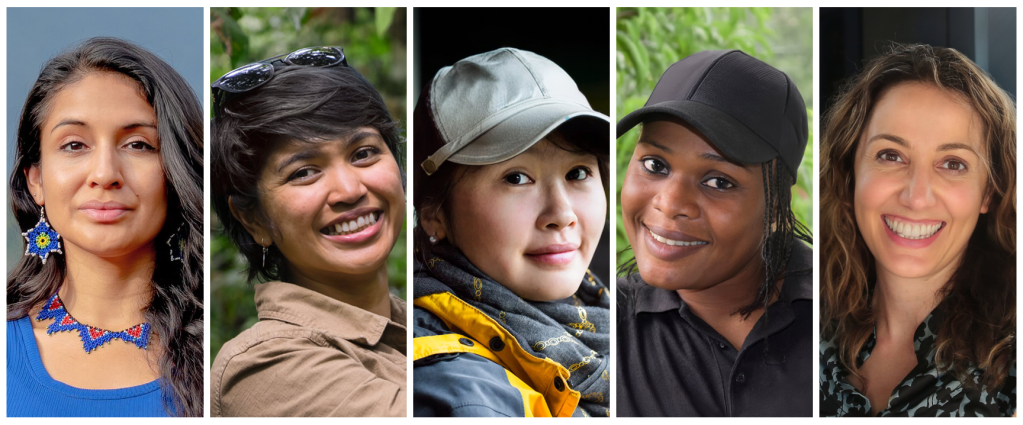
Rolex has announced the five Laureates of its 2026 Rolex Awards, marking 50 years since the programme was established to support scientists, conservationists and researchers working on projects with long-term global impact.
The anniversary also brings structural changes. The programme, previously known as the Rolex Awards for Enterprise, has been renamed the Rolex Awards and will now run annually rather than every two years, expanding support across environmental conservation, science, health and technology.
Founded in 1976, the Awards were created to back individuals pursuing projects still in development rather than recognising completed achievements. Since then, 165 Laureates representing more than 50 nationalities have carried out work across 67 countries, with projects ranging from ecosystem protection to medical innovation.
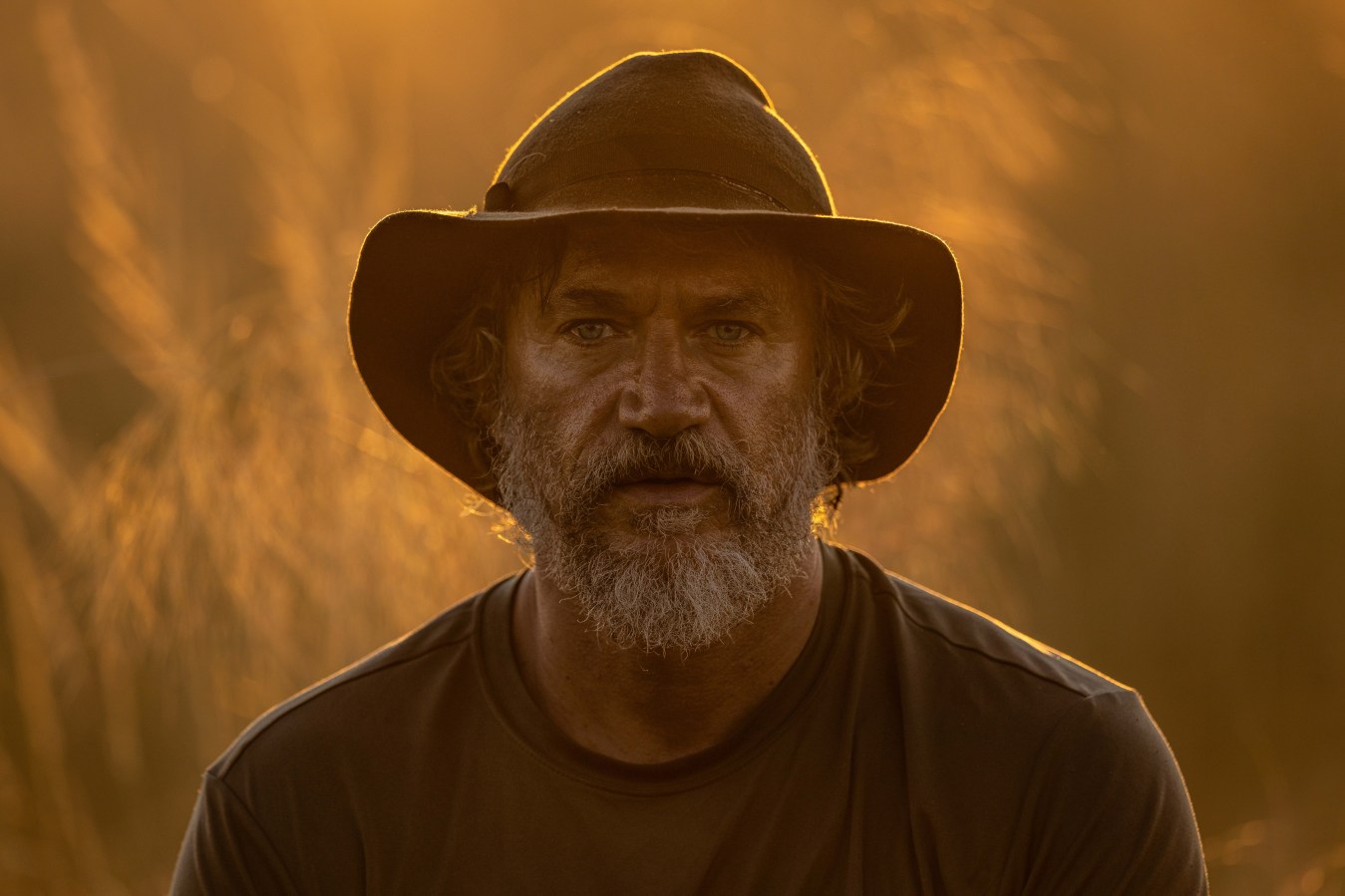
As part of our ‘Ideas to Save the Planet’ series, Forbes Australia has spent the past six months examining the work of several previous Laureates, including coral scientist Emma Camp (2019), whose research into heat-tolerant corals is informing reef restoration efforts as ocean temperatures rise; social entrepreneur Felix Brooks-church (2021), whose flour fortification technology delivers essential micronutrients through small rural mills across East Africa; and oceanographer Steve Boyes (2019) whose Great Spine of Africa expeditions are mapping and protecting the continent’s most vital river systems to ensure water security for millions.
Data released alongside this year’s announcement highlights the cumulative impact of the programme. Laureates’ projects have contributed to the planting of more than 50 million trees, the protection of 137 endangered species and 32 major ecosystems, including 57,600 square kilometres of Amazon rainforest. The work has also produced dozens of new technologies and supported millions of people globally through conservation, health and scientific initiatives.
The Awards sit within Rolex’s Perpetual Planet Initiative, launched in 2019 to reinforce the company’s commitment to help protect the planet for future generations.
The 2026 cohort spans five countries and focuses largely on biodiversity protection, community-led conservation and public health preparedness.
Binbin Li

Conservation scientist Binbin Li is working in central China, where livestock grazing overlaps with mountainous bamboo forests that support the remaining wild giant panda population. Fewer than 2,000 giant pandas are believed to live in the wild, and conservation efforts increasingly depend on managing human land use alongside habitat protection.
Li collaborates with local communities to develop sustainable grazing systems designed to reduce ecological pressure while maintaining rural economic stability. The Rolex Award will support the expansion of these approaches across several mountain ranges, scaling models intended to protect panda habitats while supporting local economies.
Farwiza Farhan
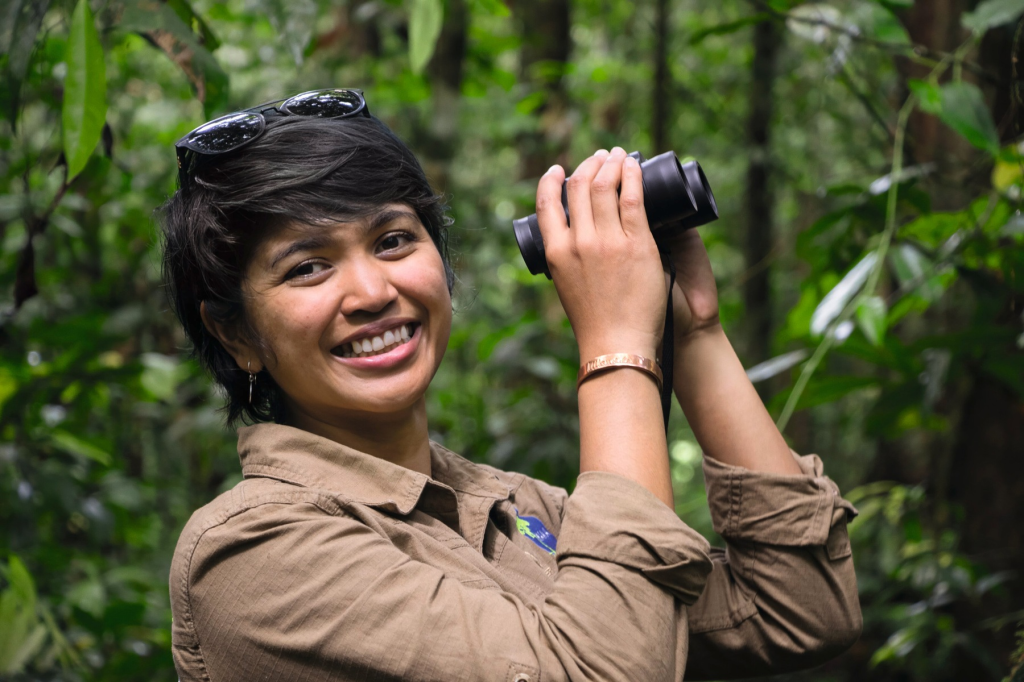
Forest conservationist Farwiza Farhan operates in Indonesia’s Leuser Ecosystem, the last place where elephants, tigers, orangutans and rhinoceros still coexist in the wild. The region faces sustained pressure from development and deforestation, threatening one of the world’s most biologically significant landscapes.
Farhan has led campaigns aimed at preventing ecosystem destruction while building monitoring programmes led by local communities. Her work focuses on enabling women and grassroots organisations to oversee conservation efforts directly. Funding from the Rolex Award will support expanded training and community-led protection initiatives across the region.
Pardis Sabeti
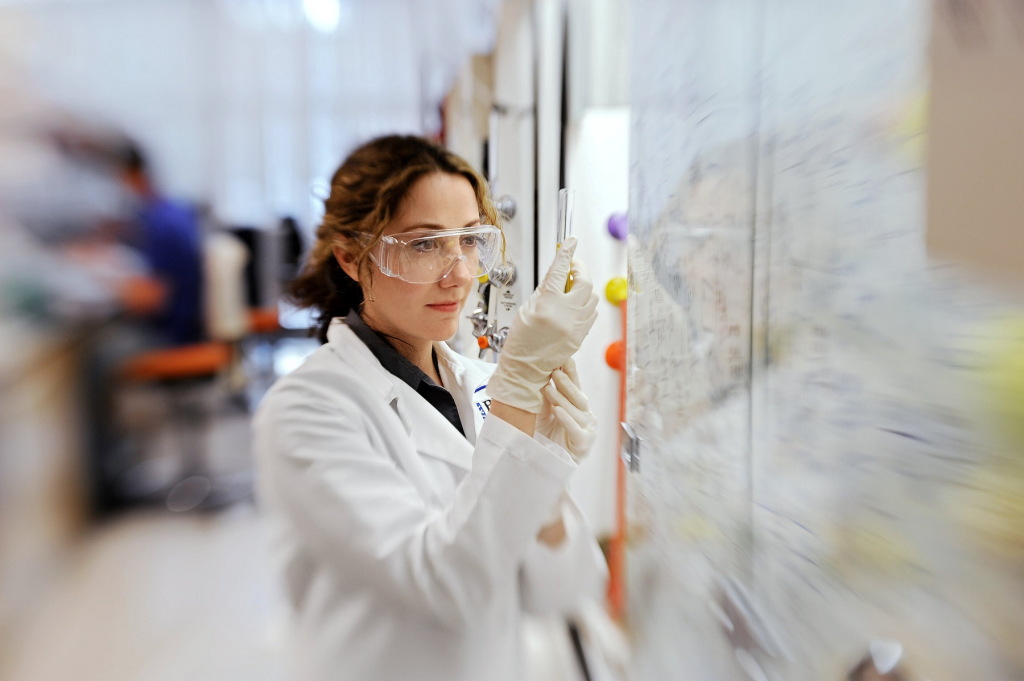
Medical geneticist Pardis Sabeti has spent decades working on viral outbreak detection and epidemic response in West Africa. Her research combines genomics, data analysis and field-based public health work focused on identifying infectious diseases before widespread transmission occurs.
Her current project centres on developing a portable diagnostic tool designed for use in remote communities in Sierra Leone. The technology aims to improve early detection capabilities, allowing outbreaks to be identified and contained before reaching large populations.
Rachel Ikemeh
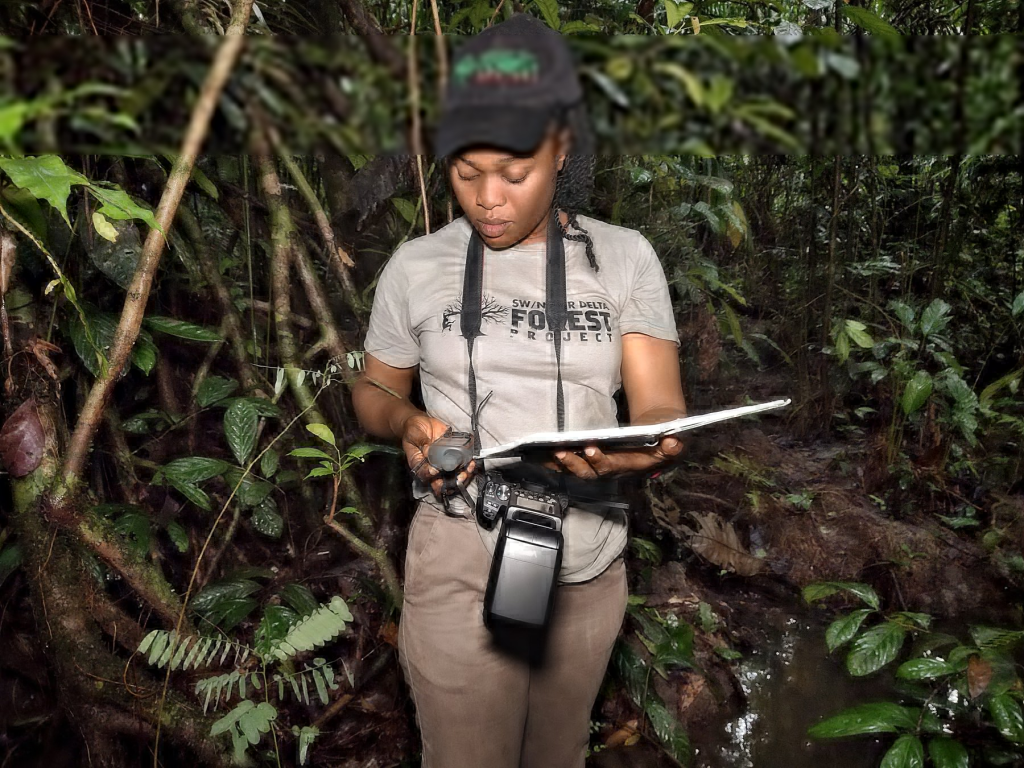
Conservationist Rachel Ikemeh works in Nigeria’s Niger Delta, where she has led community-driven conservation programmes credited with helping restore populations of the Niger Delta red colobus monkey. The area is both a biodiversity hotspot and the centre of Nigeria’s oil industry, creating ongoing environmental pressures.
Her approach links conservation outcomes with education and local employment, equipping communities to manage surrounding forests themselves. The work has protected more than 5,800 hectares of forest and at least 13 threatened species while supporting the livelihoods of more than 2,500 people. The Rolex Award will fund a new training hub and mobile education programme aimed at expanding the model into neighbouring communities.
Rosa Vásquez Espinoza
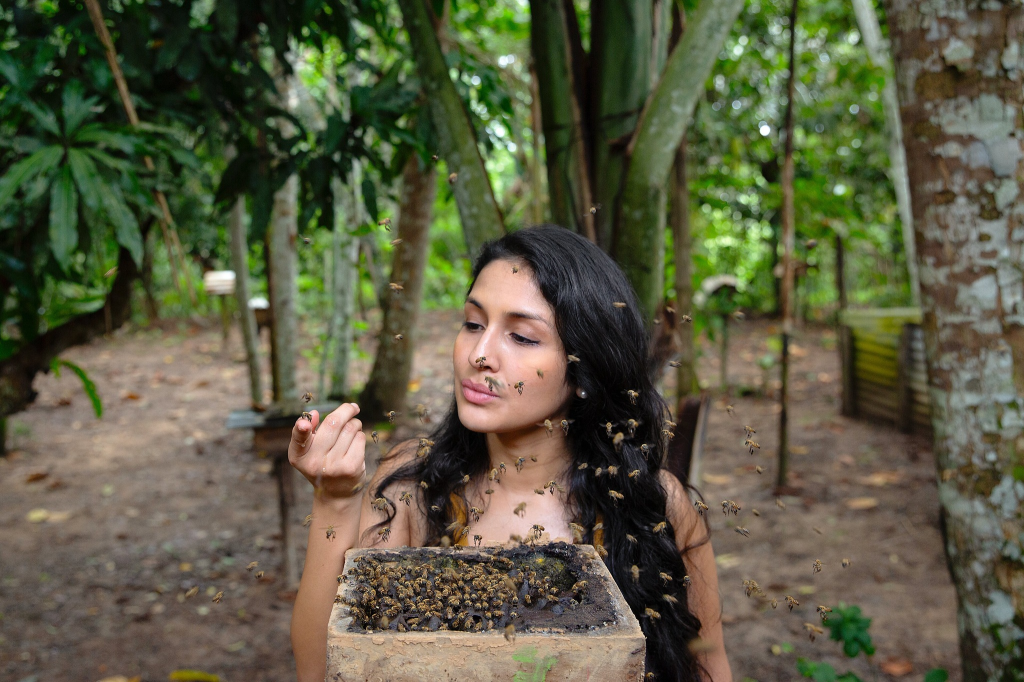
Chemical biologist Rosa Vásquez Espinoza studies the ecological role of stingless bees in the Peruvian Amazon. Her research established a scientific link between deforestation and declining bee populations, which play a critical role in pollinating endemic plant species and supporting regional food systems.
The findings contributed to a legal case in Peru that resulted in protections for the species and recognition of their ecological importance. Support from the Rolex Award will enable the expansion of an indigenous-led corridor of protected stingless bee habitats across the Amazon.
Laureates can receive support beyond the initial award through funding and access to a global network connected to the Perpetual Planet Initiative.
This article is part of Forbes Australia’s editorial partnership with Rolex through the Perpetual Planet Initiative, which supports scientists and explorers working on long term solutions to global challenges.