Backed by Rolex through the Perpetual Planet Initiative, French Polynesian conservationist Titouan Bernicot has turned a teenage obsession with coral into one of the most closely watched reef restoration operations in the Pacific.
Titouan Bernicot remembers the afternoon precisely. He was 16, paddling out to a familiar surf break off Moorea in French Polynesia with his younger brother and a handful of friends. Below their boards, where there had always been colour, there was none.
“I went to our regular surf spot one afternoon with my little brother and some island friends, and when we arrived, we were shocked to see that all the corals were white under our boards,” Bernicot tells Forbes Australia. “I didn’t know at the time what it meant, but it felt so strange, all the colours were gone. I knew something was wrong.”
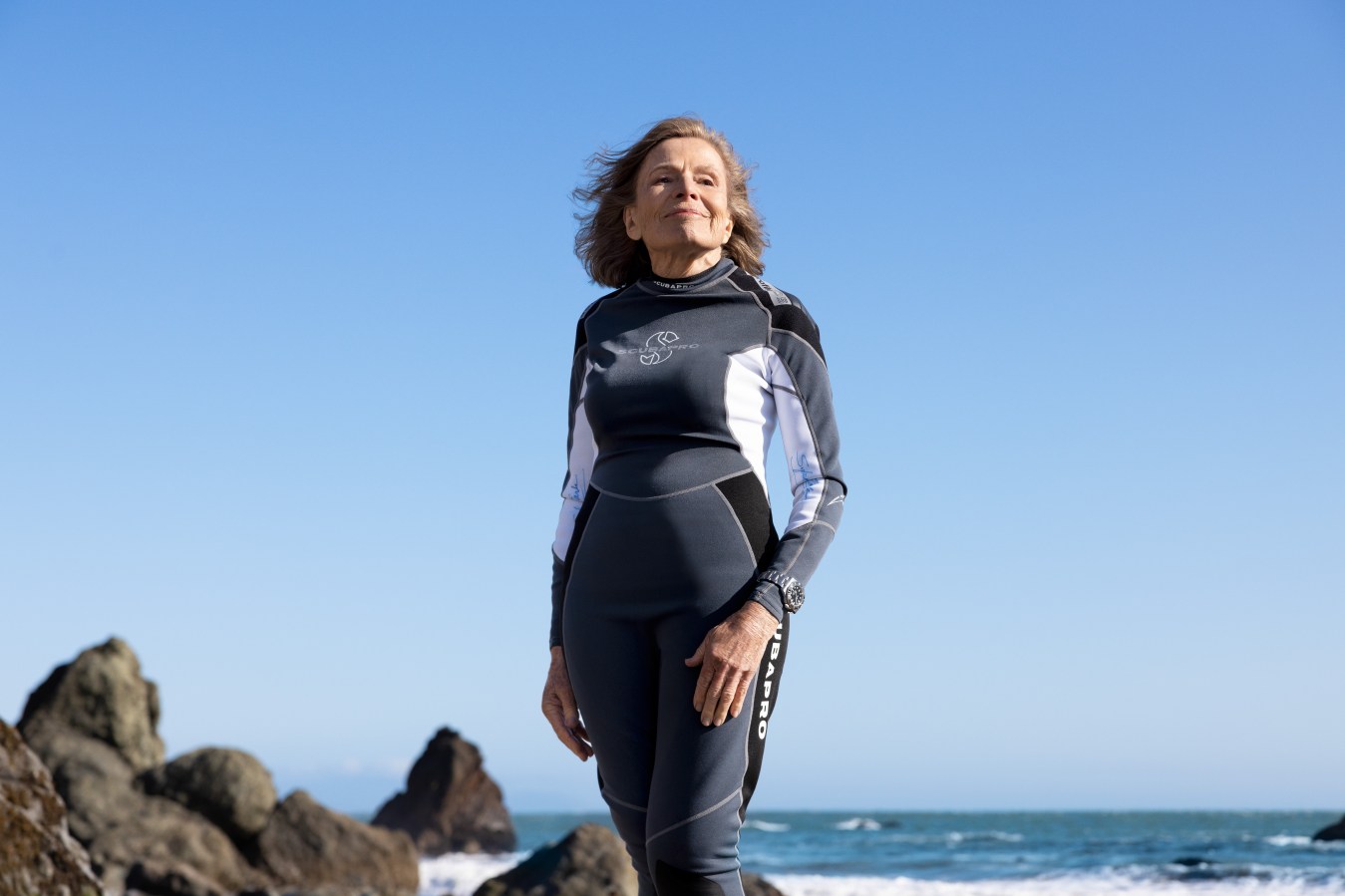
In April, Forbes Australia brought you the story of Dr Sylvia Earle, the legendary oceanographer and Rolex Testimonee, who has spent her life working to protect the ocean ecosystems. Now we turn to the young explorer she travelled to Thailand to dive alongside – the founder of an organisation working to restore coral reefs at scale.
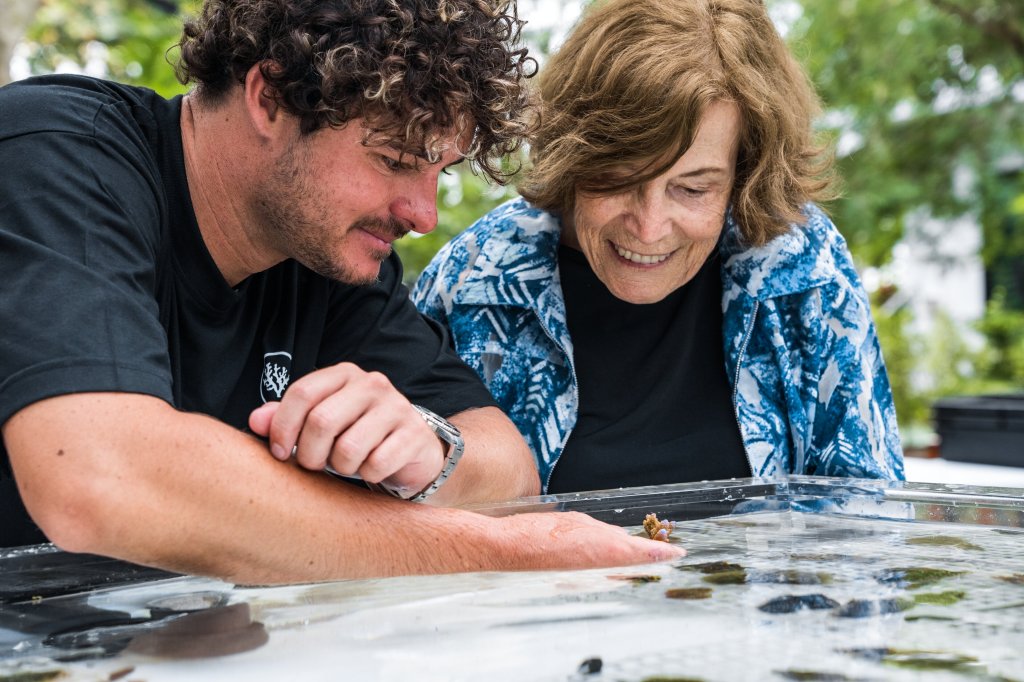
Supported by Rolex through the Perpetual Planet Initiative, Bernicot has taken what started as a handful of teenagers replanting fragments of reef in Moorea and turned it into Coral Gardeners, an organisation now operating across three countries with more than 80 staff.
“Rolex is a long-time partner who believed in us from the very beginning,” Bernicot says. “Their support allowed us to scale and strengthen our mission, and to take the project to an international scale, from French Polynesia to Fiji and then Thailand.”
Bernicot grew up on Moorea, where he spent his childhood diving and surfing. The reef was a permanent backdrop – so reliable it barely registered as something that could change.
“Growing up, I’d only ever seen colourful corals surrounded by fish and all the patterns and colours you can imagine,” he says. “Really like a painting underwater.”
When he investigated the bleaching, the picture widened fast. “After looking into it, I found out this was actually a global problem,” he says. “Rising ocean temperatures are stressing the corals, turning them white, and they can eventually die, and this was not happening only on my island, but around the world.”
“I asked experts and scientists how I could help and most of them told me I should go to university, get a PhD, and then start making an impact years later,” he says. “But I was impatient, and I knew I didn’t have that kind of time. So, I started anyway.”
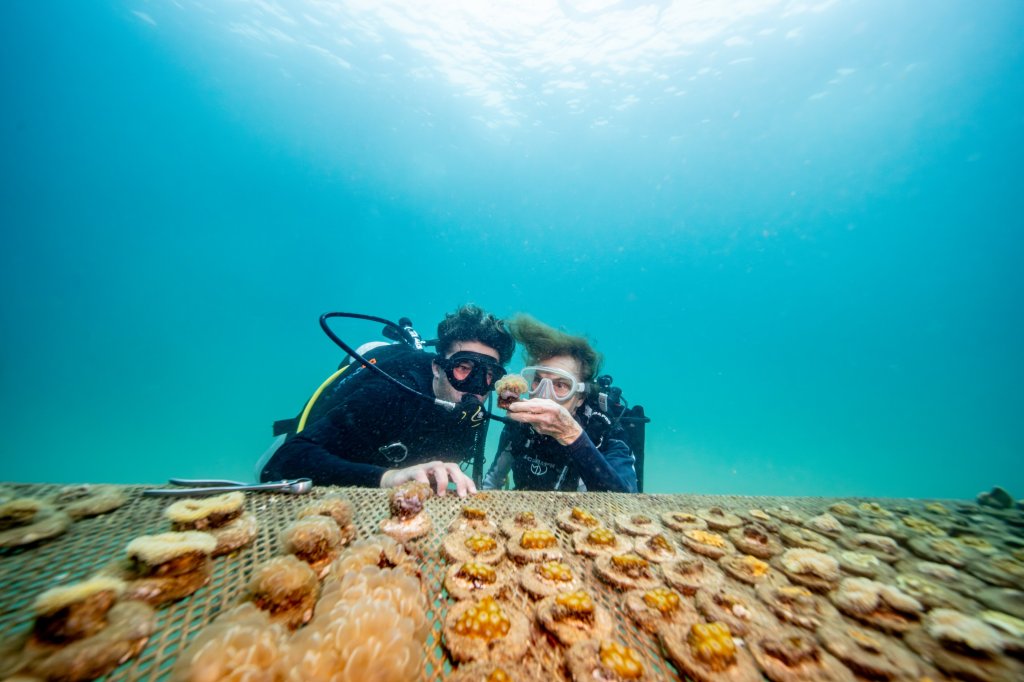
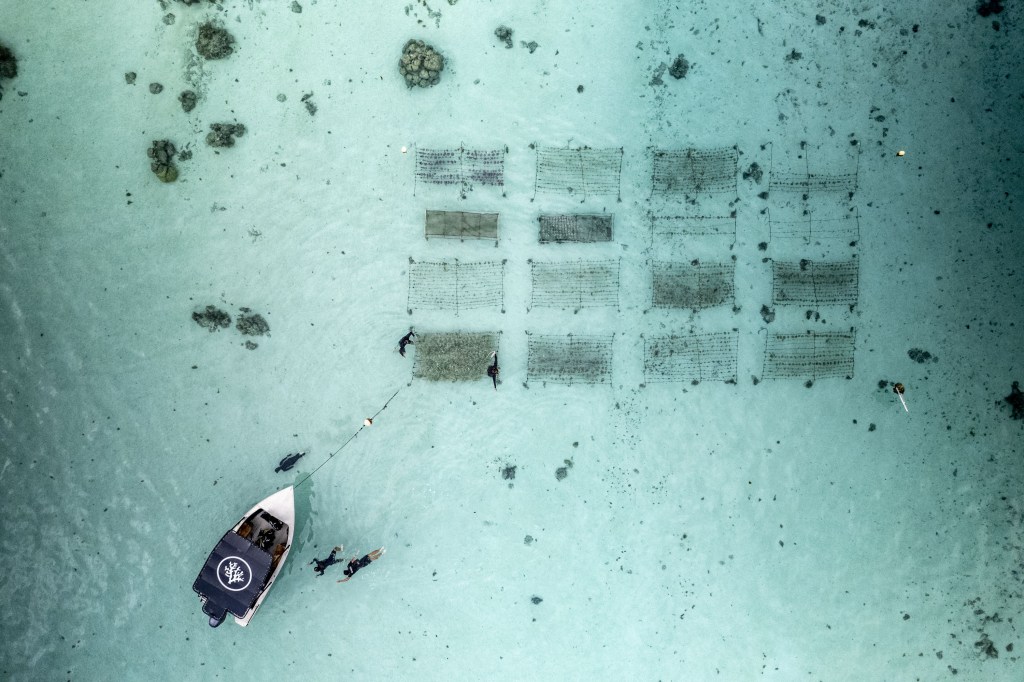
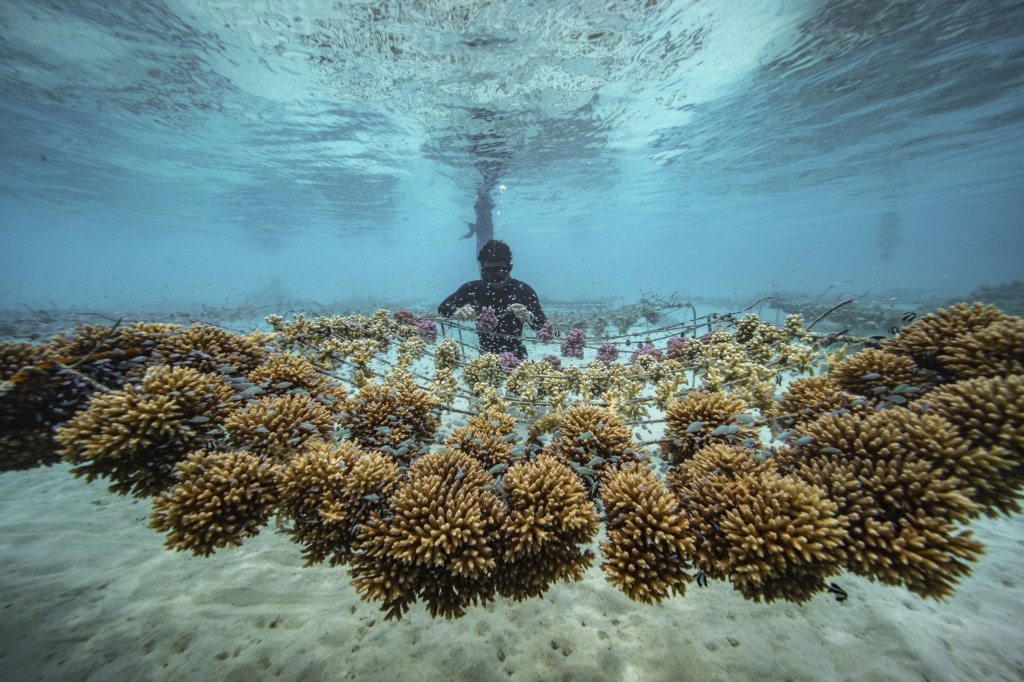
In 2017, he and a small group of friends launched Coral Gardeners. The model was deliberately simple: find coral fragments that survive heat stress, propagate them in underwater nurseries, replant them into degraded reef systems, and track the results.
Coral Gardeners has since expanded from Moorea to Fiji and Thailand, developing proprietary monitoring tools and tracking more than 40 key impact indicators across its sites. In 2024, the world recorded its most severe coral bleaching event on record. When Bernicot returned to the Thai nursery sites a year later, the corals his team had selected and propagated were still growing.
It’s so rewarding to work in harmony with nature, see the corals you planted growing and attracting marine communities
Titouan Bernicot
Founder & CEO of Coral Gardeners
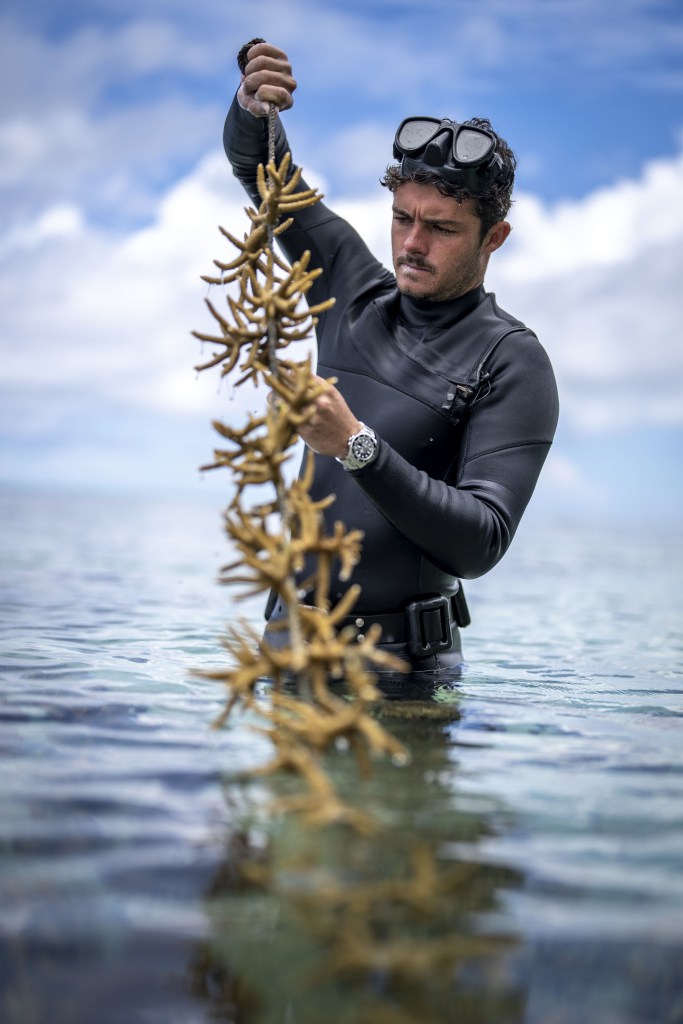
“Coming back a year later and seeing the corals we selected to propagate in our nurseries not only surviving but growing fast is really encouraging,” he says. “This is how we can bring back biodiversity and resilience to the reef.”
Across all of its gardens, Coral Gardeners reports average survival rates above 80 per cent – a figure that held even through last year’s bleaching.
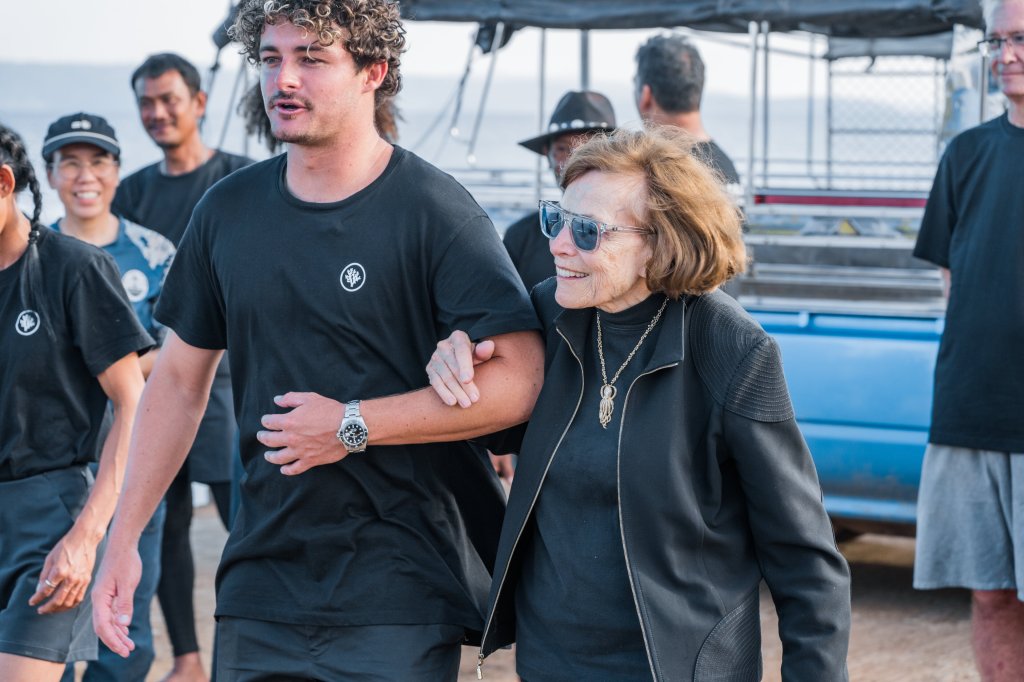
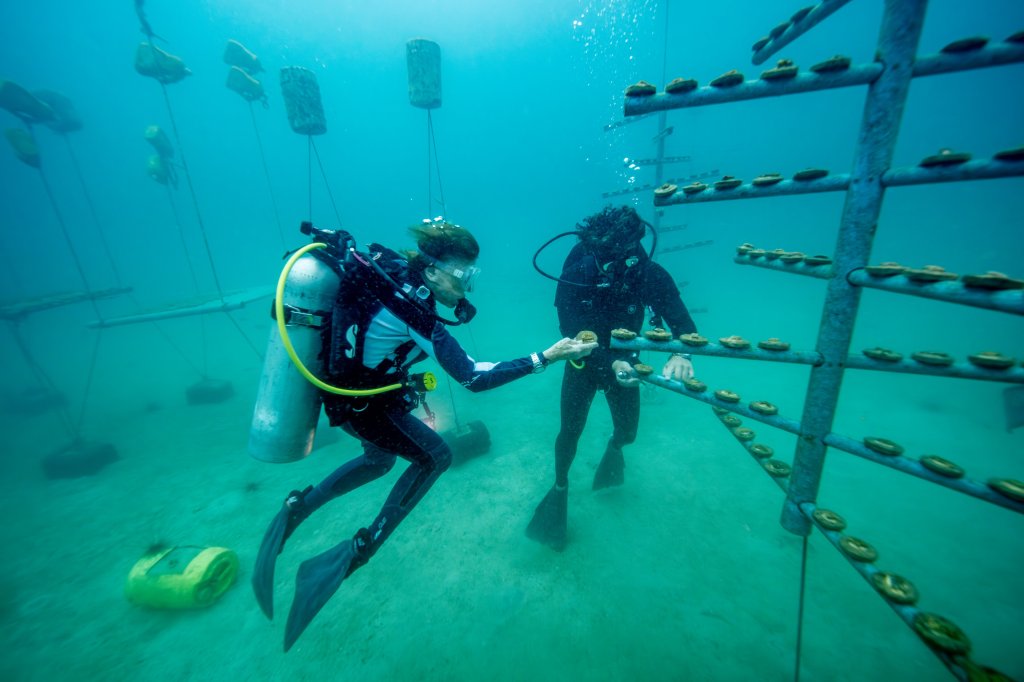
It was during that Thai visit that Bernicot finally got to show Earle the work firsthand. The two dived together in the coral gardens off Koh Mak.
“She’s been one of my biggest inspirations, and I’ve always wanted to show her our work underwater and the future we’re trying to build,” Bernicot says. “I’m so grateful to be able to dive with her and the Thai team in our coral gardens; it’s a real dream.”
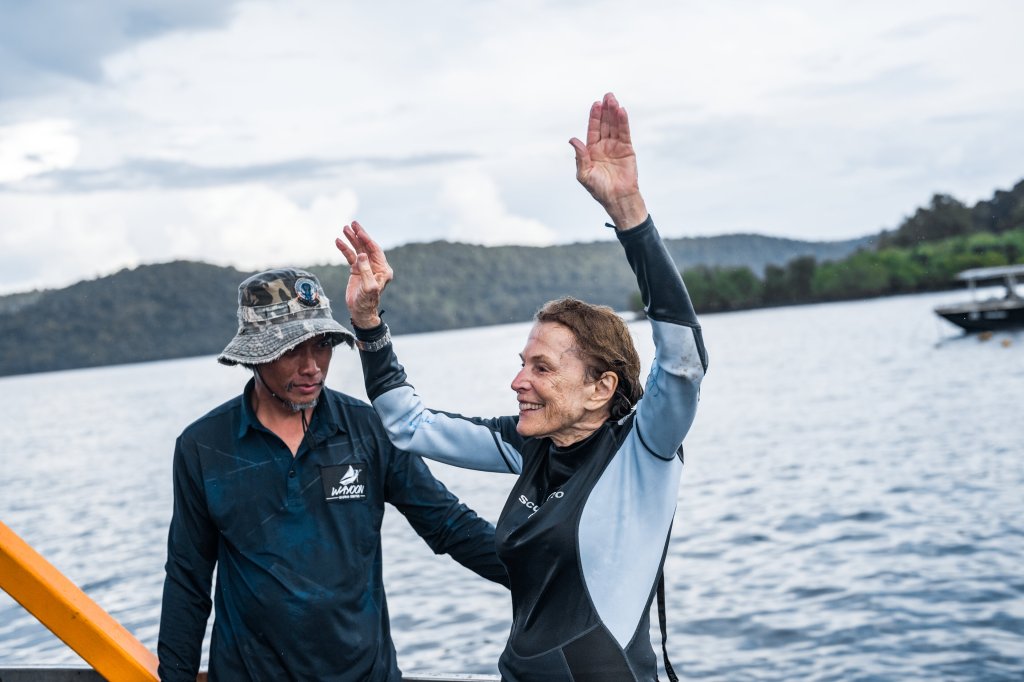
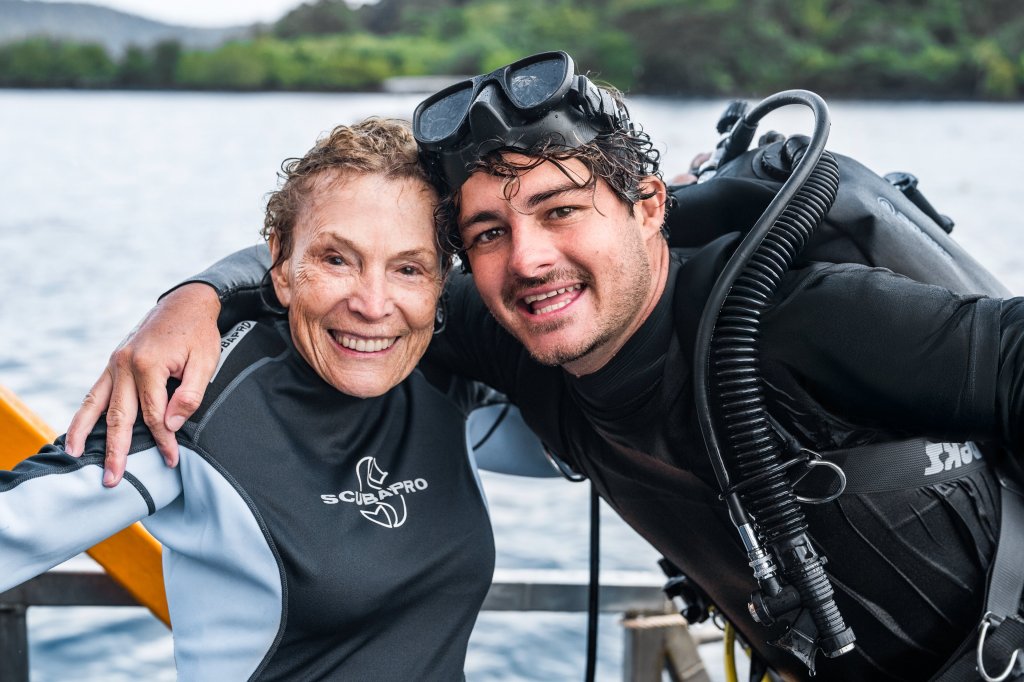
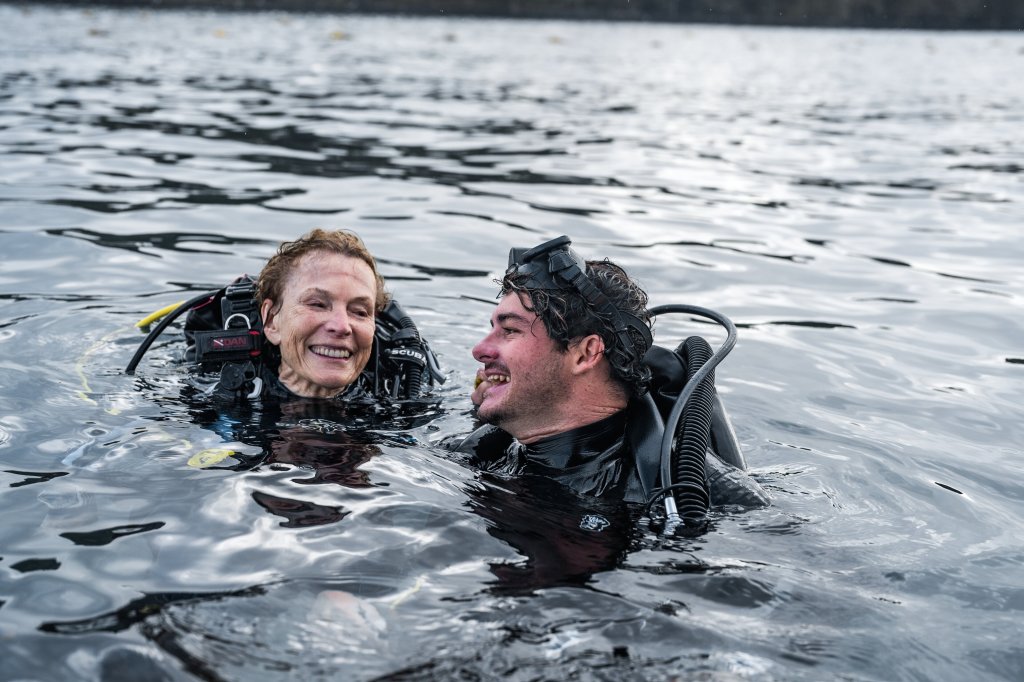
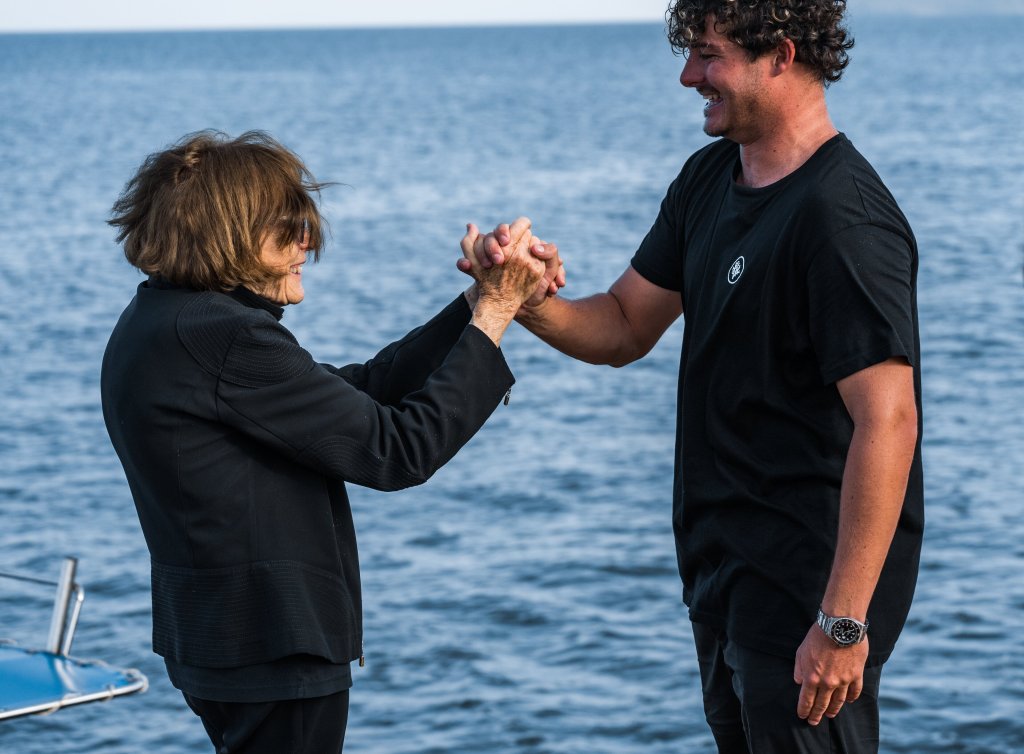
Bernicot is now pursuing a Hope Spot designation for the Thai site through Earle’s Mission Blue network, which would make it the first in the country.
“People might not quite realize the scale or level we’re working at, so having such a long-established brand like Rolex put their belief behind us has been helpful to show that we’re serious about what we do and we’re in this for the long run,” he says.
The targets are deliberately outsized: one million corals planted worldwide, and a conservation message that reaches one billion people.
“It started with a few friends in our little coral garden, and today there are over 80 of us, passionate and driven to protect the ocean. Being on this journey altogether is another source of motivation. It’s game on.”
This article is part of Forbes Australia’s editorial partnership with Rolex through the Perpetual Planet Initiative, which supports scientists and explorers working on long term solutions to global challenges. Learn more here.