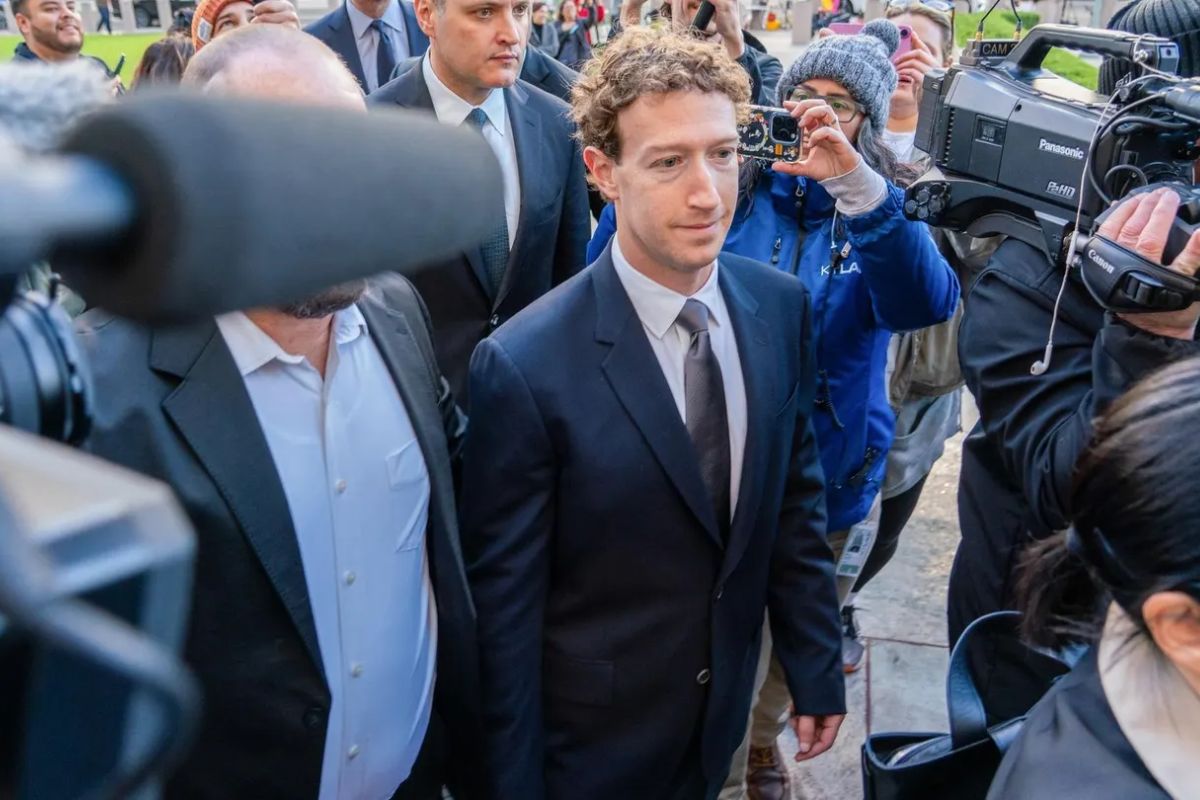
The search for Nancy Guthrie, mother of Today Show host Savannah Guthrie, entered its second week on Monday with no sign of the 84-year-old Guthrie and zero suspects publicly identified—and with Savannah Guthrie pleading with the public for help—but history offers some hope, with a number of high-profile kidnappings resulting in happy endings.

Key Takeaways
- Nancy Guthrie, 84, is believed to have been forcibly taken from her home in Tucson, Arizona, on February 1.
- In a video posted on social media on Monday, Savannah Guthrie, who has publicly indicated she is willing to pay a ransom along with her siblings, pleaded for the public’s help, saying, “We are at an hour of desperation.”
- Authorities confirmed Sunday on X that “no suspects, persons of interest, or vehicles have been identified” in the case so far.
- Some of the most infamous kidnappings in history—from famous aviator Charles Lindbergh’s baby to a confused attempt at kidnapping Rupert Murdoch’s first wife—have ended in tragedy.
- But many—including those listed below—have been resolved with the victim eventually reunited with their loved ones.
2016: Kim Kardashian

Kardashian was bound, gagged and locked in a bathroom during a targeted robbery at the Hôtel de Pourtalès during Paris Fashion Week in 2016. The robbers stole jewelry valued at approximately $10 million, including a diamond ring worth about $4 million. Though she was only held for a brief time before the robbers fled, she has since spoken publicly about the trauma, saying she feared for her life. Ultimately, Kardashian was physically unharmed and, in May, eight men were convicted of the crime, with sentences ranging from 3 to 8 years.
2003: Eddie Lampert
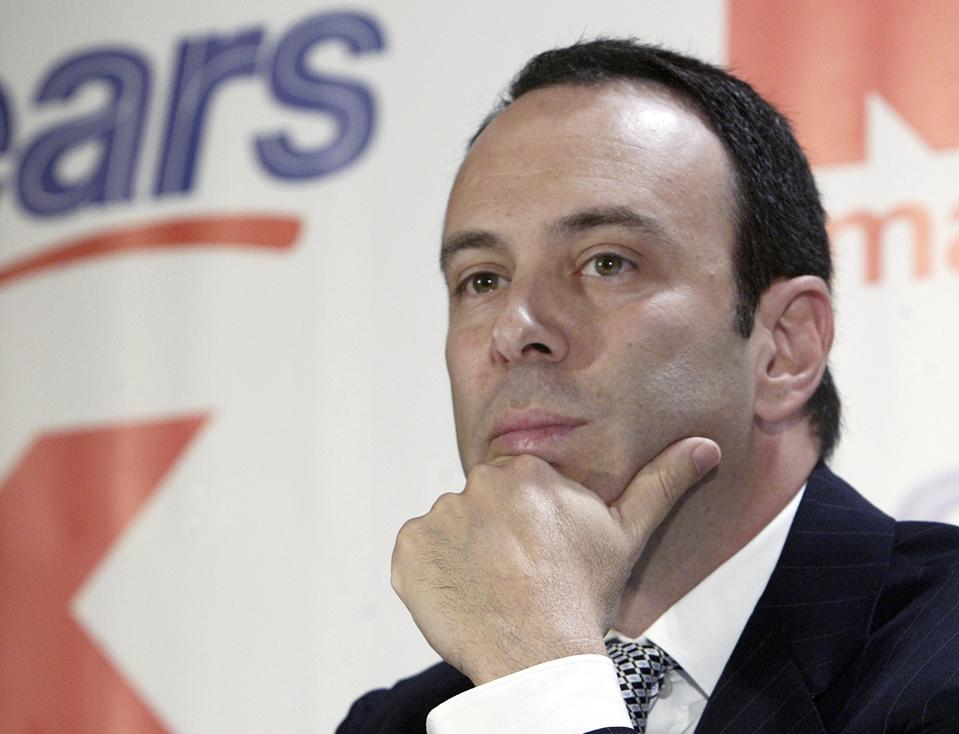
The chairman of ESL Investments, Lampert was ranked No. 288 on the Forbes 400 list with a net worth of $800 million when he was kidnapped in Greenwich, Conn. After less than two days held captive in a motel, Lampert was dropped off unharmed at an undisclosed location after promising to pay a $5 million ransom, which he never did. The perpetrators were arrested days later. “The unspoken fear for the very wealthy is that they are equally vulnerable,” wrote the New York Times in a 2003 article about the kidnapping.
1994: Alfredo Harp Helu

Alfredo Harp Helu, co-founder of Accival (which became Banamex, one of the largest banks in Mexico), was taken in 1994 in Mexico City while traveling to his office. Harp Helu was held for 106 days by an organized criminal group, but was released alive in January 1995 after a ransom was paid, though Mexican authorities and the family did not publicly confirm the amount. Several individuals linked to the kidnapping were later arrested in a series of operations by Mexican authorities, and multiple members of the criminal network were convicted and sentenced to lengthy prison terms.
1989: Gayle Cook
In March 1989, Gayle Cook, the billionaire co-founder of medical device maker Cook Group, was abducted from her home in Bloomington, Indiana, by Arthur Curry, a former investment broker whose financial career had collapsed. Curry held Cook captive for roughly 26 hours, restraining her with duct tape and issuing a series of detailed ransom demands that included $1.7 million in cash and gold. Federal authorities tracked the extortion attempt, and FBI agents arrested Curry during the staged ransom drop. He was later convicted and sentenced to 32 years in federal prison. At the time of her death in August at the age of 91, Cook had an estimated net worth of $5.8 billion.
1983: Freddy Heineken
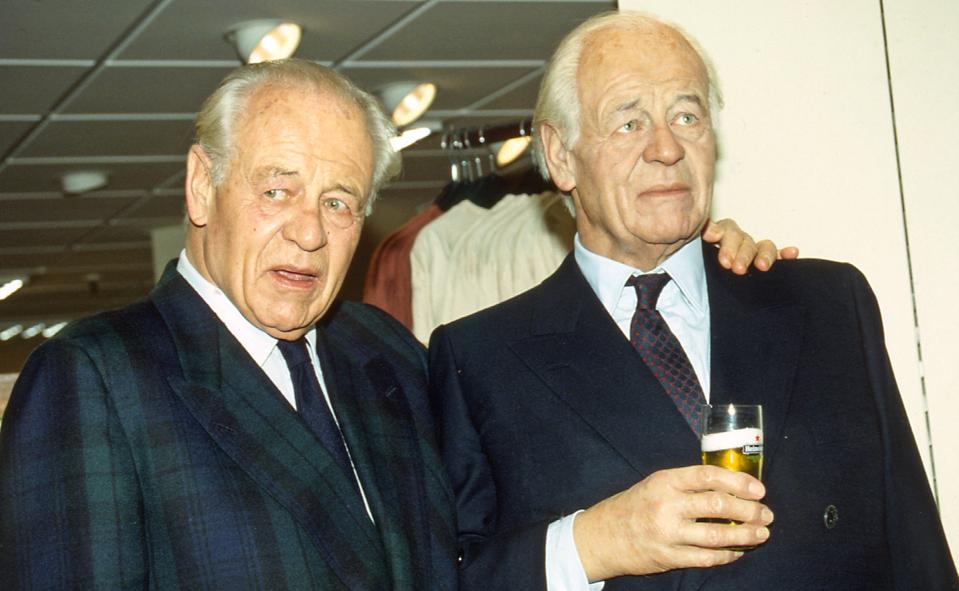
Freddy Heineken, the billionaire chairman of the Heineken brewery, was kidnapped along with his chauffeur outside the company’s Amsterdam headquarters on Nov. 9, 1983. The two men were held in a cell inside a warehouse in West Amsterdam for 21 days while their captors demanded an $11 million ransom (the equivalent of $30 million today). After the ransom was paid in multiple currencies, Heineken and the chauffeur were released unharmed and later rescued by police. Dutch authorities recovered most of the ransom money, and the kidnappers were eventually arrested, extradited and convicted, receiving prison sentences ranging from nine to 12 years. “It needed to set us up for life—and that didn’t mean behind bars. The victim had to be someone for whom a high ransom could be paid quickly,” joked Cor van Hout, one of the convicted kidnappers and the mastermind behind the plot.
1974: Patty Hearst
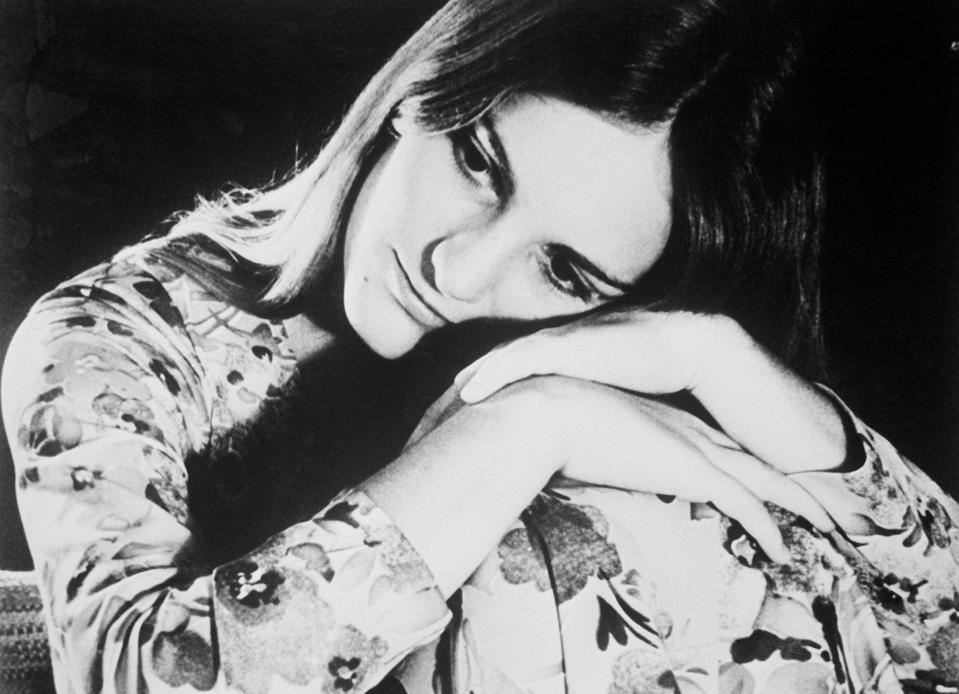
Patty Hearst, the 19-year-old granddaughter of newspaper magnate William Randolph Hearst, was kidnapped in February 1974 from her apartment in Berkeley, Calif., by members of the Symbionese Liberation Army, a small left-wing militant group. The kidnappers demanded the Hearst family distribute millions of dollars’ worth of food to the poor as a condition of her release. Hearst was held in captivity for several weeks, during which time she appeared to adopt the group’s ideology and later participated in an armed bank robbery. She was never released. In September 1975, over a year after her kidnapping, she was arrested by federal authorities, convicted of bank robbery in 1976, and sentenced to seven years in prison. But President Jimmy Carter commuted her sentence in 1979, and Hearst was granted a full pardon by President Bill Clinton in 2001.
1973: Paul Getty Iii
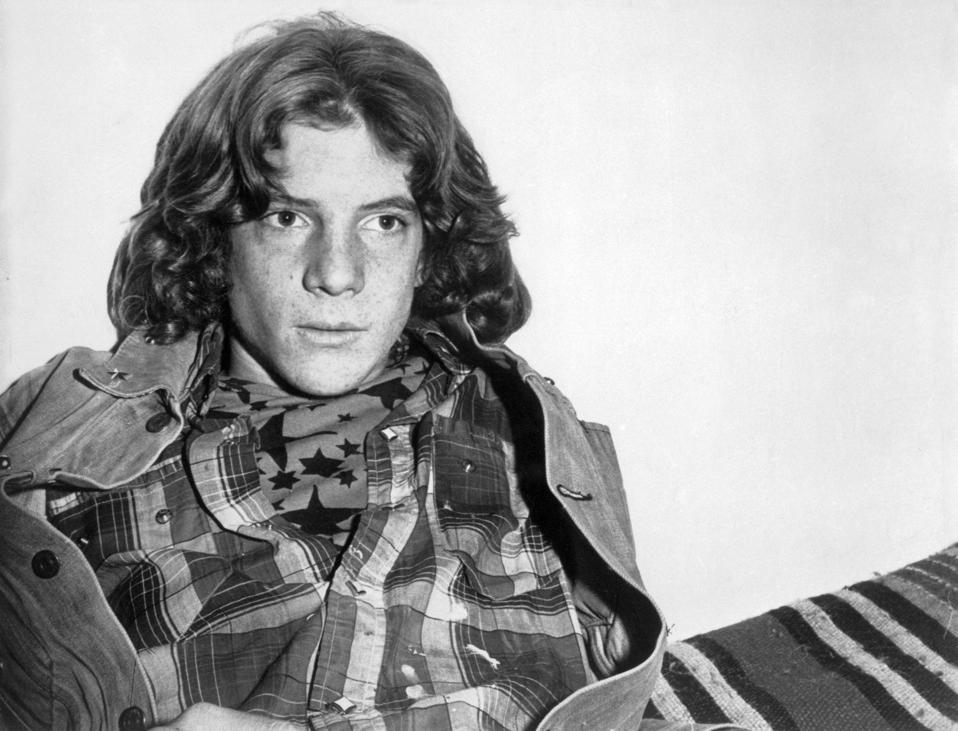
The teenage grandson of oil tycoon J. Paul Getty, then the richest man in the world, was kidnapped in Rome in July 1973, with the Italian criminals behind the abduction demanding about $17 million for his release. The elder Getty initially refused to pay a dime in ransom, famously remarking, “I have 14 other grandchildren; if I pay one penny, I’ll have 14 kidnapped grandchildren.” That changed after the kidnappers sent one of the teenager’s ears, along with a lock of his hair, to an Italian newspaper. After some negotiation, Getty agreed to pay about 4 billion Italian lire, which was equivalent to $3.2 million at the time, down from the initial demand of $17 million (though he demanded that Getty III’s father pay him back $1 million). Getty III was then released in December, after about five months in captivity, and several of his kidnappers, belonging to a gang linked to the Calabrian mafia, were arrested in 1974.
1971: Theo Albrecht
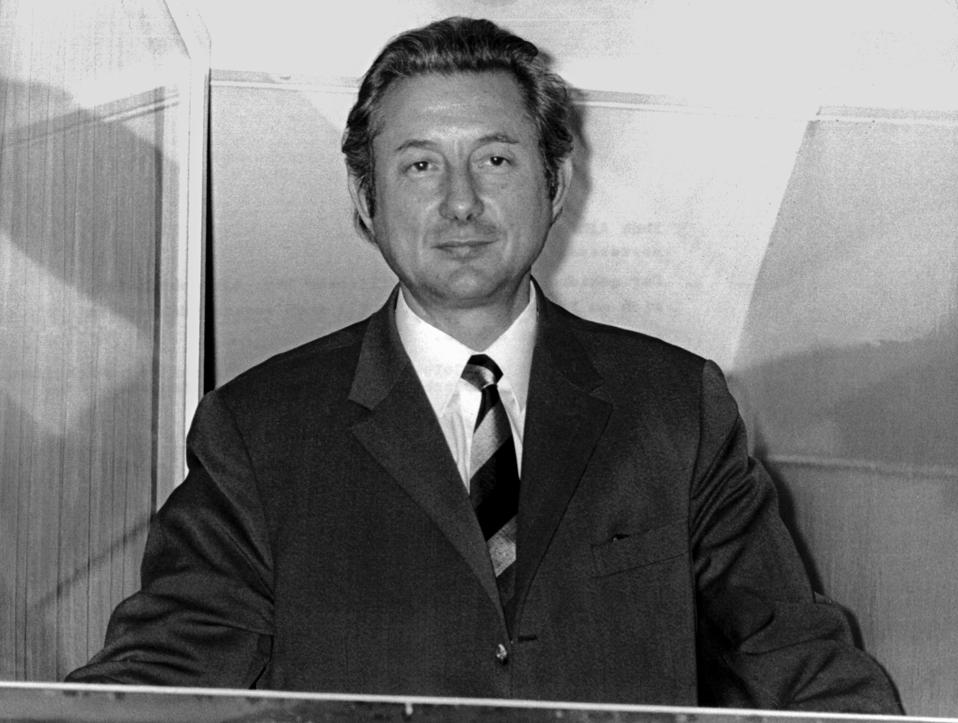
The co-founder of discount supermarket chain Aldi was kidnapped at gunpoint in Germany on November 29, 1971, and held in a closet for 17 days, but was released after paying a ransom of 7 million German marks (approximately $2 million at the time). His kidnappers both ended up behind bars. Paul Kron, a convicted burglar who went by the nickname “Diamond Paul,” was swiftly tracked down after he tried to pay for goods with a 500-deutschmark note traced to the ransom. His accomplice, Heinz-Günther Ollenburg, a former lawyer, escaped to Mexico before being arrested and extradited to face charges. Albrecht even tried to claim the ransom as a tax-deductible business expense.
1963: Frank Sinatra Jr.

The 19-year-old son of legendary singer Frank Sinatra was kidnapped in December 1963 while staying at a motel in Lake Tahoe, Calif., where he was scheduled to perform. He was taken at gunpoint by three men who demanded a ransom of $240,000. Sinatra Jr. was held captive for two days and released unharmed after the ransom was paid. The kidnappers, Barry Keenan, Joseph Amsler and John Irwin, were arrested within days and convicted in federal court, with both Keenan and Amsler facing life imprisonment. Keenan claimed Sinatra Jr. was in on the kidnapping, but no evidence ever suggested that was true.
Look back on the week that was with hand-picked articles from Australia and around the world. Sign up to the Forbes Australia newsletter here or become a member here.
This story was originally published on forbes.com and all figures are in USD.