
Only 8% of Australians are using ChatGPT daily – here’s why
Only 8% of Australians use ChatGPT daily, much less than the global average. 78% of Australians distrust news written entirely by generative AI. We dig into the data.
Only 8% of Australians use ChatGPT daily, much less than the global average. 78% of Australians distrust news written entirely by generative AI. We dig into the data.

If your workdays are filled with meetings, you’re not alone. But AI might be able to help.
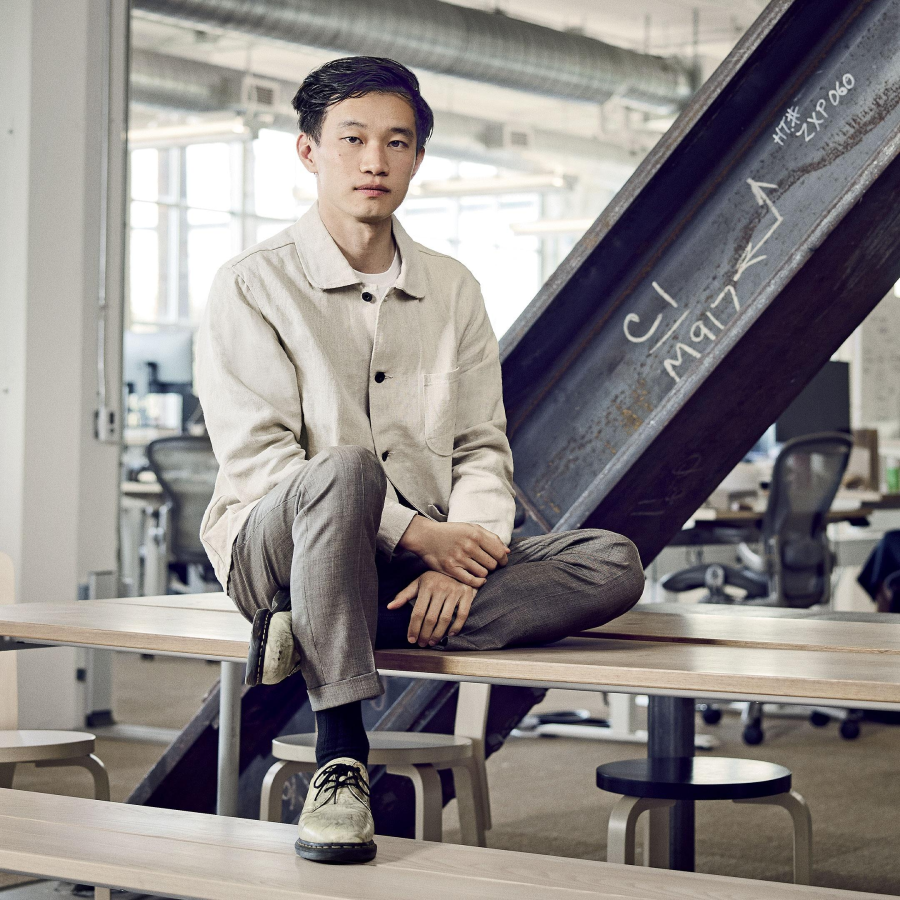
Notion co-founder Ivan Zhao captivated Silicon Valley investors and everyday consumers alike with a sleek productivity app that went so viral its servers crashed. Now, the profitable startup’s CEO sees a rare opening to break Microsoft and Google’s dominance in the workplace by going early and aggressive on AI.
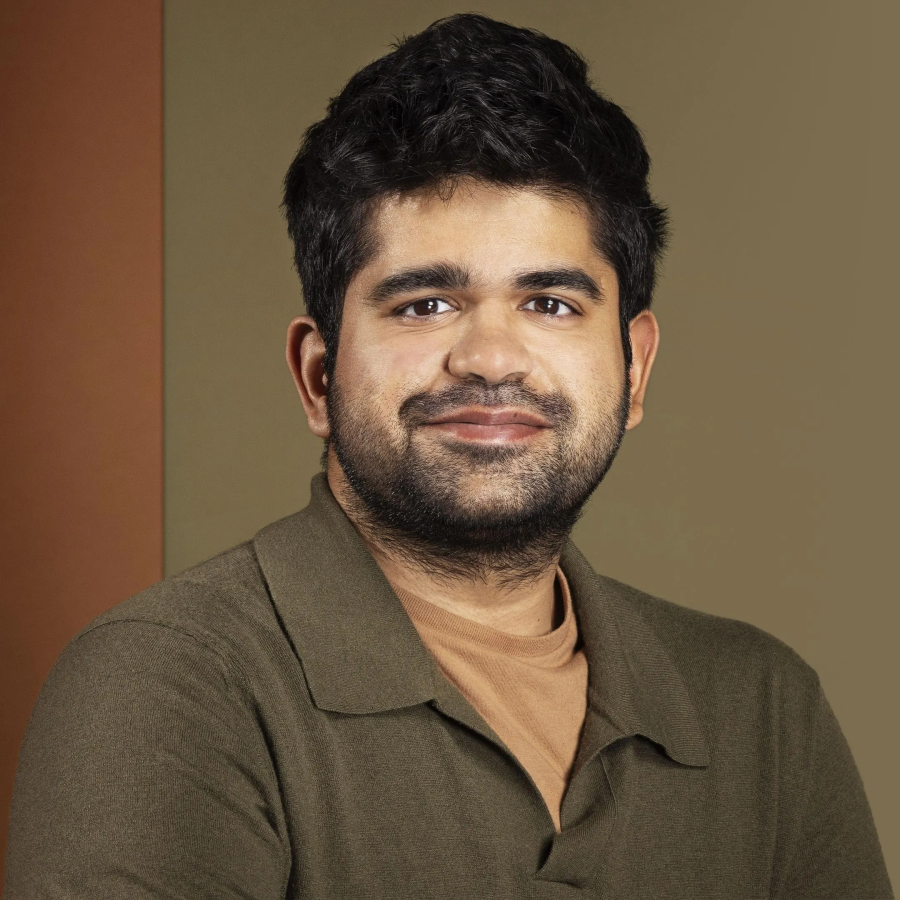
Perplexity, an AI-powered search engine, is backed by tech VIPs like Jeff Bezos, and counts billionaires like Nvidia CEO Jensen Huang among its frequent users.
This year’s AI 50 list shows that artificial intelligence is helping companies achieve more with less: the median headcount for an AI 50 startup was 89 employees, down from 150 last year.
In an era marked by the growing influence of artificial intelligence in the workplace, a provocative assertion from Sam Altman, CEO of Open.AI, really captivates the imagination: can a billion-dollar enterprise be operated by one person using Generative AI?
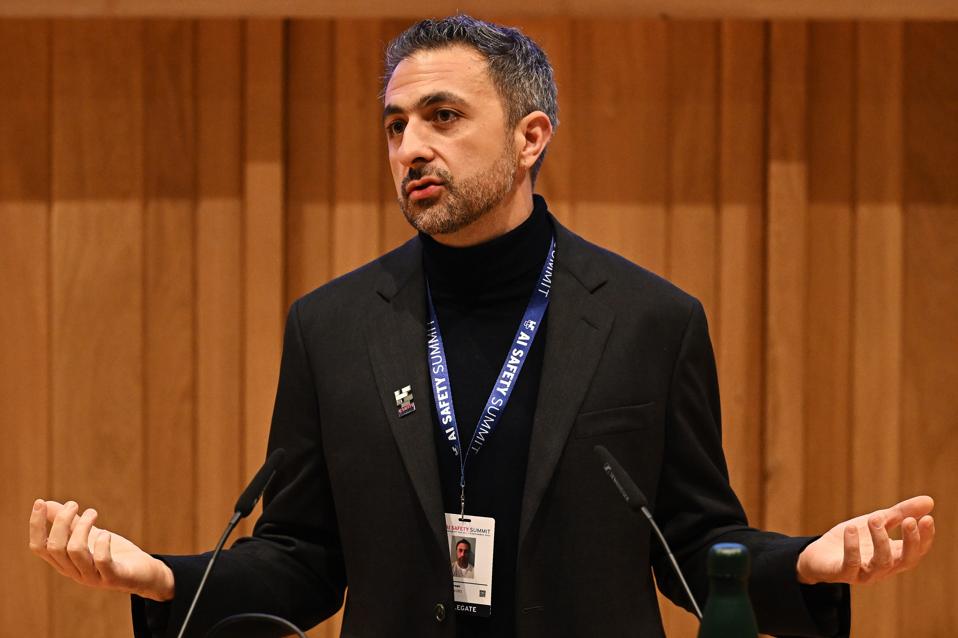
After raising $1.3 billion last year, Inflection is pivoting to focus on business-to-business APIs, as Suleyman jumps to lead consumer AI at Microsoft.
An epic reported artificial intelligence partnership out of Silicon Valley sent stocks off to a hot start Monday ahead of a crucial week for markets.
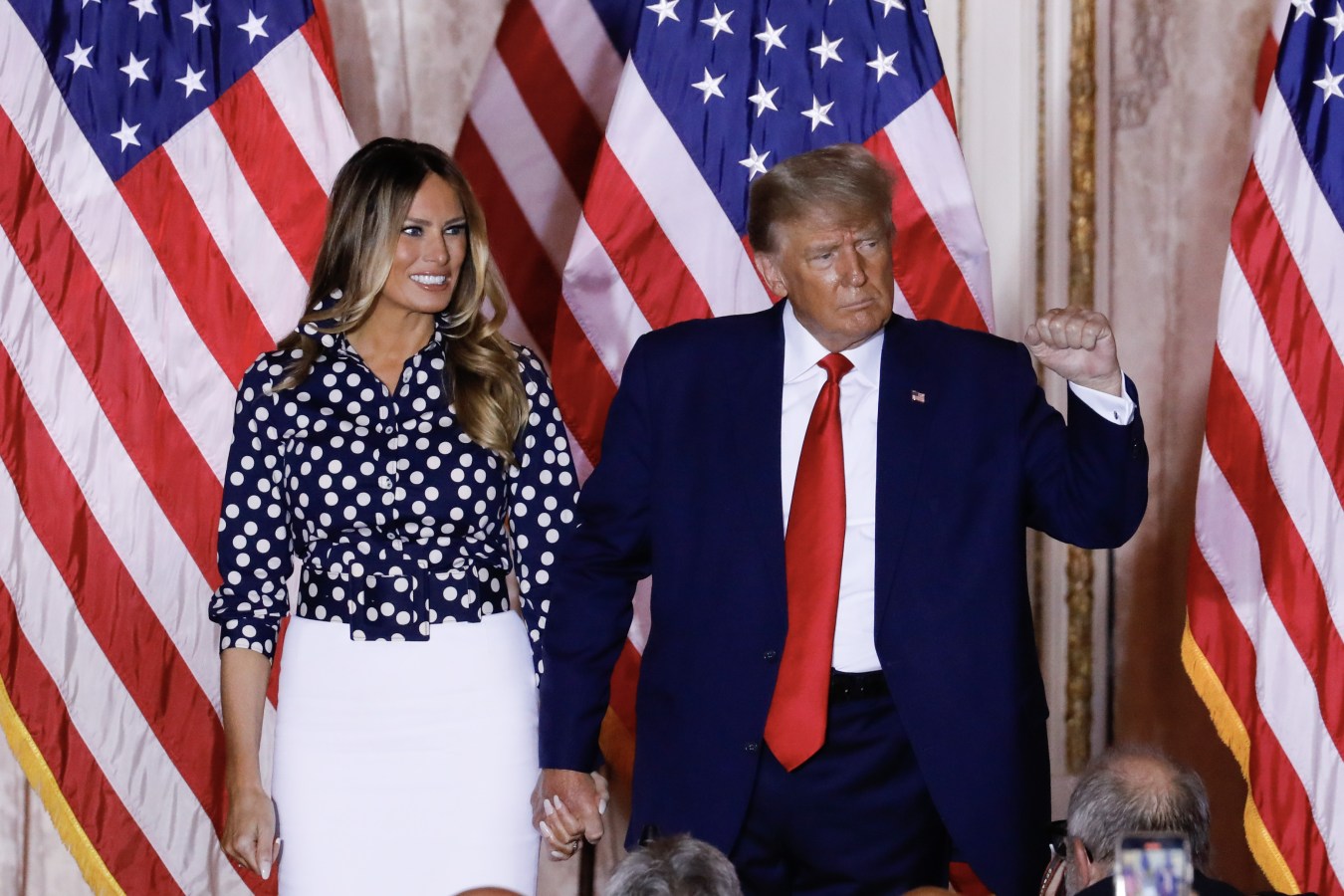
Pundits have long ago called what seems like a foregone conclusion – that the upcoming 2024 American general election will once again be a matchup between the 45th President Donald Trump and 46th President Joe Biden. And people are not happy with the same old – with about 2/3rds of Americans ‘tired of seeing the same candidates’ as demonstrated by an early January Reuters/Ipsos poll.
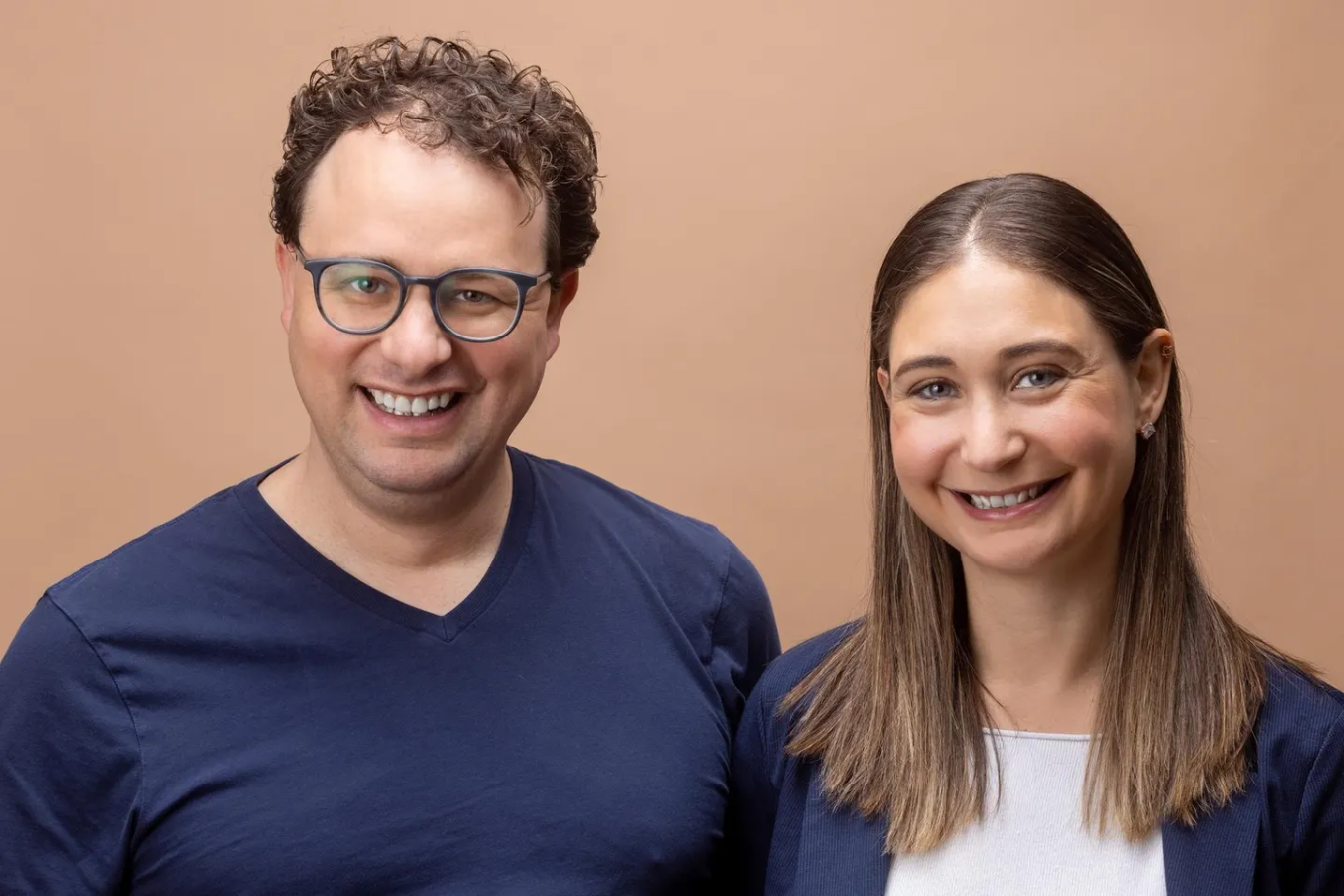
In an interview, founders Dario and Daniela Amodei told Forbes that Anthropic’s new enterprise-focused model, released Monday, outperforms rivals GPT-4 and Google’s Gemini 1.0 Ultra.