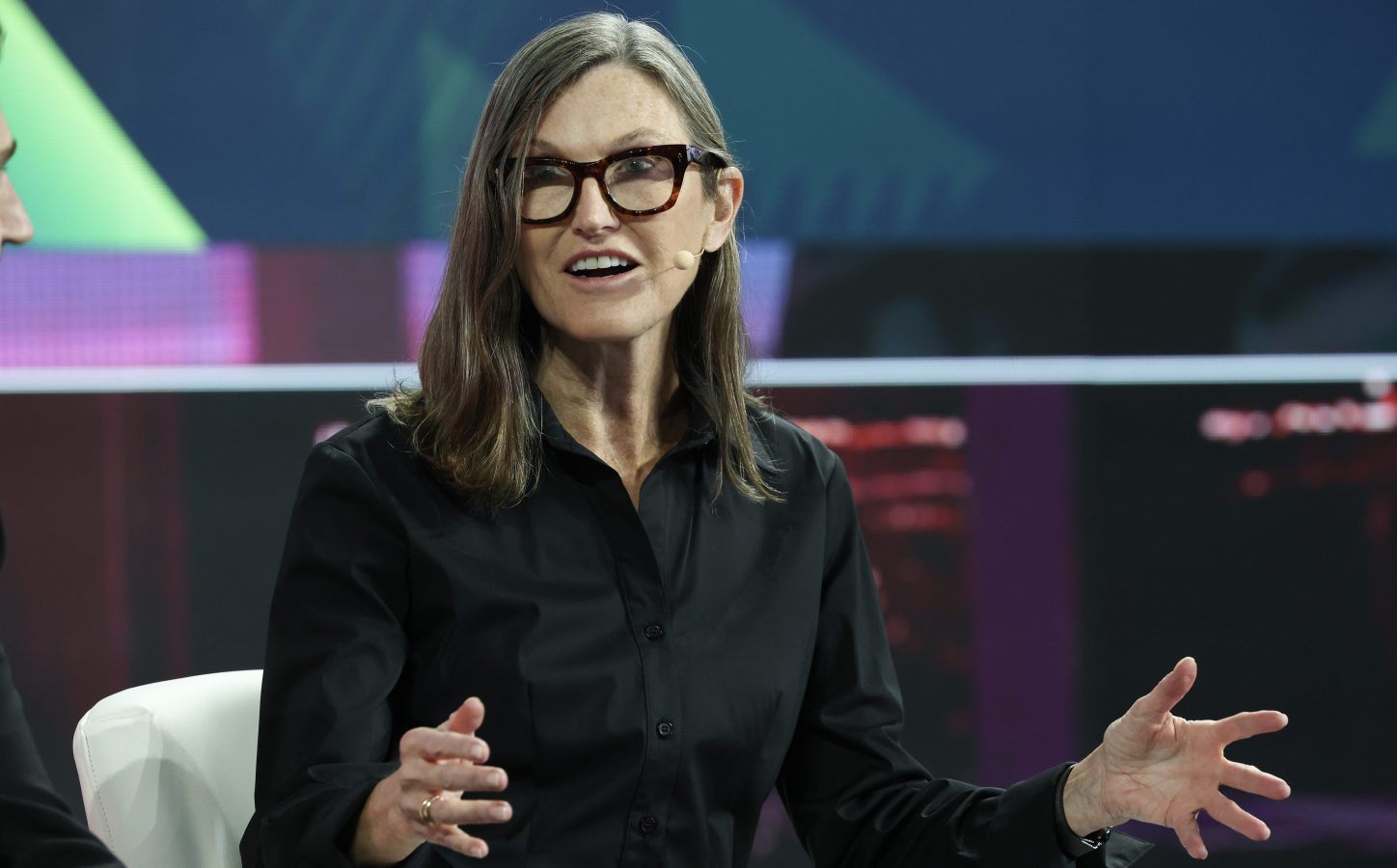
Carolyn Breeze, CEO of ASX-listed investment & advisory firm, Scalare Partners, imagines a circular startup economy where every dollar, lesson, and relationship feeds back into the next wave of founders.

The startup ecosystem playbook is undeniably breaking.
It’s no secret that capital has been more challenging to secure in recent years, both in Australia and globally. And when incoming money shrinks, outgoing money must be scrutinised.
Research shows that early-stage companies lose up to a quarter of their operating spend to misfires and inefficiency. Founders waste time and trust on the wrong investors, advisors, and hires with each mismatch draining momentum instead of building it.
As a result, the startup ecosystem is letting capital, knowledge, and talent slip through the cracks at multiple points, losing value with each missed opportunity or misplaced investment.
Yet the good news is that there is an emerging playbook that could not just address this but also create an entirely self-sustaining ecosystem in the process.
The “circular economy startup ecosystem” model is already being explored by overseas markets, with academic research so far mostly focusing on materials and manufacturing.
So not only could Australia emulate these overseas models, it could also go one step further by adding in the all-important financial and human loops that overseas markets have so far overlooked.
Imagine a circular startup economy where every dollar, lesson, and relationship feeds back into the next wave of founders. I know I can. And below are five ways to make it happen.
1. Re-invest profits into the founder ecosystem
As mentioned, most circular-economy literature concentrates on materials and manufacturing loops, not financial ones. Yet capital leakage is just as damaging as waste in production, as ecosystem upside escapes in the form of fees flowing out, exits enriching a narrow set, and returns getting parked elsewhere.
We can close this loop by channelling ecosystem profits generated from fees, partnerships, and equity returns back into emerging founders instead of distributing them externally.
Re-invested capital fuels the next generation, transforming success stories into a shared endowment that compounds locally. In the process, the next cohort doesn’t start from scratch; it starts from strength.

2. Reduce waste through intelligent curation
Every wasted hire, mis-matched advisor, or redundant tool is a broken link in the startup economy. With operating inefficiencies averaging 25 percent, precision matching isn’t a “nice to have”. It’s the sustainability lever that keeps runways intact.
AI-assisted and human-verified curation ensures founders connect with the right expertise at the right time, not three pivots too late. Fewer wrong turns means less friction and burn, faster execution, and more capital staying in play for building not repairing.
In startup-land, the foundation of circularity – resource efficiency – depends on intelligent curation.
3. Build and circulate trust and network capital
Just as recycling stabilises supply chains, trust stabilises circular systems through a constant loop of feedback, reliability, and confidence between participants.
Yet the startup world too often runs on guesswork, signalling, and cold outreach. This effectively results in a “trust tax” on every deal, hire, or partnership. And we already all pay enough tax!
By creating verified, reputation-based engagement layers, the ecosystem can instead circulate social capital as a renewable asset. Over time, shared trust reduces due-diligence friction, shortens sales cycles, and encourages repeat collaboration.
4. Leverage shared intelligence and data loops
In a circular system, information is fuel. Each founder interaction leaves a data trail: what works, who delivers, where bottlenecks form, and which supports move the needle. Aggregating and anonymising that data turns individual lessons into public intelligence.
Just as the Ellen MacArthur Foundation Circular Startup Index tracks and amplifies circular innovation globally, founder ecosystems can use data loops to refine matching, forecast gaps, and spotlight emerging needs before they become failures. This creates a learning cycle that strengthens and smartens with every iteration.
5. Recycle human capital and experience
The “reuse and regeneration” concept emphasised by circular-economy scholars can be applied to talent as well. Because too often now, founders exit and disappear, taking hard-won capability with them. That’s human capital waste we can’t afford.
On the contrary, when exited founders re-enter the ecosystem as fractional executives, mentors, investors, or partners, experience stays in circulation.
Their pattern recognition shortens the next founder’s learning curve, raises execution standards, and reduces reliance on costly external consultants. The ecosystem becomes less dependent on importing expertise, because it instead becomes capable of growing its own.
In turn the ecosystem becomes a self-funding, self-teaching, self-evolving and thriving innovation pipeline, where each exit seeds the next entry into perpetuity and beyond.
And what an exciting world we could all create as a result of that!
Look back on the week that was with hand-picked articles from Australia and around the world. Sign up to the Forbes Australia newsletter here or become a member here.