An Australian marathon runner’s brush with sepsis in the U.S. sparked a mission to dismantle legacy insurance brokerage models with an AI-native tech stack. Six months in, VC investment is flowing.
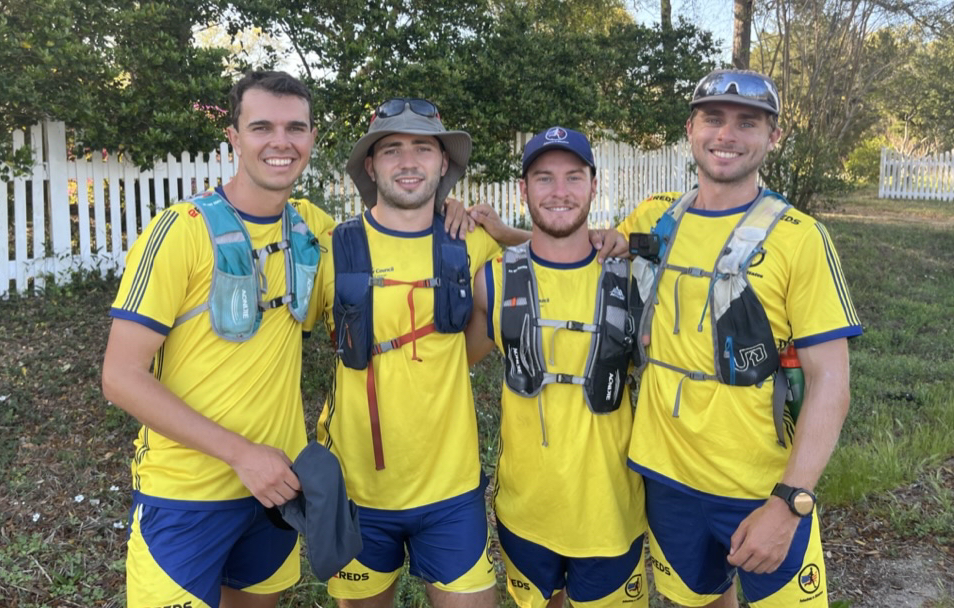
When four Australian athletes were preparing to run 3,300 kilometres from Florida to the Canadian border in 2023, their ultra-challenging feat hit some roadblocks.
The project, “Mates vs States,” required the group to cover the distance of a full marathon – 42 kilometres – every day, for 80 days. Despite the group’s physical preparation, the global insurance industry classified the project as uninsurable. It was not a city-sanctioned and organised race, they were told, so insuring the runners on public highways would not be possible.
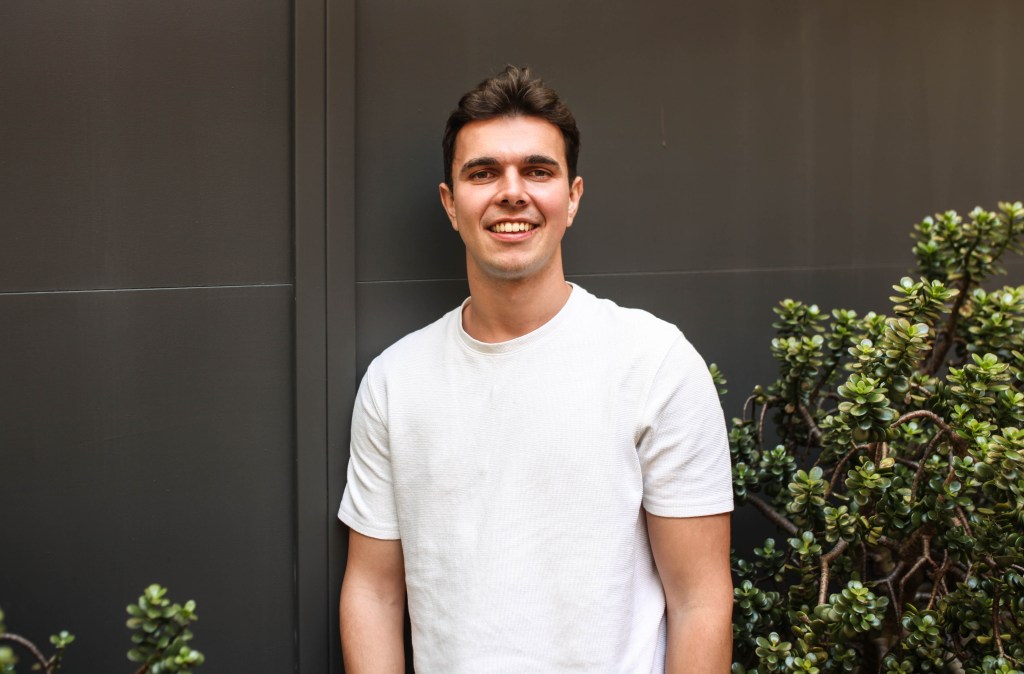
“On like the 100th page, there was an exclusion, which said like no extreme events,” says Sean Stuart, then a VC investor, and now the co-founder of Rosella.
“I would try and define ‘extreme,’ and it would say – a marathon is extreme. And I was like, well, 80 marathons is definitely extreme then.”
The mates took on the States, nonetheless. The consequences of not having insurance became a reality in South Carolina, halfway into the expedition. Stuart contracted cellulitis, blood poisoning in the foot, and began vomiting on the side of the road with a dangerous fever. “I couldn’t go to the hospital because we weren’t covered,” Stuart says.
Guided by his parents, who are both medical doctors, he treated the infection with oral antibiotics – and continued to run. It was a gamble that paid off. Incredibly, Stuart and his friends reached the Canadian border in 79 days, one day ahead of schedule.
Rebuilding a degraded industry
The grit required to finish that run has translated into Stuart’s latest endurance feat: building Rosella. The startup’s mission is to solve one of the (many) hurdles the UTS graduate faced on US highways. Making insurance more transparent and easier to obtain.
In the U.S., the $150 billion (AUD$210 billion) commercial insurance brokerage market has become heavily consolidated. Private equity firms have spent years executing “roll-ups” – purchasing thousands of independent “mum and pop” brokerages and merging them to maximise profit. In the process, Stuart argues, the casualty has been the customer experience.
“Private equity has really degraded it… their way of coming in is to cut costs as opposed to thinking about the customer and how they can improve the experience,” Stuart explains.
“Brokerages are becoming more and more profitable – and the experience for the customer is just becoming worse.”
Sean Stuart
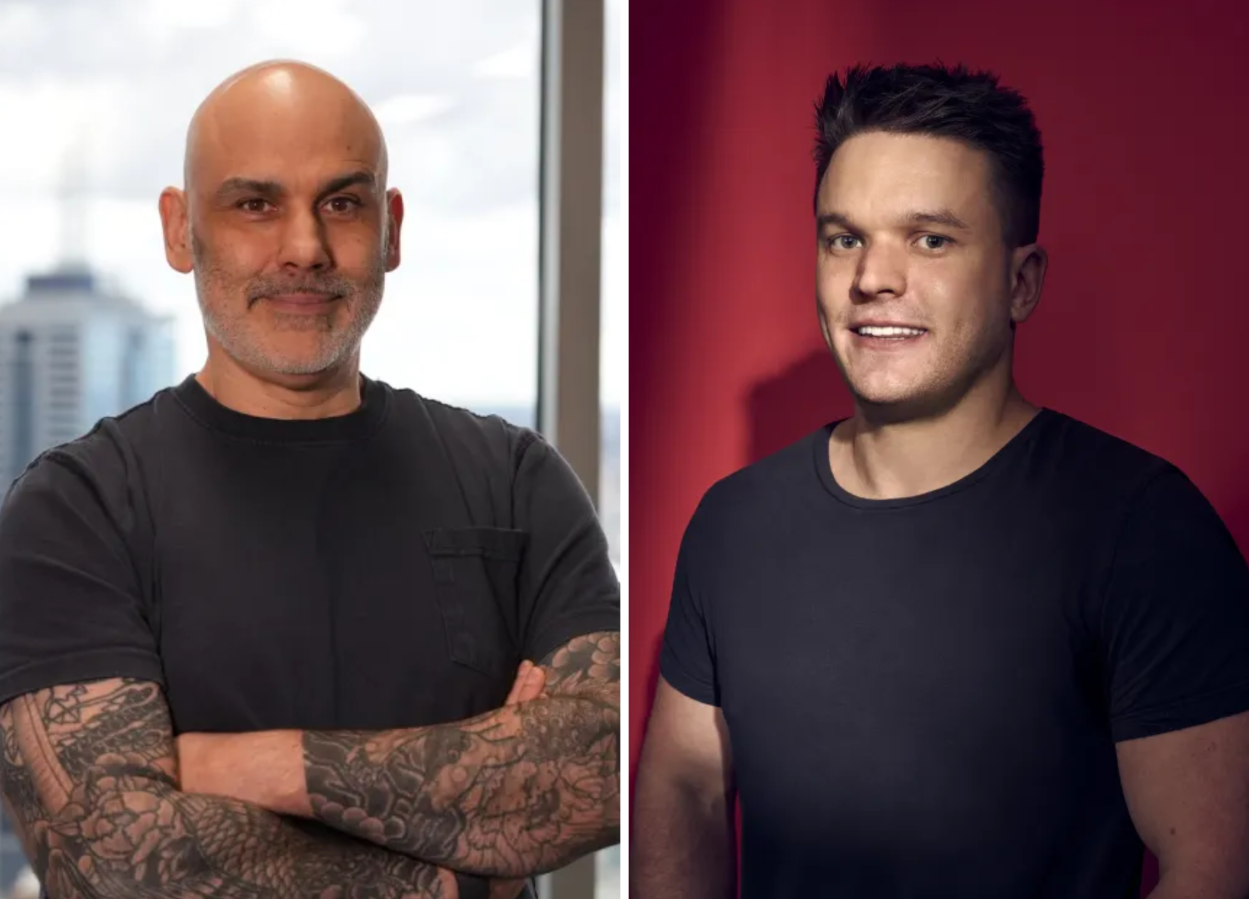
Rosella, which Stuart founded with fellow Aussie entrepreneur Chris Dwyer just 6 months ago, pivots the PE insurance brokerage model. Rather than cutting costs by reducing service, Rosella is using venture capital to build an AI-native stack that cuts the busy paperwork and restores customer satisfaction.
By automating the “grunt work” that leads traditional firms to neglect smaller accounts, Rosella can offer top-tier service to ‘middle American’ companies, like truckers, construction firms, and childcare centres, that have been sidelined by the “rolled-up” insurance industry over the last decade.
Dismantling the 30-year stack
This “anti-roll-up” strategy is powered by cutting-edge technology. Most incumbents are tethered to 30-year-old software platforms like Applied Epic and Vertafore, Stuart says. These systems are often too closed or antiquated to integrate the modern AI Stuart believes is needed.
“Eighty per cent of brokerages use the same 2 software platforms… and it’s very hard to innovate,” says Stuart. “We are coming in and rebuilding this tech stack from scratch.”
By using AI to scan 2,000 insurance companies and identify coverage gaps in real-time, the company is attempting to achieve superior underwriting results that legacy firms, burdened by technology, cannot match.
Peak, Intact and the Texas snowstorm raise
It’s a play that caught the eye of investors.
Two months ago, Stuart left Australia and arrived in Austin, Texas, during a -13°C snowstorm, to showcase Rosella to the Americans. Taking meetings from an unheated Airbnb while wearing multiple jumpers and gloves to stay warm, he secured investment from Intact Financial Corporation – a global insurance giant headquartered in Canada.
Intact’s leadership was impressed by Stuart’s commitment, not only writing a cheque, but putting a seasoned executive on the board.
“Having Justin from Intact on the board of an AI native company that’s trying to be a $10 billion brokerage is really, really helpful for us,” Stuart says. “He’s done the old school 30-year grind.”
“Lower costs mean we can profitably serve the accounts legacy players ignore, and deliver a materially better outcome.
Sean Stuart
Intact Private Capital co-led Rosella’s $3.7m pre-seed round, alongside Singapore’s Peak XV Partners.
Rosella is using the funds to hire 40 brokers in the US, a move Stuart says is a part of an AI-driven “sales renaissance.”
As SAAS stalls, service surges
Advanced technology may now do the difficult job of assessing risk, he says, but more insurance means there is a greater need for boots on the ground to talk to the ‘mums and pops’ spread all over middle America.
“Software as a product is stalling. Services are booming,” says Stuart. “The next $100 billion company will not sell software licenses. It will sell a service powered by software, built specifically for the people doing the work.”

Rosella says it can reduce the time to generate a certificate of insurance from 30 minutes to under 2 minutes, by “eliminating major manual bottlenecks and automating client submissions across 100+ distinct carrier portals.”
Its data flywheel consolidates quotes, acceptances and rejections, using AI to consistently iterate and improve the process.
“The holy grail is not chatbots,” Stuart says. “It is browser agents that can navigate a hundred carrier portals, each different, and each on changing daily.”
Want to see more Forbes articles on your feed? Tap here to make Forbes Australia a preferred source on Google.
Look back on the week that was with hand-picked articles from Australia and around the world. Sign up to the Forbes Australia newsletter here or become a member here.