With domestic violence costing the Australian economy $362 billion, new mandates require that organisations provide 10 days of leave for survivors.
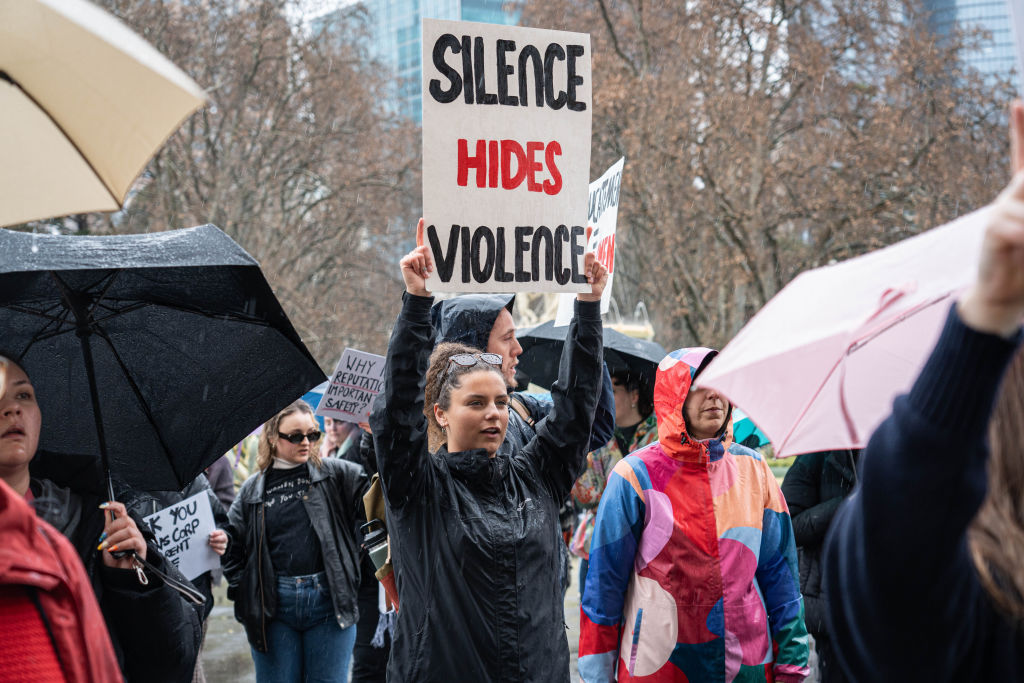
One woman is killed every 11 days by an intimate partner in Australia, according to research just released by the National Homicide Monitoring Program.
That data is just the latest statistic in the pervasive family and domestic violence (FDV) crisis impacting Australian society. It adds to a body of research that reveals an estimated one in four women has experienced violence or abuse at the hands of a partner since the age of 15, and that last year alone, almost 100,000 family and domestic violence offenders were investigated by Australian police – an 8% uptick on the year prior.
“This is the highest FDV offender rate recorded since the start of the national time series in 2019–20,” the crime and justice unit of the Australian Bureau of Statistics states.
Over the last three years, the Australian government has responded to the domestic violence crisis by strengthening laws to protect the employment of survivors. The law that was introduced in 2023 and updated in 2026, states that employers must provide ten days of paid ‘family and domestic violence leave’ to all employees, regardless of whether they are full-time, part-time, or casual.
It’s a law that industry experts say is a step in the right direction.
“Employers no longer have discretion to offer employees who are suffering from domestic violence leave,” says Cassandra Kalpaxis, the director of Kalpaxis Legal, and a specialist in family law and workplace safety. “Domestic violence is now considered a workplace safety issue, and that was not the case under the 2023 legislation.”
FDV leave is now a standalone entitlement nationwide, is in addition to annual leave, and mandates that employees be paid at their full rate. The leave must never appear on a payslip under its own name, to protect the privacy and safety of the survivor.
It aims to assist individuals undergoing a range of intimidating behaviour.
“Family and domestic violence means violent, threatening or other abusive behaviour by certain individuals known to an employee that both seeks to coerce or control the employee and causes them harm or fear,” the Fair Work Ombudsman states.
Kalpaxis believes the legislation is vital to protect survivors and their ability to produce income, but says it may not go far enough.
“The law has finally caught up to the reality that you cannot separate a person’s safety from their ability to earn a living.”
Cassandra Kalpaxis
“Ten days is a floor, not a ceiling. For a CEO, the real challenge begins on day 11, when the legal mandate ends but the crisis for your employee continues.”
Kalpaxis argues that rigid adherence to the minimum standard ignores the long-term nature of recovery and the ongoing risk of displacement.
“If you are viewing this as a ‘tick-box’ compliance exercise, you are missing the systemic risk,” Kalpaxis says. “Domestic violence doesn’t stay at home; it follows your staff to their desks, their emails, and your bottom line.”

The economic reality of FDV is staggering. While a long-awaited report on the current cost of FDV is expected from the Australian government in June, a 2016 PricewaterhouseCoopers report estimates FDV costs the economy $22 billion each year. A KPMG report from the same period puts the estimate at $362 billion over 10 years.
“That includes health, policing, lost productivity, social services, housing, long-term impacts, mental health, disability, intergenerational effects,” says Kalpaxis. “Economic abuse alone costs the government $11 billion per year. If a partner says ‘you’re not permitted to work,’ you can’t earn an income, you can’t draw on your own funds – then people need to draw on benefits.”
The recent legislative changes share the responsibility of the FDV crisis between the government and employers. Organisations must now acknowledge that sabotage – whether physical, through harassment at the office, or by technological stalking – is a direct threat to workplace productivity and safety.
Kalpaxis believes the shift needs to be as much cultural as it is legal. “We need to stop asking ‘why doesn’t she leave’ and start asking how we, as employers, can make it financially possible for her to stay in the workforce while she does.”
Want to see more Forbes articles on your feed? Tap here to make Forbes Australia a preferred source on Google.
Look back on the week that was with hand-picked articles from Australia and around the world. Sign up to the Forbes Australia newsletter here or become a member here.