Maternal monitoring platform Oli has closed a $6.5 million Series A3 round – drawing funds from Scale Investors, the University of Sydney, and Clare Ventures – to address postpartum hemorrhage, which globally takes the life of one mother every eight minutes.

Thirteen-year-old Oliver lives in Sydney and just like his mates at school, is maturing into an active teenage boy. His start in life was somewhat different to his contemporaries, however. ‘Oli’ was delivered by caesarean at just 33 weeks, born with significantly underdeveloped lungs, and given just a 20 per cent chance of survival.
Like his mum, Sarah, Oli is a fighter.
Dr McDonald, as she is now known, describes her son’s childbirth in 2012 as a horrific experience. Immediately after, the mechatronic engineer set out to develop technology to prevent other parents from going through something similar.
“McDonald went on to complete a PhD in medicine, focusing specifically on understanding the normal progression of labour,” Oli’s CEO Tara Croft tells Forbes Australia. “What emerged from that research was a clear realisation: clinicians were operating with limited, fragmented data, relying on retrospective signals rather than predictive insight.”
Fast-forward a decade, and McDonald’s maternal and fetal monitoring device, eponymously named Oli, has analysed 17 million maternal heartbeats, recorded 85,000 contractions, and monitored almost 1,500 women in clinical studies.
“At its core, Oli is a wireless, wearable device that captures millions of physiological data points across ten biosensors – maternal and fetal, simultaneously – without interrupting movement, position, or the natural progression of labour,” says Croft, who was appointed CEO of Oli, formerly named Baymatob, in 2021.
“This data is processed through its patented Predictive Maternal-Fetal Signal technology, translating raw inputs into live clinical signals that update as labour progresses, identifying early
patterns that precede serious complications.”
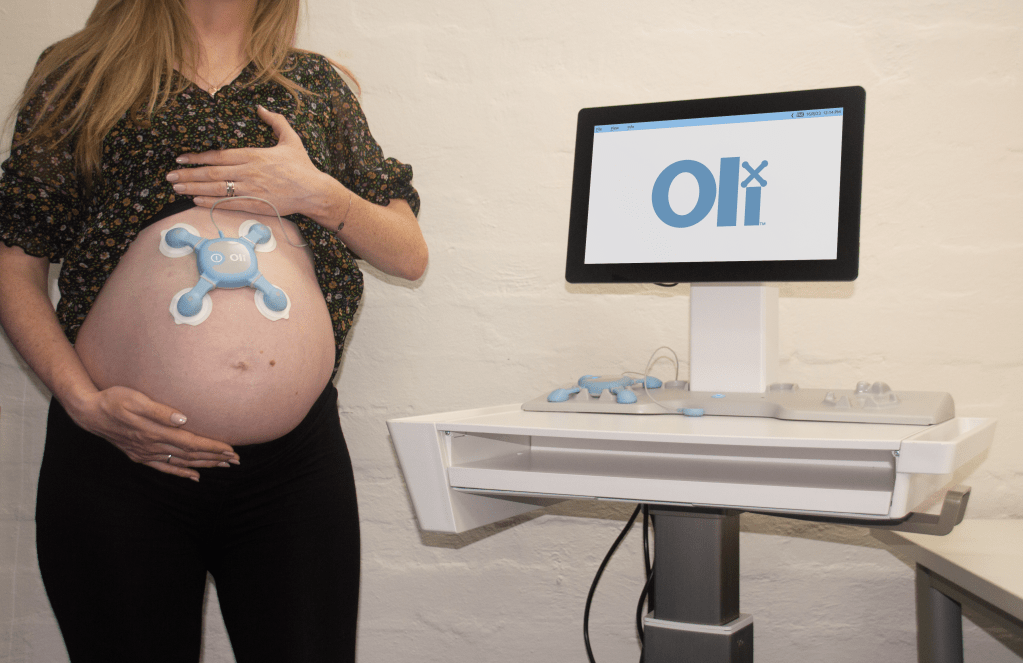
Oli doesn’t just assist with monitoring one mother and fetus in the delivery room. It draws on aggregated data from previous births to provide highly-informed analysis.
“Every birth Oli attends makes the Maternal Intelligence Platform more comprehensive as it aggregates data and signals across births, refining predictive accuracy further over time,” says Croft. “Oli aims to have the ability to analyse up to fifteen conditions and complications across pregnancy and birth, including postpartum haemorrhage (PPH), fetal distress, stillbirth risk and labour progression.”
According to the team at Oli, the technology that is currently used in delivery rooms needs to be improved to encapsulate more data, be used in a wider range of birth plans, such as water births, facilitate more movement, and perform consistently on different body types.
“The monitoring used in childbirth today that’s meant to protect the room, is the very thing making the room harder to be in,” explains Croft.
“The monitor can slip off, misfire or alarm unnecessarily, resulting in trust in its ability being lost. Technology that can’t be trusted demands constant attention from the room it was supposed to free – the mother watches the monitor instead of being present in the birth, the care team manages the equipment instead of focusing on the patient, and the experience becomes dictated by the monitor itself.”
Oli’s path forward
The company is now involved in U.S. clinical trials, as well as trials at the Royal North Shore and Royal Hospital for Women in Sydney. The Oli device was awarded a ‘Breakthrough Device Designation’ by the FDA, in 2021.
Alarmingly, PPH is on the rise in the U.S. A 2025 study published in Wiley found that between 2016 and 2022, rates of uterotonics/TXA and/or PPH increased from 12.1 per cent to 19.7 per cent. The research concluded that the conditions were “associated with significant clinical and economic burden” and that there is a strong need for “appropriate intervention, better treatment options, and preventive strategies to manage abnormal postpartum uterine bleeding and PPH.”
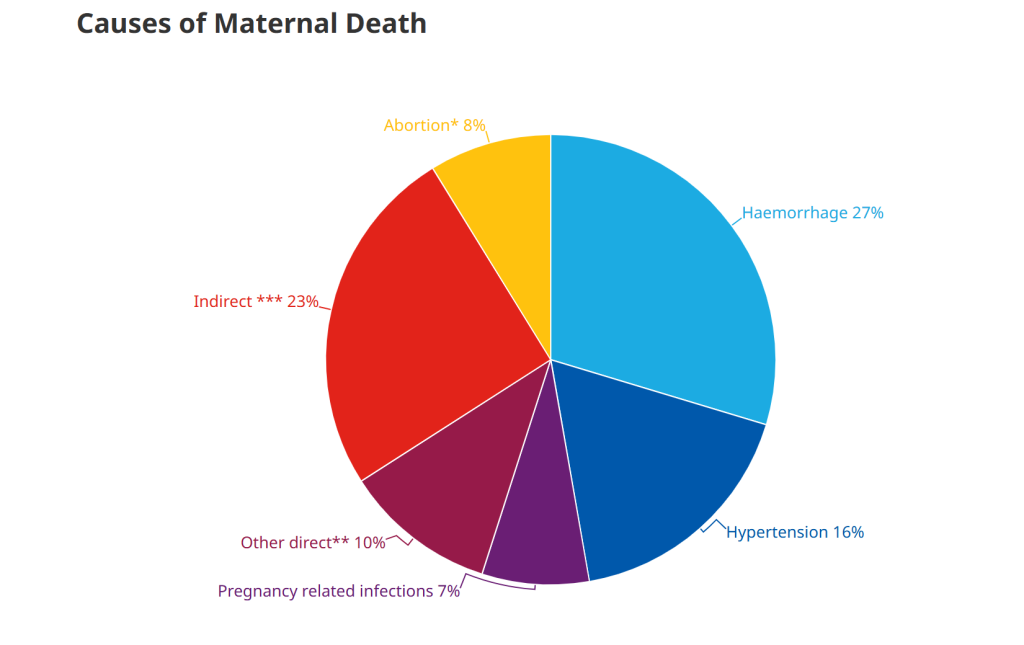
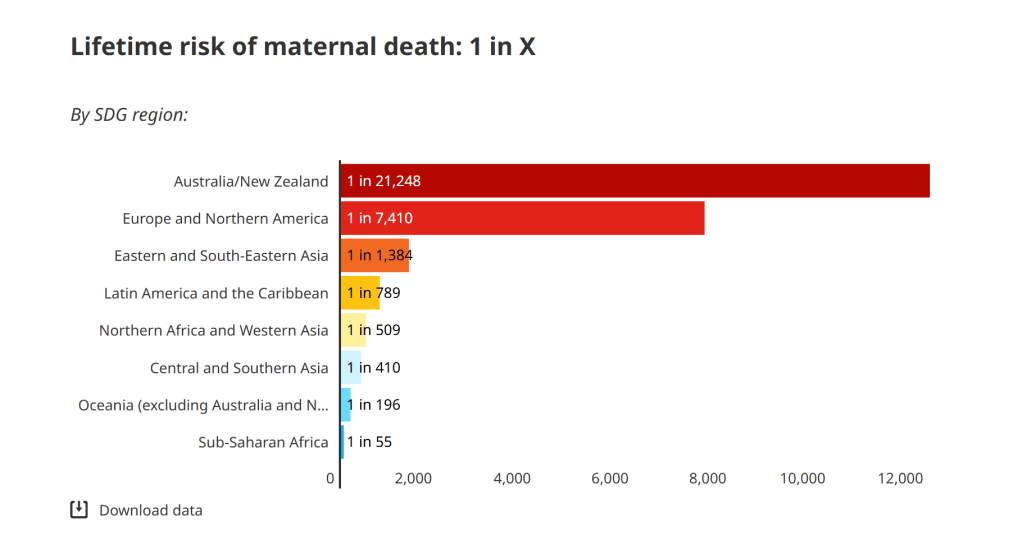
Globally, PPH remains the leading cause of preventable maternal death, with one mother dying every 8 minutes, according to a study published in the International Journal of Obstetric Anesthesia.
Dr Jeremy Farrar, is the Assistant Director-General for Health Promotion and Disease Prevention and Care at the WHO.
“Postpartum haemorrhage is the most dangerous childbirth complication since it can escalate with such alarming speed. While it is not always predictable, deaths are preventable with the right care,” says Farrar.
And that is where Australian innovation Oli can be of assistance.
Data from recent clinical and commercial trials has revealed the following:
- 80 per cent of mothers who suffered Abnormal Postpartum Uterine Bleeding (APUB), including PPH, could have had clinical attention before bleeding started to improve health outcomes and decrease risk;
- Earlier warning enables clinicians to use standard preventative treatments for PPH such as uterotonics and tranexamic acid, closer monitoring of vital signs, and faster escalation and clinical decision-making;
- Clinicians can also prepare before bleeding becomes critical by mobilising senior staff, establishing IV access, cross-matching blood, readying transfusion products, and moving the patient if required.
“Despite advances across healthcare, maternal and fetal monitoring has remained largely unchanged for over sixty years,” says Croft. “By identifying risks earlier across pregnancy and labour, Oli is designed to signal what’s coming – giving clinicians more time to prepare, intervene and make informed decisions before serious complications unfold.”
Want to see more Forbes articles on your feed? Tap here to make Forbes Australia a preferred source on Google.
Look back on the week that was with hand-picked articles from Australia and around the world. Sign up to the Forbes Australia newsletter here or become a member here.