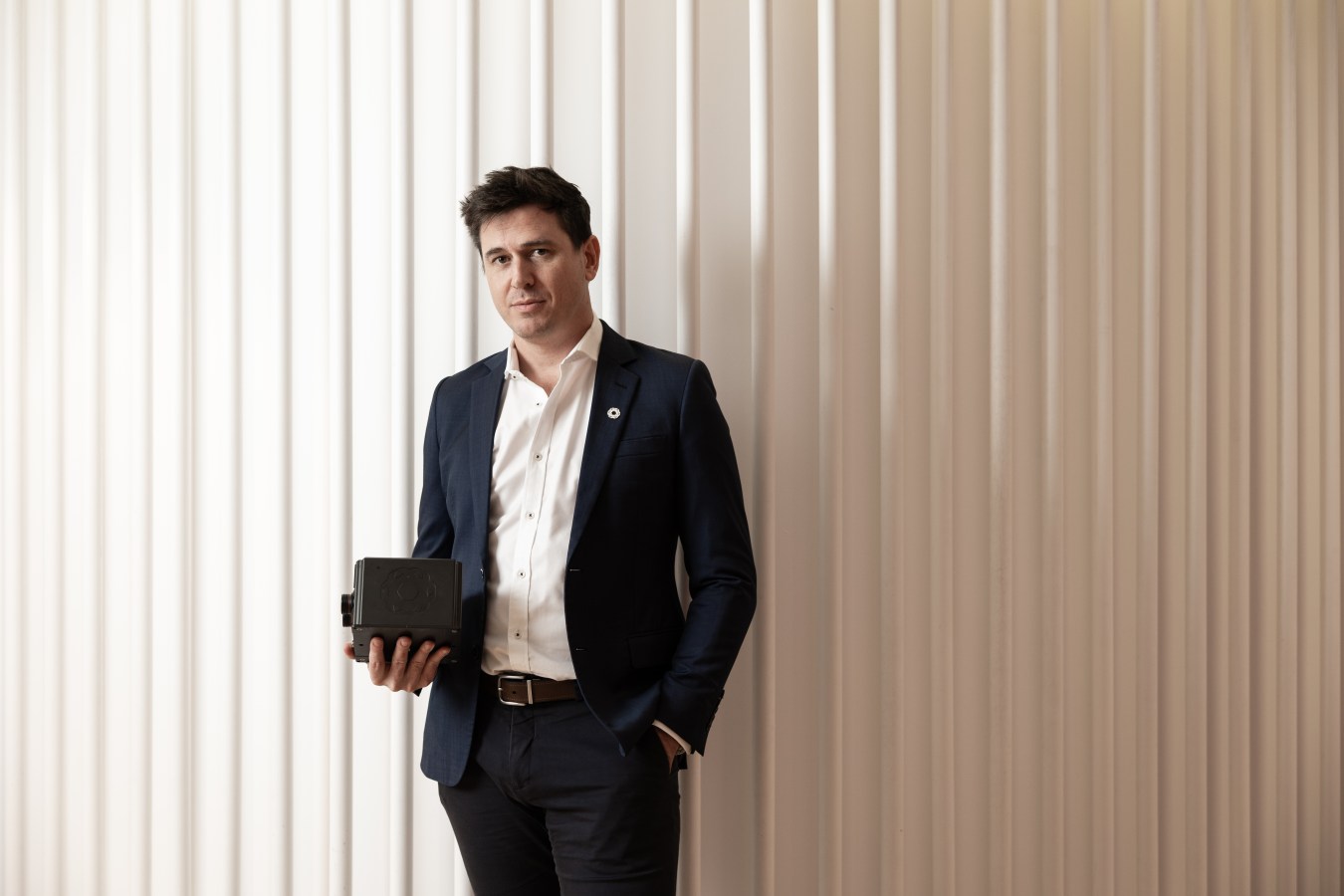
Brandon Capital led cancer therapeutics startup Myricx Bio’s $8.5m seed round in 2019. Now Novartis is buying it for up to $2.16 billion.
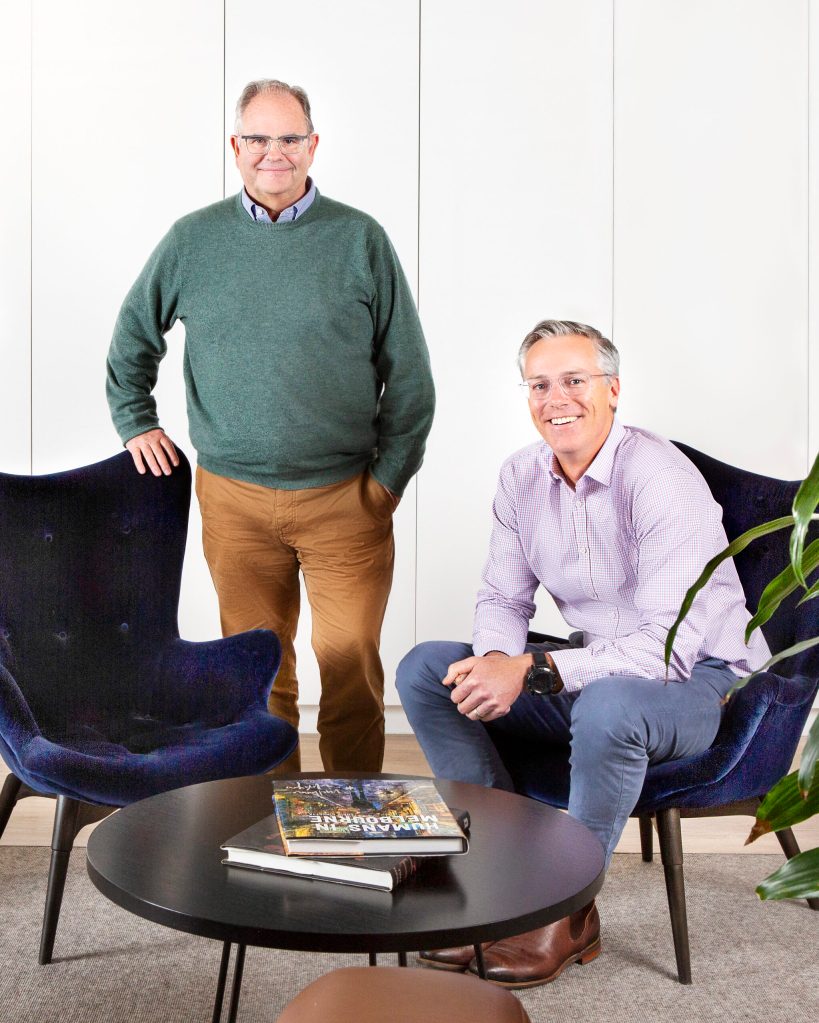
One of Australia’s longest tenured VC firms will soon enjoy its best ever return on a single investment following Novartis’ US$1.1 billion ($1.58 billion) acquisition of London biotech startup Myricx Bio.
Melbourne-headquartered Brandon Capital will bank just over $300 million once the transaction clears in September, having first backed cancer treatment startup Myricx Bio during its late 2019 £4.5 million ($8.7 million) seed round.
“We weren’t looking to sell the business, but [Myricx Bio had] been having some interactions with Novartis and then it just became apparent that they were very keen,” said Brandon Capital founding partner Stephen Thompson. “The CEO [Mohit Rawat] said, ‘Well, do you want to buy it?’ and that’s sort of what happened. There was no bank involved.”
Founded and based in London, Myricx develops antibody drug conjugates, or ADCs, that target and attack cancer cells without the collateral damage typical of other cancer treatments like chemotherapy. The deal is significant for its size given Myricx Bio is still very much in its early stage: Not only does it not have products in market, it has yet to begin clinical trials.
Novartis, a $440 billion Swiss pharmaceutical giant, came to Myricx with a non-binding offer in May. Beyond US$1.1 billion in cash, it is on the hook for another US$400 million ($575 million) if Myricx Bio hits certain development milestones in the coming years.
Brandon Capital, a dedicated investment fund for biotech and life science startups, helped form Myricx Bio in 2019 after its London-based venture partner Roberto Solari met chemist Andy Bell and biologist Ed Tate while lecturing at London’s Imperial College. Impressed by their research, Solari pitched their scientific bona fides to Brandon Capital’s partners. The firm went on to invest, and Solari acted as Myricx’s founding chief executive.
Brandon Capital invested in Myricx Bio’s seed round and its £90 million ($173 million) 2024 Series A. The former was via Brandon’s $210 million Fund Five and the latter through its $439 million Fund Six. Myricx Bio’s acquisition is Brandon Capital’s first realisation from either fund. Should the extra US$400 million bring the total sale price up to US$1.5 billion, Thompson said, this exit alone will return Fund Five and “most” of Fund Six.
That makes it a win not just for Brandon Capital but for its investors, which include super funds HESTA, Hostplus, Aware Super as well as the Queensland Government’s QIC investment fund and CSL.
Unlike many of Australia’s big VCs, Brandon Capital does not have a mandate to invest only in Australian companies and founders. Thompson estimates half of investments in Fund Five go to overseas biotech and life science startups.
The global biotech and life science sector has endured gloomy years following the frothy pandemic days. Venture funding for biotech startups hit US$15 billion in 2022, according to Intuition Labs data, followed by a dramatic slump to under US$5 billion in 2023. The fall in venture funding for Australian biotech startups was less precipitous but still significant: from $380 million in 2022 to $269 million in 2023.
“It seems that we’re sort of coming up out of that,” Thompson said of the market slump. “We’re seeing tremendous scarcity in capital still, but there are a few companies being bought, which is good, and there are selective companies getting listed on Nasdaq, which is also another good sign. So we’re renormalizing back to sort of healthy steady state.”
Several US biotech startups have listed this year: Most notable are Parabilis Medicines and Kailera Therapeutics, each of which raised well over US$600 million. Australian activity is more subdued, however, amid a general trend of muted ASX listings over the past few years.
Biotech startups have raised the alarm over the Albanese Government’s proposed changes to Australia’s R&D Tax Incentive, which lifts the cap on how much money Australian companies can claim back but adds that they can only use the incentive for their first ten years of operation.
“Most of these companies take 15 years before a product can get launched, if not longer, and as they could develop and grow, R&D gets more intense,” Thompson said. “To suddenly say, well, actually, we’re going to put an arbitrary time frame of 10 years on how long a company can collect the R&D tax credit, it’s just going to have a huge impact on the sector.”
Unlike the Government’s controversial changes to capital gains tax, which passed through the Senate last week, its R&D reform has yet to be legislated.
Want to see more Forbes articles on your feed? Tap here to make Forbes Australia a preferred source on Google.
Look back on the week that was with hand-picked articles from Australia and around the world. Sign up to the Forbes Australia newsletter here or become a member here.