
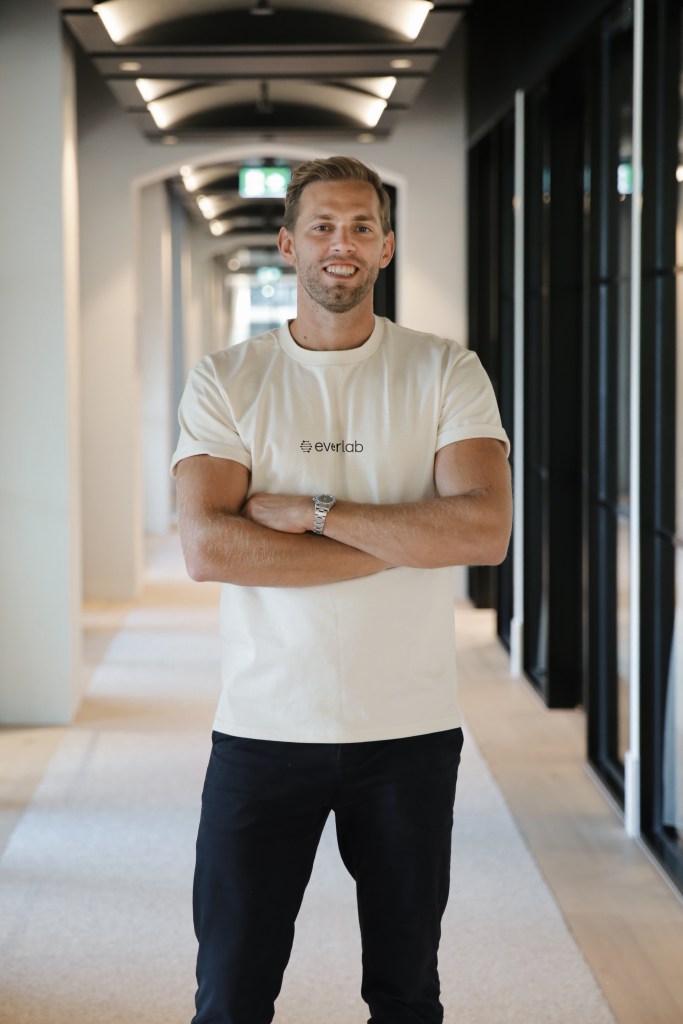
Marc Hermann set out to build a healthcare company focused on catching disease before it strikes. Investors have backed that vision with a $65 million funding round.
Everlab has raised $65 million at a valuation approaching $500 million, marking what appears to be Australia’s largest medtech capital raise of the year, cementing the Melbourne-based preventive healthcare startup as one of the country’s fastest-growing tech companies.
For co-founder and chief executive Marc Hermann, however, the company’s mission began long before investors were writing eight-figure cheques.
When Hermann was 13, his father collapsed and died in his mid-40s from a sudden heart attack shortly after finishing a half-marathon.
“It was one of those unfortunately way too common cases,” says Hermann, 37. “Very healthy from the outside, zero warning signals, and then from one day to the other he was gone.”
“We weren’t planning on raising. Usually that’s the best catalyst for a good round — when you don’t need the money.”
Marc Hermann, Everlab CEO
The loss stayed with Hermann through a career that took him from German startup Rocket Internet to southeast Asian ecommerce giant Lazada and eventually to the sale of his own nutrition and fitness company, Foodspring, to confectionery giant Mars in 2019.
After moving to Sydney with his Australian wife, Hermann initially intended to take a break from startups, but found himself searching for a new venture that felt meaningful.
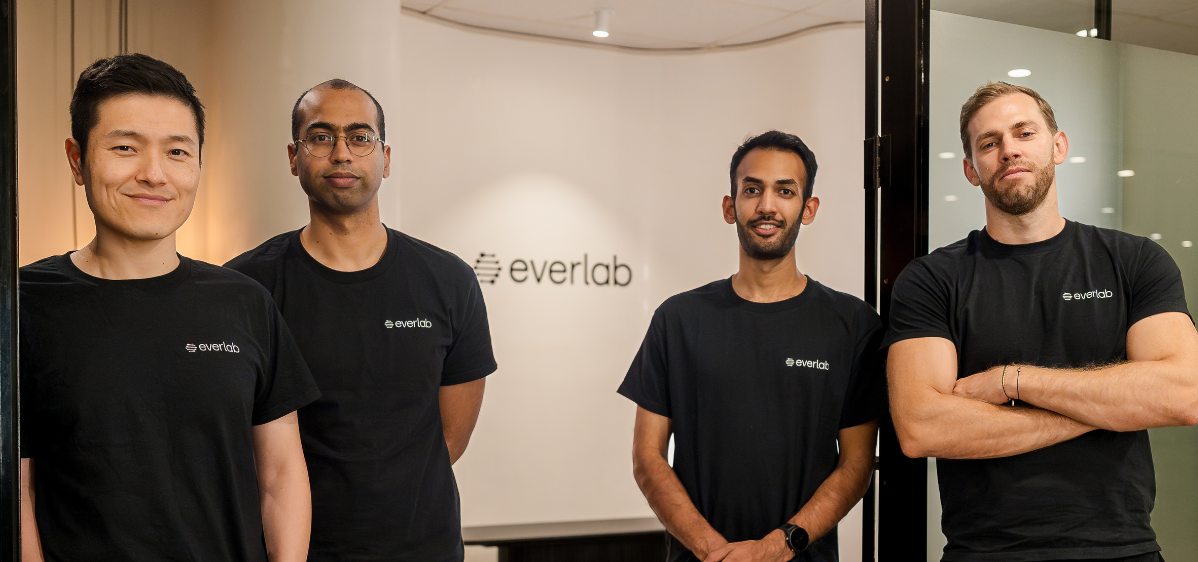
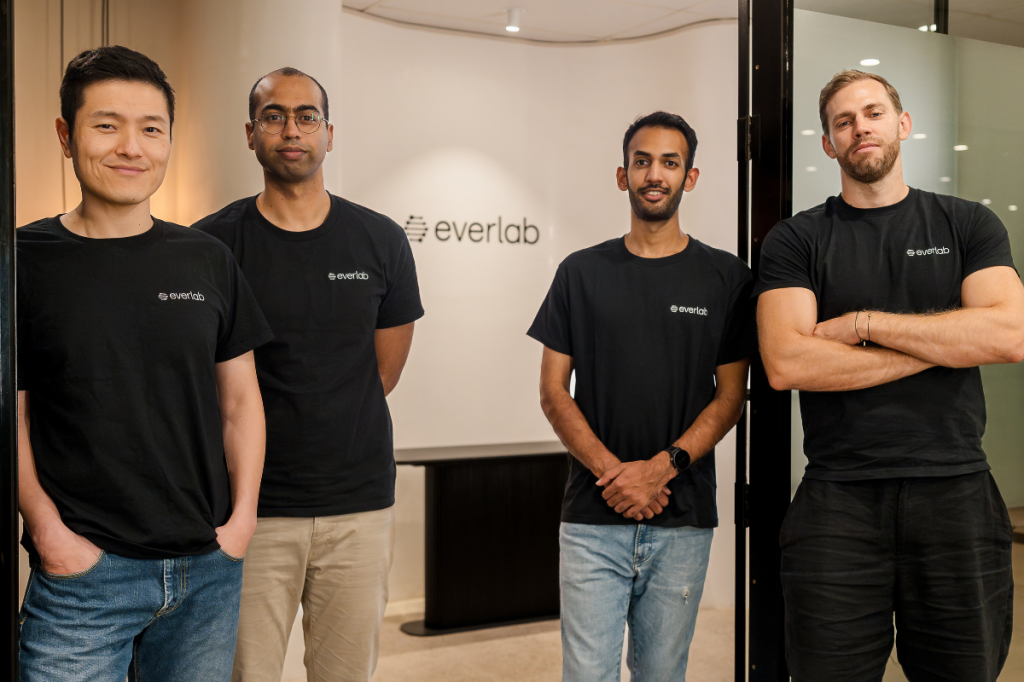
He found it when he met Dr Steven Lu, Anshul Jain and Sam Kothari, who had similar stories of premature illness and death of people close to them. They had a vision for scaling Lu’s small suburban practice with an app, a subscription model and outsourced testing focused on taking the surprises out of health.
They founded Everlab in 2023.
Everlab raised $15 million in a seed round announced in July 2025. In the 11 months since, revenue has grown tenfold, Hermann says, servicing 20,000 patients over 40,000 consultations. “We have more than 180 clinicians [90 doctors, plus dieticians and physiotherapists] working for us, and we integrate into more than 1,800 physical locations across Australia … everything from pathology, radiology, specialist partners, plus things like genetic testing and microbiome testing.”
The latest $65 million funding round was not part of Everlab’s original plans. Hermann says the company had barely touched the capital raised in its previous round and was focused on executing its growth strategy when investor interest began to intensify.
“We weren’t planning on raising,” he says. “Usually that’s the best catalyst for a good round — when you don’t need the money.”

The groundwork had been laid during the company’s 2025 raise, when Everlab spoke with a wide range of venture investors before ultimately choosing US-based Left Lane Capital. According to Hermann, Left Lane stood out because of its understanding of preventive healthcare and the evolution of similar models in the United States.
The company continued sharing updates with investors it had not selected, circulating quarterly board materials and performance metrics. As Everlab’s growth accelerated, so did investor attention.
That culminated in venture capital firm Airtree Ventures approaching Everlab with a term sheet, seeking to lead a larger financing round. It was joined by Left Lane, London tech investor Plural, Europe’s b2venture and angel investors including Australian Test Captain Pat Cummins. It is the largest medtech raise in Australia since Heidi Health’s $98 million Series B in October 2025.
A significant portion of the funding will be directed towards technology and artificial intelligence. “Things we’re doing today simply weren’t possible a year ago,” he says.
Historically, healthcare has been a challenging sector for venture-backed businesses because of complex regulations and high wage costs for doctors. Hermann argues AI has the potential to change that.
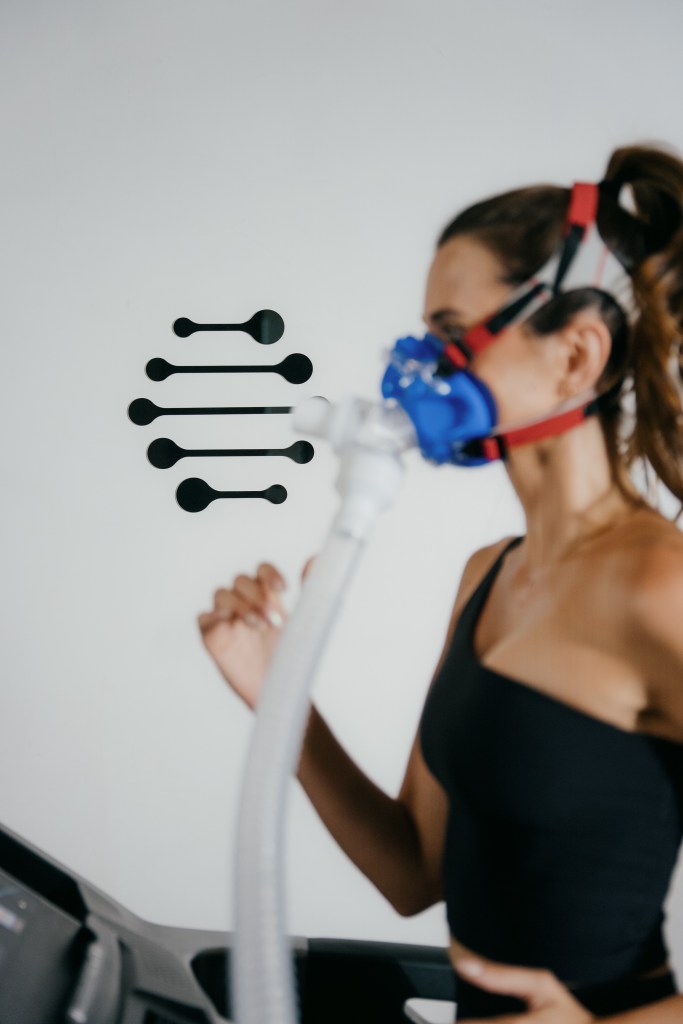
Over the past six months, Everlab has already expanded its engineering team from fewer than 10 to 25 and the new money will accelerate that, says Hermann.
The second priority is expanding into United Kingdom, a market Hermann believes shares many similarities with Australia’s healthcare system while facing growing pressure on public health services.
“In the UK, you have an interesting point in time where the NHS [National Health Service] is in a much worse state than Medicare is in Australia. Therefore, you see a lot of movement of people going more private and looking for new solutions because you have a massive, massive, massive care problem right now on the market.”
Other markets will follow but he says the decision on which hasn’t been made yet.
While not disclosing the founders’ equity positions, he said they still controlled the board. “So we still control the business.”
“The cool thing is like not only did we get him this heart scan, we got him an appointment for the surgery within 36 hours that removed the blockage.”
Marc Hermann
Hermann says that while many companies are offering one or two aspects of what Everlab offers, like OneMRI, or the multitude of labs and apps offering testing and analysis, none offered the full suite.
Everlab had grown into what he claims as a “full-blown health ecosystem where, under one hood, you get access to everything you need to manage your health … but also the vision, the dream, the scope of the business has evolved quite a lot, and hence the high valuation and the big funding round.”

The labs and testing are outtsouced, but brought in-house through an app connecting to its 180 medical staff.
Hermann says they’re saving lives.
“In 2025, we had 114 urgent – basically life-saving – findings, which is very humbling. But it really fires us up as founding team and for our employees.”
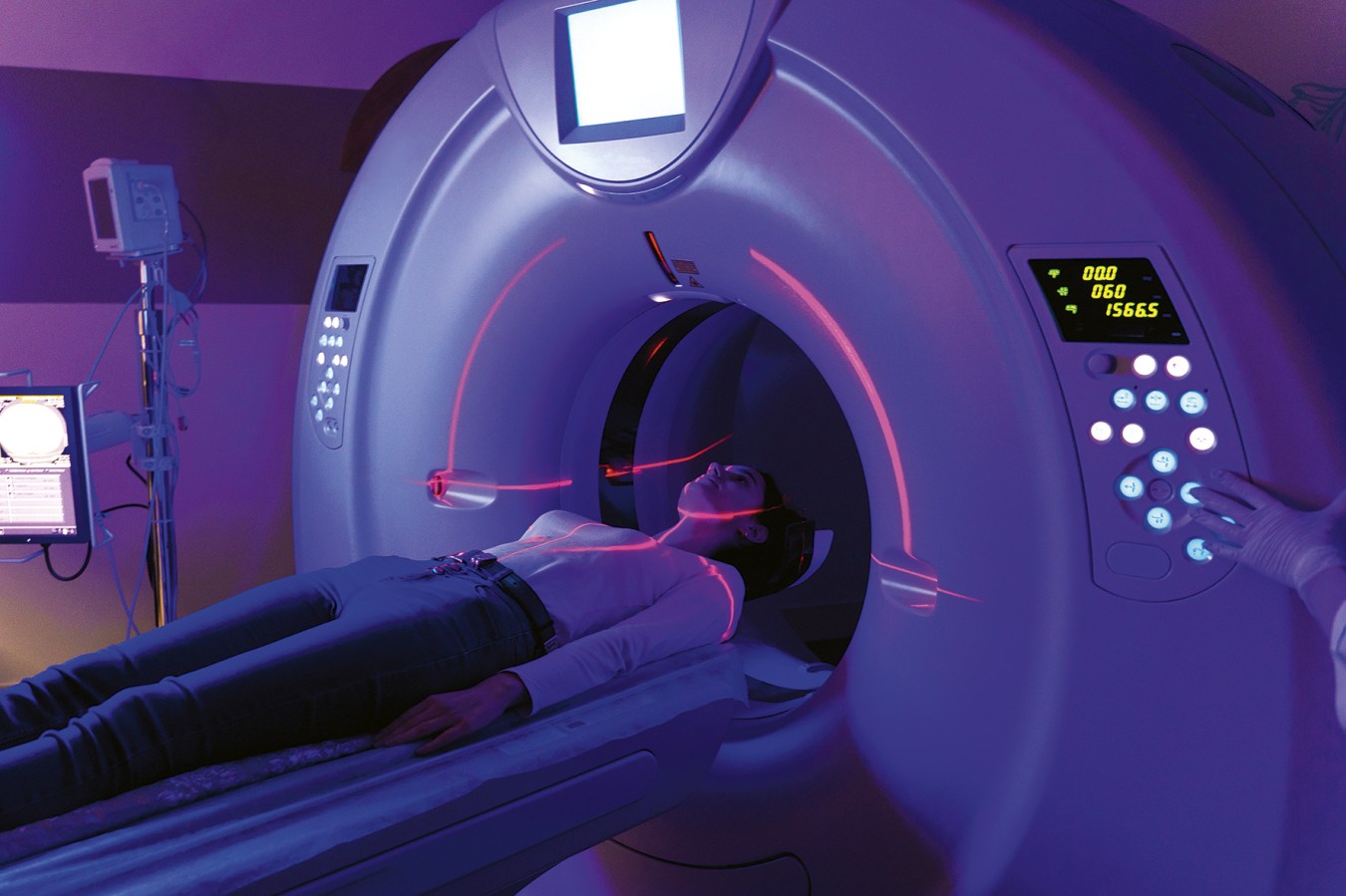
A recent case hit home. “We had someone just three weeks ago with a very similar story to my dad,” says Hermann. “Triathlete, 43, very fit from the outside. We ran some bloods on him, saw increased genetic risk for heart disease, got him to do a CT coronary angiogram. We found deep blockages in the heart arteries. Heart attack looming basically.
“Now, with any other providers and other startups out there, they wouldn’t have even gotten you to the heart-scan stage, but if they did, they probably would have just handed you over. ‘Find a GP to deal with it yourself.’
“But for us, the cool thing is like not only did we get him this heart scan, we got him an appointment for the surgery within 36 hours that removed the blockage, did a stent, and now he’s living well.
“This idea of like, ‘Hey, we are the place you go for your health needs, and we will see things through end-to-end,’ is something that’s very hard to do, and therefore not many are doing it. There’s a lot of partial overlap, but I don’t think anyone is doing the real end-to-end solution like we are.”
He said they’re saving more lives long term by getting people to change their lifestyle habits, dropping body fat and gaining muscle. “We will over the next couple of months go a lot deeper into publishing our own medical research. We’re really seeing very, very encouraging data points.”
Want to see more Forbes articles on your feed? Tap here to make Forbes Australia a preferred source on Google.
Look back on the week that was with hand-picked articles from Australia and around the world. Sign up to the Forbes Australia newsletter here or become a member here.