Opinion: Failure can feel like a verdict on who we are. But proper reflection can turn a setback into useful information, rather than a reason to quit, argues Tamsin Simounds
We’ve all been told that failure is part of the process. It builds resilience, makes us wiser, and teaches us things success never could.
Steven Bartlett tells us to outfail the competition, Adam Grant says if you’re not failing, you’re not experimenting enough.
On paper, of course, I agree with it all. But when I’m in the thick of it, when my gut is churning, my brain is catastrophising and I want to crawl into a hole and hide, reading that advice makes me want to throw my phone across the room.
I get a feeling I’m not alone. We’re taught we should embrace failure, but no one tells us how to do it, even when it hurts.
Why it hurts the way it does
When something goes wrong, especially something you cared about, your brain treats it as a threat to your identity, not just your plans.
If you’ve ever posted something that didn’t land, been rejected for a job, or had a conversation fall apart, you’ll know the pain doesn’t just feel emotional. It can feel like a punch in the stomach or a gripping ache in the centre of your chest.
That isn’t just a metaphor. Neuroscience shows that social pain activates the same neural circuitry as physical pain. It really does sting. The instinct that follows is to protect your identity instead of updating it.
It shows up as the urge to move on quickly, explain away what happened, or never try again. But when you protect your identity from failure, you also protect it from growth.
The only way to actually fail
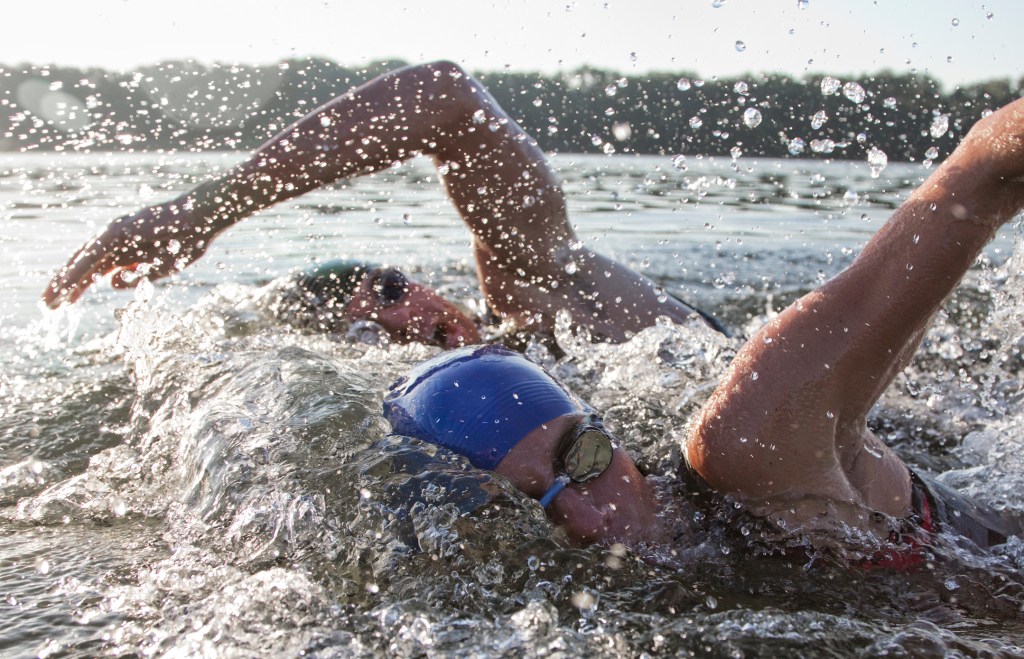
Around 15 years ago, I decided to train for a triathlon. At the time I wasn’t a fast runner, but I at least knew how to run. I had never cycled, and I could swim well enough to keep myself afloat, but that’s where it ended. For about six months I trained harder than I ever had. I was up at 5am, running to the pool to swim before work, and often training twice a day.
The day finally arrived and I felt as prepared as I could be. It was mid-February, the height of an Australian summer, 38 degrees. Blisteringly hot.
Even with all my preparation, I wasn’t ready for what came next.
In contrast to the heat of the air, the temperature of the water was freezing cold. Entering without doing a warm-up swim first triggers a cold shock response, causing you to involuntarily gasp and hyperventilate. I know this now. I didn’t before. On top of that, in true rookie style, I didn’t know to start toward the back. I was front and centre, getting kicked, swum over and pushed around. I didn’t have the space to catch my breath. It was scary.
I stopped and pulled my head above the water once the crowd started to thin out, utterly panicked. From that moment I was unable to put my head back under without triggering the panic. I doggy paddled the entire swim leg, with the safety boat alongside me constantly asking if I wanted to quit. I was too proud and too stubborn and managed to climb out of the water dead last. Humbling doesn’t even cover it.
The worst part was that because I was so embarrassed and annoyed with myself, I never tried again. I look back on that, knowing what I know now, and kick myself. I was so fit, and I was ready to show myself what I could do. Instead, I quit. I took what was really just a data point and turned it into a full stop. And that’s the only way you truly fail. You stop learning.
Failure with reflection is growth
Learning scientist Manu Kapur calls the ability to learn from setbacks “productive failure”. His research shows that when people are allowed to struggle before being shown the right answer, they understand and retain far more. The difference between failure and productive failure comes down to what you do next.
When something doesn’t go to plan, sit with four questions. What happened? Why did it happen? What did it teach me? How will I adjust?
If I’d asked those after the triathlon, I’d have learned to warm up before entering cold water and to start toward the back. Simple, useful, actionable. Instead, I let shame write the story. Failure is like a muscle. The more reps you do, the better you get at handling it.
Reflect on what happened and it turns pain into information, act on that information and it turns into wisdom.
Tamsin Simounds, author of The Experiment Mindset, applies the science of human growth to how ambitious people lead, work and build careers. After a decade in corporate healthcare leadership, she has spent the past ten years coaching executives and founders across Australia’s major banks, fast-growth startups and leading organisations.
Want to see more Forbes articles on your feed? Tap here to make Forbes Australia a preferred source on Google.
Look back on the week that was with hand-picked articles from Australia and around the world. Sign up to the Forbes Australia newsletter here or become a member here.