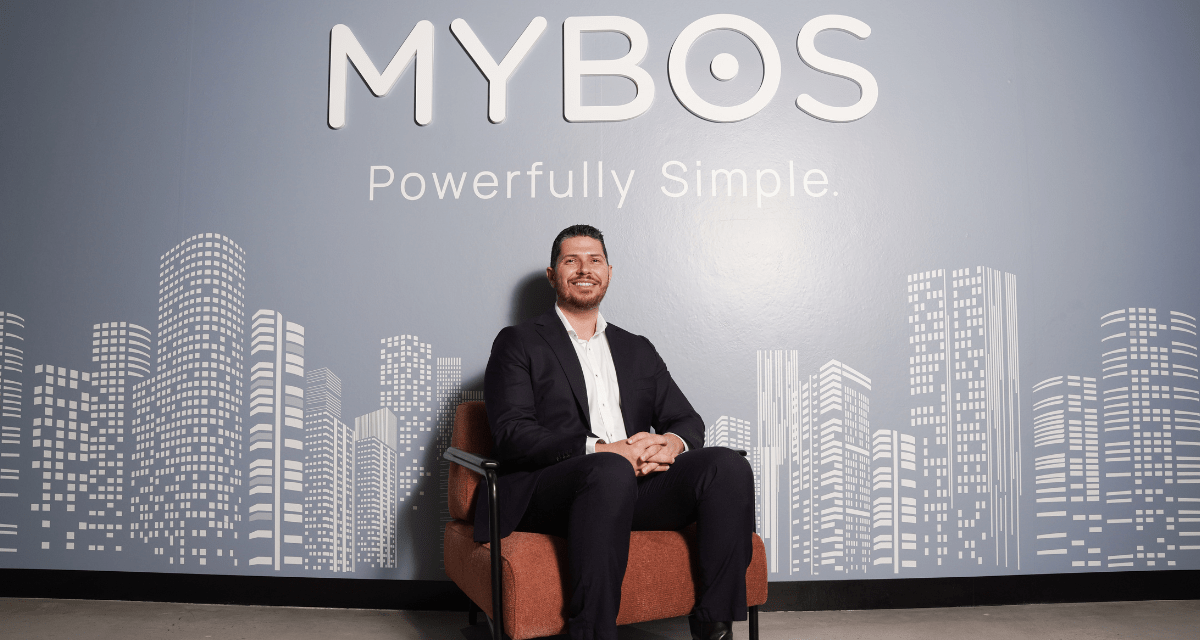

The Lebanese migrant and former building manager knocked on hundreds of doors before landing his first customer. Eleven years later, Mybos is taking on the world.
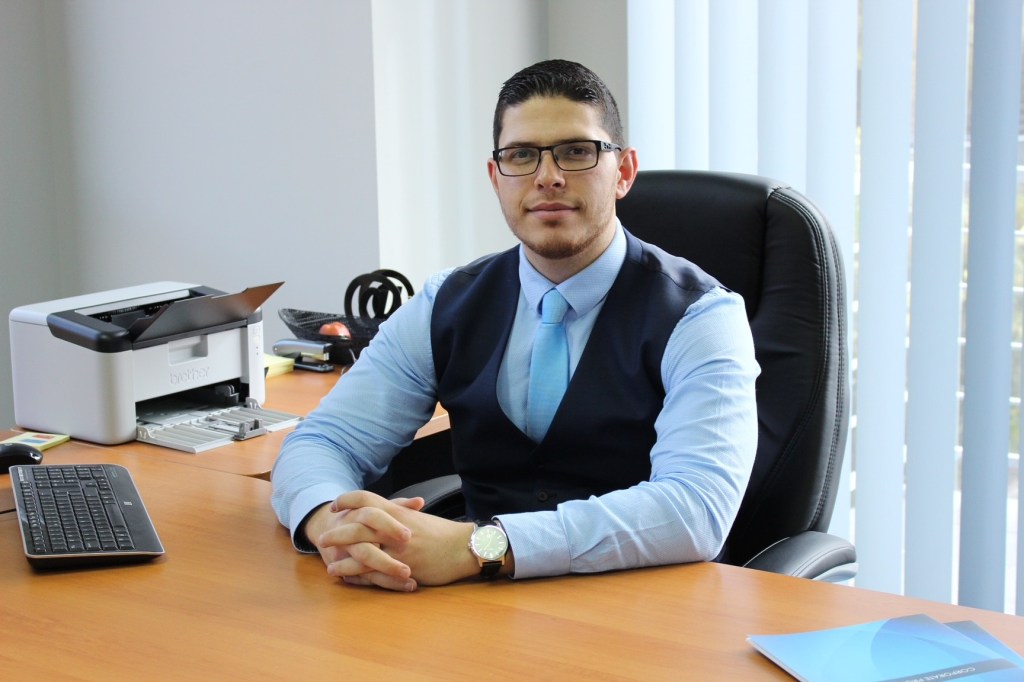
Armed with only printed screenshots of what his dream would look like, Sam Khalef would use his spare time from being an apartment complex caretaker to nip out and try to sell his software dream to other building managers.
“I printed it out on paper because it wasn’t live yet,” Khalef says of the software’s earliest incarnation. “I thought the only way I could market this product was to go out and door knock. I literally looked at Google Maps, pinpointed every high-rise building across Sydney and just cold-called building managers.”
He was two and a half years in before anyone said yes.
That was enough to have him quit his day job and at last build the system he called Mybos – which stands for My Building Operating System.
Eleven years later, his building management software claims more than half of New South Wales’ apartment buildings with more than 50 units, while heading towards 20% of Melbourne and Brisbane.
Khalef still owns all the company which he says is generating about $6.5 million in annual recurring revenue as it tackles the US, Canada and the UK.
“For us to compete against them, our product had to look better, had to operate better, had to have more features, and above that … local teams going out to war every single day.”
Mybos founder Sam Khalef
Khalef’s willingness to hustle was forged long before he had any software to sell.
He migrated from Lebanon with his divorced mother as a young child in the early 1990s, living with his grandmother in the western Sydney suburb of Chester Hill.
He left school in Year 12 and worked as a labourer, shop assistant and courier, with a side hustle in buying and selling on internet auction sites. At 19, he got a job as caretaker for Rockdale Plaza Apartments, a 600-unit complex in Sydney’s south.
“I loved the job. I had so much passion for it. I remember my boss was just really impressed by how much I valued the role.
“It was just exciting at the age of 19, to know they trusted you to look after this portfolio of over $100 million.”
After four years in the job, however, he concluded that there had to be a better way of doing it. “We used to do everything on paper: work order management; resident requests; preventative maintenance; reporting to my committee; my resident database.
“If there was an emergency in the building, I’d get 40 phone calls and I had to manage the relationship with the residents.”
The vision was to put it all on an online portal. His friend Omar designed what it would look like but they still had no software in the back end when Khalef, still working a string of side hustles, started door knocking in 2013.
He got used to rejection. He didn’t get a single sale for two years. Meanwhile, the New York-based competitor, BuildingLink, had come to Australia in 2011 and was fast gaining market dominance.
His and Omar’s savings of $20,000 had dwindled to $5,000. “We were screwed,” says Khalef. “I was like, what are we gonna do?”
And then the manager at the swish Walsh Bay Apartments – built on an old wharf in Sydney Harbour – said yes. “So many entrepreneurs and business owners lived there. It was so exciting for me to have that opportunity. I quit my job. ‘I gotta build this thing.’”
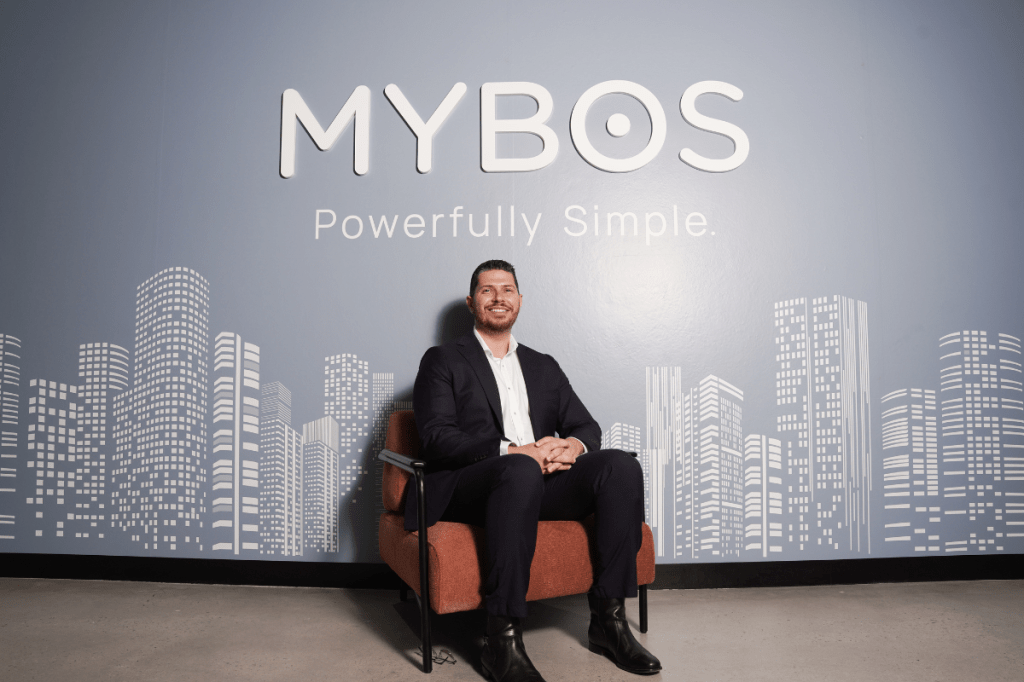
Khalef got onto Freelancer.com and was soon employing people all over the world. He put on the three-piece suit and kept selling. “Didn’t take a salary for a good two and a half years, and really just hustled across the CBD, trying to win market share.”
More sales came in.
Omar exited before the business was worth much, leaving Khalef to do everything.
By 2020, the business had hit $2.5 million in annual recurring revenue. Khalef tried to build a structure to grow the company. “That was painful because I quickly realised that not everyone thinks like a founder. What I would do in a day, you might need three or four people to do the same thing.
“I went through a good three years of pain – recruiting, churning, not having a board, not having anyone to speak with, just learning through pain.
“Three years ago, I decided to change the model. I went and hired a head of operations, a head of sales, and a CTO. I already had a head of product. They would report to me, and we built a team below them.
“Now we’re close to about 45 team members, we’re at $6.5 million in ARR aiming to hit $10 million in the next two years.”
Mybos already sells into New Zealand, Singapore, the United Arab Emirates and Hawaii and is aiming to take on the incumbents in the US, Canada and the UK.
But Khalef argues that that’s what they’ve been doing all along.
“For us to compete against them, our product had to look better, had to operate better, had to have more features, and above that, we had a lot more local teams … just going out to war every single day against these multi-multi-million dollar businesses from the US.”
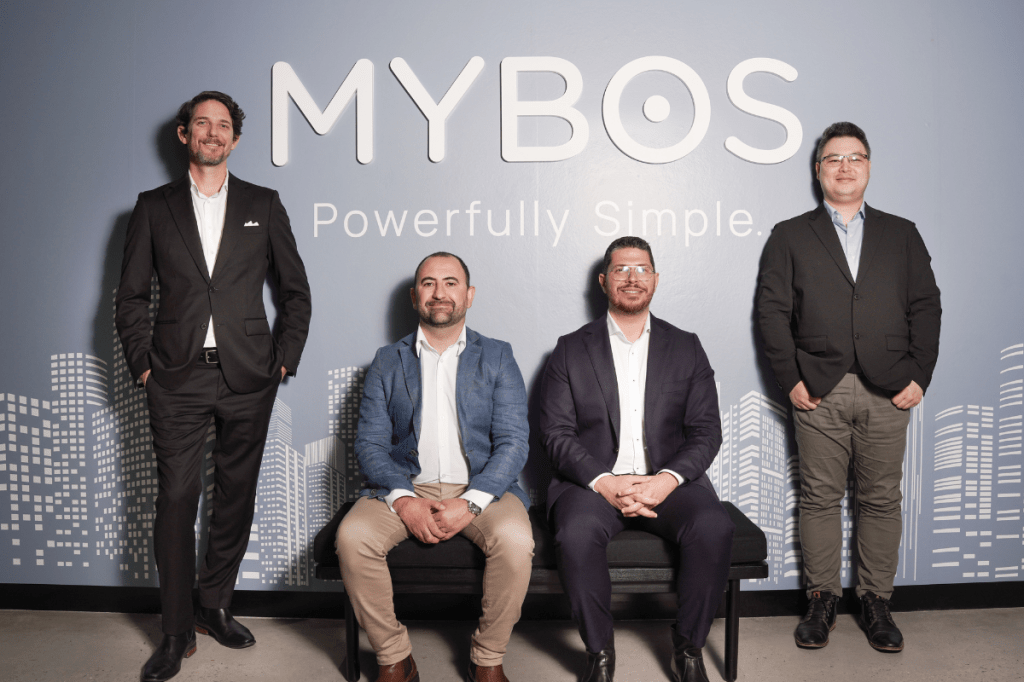
Property tech has traditionally had to go hard with a sales team because there are so many relationships to cement, says Khalef, with body corporates, strata committees, building managers.
Khalef is still toying with how that will look on the ground in the US. “I’ve definitely learnt a lot in the decade about different ways to sell – from being sales-led and moving into product-led. We’ve done a lot around getting our product ready for customers to self-onboard, self-sign up. And we’ve removed a lot of the red tape around a sales-led business.
“So we’re keen to experiment. We’re excited to change that focus and see if we can pull this off. It may work. It may not. And if it doesn’t, our fallback is to grow a lot harder on a sales-led focus.
“The business has always been under a lot of pressure, and we’ve always succeeded under pressure.”
Want to see more Forbes articles on your feed? Tap here to make Forbes Australia a preferred source on Google.
Look back on the week that was with hand-picked articles from Australia and around the world. Sign up to the Forbes Australia newsletter here or become a member here.