Canva’s new initiative, Global Goals, aims to crowdsource humanity’s aspirations. A coastal city south of Sydney – with long-established roots in Australia’s most successful consumer platform – is key to pulling it off.

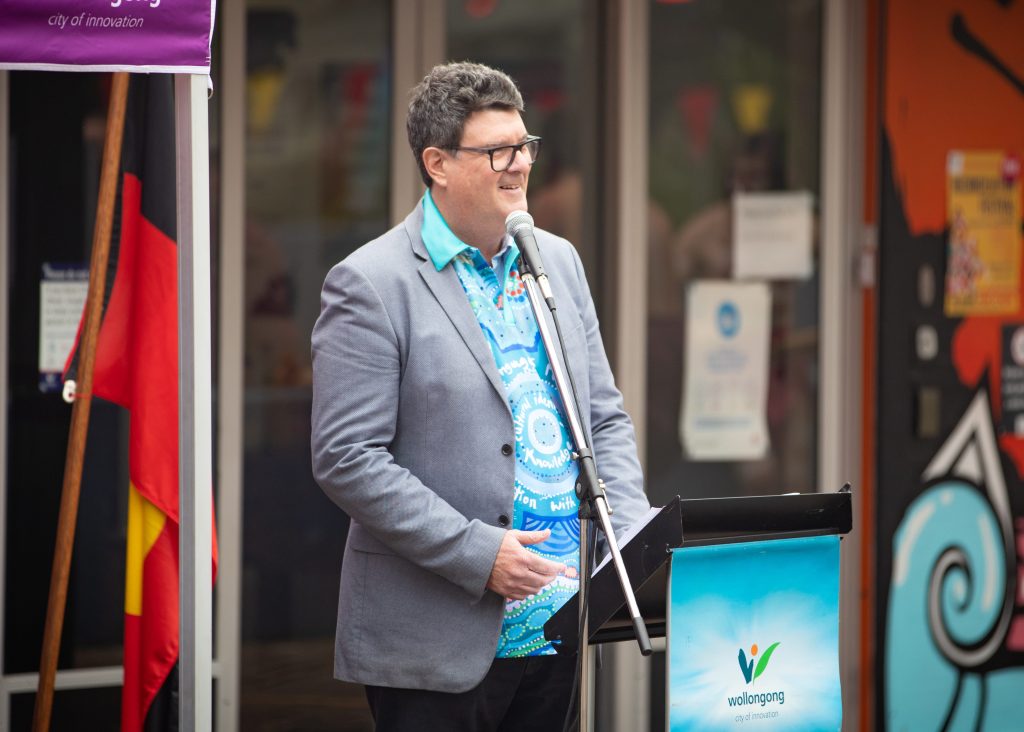
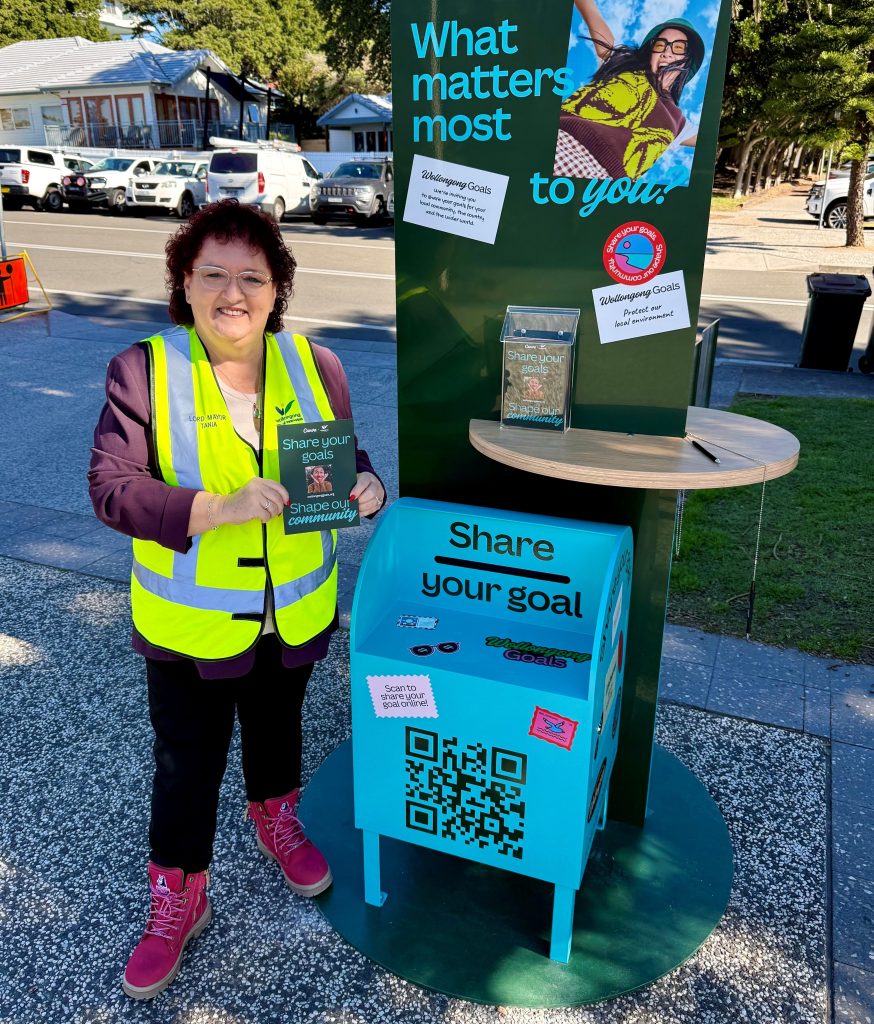
Wollongong’s Lord Mayor Tania Brown has been at the local shopping centre encouraging citizens to have their say. Not on an electoral ballot, but instead, giving their voice to a joint venture with Canva to help understand the will of the people.
Standing beside a newly installed post box in Wollongong’s Crown Street Mall, Brown is taking civic engagement directly to the pavement, combining physical postcards with high-tech digital tools to reach every corner of the coastal city.
Home to around 220,000 residents, Wollongong has set an ambitious target for the Canva pilot, aiming to capture the aspirations of 20,000 citizens.
“Wollongong is no stranger to standing up on the global stage and giving something that we think will benefit our community a crack,” says City of Wollongong CEO Greg Doyle regarding the city’s decision to embrace the nascent initiative.
“The timing of this is just perfect because people want to be able to share whether they’re despondent or optimistic.”
City of Wollongong CEO, Greg Doyle
Unlike traditional local government surveys that tend to funnel community input into multiple-choice options or narrow operational categories – like bin schedules or road maintenance – the Wollongong Goals initiative features an intentionally broad prompt asking people what single goal they would like to see achieved in their lifetime.
The partnership between Australia’s tech titan Canva and the City of Wollongong has a full-circle origin story. Back in 2011, Canva visited the region for a local university hackathon dubbed the ‘Hackagong.’
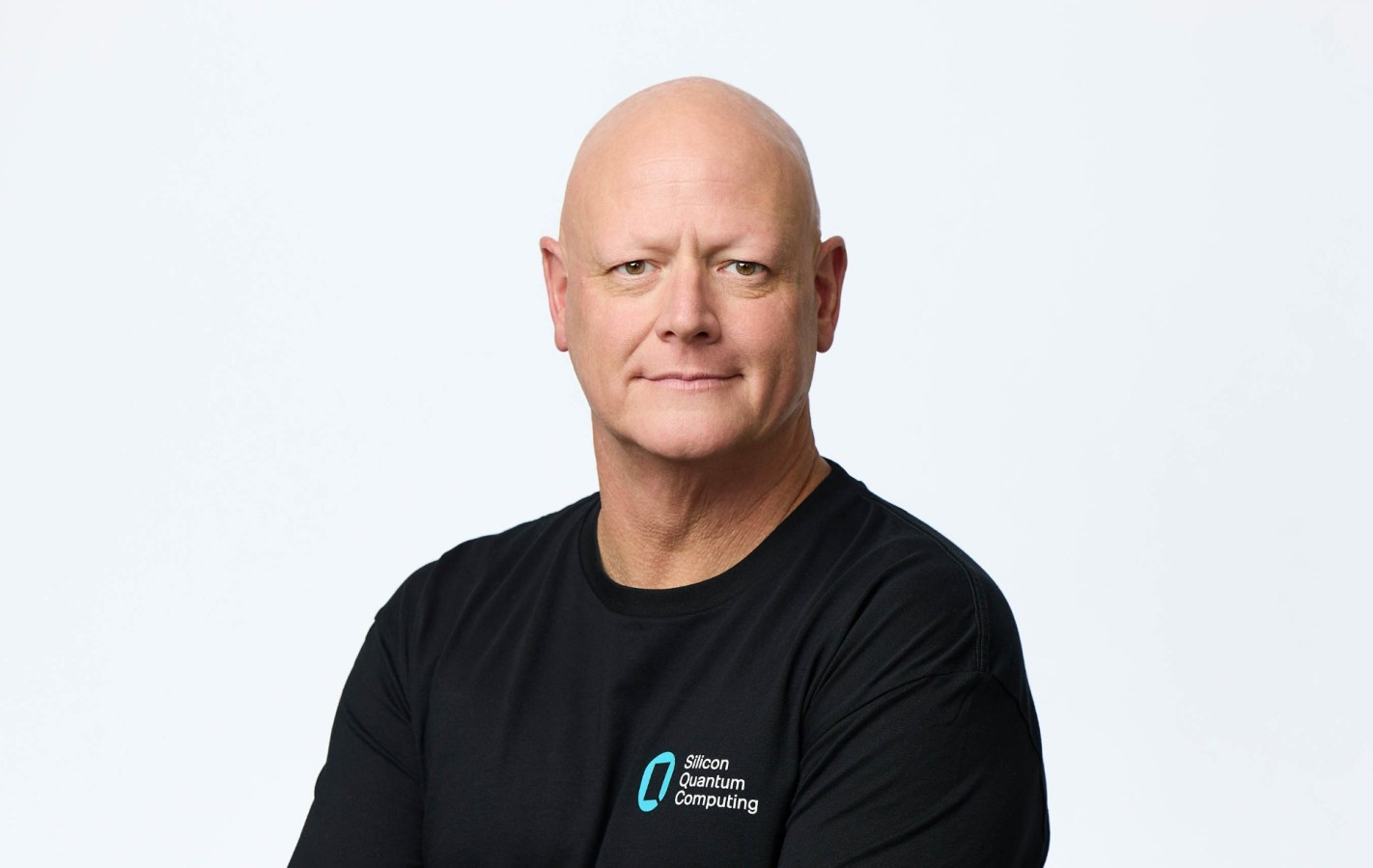
Co-founder and COO Cliff Obrecht had boots on the ground in the southern NSW city to test early product prototypes of Canva with students, Lord Mayor Brown recalls.
A former local council cadet named Zach Kitschke made an impact on Canva’s founders and became the company’s fifth hire. Today he is Canva’s global Chief Marketing Officer, and has made Forbes Most Influential CMO global list four times.
Building a multinational goals platform
Fifteen years after that meeting, Canva has established itself as a global creative powerhouse. Recently, Kitschke and Perkins were looking to launch a long-aspired civic-minded passion project into the digital sphere. Known as Global Goals, the initiative had secured the Ad Council as a partner in the US.
What was needed next, was a pilot city in their home country, that could take the initiative and filter it down to everyday citizens.
The CEO and CMO knew just the place. Earlier this year they reached out to the CIty of Wollongong, Australia’s 11th largest city by population and GDP, to see if there was any interest.
Greg Doyle, who had worked with Kitschke at the council back in the day, jumped at the opportunity. So did the Lord Mayor.
“It didn’t cost us anything but our own staff time, with no obligation to buy or use their product,” Brown explained. “As the city of innovation, we’re pretty keen to take the leap and see where we end up.”
For Kitschke, whose family still lives in Wollongong, the initiative holds personal significance. “Since day one, Canva has had a two-step plan: build one of the world’s most valuable companies, and use that success to do as much good as possible,” the CMO says.
“We’re starting with two dedicated pilot partnerships that are particularly meaningful to me, including Wollongong Goals in the city where I grew up and started my career, to help capture a community’s vision for its future in a way that’s never been done before.”
Giving voice to the silent majority
Perkins says the initiative stems from a conviction about collective hope. “We have this optimistic belief that there’s enough resources and goodwill in the world to achieve all of our goals, but goals aren’t given much of a voice,” she notes.
“So the idea behind the Goals Platform is to ask everyone, ‘What is the one goal you’d like to see achieved in your lifetime for the world, for your country, and your local community’ and then to help everyone understand that those are the goals that are shared in our communities,” says Perkins.
That message resonates with Doyle and Brown. Conventional town hall meetings and council consultations often give rise to the views of a vocal minority, Brown says. She has witnessed aggressive debate overpower quieter constituents.
The open-ended format of the Wollongong Goals platform creates a space for all demographics – women, young people, multicultural groups, and the broader silent majority – to contribute their visions without fear of confrontation.
“I have had women approach me saying, ‘I was at that meeting… I was too afraid to speak because the loud voices intimidated the women in the room,'” Brown says.
By pairing digital submission channels with physical postcard drop boxes, Wollongong City Council is gathering demographic and postcode data across both affluent and socio-economically challenged suburbs to ensure every neighbourhood helps shape the city’s future roadmap.
“If this tool gives me a way to have a respectful conversation and hear from the silent majority, I want to see what we get out of it.”
City of Wollongong Lord Mayor, Tania Brown
Globally, what has come out of the Goals platform so far is more than 5,800 citizen responses, highlighting priorities that stretch beyond typical municipal infrastructure: from regional climate solutions to affordable housing, local nightlife, and broader social issues.
Beyond gathering community feedback, the six-month pilot represents a unique cross-pollination between the public sector and the agility of private tech. While Wollongong Council brings deep community networks and strict governance standards, Canva gains vital insights into how local governments operate, building the operational capacity needed to deploy civic platforms across other Australian and international jurisdictions.
A new framework for public disruption
The initiative is also an exercise in disruption that challenges traditional government risk aversion, says Wollongong CEO Doyle. Rather than fearing what unfiltered feedback might reveal about the way the City is governing, Doyle views the potential influx of new voices and ideas as a positive.
“I’m super excited by that. It’d be fair to say there’s risk in this for the government, but if we have a low risk appetite, we would be watching this as opposed to participating in it,” Doyle tells Forbes Australia.
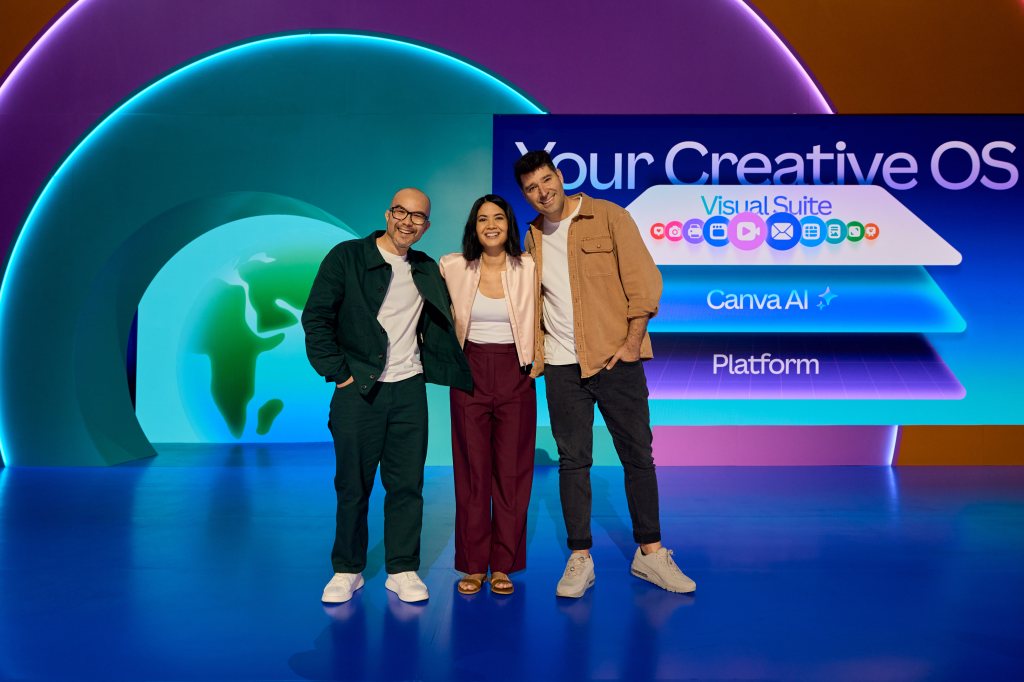
His three children, now in their late teens and 20s, grew up in Wollongong and are behind the initiative, but warn their dad that he may not like the feedback that is received.
“Dude, you’ve got to be careful what you wish for here, because you’re about to hear from a whole bunch of people you’ve never heard from before,” Doyle recalls his son telling him during a discussion about the Wollongong Goals project.
Instead of shying away from that risk, Doyle says he is delighted that the City Council is embracing sourcing more voices and giving them a microphone to share their aspirations.
Capturing diverse and unstructured data
What makes a crowdsourced project of this magnitude viable today compared to fifteen years ago is the evolution of modern data processing.
“We can now make sense of tens of thousands of unstructured, individual answers quickly enough to find genuine patterns, rather than requiring enormous manual effort to read and group them by hand,” a Canva spokesperson explained. “That processing capability is what’s new.”
To turn open-text submissions into structured insights without sacrificing integrity, Canva relies on a hybrid tech stack backed by human oversight.
“We use a mix of AI and fixed rules to take thousands of open-text answers and turn them into clean, structured data we can actually work with.”
“The AI helps us handle the volume and spot patterns; the rules keep that process consistent and a person reviews everything before it’s published. Nothing goes out that hasn’t been checked,” the Canva spokesperson notes.
For Kitschke, making community goals visible is a vital component of fostering democratic connection. “There is already enormous goodwill, talent, and resources in the world,” he says. “What’s often missing is a shared understanding of what people actually want to see happen, and the things that unite us we all want to see brought to life.”
How to solve the goals that surface is the next step. That is something that Doyle believes Perkins is equally passionate about.
“Visibility matters because a hope that stays private can’t be acted on by anyone,” Canva’s spokesperson responded when asked about what can be done about the goals once they are collated.
“We hope to visualize the goals people share, so communities can see where their hopes overlap with others around the world. From there, we want to help connect organisations, nonprofits, and individuals to the goals that match what they’re already working toward, and report back on the progress being made over time.”
Want to see more Forbes articles on your feed? Tap here to make Forbes Australia a preferred source on Google.
Look back on the week that was with hand-picked articles from Australia and around the world. Sign up to the Forbes Australia newsletter here or become a member here.