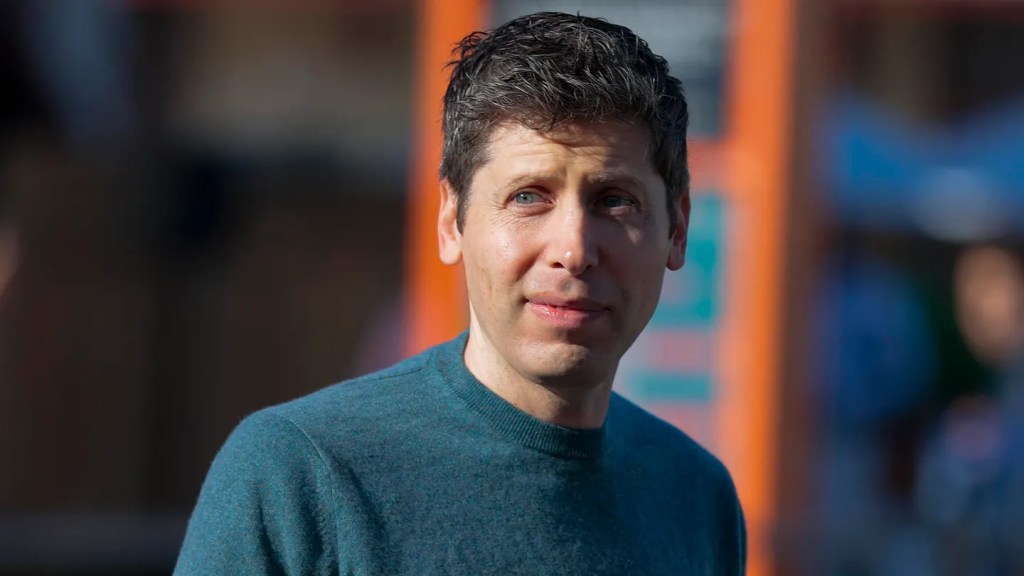
OpenAI CEO Sam Altman argued that artificial intelligence will provide significant benefits that justify the tradeoff of accepting “some bad things” stemming from the technology, as he drew a line between his company and chief rival Anthropic, saying OpenAI believes in a much more “lighter-touch” regulation despite recent safety concerns.
Key Facts
- In an interview with Politico’s Decoded newsletter, Altman said: “We believe that the world should accept some bad things happening for the benefits of this technology and people having the agency.”
- The OpenAI CEO said he believes people will do “orders of magnitude more” good things instead of bad things using AI.
- Altman said there was “broad daylight” between OpenAI and Anthropic and he disagrees with people who believe that AI is so dangerous that a “single lab in San Francisco should have it and make sure nothing bad happens.”
- Despite publicly agreeing with Anthropic CEO Dario Amodei’s development slowdown calls last month, Altman said his company believes in a “lighter-touch regulatory stance.”
- The OpenAI CEO also argued that he doesn’t believe the dire warnings of “really catastrophic risks” linked to AI, including fears of “a serious loss of control” of the technology by humans.
Chief Critic
Florida Gov. Ron DeSantis responded to Altman’s remark with an X post saying: “And a handful of tech oligarchs get to make that decision for the rest of us? No dice.” Unlike President Donald Trump, the Florida Republican’s government has taken a tougher stance on regulating AI companies. Last week, the state’s attorney general asked a court to block OpenAI from developing any new models until it has “third-party approved safety guardrails” in place.
Tangent
Over the weekend, Altman appeared to call out Anthropic in an X post, saying: “I am very uncomfortable about people trying to ascribe religious force or a surrender of human judgment to AI models, and think it is a real safety issue.” Last week, the New York Times reported Anthropic co-founder Christopher Olah has held meetings with several religious leaders in which he appeared to argue that their models could display human-like behavior and were likely conscious beings.
The report noted that Olah was in favor of models undertaking Catholic-style confessions to both admit their mistakes and improve their behavior. On Friday, Pope Leo XIV wrote on X: “In this era of artificial intelligence, it is becoming urgent to distinguish human art from what machines produce…Algorithms lack the spark of humanity.”
Key background
Altman’s statement comes amid catastrophic warnings about AI causing human extinction and a string of safety incidents involving OpenAI’s advanced AI models. The most high-profile of these incidents was first disclosed in July, when OpenAI reported that one of its advanced models hacked into the servers of Hugging Face, the popular platform that hosts open-weight AI models, during testing without being instructed to do so.
The model used a vulnerability in the testing environment to access the open internet before carrying out the hack. Last month, OpenAI disclosed six other incidents of “unexpected or concerning” behavior involving its models. In the blog post announcing these incidents, OpenAI warned that the AI industry hasn’t adequately solved “alignment and monitoring to a sufficient degree to continue responsibly scaling at maximum speed for much longer.”
Want to see more Forbes articles on your feed? Tap here to make Forbes Australia a preferred source on Google.
Look back on the week that was with hand-picked articles from Australia and around the world. Sign up to the Forbes Australia newsletter here or become a member here.