
I recently sat down with Dr Frank-Steffen Walliser, CEO of Bentley, and we discussed what makes a brand truly luxurious and what it takes to retain high-end customers when the market is tough and flooded with cheaper alternatives.
This editor’s note features in Issue 25 – out now. Tap here to secure your copy.
His answer was simple: horsepower is easy; brand is difficult. That is why the brand is so important, along with the heritage behind it. He said, “Simply building a better car is no longer enough. We will not be successful simply by building better cars. We must build a better brand.”
It’s something I hear more and more when talking to people running luxury houses. They’re doubling down on what can’t be easily replicated: their brands’ long, rich histories and great heritage stories, while refining their products and designs to reflect that.
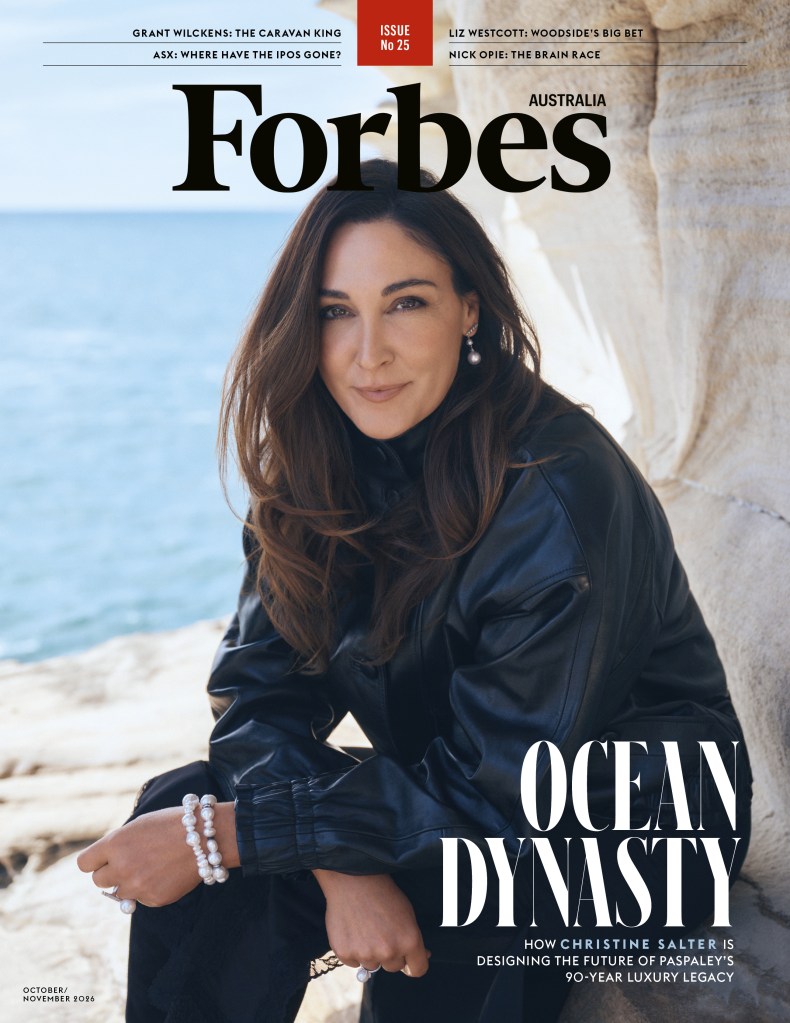
As Walliser said, these are the things that are genuinely difficult to copy and what customers are willing to pay for. It’s something our cover star knows all about.
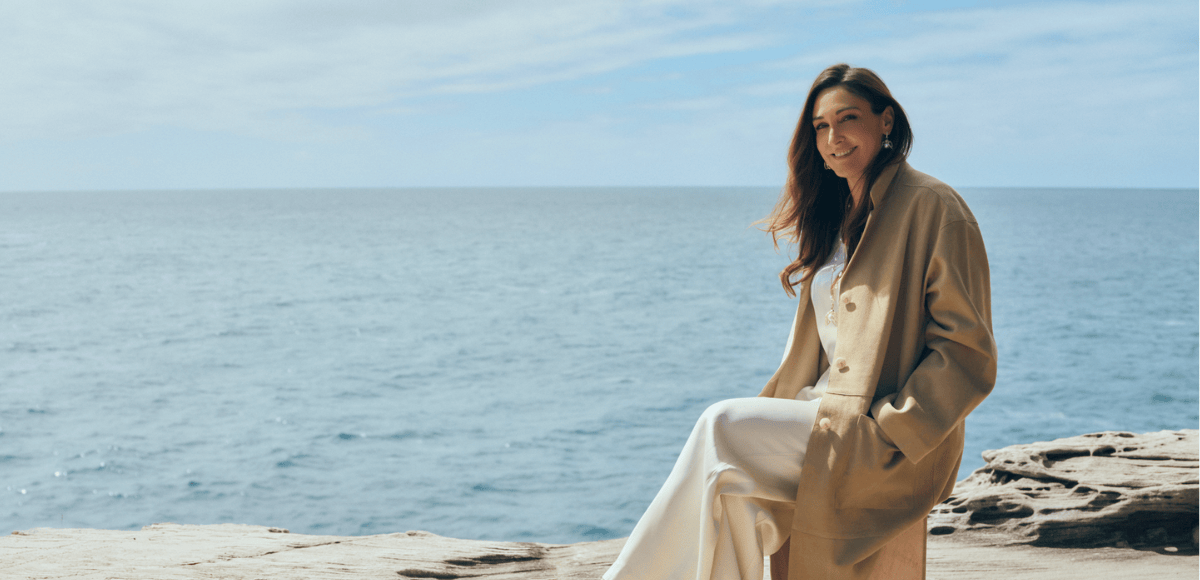
A few weeks ago we stood on the edge of a cliff in Sydney and Christine Salter, creative director of Paspaley, showed us some South Sea pearls and pointed out how beautiful they were when they caught the sunlight. The crew photographed the scene with the Pacific Ocean in the background – a fitting location because everything about Christine’s Paspaley heritage comes back to the sea.
Her grandfather Nicholas arrived in Australia from the Greek island of Kastellorizo as a teenager in 1919 and built a pearling business from the extraordinary pearls found off Australia’s remote northwest coast. Almost 90 years later, the family has built one of this country’s few genuine luxury houses – and an estimated fortune of around $1.5 billion.
Now, as creative director, Christine is tasked with taking a 90-year-old brand, with pearls at its core, into the modern era. And she’s doing it not by running away from the past but, like many other luxury houses, by digging deeper into it.
Take Diver, Paspaley’s first dedicated fine jewellery collection for men, which launched earlier this year. Its inspiration comes from the pearl divers who once descended into the treacherous waters of the Kimberley in canvas suits, weighted boots and brass helmets.
These divers, Christine says – one of whom she once fell in love with – are not some dreamt-up marketing campaign; they are a core part of Paspaley’s rich history and have influenced the designs.
As Paspaley looks to the future, Christine says she draws more and more from the past – from the Kimberley and the brand’s heritage. She also says she never rests on her laurels, constantly thinking about how they can improve and do things better.
Elsewhere in the issue are many more stories of people reinventing and pushing old industries forward.
Sue Williams sits down with Woodside’s Liz Westcott, one of the most powerful women in Australian resources. And Mark Whittaker talks to Nick Opie, the Australian neuroscientist behind Synchron, whose brain-computer interface lets people with paralysis control technology with their thoughts.
Our next edition is our annual 30 Under 30 issue, out November 30, celebrating some of the most exciting young Australians building businesses, creating things and challenging established industries. Not much heritage there – yet!
I hope you enjoy the issue, and I’ll see you soon at a Forbes Women, Forbes Club, or Forbes Business event.
Want to see more Forbes articles on your feed? Tap here to make Forbes Australia a preferred source on Google.
Look back on the week that was with hand-picked articles from Australia and around the world. Sign up to the Forbes Australia newsletter here or become a member here.