The 2026 edition of Forbes Asia’s Power Businesswomen list shines a spotlight on 20 hard-charging achievers who are helping to shape the region’s economic transformation through a period of global volatility.
The 2026 edition of Forbes Asia’s Power Businesswomen list shines a spotlight on 20 hard-charging achievers who are helping to shape the region’s economic transformation through a period of global volatility.
The lineup represents diverse sectors with four of these women leading companies at the forefront of the AI infrastructure boom, such as makers of precision tools for semiconductors or manufacturers of fiber-optic cables for data centers. Another four are remodeling consumer markets by successfully scaling beauty and retail brands globally. Several are breaking barriers in erstwhile male strongholds, including renewable energy, IT and auto parts.
The cohort encompasses self-made entrepreneurs, professional executives and ambitious scions injecting renewed purpose and vision at legacy family enterprises. Hailing from a dozen countries and territories, these trailblazers join the growing legion of women leaders that Forbes Asia has been tracking since 2012.
Edited by Rana Wehbe Watson and Mary E. Scott
Research and reporting: Jonathan Burgos, Gloria Haraito, John Kang, Zinnia Lee, Anuradha Raghunathan, Yessar Rosendar, James Simms, Jessica Tan and Yue Wang
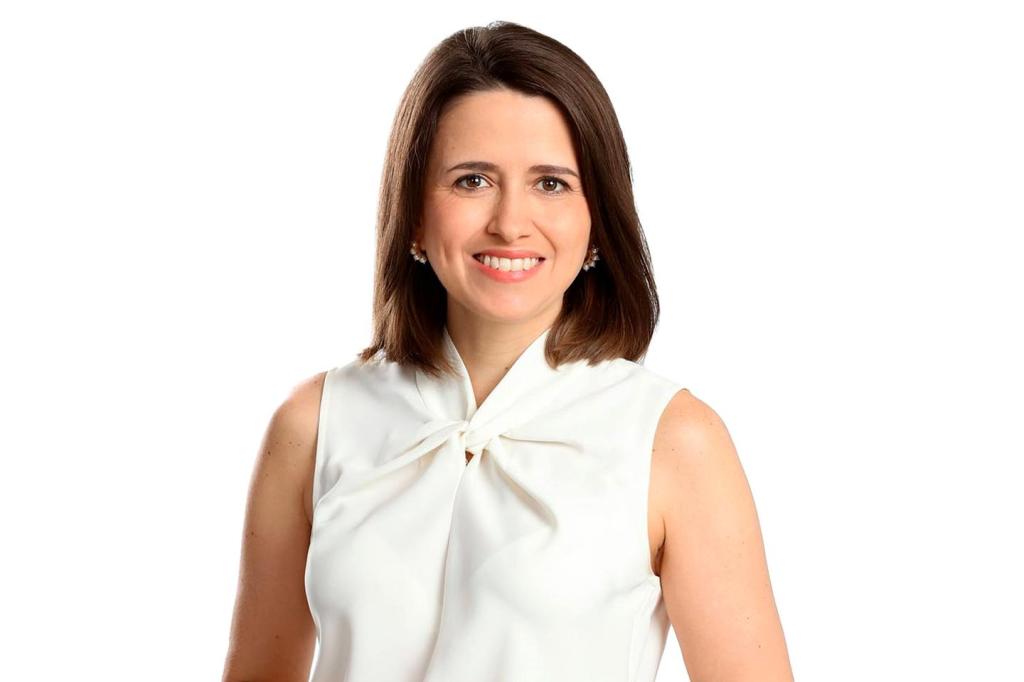
Ana Maria Aboitiz Delgado
President and CEO, Union Bank of the Philippines
Age: 46 • Philippines
Ana Maria Aboitiz Delgado took charge at Union Bank of the Philippines in January 2025, just after the Manila-based lender—controlled by her family’s holding company, Aboitiz Equity Ventures—completed the integration of Citibank’s Philippine consumer banking business, which it bought in 2022 for 72 billion pesos ($1.3 billion at the time.) “The acquisition strengthened our consumer franchise, expanded our capabilities and talent base, and gave us greater scale to serve a broader range of customer needs,” says the fifth-generation member of the wealthy Aboitiz clan by email. (The family appeared at No.11 with a net worth of $2.2 billion on the list of the Philippines’ 50 richest in August.) With 19.5 million customers and 1.2 trillion pesos ($18.9 billion) in assets, Union Bank is the country’s ninth-largest lender, according to central bank data.
After a 17% drop in net profit to 10 billion pesos last year, due to higher provisions for non-performing loans and costs related to the acquisition, Union Bank raced out of the starting gate in 2026 with net profit in the first nine months of the year rising 53% to 9.9 billion pesos. The bank attributed the swing to increased consumer lending, which makes up 62% of its loan portfolio, and higher fees from wealth management services. “Banking should be easier, more relevant, and more human,” Delgado tells Forbes Asia in an email. She joined Union Bank as a management trainee in 2003 after earning an M.B.A. from New York University’s Stern School of Business and a stint at Citibank Philippines. She went on to head its consumer finance and SME banking divisions and lead digital transformation.
Ananya Birla
Chairperson, Svatantra Microfin
Age: 32 • India
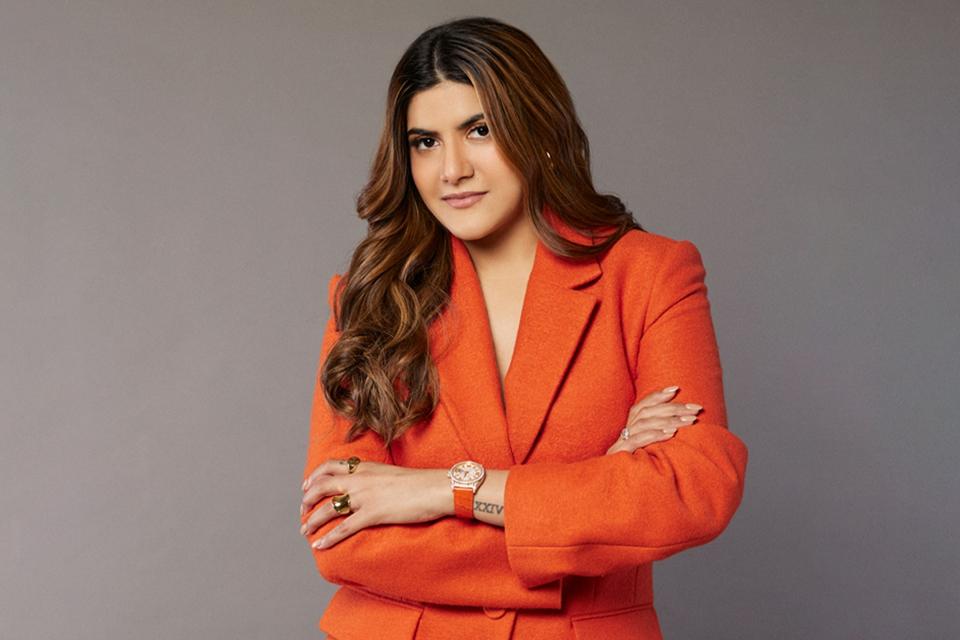
Ananya Birla, the eldest of Indian commodities billionaire Kumar Birla’s three children, has launched a handful of businesses in the past few years, but her banner success has been Svatantra Microfin, India’s second-largest microfinance outfit with assets under management of 210.9 billion rupees ($2.25 billion) in the year to March 31. Started by Birla in 2012, while she was an undergrad at Oxford University and from which she later dropped out, it has 4.3 million borrowers, mostly women in rural areas, and an almost 2,300-strong nationwide branch network. Now Birla plans to list the company—Svatantra means “independence” in Sanskrit—in an estimated 30 billion-rupee IPO to fund expansion. Its private equity backers include Boston-based Advent International and Mumbai-based Multiples Alternate Asset Management.
Birla, who gave up a stint as a pop singer to focus on business, has also founded Birla Cosmetics, a maker of beauty products, and Birla Studios, which is coproducing a film with Bollywood star Ranveer Singh. In February, she launched Birla AI Labs, under the family’s $67 billion annual revenue Aditya Birla Group, to research and deploy the technology across the group. She sits on the boards of several group companies, including metals flagship Hindalco, cement-and-textiles giant Grasim and Aditya Birla Fashion & Retail.
Lanny Budiati
President director, BCA Digital
Age: 59 • Indonesia
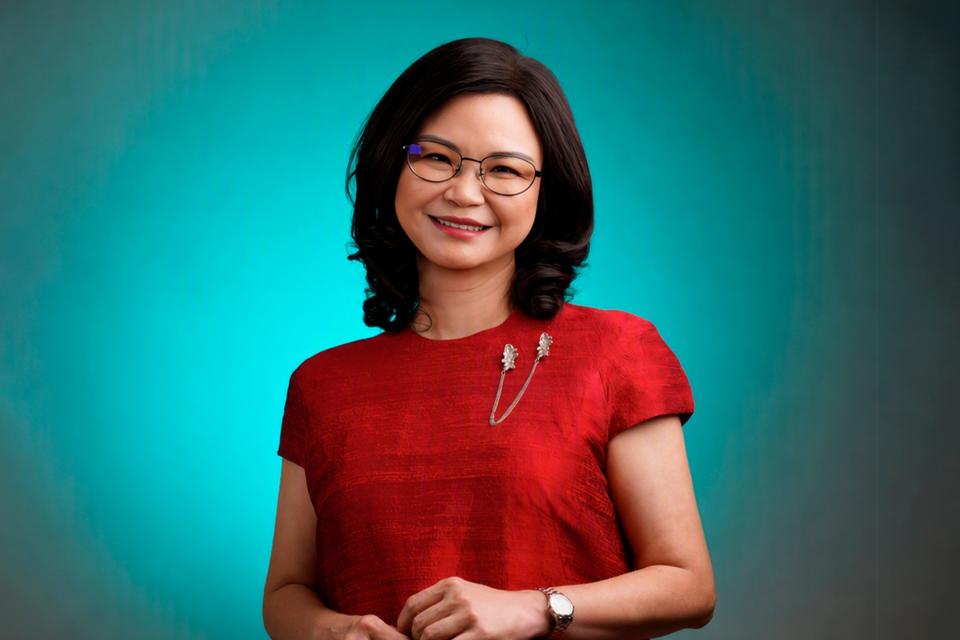
Seven years ago, Bank Central Asia (BCA), Indonesia’s largest bank by market capitalization and controlled by the Hartonos, the country’s wealthiest family, got into digital banking with the acquisition of Jakarta-based Bank Royal. Rebranding it BCA Digital, they tapped veteran banker Lanny Budiati as president director to convert the small commercial lender into an online bank. Under Budiati, BCA Digital launched its blu mobile banking platform in 2021 and became profitable two years later. Since then, net profit has soared more than fourfold to 213.4 billion rupiah ($11.8 million) in 2025 while loans have surged 85% to 8.6 trillion rupiah and deposits are up 59% to 14.3 trillion rupiah. With its client base of 3.1 million (as of December), it’s now Indonesia’s sixth-largest digital bank by Forbes Asia estimates.
Budiati has grown the digital lender against the backdrop of a sluggish domestic economy and amid intense competition from the likes of SeaBank, a unit of Singapore billionaire Forrest Li’s Sea, and Bank Jago, backed by ride-hailing and payments giant Gojek. The seasoned banker began her career at BCA in 1991 as a management trainee, then left in 1998 to work at Bank Bali and Citibank in Indonesia before returning to BCA in 2001. She worked in various roles, including as the regional head of West Java before taking on her current assignment. Disclosing her intention to forge ahead, she says by email that, “BCA Digital will remain on a growth path focused on sustainable profitability.”
Jessica Chang
Founder and chairperson, JPC Connectivity
Age: 65 • Taiwan
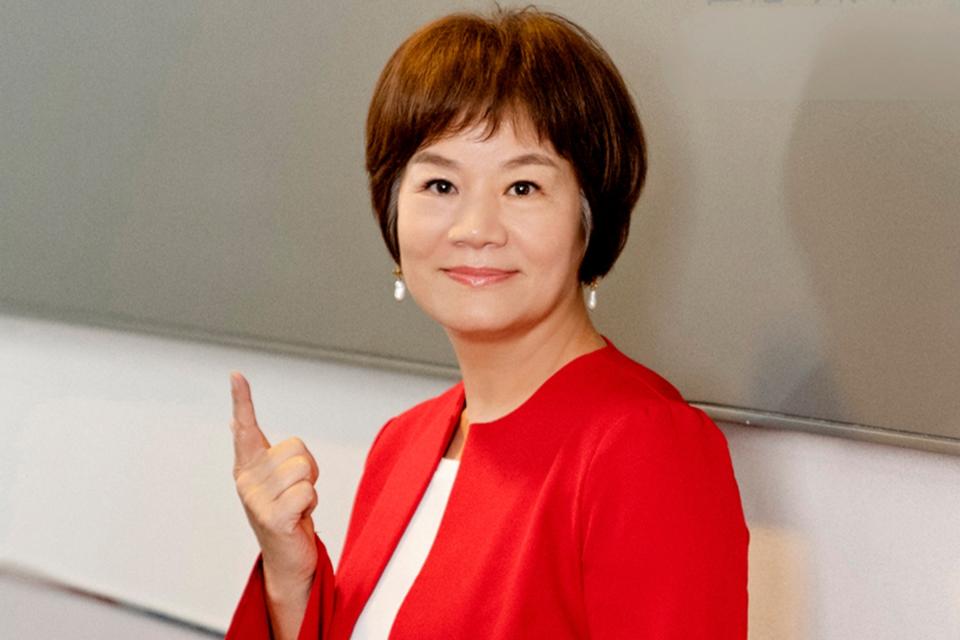
Over more than three decades, Jessica Chang built her JPC Connectivity into a supplier of critical components that are much in demand today by AI data centers. Previously called Jess-Link Products, the company designs and makes connectivity products such as fiber-optic cables and optical transceivers used to ensure high-speed, seamless data transmission. The Taipei-based company, which competes with Foxconn Interconnect Technology, counts Nvidia and hyperscalers such as Amazon and Microsoft as clients.
JPC’s shares have nearly doubled over the past year to take its market cap to NT$38.7 billion ($1.2 billion). In the first half of 2026, the company’s net profit almost doubled to NT$856 million while revenue rose 26% to NT$4.5 billion. Two-thirds of sales in the period came from products for AI data centers and telecoms and the rest from the autonomous driving and industrial automation segments.
Born into a farming family in a village in Taiwan, Chang, who owns 15% of JPC, studied economics at Taiwan’s Tunghai University while waitressing to earn a living. After graduation, she tried her hand at selling jewelry and electronic-components procurement before founding JPC out of her apartment in 1992 with just one employee; as of 2025, the company had around 2,000 people.
Vivian Cheung
CEO, Airport Authority Hong Kong
Age: 63 • Hong Kong
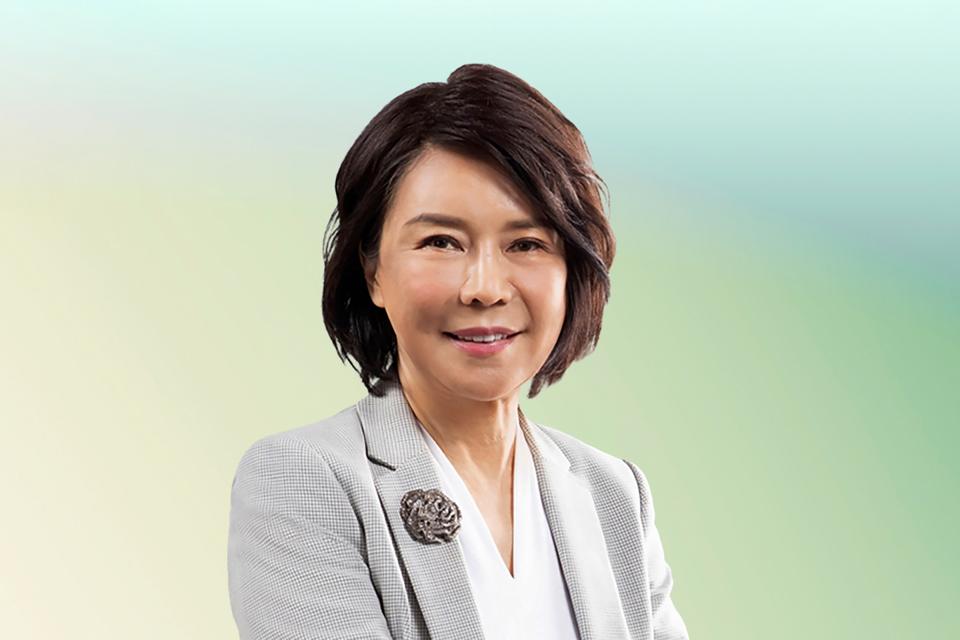
As the first woman CEO of Airport Authority Hong Kong, Vivian Cheung oversees Hong Kong International Airport, the world’s eighth-busiest by international passenger traffic. In 2025, it moved 61 million travelers, up 15% from the previous year, and was ranked No. 1 in the world for air cargo at 5.6 million tons by the Airports Council International, an industry association. Revenue jumped 11% to HK$18 billion ($2.3 billion) in the year to March 31. A second passenger terminal was opened in May, taking total annual capacity to 100 million travelers from 70 million.
Cheung is also in charge of the airport operator’s HK$100 billion megaproject to transform 60 hectares of waterfront land around the airport into a commercial and entertainment hub, meant to be completed by 2031. Dubbed Skytopia, it will feature a 500-berth marina, water-sport facilities, hotels, a waterfront promenade and an art hub with galleries and storage space. The development includes an expanded exhibition and convention center as well as a retail and office complex, which it will be taking over from Hong Kong billionaire Henry Cheng’s debt-laden New World Development in April 2027.
With a bachelor’s degree in computer science from the State University of New York and an M.B.A. from Southern Illinois University, Taiwan-born Cheung joined the airport authority in 1992 after working at General Electric in the U.S. She became chief operating officer in 2022 and was named CEO last year.
Naruechon Dhumrongpiyawut
CEO, Gunkul Engineering
Age: 43 • Thailand
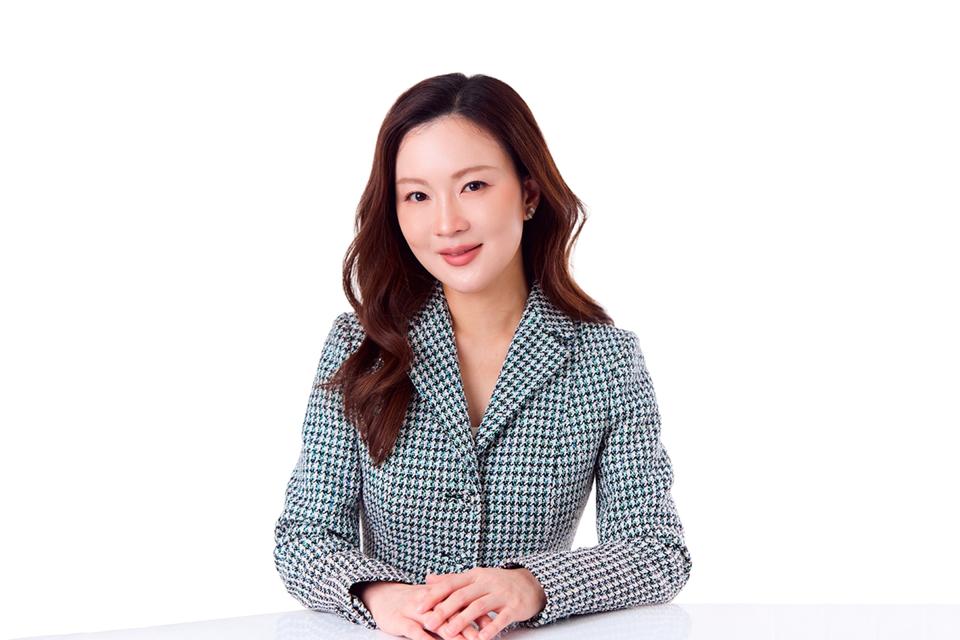
Naruechon Dhumrongpiyawut grew up with Gunkul Engineering, which was founded as a supplier of electrical equipment in 1982 by her father and company chairman, Gunkul Dhumrongpiyawut, who featured among Thailand’s 50 richest in July with a $750 million fortune. Spending school breaks hanging out at the office doing small tasks gave her “a genuine passion for what we do,” she says by email. Last year, she was named CEO of what is now one of Thailand’s largest renewable energy producers, which is benefiting from demand from power-hungry data centers. With 8.5 billion baht ($252 million) in 2025 revenue, Gunkul has installed wind and solar power generation capacity of 1,629 megawatts across four countries and plans to invest 40 billion baht to 50 billion baht by 2030, she says.
Naruechon studied engineering as an undergrad at Bangkok’s Chulalongkorn University before heading to Harvard University for a master’s degree in management and Boston University for an M.B.A. She returned home to work at Thai investment bank Country Group from 2011 to 2012, learning “how to look at investments, structure deals and create value,” before taking on a full-time role at Gunkul in 2012. Naruechon went on to spearhead its expansion in Thailand and overseas, notably Japan in 2014. “We built the [Japan] business from the ground up, and that became the starting point for our later expansion into Vietnam and Malaysia,” she recalls.
Named assistant managing director of business development and strategic planning in 2016 and chief operating officer in 2021, Naruechon says what she’s learned on the way up “is to do the work, understand the risks and have the conviction to move when the opportunity is right.”
Kim Kyung-ah
President and CEO, Samsung Bioepis
Age: 58 • South Korea
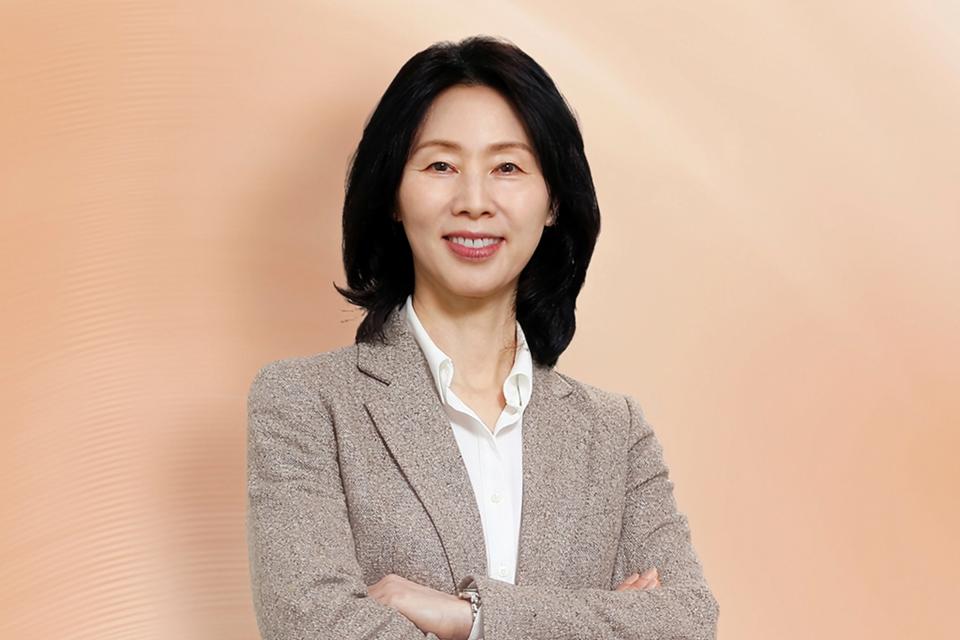
Named president and CEO of Samsung Bioepis in late 2024, Kim Kyung-ah broke ground as the first woman from outside Samsung’s founding Lee family to head a group company. In 2025, her first full year at the helm of the maker of biosimilars—cheaper versions of existing biological medications—she oversaw a 9% rise in revenue to 1.7 trillion won ($1.3 billion) and a 37% jump in net profit to 509 billion won. Growth was fueled by new product launches in the U.S., including Pyzchiva, a biosimilar version of Johnson & Johnson’s Stelara, to treat inflammatory autoimmune diseases, and Epysqli, a biosimilar to AstraZeneca’s Soliris, for rare immune-system disorders. The company has 11 biosimilars approved in 40 countries and aims to have 20 by 2030.
Kim, a veteran scientist, entered the Samsung fold in 2010 after stints with a couple of American biopharma firms. She worked at Samsung Advanced Institute of Technology, the group’s R&D hub, before moving to Samsung Bioepis, owned by listed Samsung Epis Holdings. Kim was assigned to the company’s product development division, which she was heading when she was named to the top job. She holds a Ph.D. in neurotoxicology from Johns Hopkins University, where her research centered on learning impairments caused by lead poisoning.
Arathi Krishna
Managing director, Sundram Fasteners
Age: 58 • India
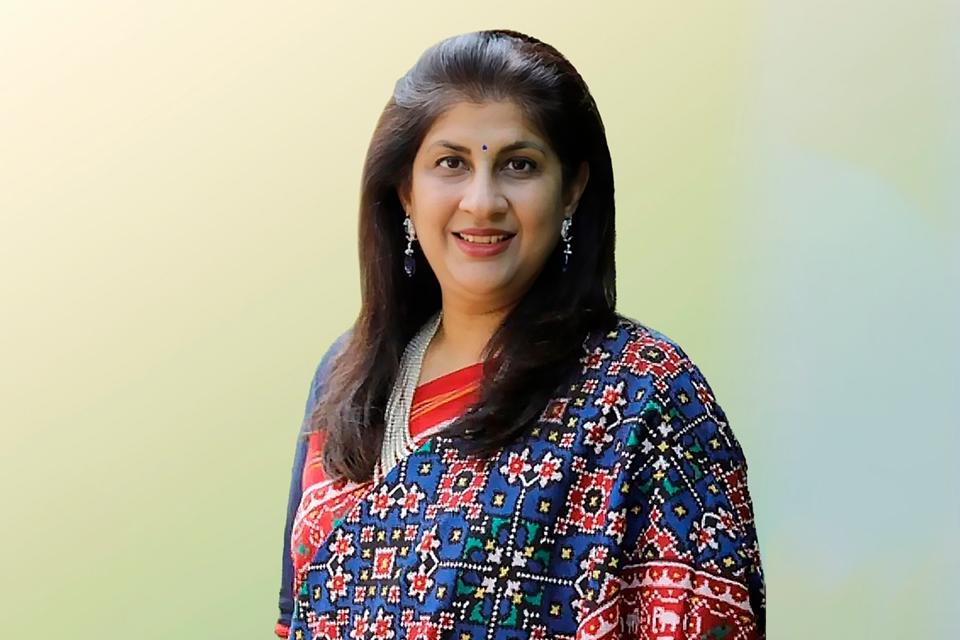
Arathi Krishna has spent the best part of the past decade diversifying her family’s auto parts major, Sundram Fasteners, into making industrial fasteners for wind turbines, high-precision components for the aviation industry and advanced engineered parts for military vehicles. “We continue to see strong momentum in our non-auto segments,” the managing director said in a May statement as the Chennai-based company posted a 9.4% rise in consolidated net profit to a record 5.9 billion rupees ($62 million) for the year to March 31 on a 6.4% revenue increase to 63.7 billion rupees. Non-auto sales have grown to 38% of annual revenue from 30% in 2021 while on the auto side, EV parts now account for just over 5%.
Krishna, who graduated with a master’s in economics from Chennai’s Stella Maris College and earned an M.B.A. from the University of Michigan, is the second of three daughters of company chairman Suresh Krishna. She joined Sundram Fasteners in 1990, becoming a general manager in 1998 and a board member in 2006. Seven years after her appointment as joint managing director in 2011, she succeeded her father as managing director and now oversees 18 factories and nearly 11,000 employees. Krishna is a fourth-generation member of the T.V. Sundram Iyengar clan, which over a century built its TVS group into an automotive, financial services and electronics empire before a 2020 restructuring carved up the businesses between family factions.
Mira Kulkarni
Founder and managing director, Forest Essentials
Age: 70 • India
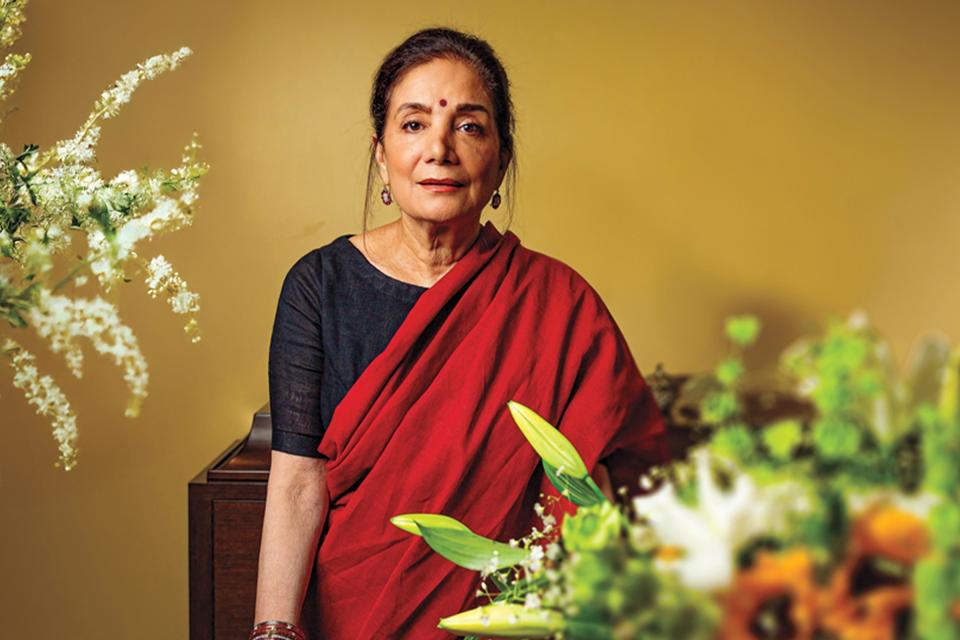
When Mira Kulkarni agreed to sell her 51% stake in skin- and hair-care company Forest Essentials to American cosmetics giant Estée Lauder in March for an undisclosed sum, it was a milestone in a late-blooming career. She founded the business at age 45 from her home in New Delhi in 2000, parlaying an initial 200,000-rupee ($4,600 at the time) investment into a nearly 200-store chain across India and overseas, mostly in the Middle East. She is widely credited with elevating Ayurveda, an ancient Indian system of medicine, to luxury status, with a range of products incorporating herbs, aromatic flowers and cold-pressed oils. “When I first started the business, Ayurveda was seen more as medicine and not associated with high quality or luxury or pleasure of use,” Kulkarni tells Forbes Asia. “The opportunity was much larger than we realized.”
With three factories in the foothills of the Himalayas, from where it sources a variety of ingredients, the company posted a 71% jump in net profit to 1.2 billion rupees ($12.6 million) on an 18% rise in revenue to 5.8 billion rupees in the year to March 31, 2025 (the latest period for which data is available). The deal with Estée Lauder, which awaits completion, follows its initial investment in Forest Essentials in 2008 and a subsequent one in 2020 that increased its holding to 49%. Kulkarni, who will continue to run the company, says she was motivated to sell by her ambition to make Forest Essentials a global brand “without diluting its Indian roots.”
Lee Sun-jung
CEO, CJ Olive Young
Age: 49 • South Korea
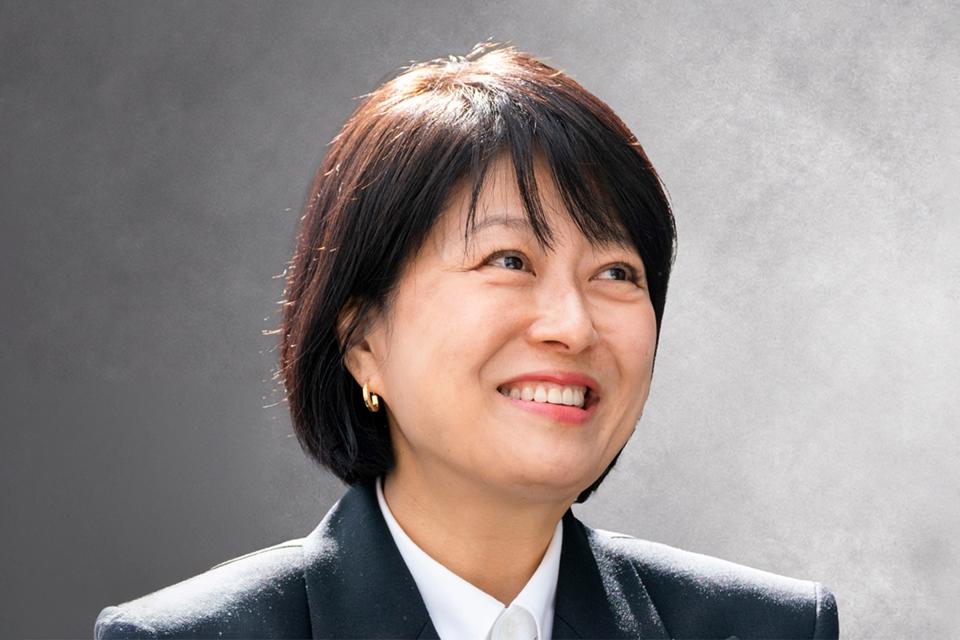
Lee Sun-jung has catapulted what was once a modest health and beauty retailer into a K-beauty juggernaut by aggressively scaling up its product line and pushing global expansion. Olive Young offers a vast selection of K-beauty skin, hair and body care products through a network of close to 1,400 outlets across South Korea. In 2025, net profit was up 14% to 544 billion won ($410 million) on a 22% surge in revenue to 5.9 trillion won. The number of brands in its portfolio with annual sales of at least 10 billion won rose to 116 last year from 41 in 2021, with six, including popular skin care brands Mediheal and Torriden, surpassing 100 billion won.
Lee has driven growth by showcasing both established and emerging labels, adding multilingual staff in stores located in tourist hotspots to explain the products, and offering tax-free purchases for overseas visitors. The company set up a Japanese subsidiary in 2024 and a U.S. unit last year. In January, Lee unveiled a partnership with beauty giant Sephora to open Olive Young-curated K-beauty sections in its stores and online shops in the U.S., Canada, Hong Kong, Singapore, Malaysia and Thailand.
Starting as a merchandiser, Lee spent 16 years working her way up at the company, a unit of food-and-entertainment conglomerate CJ group, which is chaired and controlled by billionaire Lee Jay-hyun. In 2022, she became the first woman to get the top job and the youngest CEO within CJ group.
Malina Ngai
Group CEO, AS Watson
Age: 57 • Hong Kong
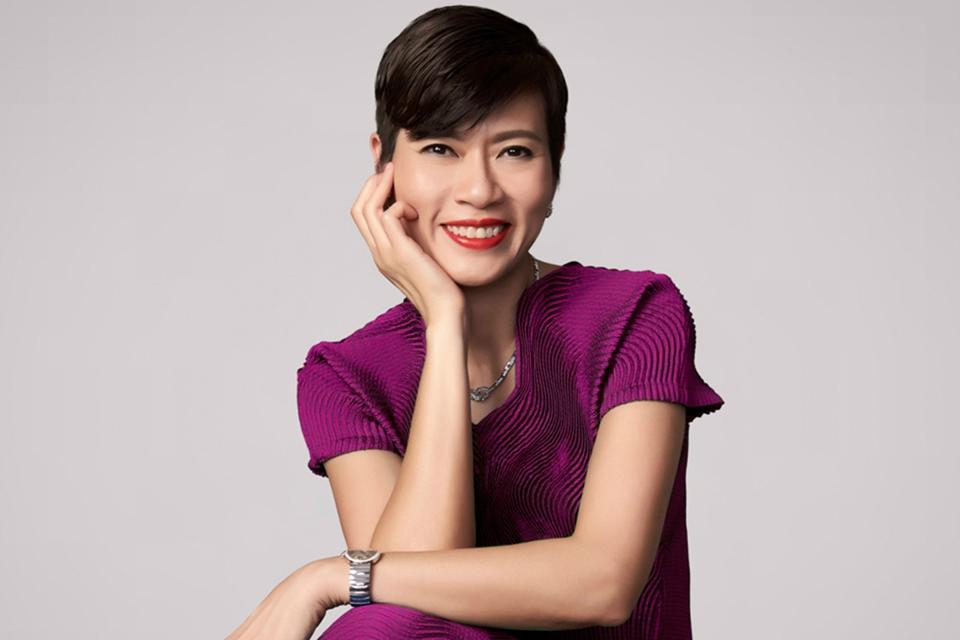
Malina Ngai took an unconventional path to becoming Group CEO of AS Watson, one of the world’s largest health and beauty retailers by store count. In high school, she was a track and field athlete before joining the team that won bronze in rowing at the 1994 Asian Games in Japan. Now, she’s tapping the lessons about teamwork and staying focused under pressure that she gleaned in sports to expand AS Watson, a division of Hong Kong billionaire Li Ka-shing’s CK Hutchison Holdings. It had 2025 revenue of HK$209.3 billion ($27 billion) and is spending $490 million this year mainly to add 1,000 stores, bolstering an existing network of more than 17,000 outlets. These cover 12 retail brands in 31 markets, including drugstore chains Watsons in Asia; Superdrug in the U.K.; and Rossmann in Europe.
After retiring from her athletic career in the mid-1990s, Ngai worked at a sports marketing firm and a government sports body before joining the corporate affairs department of Hutchison Whampoa, a predecessor of CK Hutchison, in 2000. In 2001 she moved to AS Watson, rising to group chief operating officer in 2013, CEO for Asia and Europe in 2019, and the top job in 2024. Ngai has a string of academic qualifications; she studied sports administration at the University of Canberra and holds an M.B.A. from the University of Leicester. While working, she earned a master’s degree in finance from the National University of Ireland and a doctorate from the Swiss School of Business and Management.
Peng Li
Cofounder and chief technology officer, MetaX Integrated Circuits
Age: 48 • China
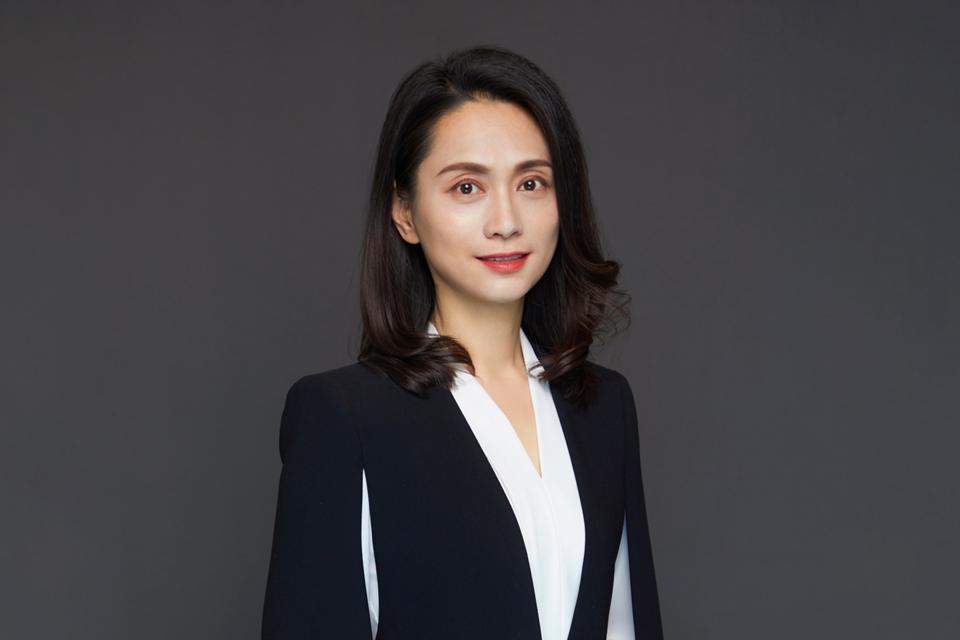
After working for over a dozen years at U.S. chipmaker Advanced Micro Devices (AMD) in Shanghai, Peng Li teamed up with colleague Chen Weiliang to set up MetaX Integrated Circuits in 2020. The company, which is run by Chen as chairman and CEO while Peng is chief technology officer, designs computer chips and software used to run AI models and advanced graphics. It counts Chinese tech firms H3C and Super Telecom among customers for its semiconductors, which compete against domestic rivals, including Cambricon Technologies and Moore Threads Technology, and are deployed in sectors such as energy, healthcare and financial services.
Amid China’s drive to develop its domestic tech supply chain, MetaX has tapped into surging demand for locally made chips, but at a steep cost. After years of losses related to R&D spending, the company says it swung into the black in the first nine months of this year with net profit of up to 717 million yuan ($101 million) on a 151% jump in revenue to 3.1 billion yuan.
After the company’s blockbuster IPO in December that raised $586 million and made Chen, with a 14% stake, a billionaire, MetaX in June filed for a separate listing in Hong Kong to fund its global rollout. Peng, who was named a corporate fellow at AMD for her contribution to developing the company’s chips, personally holds over 50 patents, according to MetaX.
Yuko Seimei
President and CEO, Monex Group
Age: 49 • Japan
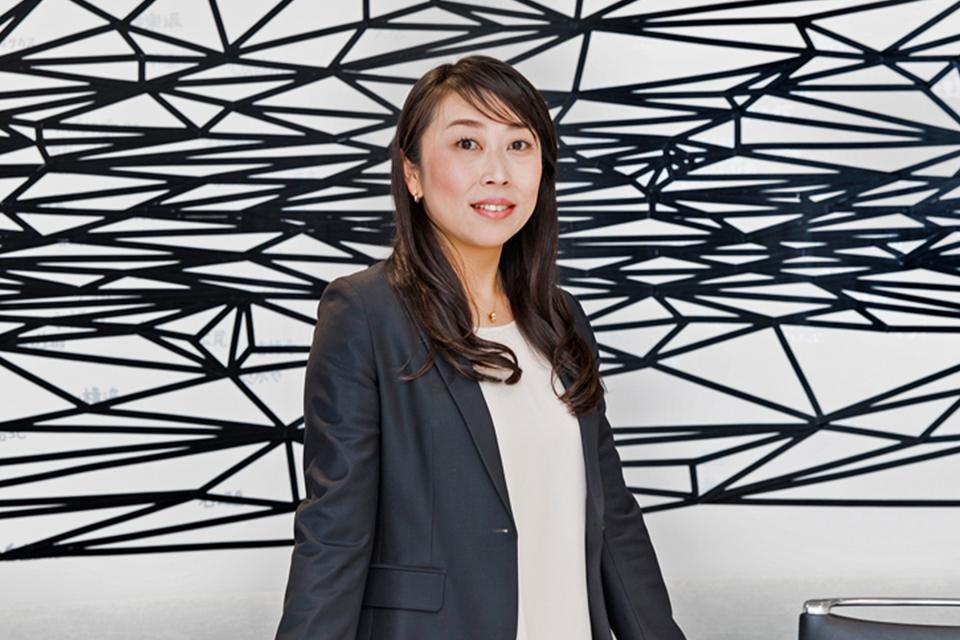
Yuko Seimei is revamping Tokyo-based Monex Group to convert the online broker and wealth manager, with assets under management of 2 trillion yen ($12.6 billion) as of March, into a tech-driven financial services company. She got the ball rolling shortly after becoming CEO in 2023 by joining forces with telecoms giant NTT Docomo, which paid almost ¥47 billion (about $315 million at the time) for 49% and board control of online broker Monex Securities. In late 2024, Seimei orchestrated a SPAC listing of Monex’s cryptocurrency exchange, Coincheck, at a deemed valuation of $1.25 billion. Her dealmaking savvy led KDDI, Japan’s second-biggest mobile operator after Docomo based on number of subscribers, to buy a 15% stake in Coincheck in May for $65 million.
Monex incurred a ¥5.1 billion net loss in the year to March 31, 2025, partly due to costs associated with Coincheck’s listing, but returned to the black in the next fiscal year with a net profit of ¥10.9 billion on a 13% increase in revenue to ¥83.6 billion. Seimei started her career in 2001 at Sanwa Bank (now part of Mitsubishi UFJ Financial Group) after graduating in economics from Kyoto University. A two-year stint at private equity firm MKS Partners followed, after which she joined a firm in 2009 that was later acquired by Monex. She was promoted to chief operating officer in 2020 before succeeding Monex founder Oki Matsumoto as president and CEO.
Nerine Tan Sheik Ping
CEO, Berjaya
Age: 49 • Malaysia
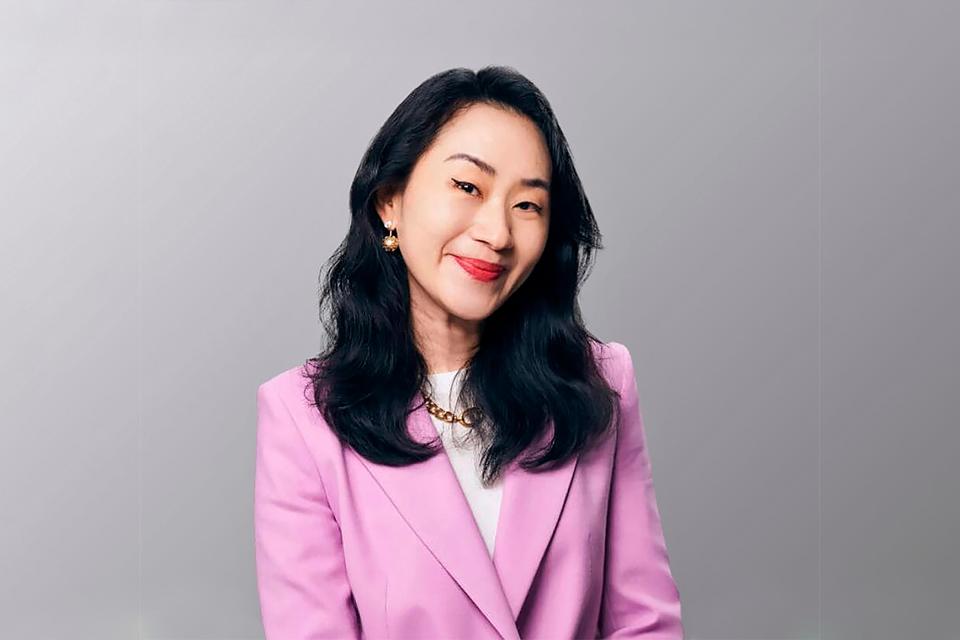
Bursa Malaysia-listed Berjaya’s founder Vincent Tan, who features among Malaysia’s wealthiest tycoons, was widely reported in the past as saying that he would prefer his 11 children stay out of the family’s listed companies. But today, several of them hold key positions, with his daughter, Nerine Tan Sheik Ping, leading Berjaya as CEO since February. She joined the company in 1999 after graduating from the London School of Economics with a B.Sc. in management and rotated through several divisions, gaining experience in sales, operations and strategy. Named an executive director in 2016, she became joint CEO in 2023 before taking sole charge.
Tan has her work cut out. Berjaya has posted net losses for the past two fiscal years, hit by weak performances in its retail and property development businesses. While its net loss narrowed to 340.4 million ringgit ($83.4 million) in the year to June 30 from 542 million ringgit the year before, revenue fell 4.1% to 9 billion ringgit. Under Tan, the company is restructuring to reduce debt by divesting non-performing assets. That included the sale by subsidiary Berjaya Food of its 50% stake in the loss-making Malaysia franchisee of Paris Baguette bakery chain in July for a nominal 1 ringgit. Tan is also CEO of Berjaya’s Sports Toto lottery and gaming unit, a group cash cow.
Thapanee Techajareonvikul
CEO and president, Berli Jucker
Age: 50 • Thailand
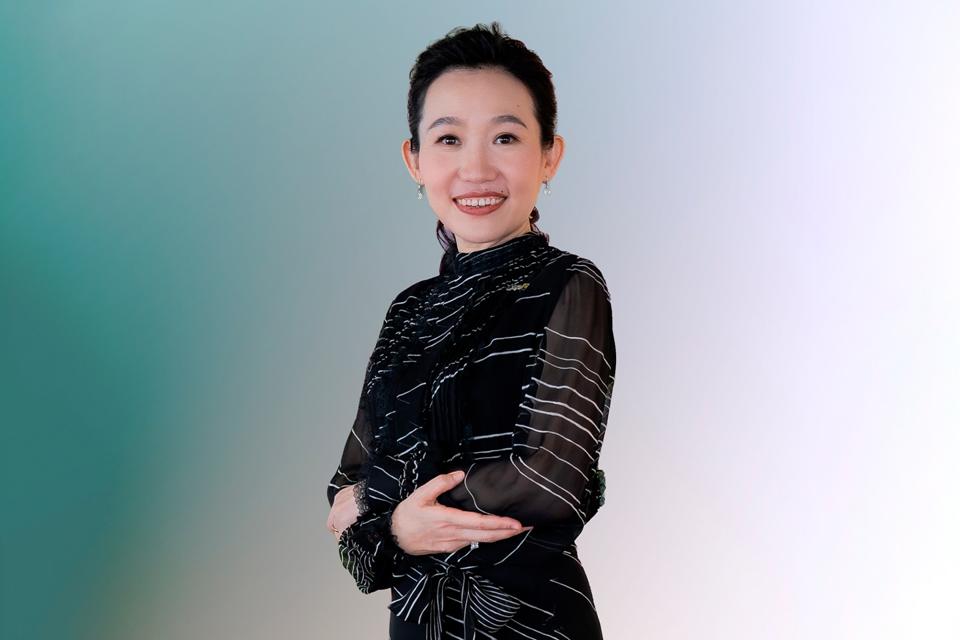
The first woman at the helm of Bangkok-listed Berli Jucker, Thapanee Techajareonvikul is set on global expansion at the 144-year-old conglomerate, which is controlled by her billionaire father, Charoen Sirivadhanabhakdi, its chairman emeritus. The company got nearly 70% of its 2025 revenue of 166.6 billion baht ($5 billion) from its retailing business; roughly 2,000 Big C hypermarkets, supermarkets and convenience stores, mostly in Thailand but also in Laos, Cambodia and Hong Kong. In addition, it makes packaging, household products and personal care items. “We want our products and services to focus on everyday life,” Thapanee tells Forbes Asia.
Her goal is to boost international sales to 30% of total revenue by 2030 from 10% last year, particularly from neighboring Vietnam, which, she says, “is going to be our second home country.” In May, Berli Jucker acquired fresh foods and consumer goods wholesaler MM Mega Market Vietnam from her family’s privately-held TCC Group for 22.5 billion baht. Thapanee plans to add 24 outlets to its 30-strong network in the next five years.
With an undergraduate economics degree from the Massachusetts Institute of Technology and an M.B.A. from Harvard University, Thapanee joined Berli Jucker as an executive director in 2003, becoming CEO and president two decades later. She’s keen to promote gender equality at the company, where today more than half the 61,000 workforce is female. Moreover, she adds, “In the top management positions, women make up 53%.”
Audrey Tsai
Ceo, Iteq
Taiwan

In the past year, Hsinchu-based ITEQ’s shares have risen more than sevenfold, giving it a market cap of NT$283 billion ($8.7 billion) thanks to a strategic move by CEO Audrey Tsai that positioned the company to leverage the recent AI boom. Starting in 2015, when she took charge, ITEQ shifted its focus to materials for printed circuit boards (PCBs) used in high-speed infrastructure and, nowadays, AI data centers, reducing its reliance on consumer electronics. The company’s main products are copper-clad laminates, which form both the structure of a PCB and the wiring that carries data signals, and prepreg, a material that bonds everything together.
In the first half of 2026, ITEQ’s net profit more than doubled to NT$1.6 billion on a 26% jump in revenue to NT$20.7 billion. More than 70% of sales came from AI data centers and 5G infrastructure, with the rest contributed by consumer and automotive electronics. In the wake of surging demand, the company is increasing production capacity of copper-clad laminates by about 61% to over 9 million sheets every month by 2029. Tsai joined ITEQ in 2008 from Taiwan’s EnTie Commercial Bank, where she held an accounting role. She studied public finance as an undergrad at National Chengchi University and earned an executive master’s degree in finance from National Taiwan University.
Kathy Vincent
CEO, Australian Retirement Trust
Australia
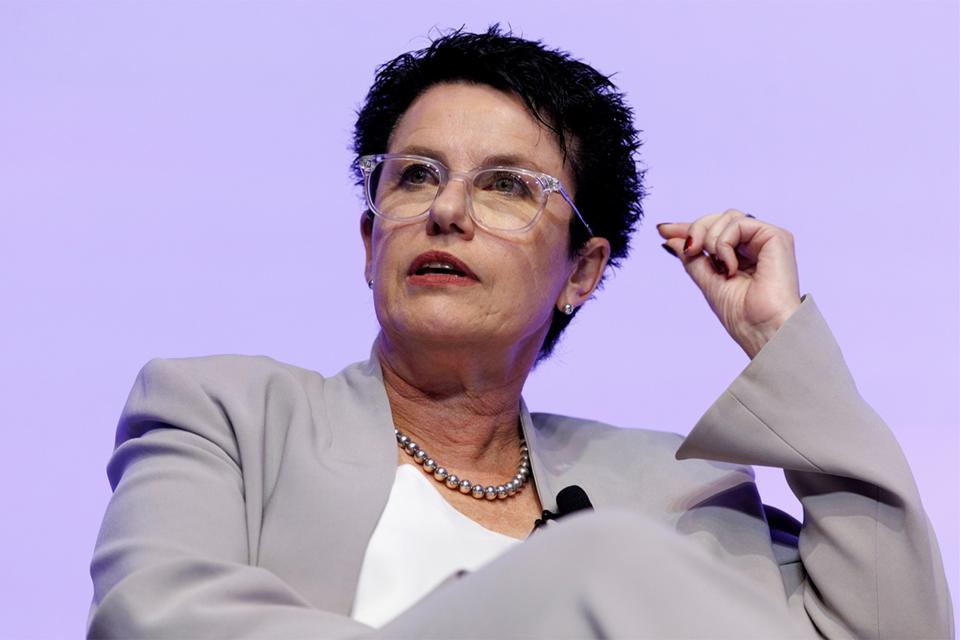
As CEO of the Australian Retirement Trust (ART), Kathy Vincent leads the country’s second-largest pension fund by assets after industry heavyweight AustralianSuper. ART, which has more than A$375 billion ($263 billion) in funds under management for more than 2.4 million clients, was created in 2022 through the merger of pension funds Sunsuper and QSuper. Earlier this year, it was named superannuation fund manager of the year at the 2026 Morningstar Awards for Investing Excellence, based on risk-adjusted performance over the decade to January. In particular, Morningstar cited ART’s high-growth investment option, which averaged a return of 10.15% annually over the 10-year period.
Vincent joined ART in December 2023 as chief of retirement, rising swiftly to become chief operating officer in 2024. She was named to the top job in October last year, succeeding a CEO whose stint lasted under two years. Her ascent also comes at a time when customers of large superannuation funds are being drawn to wealth management firms such as Netwealth. Previously she was chief strategy and product officer at BT, the wealth management arm of Australian bank Westpac. Earlier, she held senior roles at National Australia Bank and spent almost two decades at financial services and investment banking firm Macquarie Group, including as co-head of alternative assets.
Wang Xin
Founder, chairman and general manager, Guangdong Dtech Technology
Age: 53 • China
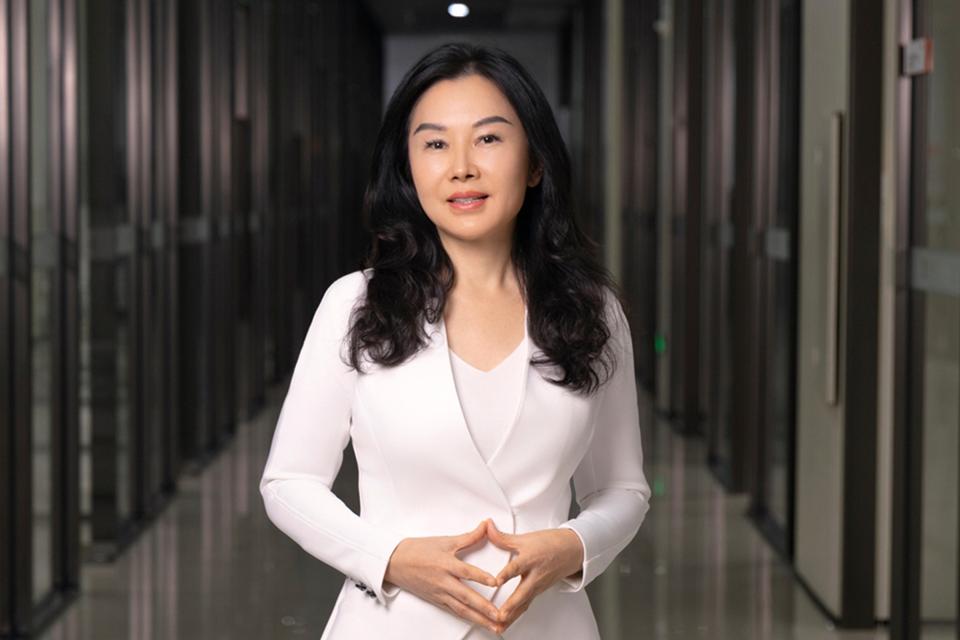
Thanks to the AI frenzy, former factory worker Wang Xin, founder of Guangdong Dtech Technology, amassed a multibillion dollar fortune that earned her debut spots this year on both the World’s Billionaires list and the roster of China’s 100 Richest. Demand is soaring for the company’s precision manufacturing tools, in particular a drill bit used to bore tiny holes—measured in millimeters—in printed circuit boards on which AI chips are mounted. In the first nine months of 2026, net profit more than quadrupled to 1.1 billion yuan ($165 million) on revenue that soared almost 150% to 3.5 billion yuan, according to stock exchange filings.
Wang began the business in 1997 to sell refurbished drill bits sourced from larger manufacturers. Nowadays, Dtech makes its own tools in factories in China and Thailand. To expand production, the Shenzhen-traded company raised HK$4.8 billion ($612 million) in a separate Hong Kong listing in July. The company is looking to expand further in Europe after its acquisition last year of German toolmaker MPK Kemmer, in a bid to reduce its reliance on its home market, which accounted for more than 90% of 2025 revenue. Prior to Dtech, Wang worked at a toy factory and was at an electronics trading firm on the sales side, both in Guangdong, where she moved as a teenager from her rural home province of Henan.
Wong Sze Keed
CEO, AIA Singapore
Age: 57 • Singapore
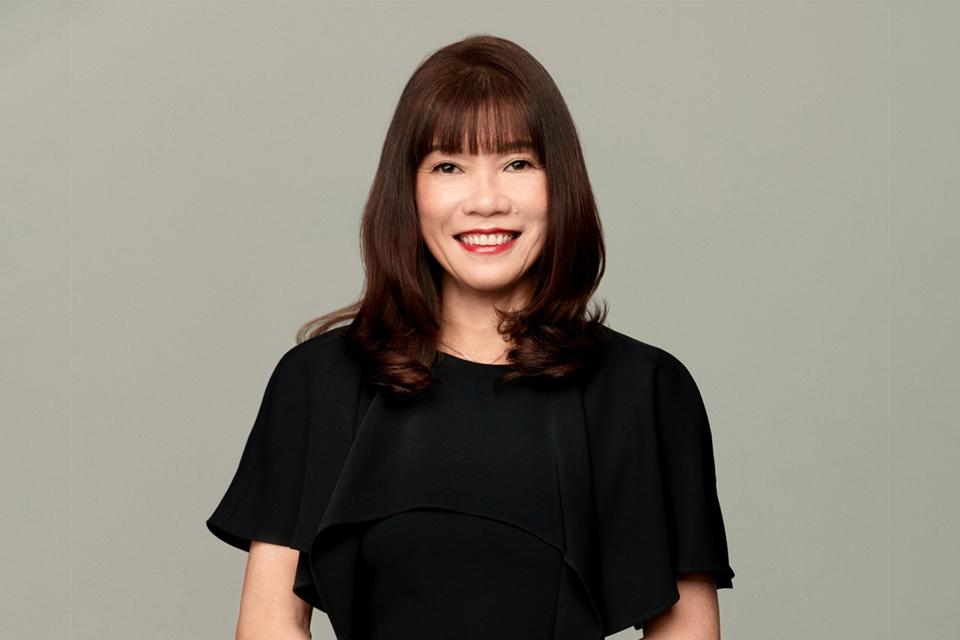
Wong Sze Keed became the first woman CEO of AIA Singapore at a challenging time: in the thick of the pandemic in 2020. But Wong was up to the task, having spent seven years driving new business growth as chief distribution officer and chief partnership distribution officer. The unit of Hong Kong-listed AIA Group, which has a presence in 18 markets across Asia-Pacific, offers life and health insurance in Singapore to over 1 million policyholders as well as corporate insurance coverage to more than 1.3 million employees. It had S$64.3 billion ($50.2 billion) in total assets as of end-2025, up 10% from a year earlier. In 2025, its value of new business, which measures expected profits from policies sold in the period, grew 14% year-on-year to $530 million. Meanwhile, its operating profit after tax rose to $721 million, up 5% on year.
Initiatives championed by Wong, an industry veteran who joined AIA in 2013 from Singapore’s Income Insurance (formerly NTUC Income), underpin the solid performance. In 2024, the company opened its first wealth center in the city state to woo high-net-worth individuals and launched the AIA+ mobile superapp. Last year, Wong rolled out a training program run by Singapore Airlines Academy for the insurer’s 1,000-strong workforce to elevate customer experience. “Competition in Singapore’s insurance market is intense,” she tells Forbes Asia in an email. Customers increasingly expect “greater convenience, personalization and seamless service.”
Kaga Yanagisawa
President and CEO, Nomura Research Institute
Age: 59 • Japan
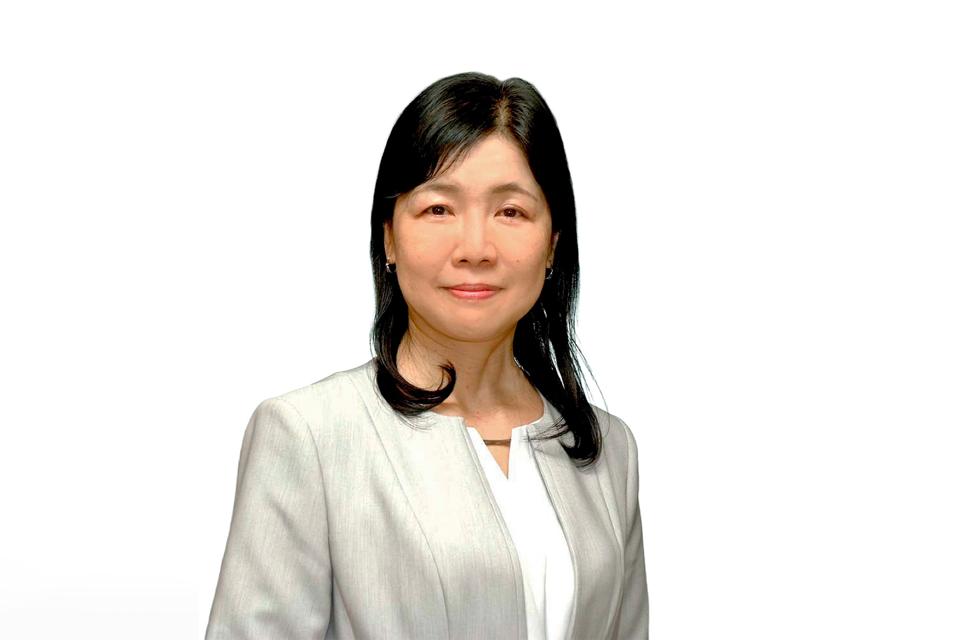
Two years ago, Kaga Yanagisawa faced a tough call when she became president and CEO of Nomura Research Institute, one of Japan’s largest IT consulting firms by revenue: tackling unprofitable U.S. and Australian businesses acquired before her tenure. Biting the bullet, she wrote down nearly ¥100 billion ($634 million) in goodwill on the assets in the year ended March 31. The one-time hit hammered net profit down 84% to
¥15.3 billion, but the firm forecasts an almost eightfold rebound in fiscal 2027 to ¥119 billion on a 4.3% rise in revenue to ¥850 billion.
Tokyo-based Nomura Research, a separately listed affiliate of financial services giant Nomura Holdings, has about 8,000 staff and earns nearly 90% of its revenue in Japan. Yanagisawa, who graduated in sociology from the University of Tokyo, joined the firm in 1991. Starting in 2015, she was successively named general manager of its key consulting units: management, financial institutions and IT. In 2021, she became a senior managing director overseeing personnel and two years later rose to corporate strategy chief. In Japan’s male-dominated business world, Yanagisawa is the firm’s first woman CEO.
Want to see more Forbes articles on your feed? Tap here to make Forbes Australia a preferred source on Google.
Look back on the week that was with hand-picked articles from Australia and around the world. Sign up to the Forbes Australia newsletter here or become a member here.