London Museum opens its £437 million new home, exploring 2,000 years of the capital’s history through landmark objects, immersive galleries and contemporary stories.
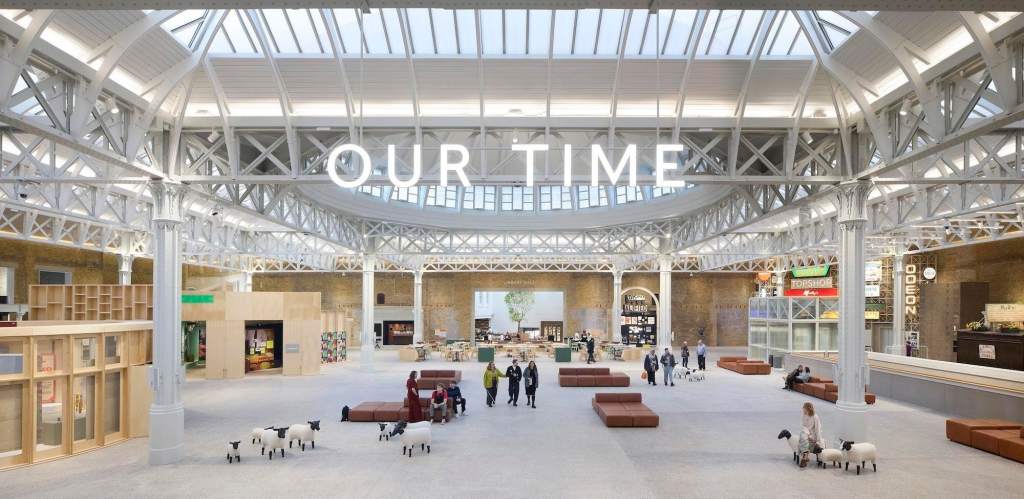
After a £437 million transformation spanning a decade, London’s historic Smithfield General Market opens as the new home of London Museum on November 28, 2026, creating a major cultural destination in the heart of the capital.
The opening marks a new chapter for the 50-year-old institution, bringing thousands of years of London history into a landmark restored building.
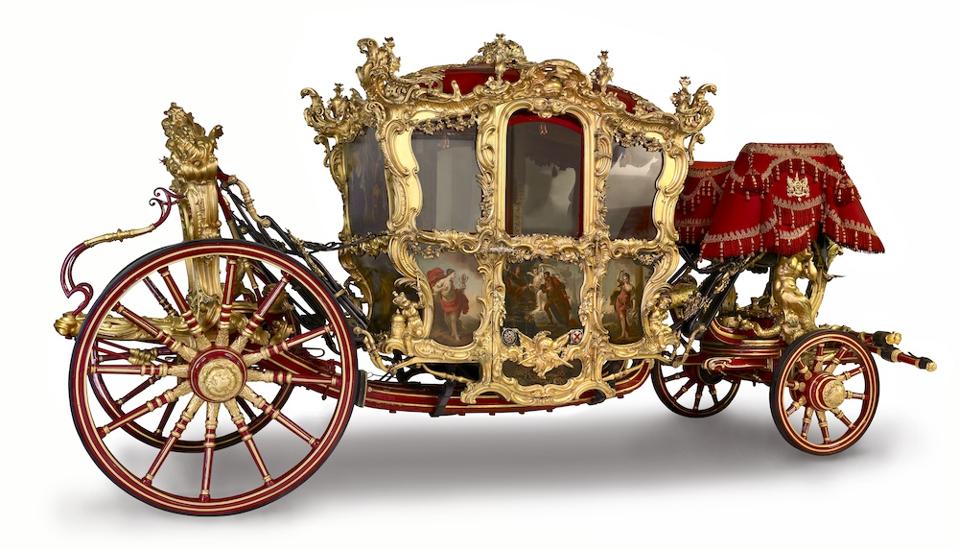
The collection brings together an eclectic mix of objects that capture the city’s character, from the Lord Mayor’s State Coach and Buckingham Palace switchboard to a Roman mosaic, the tunic King Charles I was beheaded in, Anna Pavlova’s Dying Swan costume and Syd’s Coffee Stall, an East End institution.
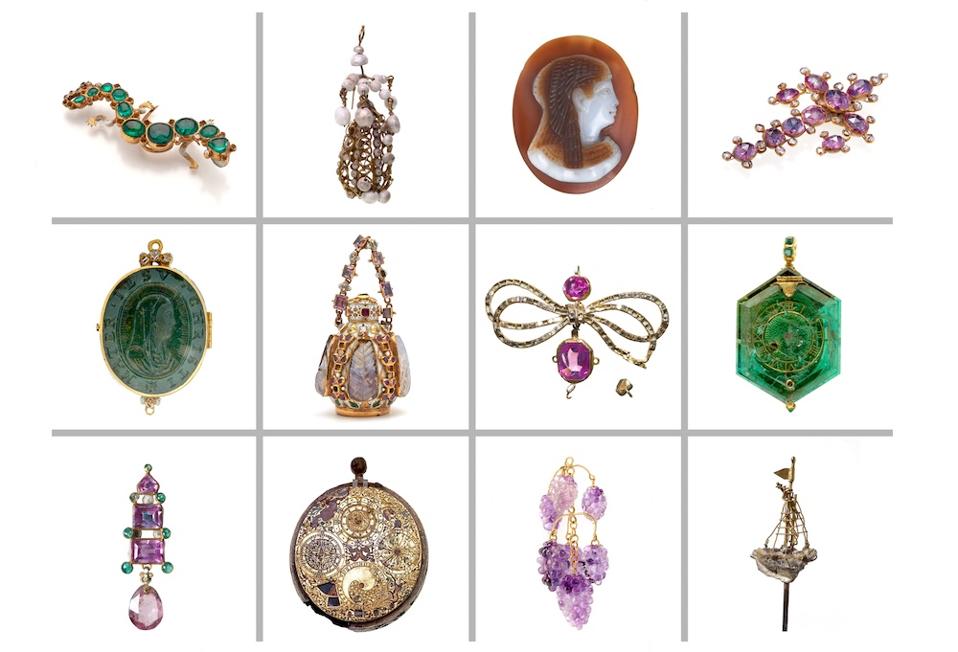
Highlights range from the Cheapside Hoard (lost Elizabethan and Jacobean jewels discovered in a city of London workshop in 1912) and Roman writing tablets to Emmeline Pankhurst’s hunger-strike medal and Tom Daley’s Olympic diving trunks.
Interactive displays, contemporary commissions and a new soundscape add further perspectives, while a six-meter viewing window offers a particularly unusual feature: a chance to watch London trains pass through the galleries.
The restored General Market has been transformed by architects Stanton Williams, Asif Khan Studio and Julian Harrap Architects into a cultural destination that includes exhibition spaces, a restaurant, shop and areas for events and learning.
The adjacent Poultry Market is scheduled to open in 2028, adding temporary exhibition galleries, a learning centre and collection storage.
Rather than presenting London as a chronological history lesson, the museum brings together its many identities: Roman settlement, trading port, imperial capital, centre of protest and global creative hub, in a collection that reflects the city’s grit and glitter.
The world’s largest city museum unfolds across three main spaces: Real Time, Our Time and Past Time, telling the story of London, bringing together thousands of objects from its collection alongside a new social space for the city.
Real Time
The converted street entrance, Real Time, connects the museum to contemporary London through live data visualisations tracking everything from pub and bee populations to residents’ moods and listening habits.
Embedded pottery fragments and Victorian clay pipes bring everyday history underfoot, while highlights include Banksy’s Piranhas police box and a clock tower featuring the final bell cast at the Whitechapel Bell Foundry, rung each day to open the museum.
Our Time
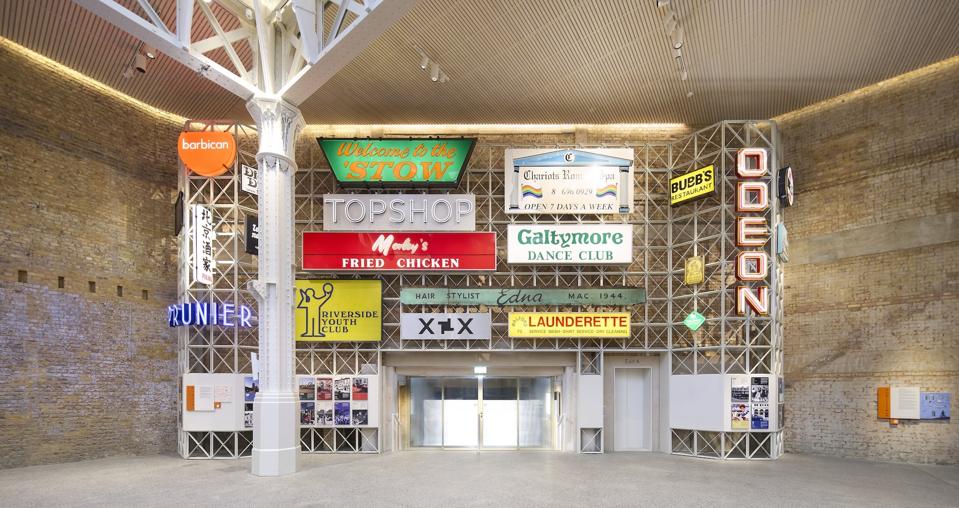
Linbury Hall is the museum’s social hub, with a restaurant, shop and family activity space alongside 13 installations exploring how Londoners come together. Highlights include the 1757 Lord Mayor’s State Coach, the Buckingham Palace switchboard, displayed publicly for the first time, and Syd’s Coffee Stall, serving free hot drinks every Tuesday.
Hanging Out celebrates familiar meeting places through signs from fabric nightclub, Galtymore Dance Club, Topshop and Morley’s Chicken Shop. A soundscape by Scanner and film by John Ogunmuyiwa capture the city’s voices, sounds and crowds.
Past Time
The museum’s permanent gallery takes visitors below ground to Roman street level for a journey through 2,000 years of London history, from its earliest settlements beside the Thames to its emergence as a global capital.
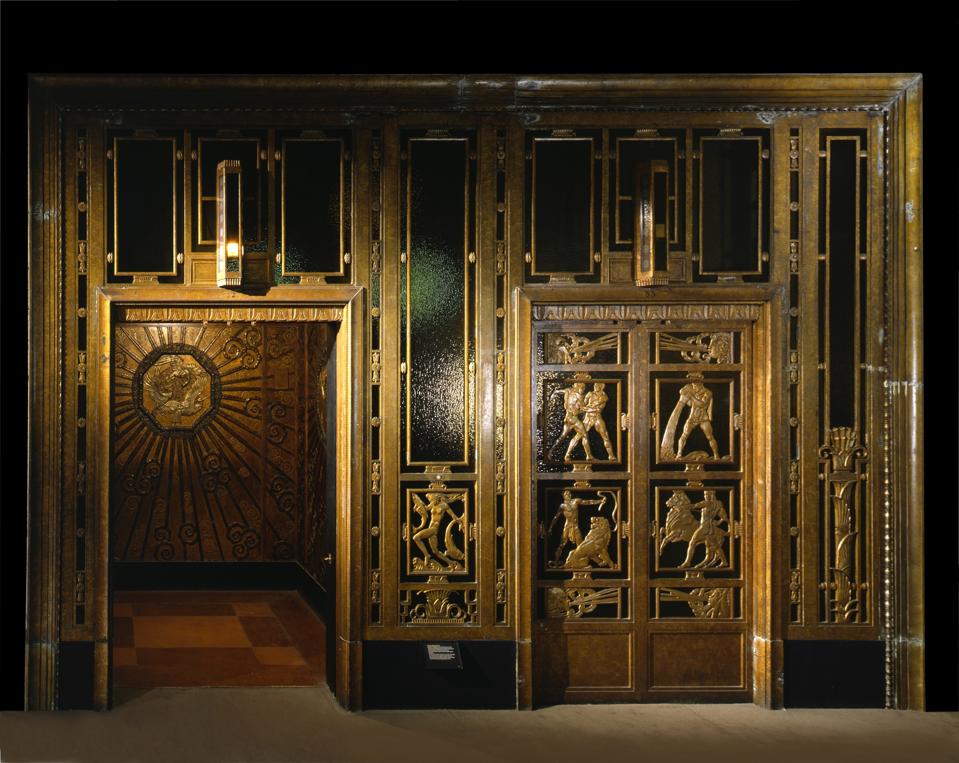
Objects include a newly displayed Roman wall painting, painstakingly reconstructed over 400 hours, the Bowes Cup, thought to have been used at Elizabeth I’s coronation banquet, and familiar favourites such as a plate belonging to Samuel Pepys and the art deco Selfridges lift.
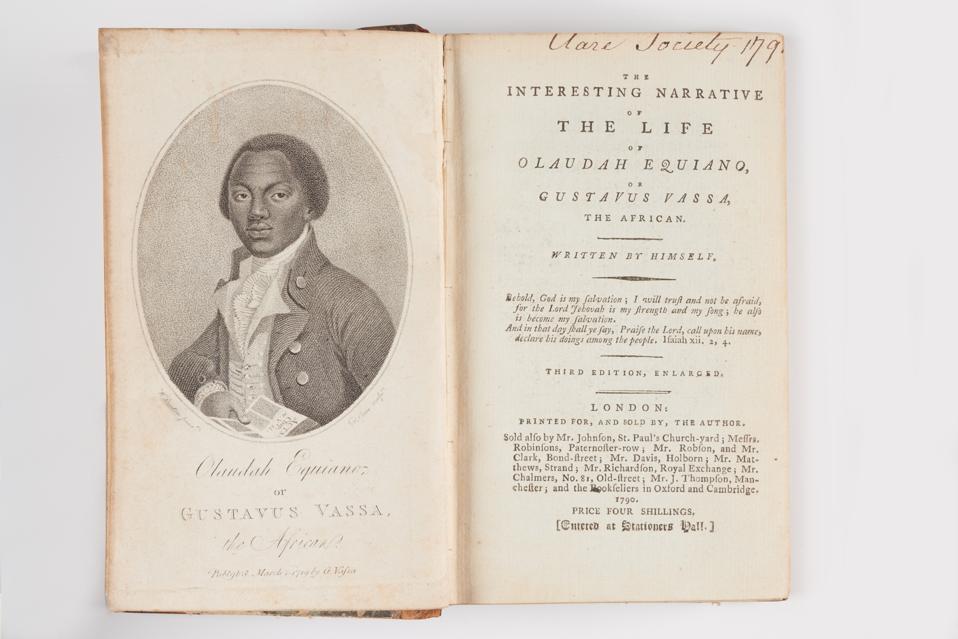
Other exhibits chart the city’s turbulent past, from the Great Fire and plague to empire, abolition, suffragette activism and the modern civil rights movement.
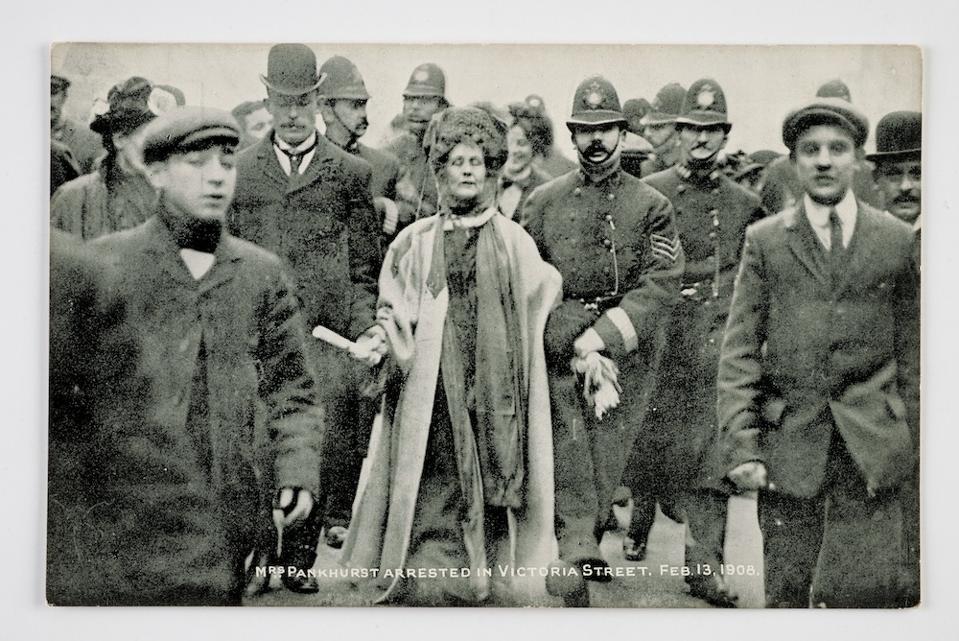
The galleries also trace London’s influence on music, fashion and the arts, with Paul Simonon’s smashed Clash guitar and a chair owned by Charles Dickens among the highlights. Interactive experiences include stepping inside a Roman shop and following the Great Fire through a giant graphic novel.
Eat, Drink, Shop
The museum has four distinct food and drink venues, developed with Green & Fortune and chef Robin Gill (The Dairy, Darby’s, Bloodshot Supper Club). They include Clerk’s House, an all-day restaurant inspired by London’s food heritage; Bartholomew’s, a bar serving cocktails created by Mr Lyan Studio; the Temperance Cocoa Rooms, an alcohol-free café with extended 24-hour opening from Thursday to Sunday; and The Roost, opening in early 2027, which will host rotating residencies for emerging culinary talent.
Opening Hours and Tickets
London Museum is open daily from 10am – 6pm, Sunday to Thursday. Reflecting the capital’s 24-hour spirit, they’re keeping the doors open late every Friday and Saturday, from 10am – 11pm.
Admission to the permanent galleries is free, and walk-ins are welcome, although advance booking is strongly recommended, particularly during the opening weeks. Late-night visitors on Fridays and Saturdays can enter with a ticket until 7:15pm, or as walk-ins until 9:30pm, subject to availability.
Book free admission tickets here.
Want to see more Forbes articles on your feed? Tap here to make Forbes Australia a preferred source on Google.
Look back on the week that was with hand-picked articles from Australia and around the world. Sign up to the Forbes Australia newsletter here or become a member here.