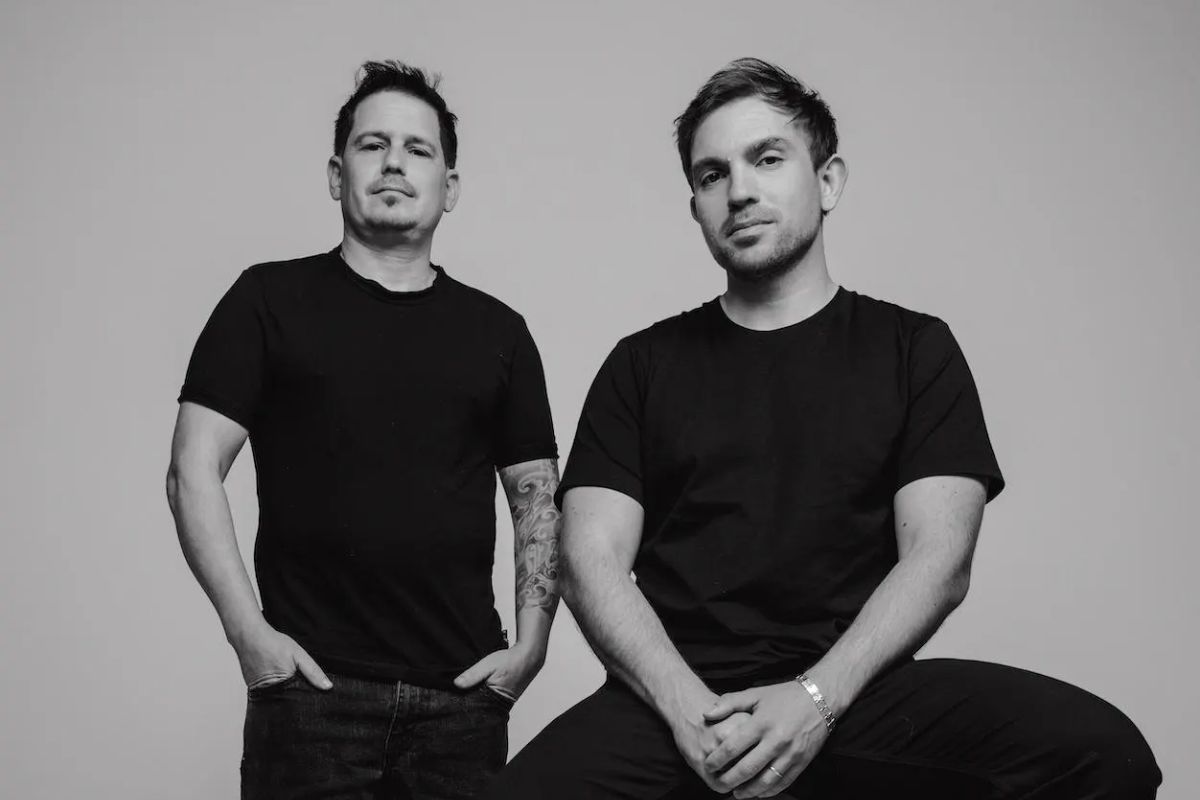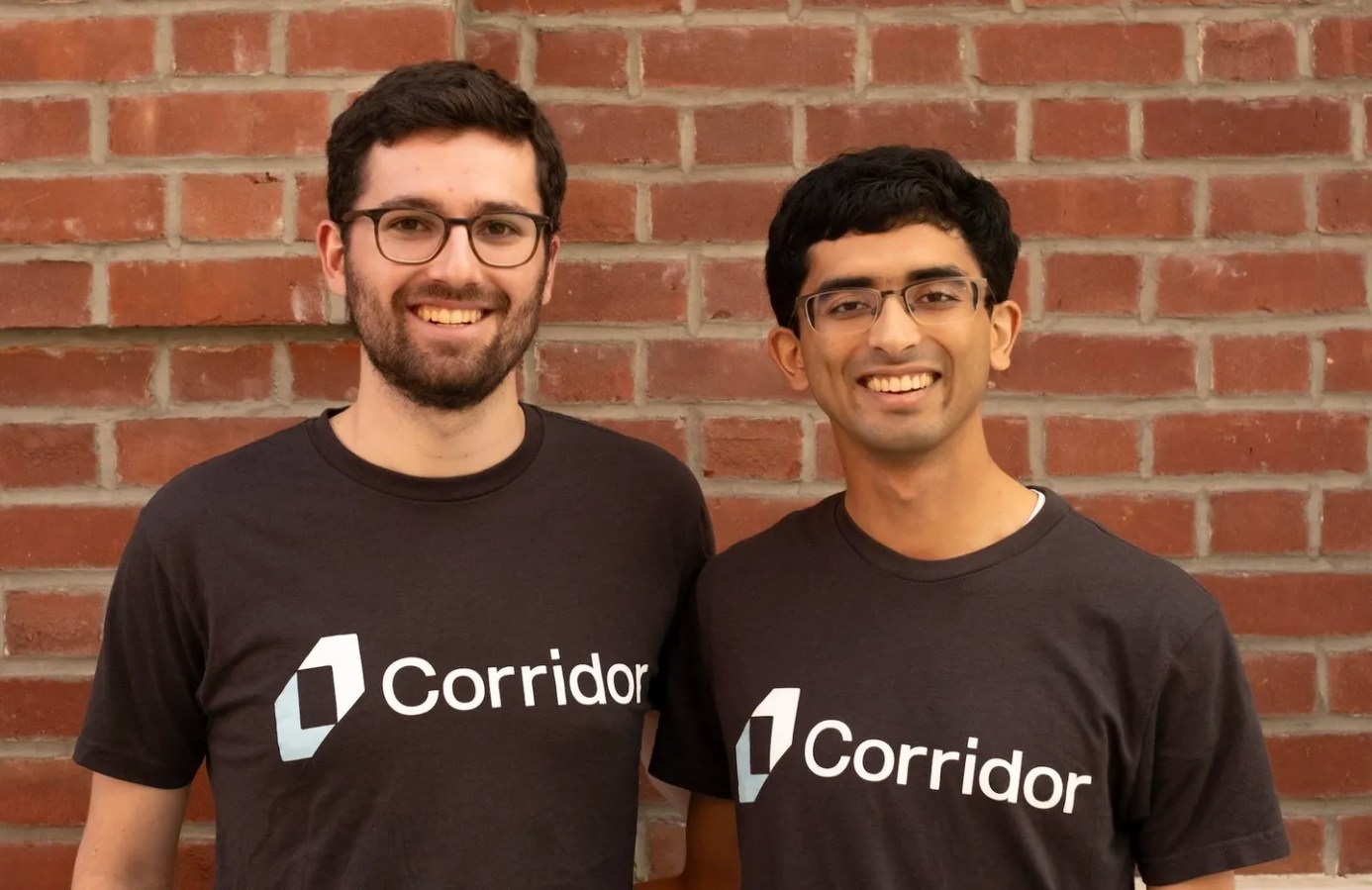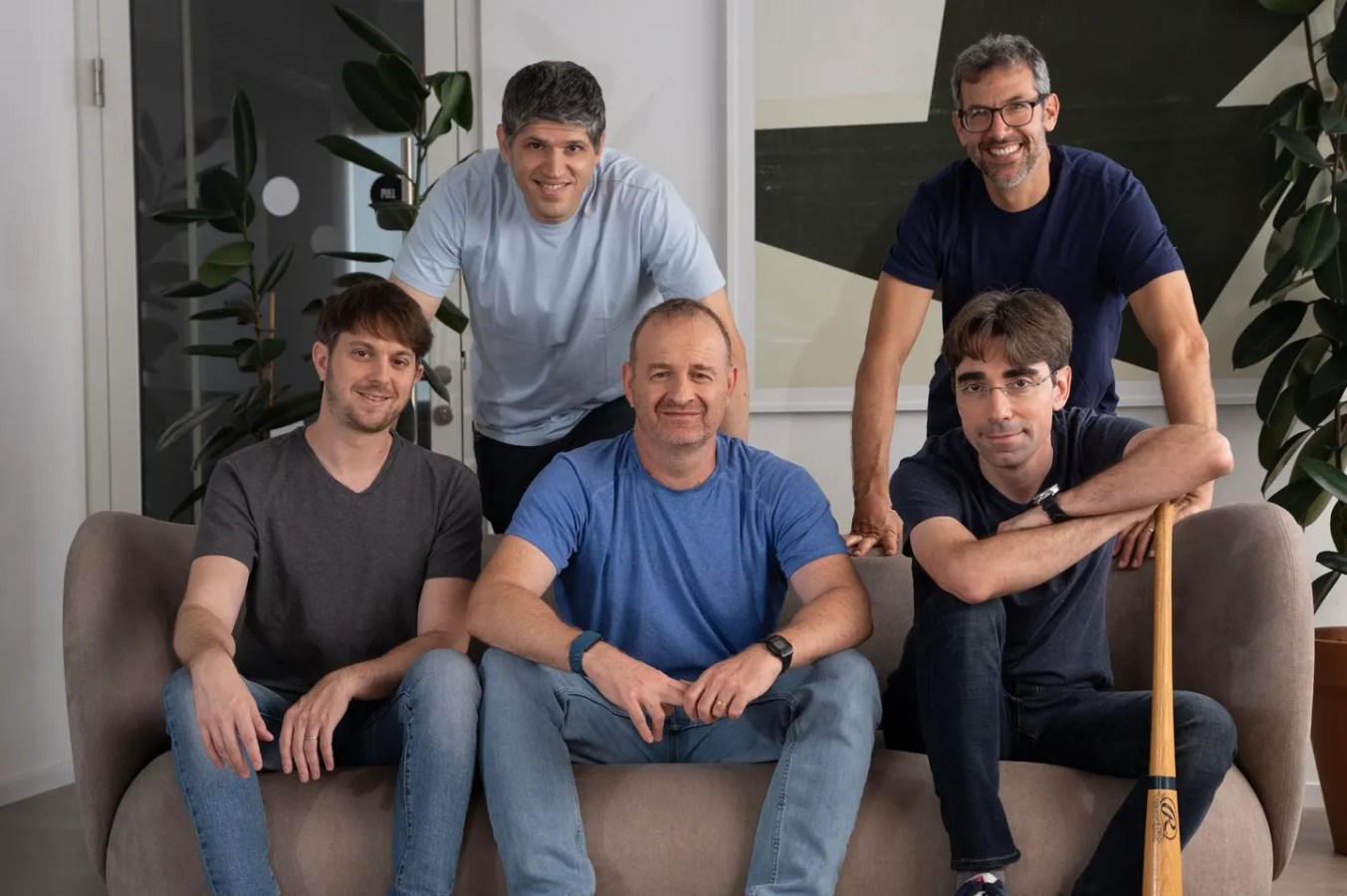
These 26-year-old founders quit their jobs and built a $200 million AI cyber startup
AI is writing more code than humans—and much of it isn’t secure. Corridor’s founders think they’ve found a way to catch the mistakes before attackers do.
An Israeli startup let its AI loose in advanced cyber games. It did better than 125,000 humans.
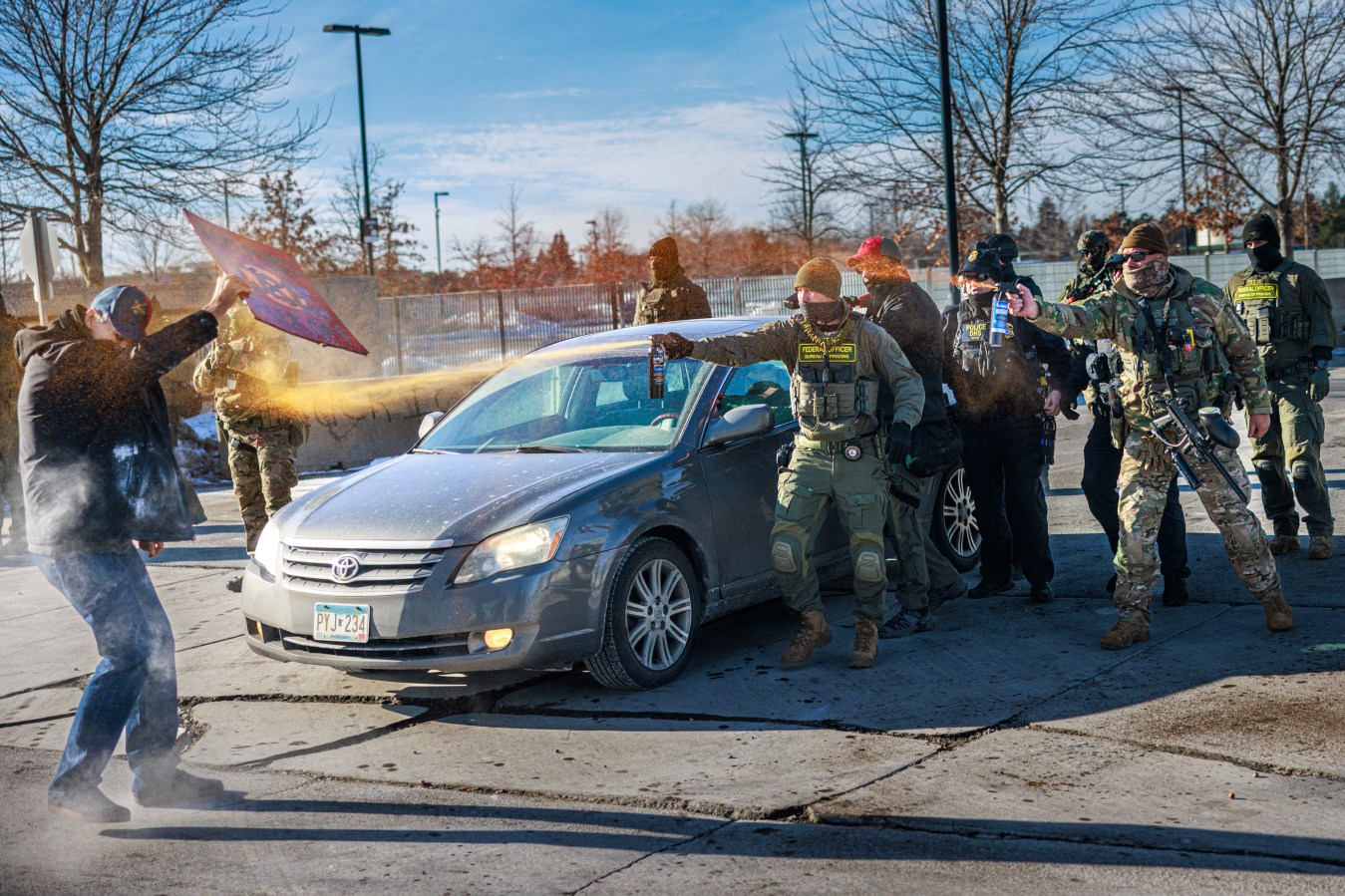
Safariland, owned by billionaire Warren Kanders, remains the number one supplier of pepper spray and tear gas to ICE and CBP, via a large federal distributor run by a MAGA-aligned former Marine.
A security researcher discovered a major flaw in the coding product, the latest example of companies rushing out AI tools vulnerable to hacking.
Cyberhaven, which just raised $100 million at a $1 billion valuation, offers AI tools designed to prevent employees from putting proprietary information into tools like ChatGPT.
In the wake of Trump’s victory, scammers sought to exploit supporters, telling them just photos of their memorabilia were enough proof they were in line for a huge payday.
For years, immigration detention centers run by Geo Group and CoreCivic have been plagued by allegations of dangerous conditions, negligence and mismanagement, which the companies deny. And they’re about to get a massive influx of new detainees from President Trump’s mass deportation effort.
The tech companies have delisted apps developed by a Cambodian company accused of running a multi-billion dollar market for illicit fraud services on Telegram.
Character.ai has taken down a dozen Luigi Mangione chatbots, but Forbes found two still online. One is advocating for more violence against healthcare executives.
At Apple’s secretive Global Police Summit, cops from 7 countries learned how to use Apple products like the iPhone, Vision Pro and CarPlay for surveillance and policing.