
Terry Snow, one of Australia’s wealthiest people, died a year and a half ago, leaving behind a business empire and unique legacies. One was his passion project, an other his commitment to giving people less fortunate than himself a fair go. Stewart Hawkins spoke to the family’s next generation about why they’re in the process of selling one, but totally committed to building the other.
This story features in Issue 21 of Forbes Australia. Tap here to secure your copy.
Early on a sultry summer morning, Willinga Park property manager Nick McDonald Crowley and I are standing on a forested ridgetop, looking out over the glittering Pacific Ocean and the picturesque township of Bawley Point on NSW’s South Coast.
That part of the world has some stunning landscapes and escarpments, but this hinterland is all rolling hills, gum trees and kangaroos and the odd red-bellied black snake lazing in the sun. It would be hard to construct a more quintessentially “Australian” scene.
We’re about halfway through a 25km ride on all-terrain electric mountain bikes, which will take in forests, fields, steep ascents, roads and muddy single tracks, and we still won’t have seen the entirety of the late Terry Snow’s 970 hectare Willinga Park.
Snow first purchased 40.5 hectares on the site in 2021, basically, to land his helicopter. He had a beach house at Bawley Point, and the neighbours were, probably understandably, complaining about the noise of him landing it in the front yard.
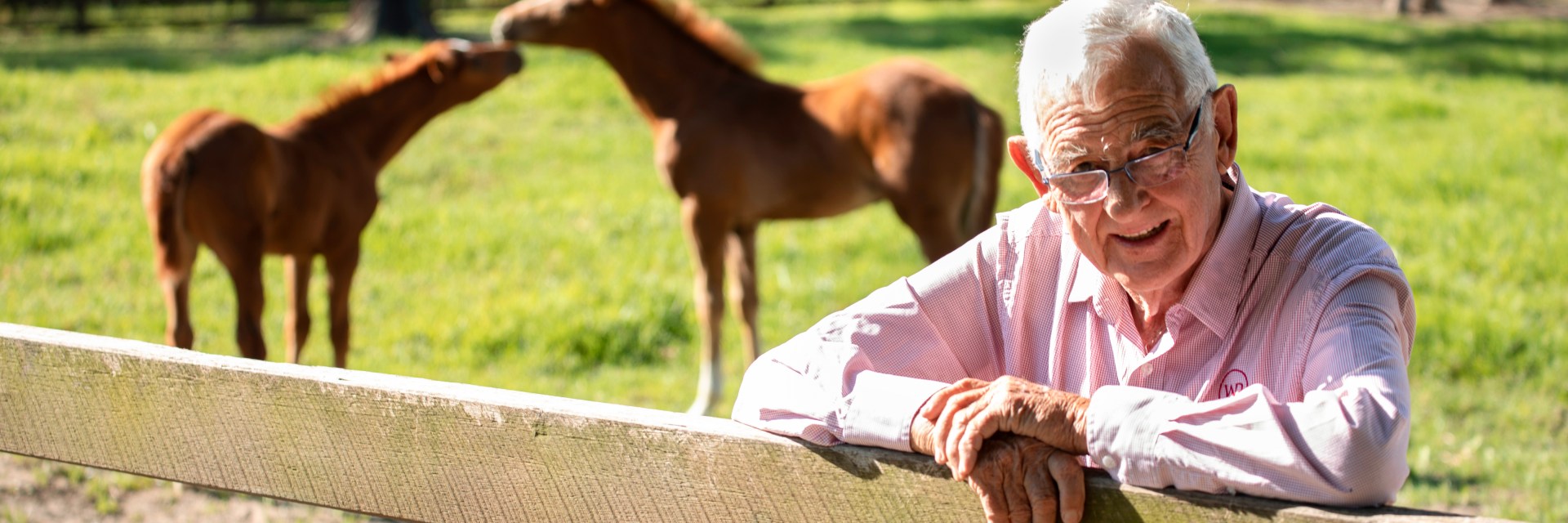
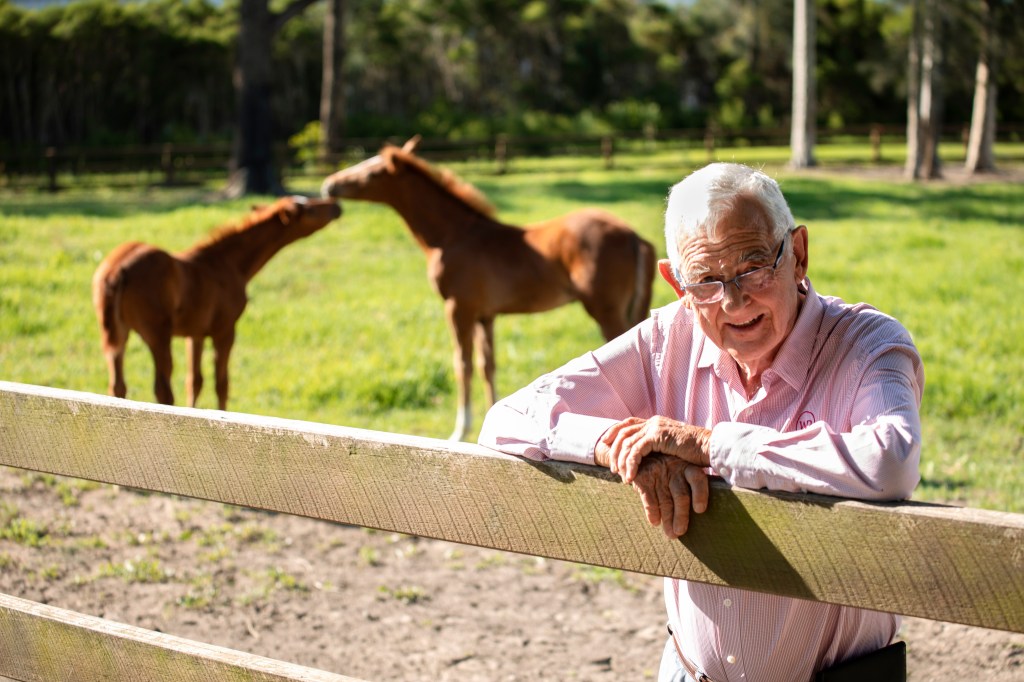
The final property, which came about through a series of land purchases, was purpose-built as an equestrian centre, designed by Chris Millman of Cox Architects, and fuelled by Snow’s late-life passion for horses, particularly camp drafting. [He learned to ride at 65.] It has a vet hospital capable of performing surgery, IVF, and MRIs, multiple stadium arenas, stabling for 250 horses, and a conference centre, ballroom, and accommodation pavilions.
The architectural and build standards are above and beyond – I have never seen an equestrian facility with this level of attention to detail – particularly the ventilated, cooled and shaded horse facilities, which have the welfare of the animals front and centre.
But wait, there’s more.
The main homestead is small, but perfectly formed, a structure designed by Alastair Swayn that touches the earth lightly, sunlight pouring in through glass walls, natural ventilation allowing cooling breezes. Canberra-based Swayn was noted as a champion of sustainable architecture, his design style often allowing structures to blend into the landscape. It looks out onto manicured lawns, structured gardens, a lake, and a contemporary sculpture park with pieces whose market value would be hard to assess. Think names such as Phil Price, Jorg Plickat, Ante Debro and Qian Sihua.
There’s also the purpose-built helipad and hangar, as well as property-wide fire fighting and pump infrastructure.
So why, on God’s good earth, would you sell it?
Passing on passion
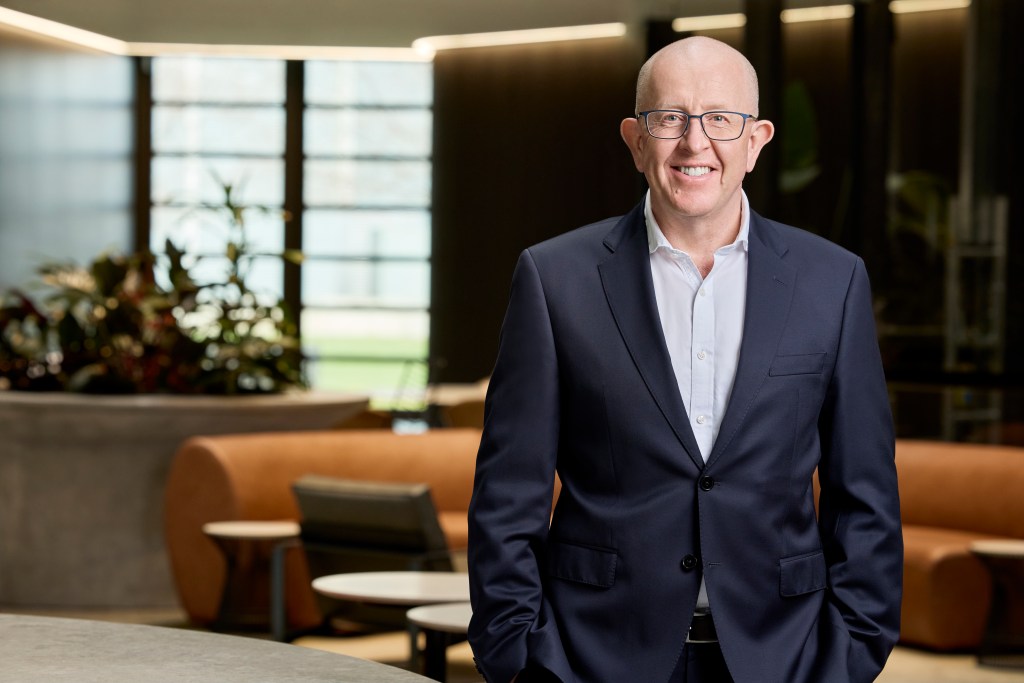
The scene couldn’t be more different, sitting in a Sydney downtown coffee shop with Stephen Byron, Terry Snow’s son and Canberra Airport CEO. There’s noisy construction next door, and any daylight the place might have had was obscured by scaffolding.
“Dad talked about it with the family and the family talked about it before he died,” Byron says of the Willinga property, speaking loudly over the noise.
“The reality is that there’s no one in the family who is placed as Terry was to take it forward, and what we need to do is find the next champion and custodian of what is a remarkable opportunity.
“Terry started it, and he got it this far, and it’s in fantastic shape. But really, now’s the time for a new family or a new group of people to enjoy it and take it on its new course.
“The place reeks of excellence and this beautiful blend between architecture, sculpture and landscape. There are a lot of different options a buyer could prioritise, they’re not going to change the essence of its quality.”
The dichotomy, though, is who will that buyer be?
Obviously, with properties like this, the purchase price is difficult to pin down, but north of $200 million is the guideline, a sticker price which puts it up there with the most expensive rural lifestyle properties
in Australia.
According to Forbes Global Property, which is handling the sale, the replacement cost of structures alone is $429 million, and the remaining 2026 tax depreciation is listed at $219 million, giving local taxpaying buyers many options.
Also, it has potential for agribusiness expansion, cattle are already run on the property, and the equine veterinary operation is a potential revenue centre as well. (I’m told on good, but anonymous, authority, it’s already turning a small profit.)
According to vendor documents: “Existing planning approvals deliver exceptional future upside, including function centre operations, expanded guest accommodation, and subdivision opportunities.”
Be that as it may, it is very costly to run – maintaining that level of quality doesn’t come cheap.
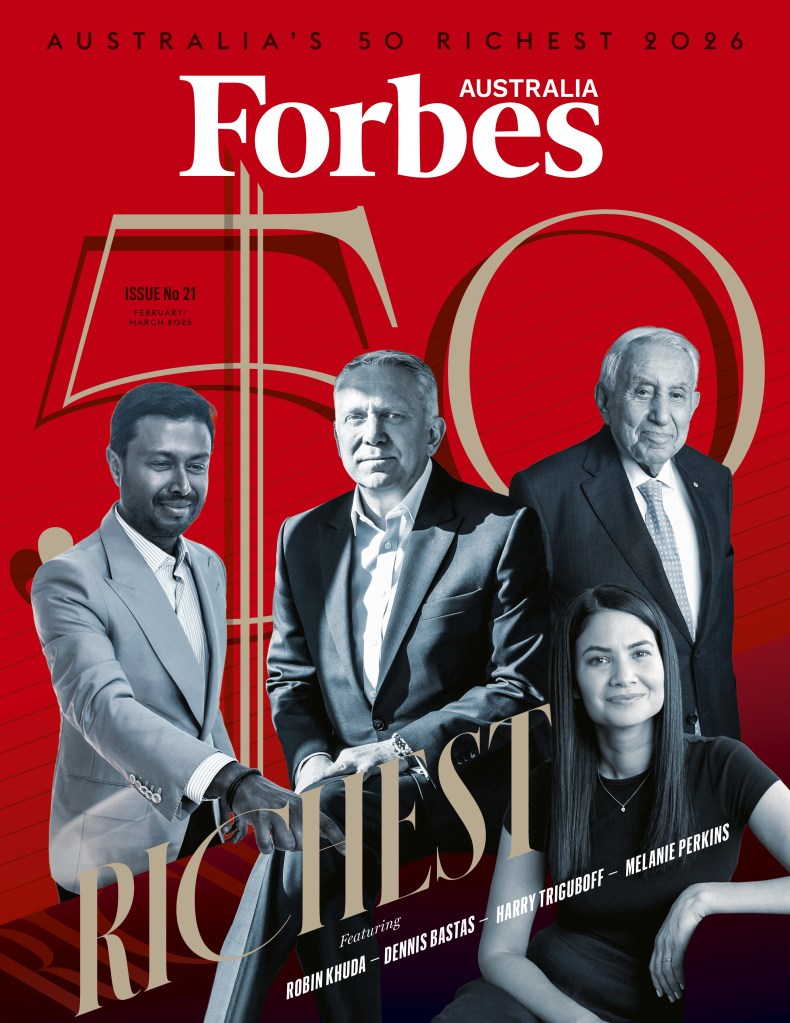
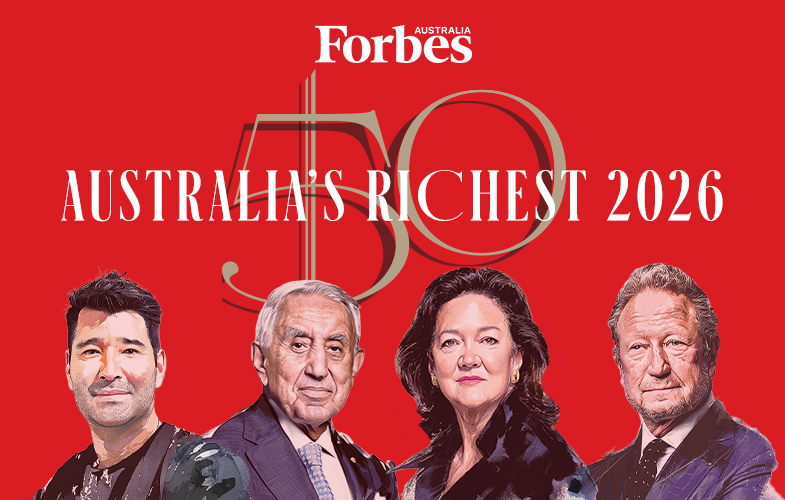
Australia’s 50 Richest 2026 – Out Now. Tap Below For Full List.
A family affair
Terry (grandson of Canberra’s first general store owner) and Ginette Snow raised a close-knit family of four children: Stephen and Georgina Byron, from Ginette’s previous marriage, and younger children Tom Snow, and Scarlette Gaffey.
Stephen says there was never any distinction made between the children – at all.
“The four kids are close together and have always been that way. Terry was my best mate as well as my dad,” he says.
More on Terry’s personality later, but he was often portrayed to be a relatively humble, practical, decent bloke, who, sure, was whip smart and no pushover, but was generally well-liked because of his approachability and keenness to see others succeed – particularly those who’d had a hard run.
Stephen followed his father into the family businesses – the centrepiece and source of much of the family’s billionaire status is Canberra Airport, which Terry bought from the Federal Government in 1998 for $67 million and, with his son, turned it into a significant regional transport hub, retail and office park.
As an aside, Stephen says he thinks they paid too much, despite the success they made of it.
“It wasn’t worth $67 million. There’s no question we bid high because we thought we were in a contest. Twenty years after we bought it, we found out there were no other bidders,” he says.
Georgina, after a stint in corporate, currently runs the Snow philanthropic foundation. Tom is a Rhodes Scholar who worked high-profile as a campaigner for marriage equality and was the founder of Equality Australia after building an infrastructure fund management firm, Whitehelm Capital. He is now chair of the Snow Medical Research Foundation.
Scarlette has a speech pathology practise and is a board member of the Snow Foundation.
A lot has been written about Terry Snow’s rise in the business world, his work with his brother George, his astute property developments, loyalty to his hometown of Canberra and the seminal nature of that airport purchase on the family’s fortunes. Snow was in his 50s when he bought Canberra airport partly with proceeds from the sale of Capital Property Trust to Mirvac. He obviously could have retired, but went on to work in the business until not long before he died.
So what’s next for the business?
“Terry and I always shared a view that if there’s a business you’re stagnating, you’re actually dying because the best people want to work on growth activities,” Stephen says.
“You can’t stop. You’ve got to give talented staff opportunities to progress things. We’ve got three sites in the heart of Canberra that will be developed over the next five years, and they’ll reshape the city.
“There’s in excess of a billion dollars’ worth of construction to be spent on those projects. But we’re spending about 200 million dollars a year on new Capital projects at the airport as well. That’s a good thing. You’ve got a billion dollars’ worth of projects that are outside of the actual airport.
“I’m passionate about our city and the responsibility that goes with [that], whether it’s the airport or the city projects or… a residential project called Denman Prospect, we’re building over 4,000 homes. It’s a responsibility to get all of that right.”
The legacy of snow
The Snow family, according to reported estimates, has been ranked in the top 10 of Australia’s most generous givers based on the amounts donated versus the wealth of the family.
I wanted to explore how this evolved, what motivated this culture of giving.
I spoke to people who’d worked for and with Snow, and the picture that emerged was one of a man who was traditional, conservative, certainly, but one who valued others’ opinions, even if they didn’t necessarily agree with his.
On the work front, Stephen says, “Everyone says the best years of their work life were the years they had worked for Terry Snow.”
Something you would expect a loyal son to say – but I found no evidence to contradict that.
Stephen was also quick to point out that Terry was absolutely a man of his word.
“If he said he would do something, he went and did it. He was very single-minded in that way, but equally, it was a value he had so that if he said something, he could be trusted to go and do it.
“His other great aspect of leadership was quality and excellence. He didn’t take second-rate shit very well, so when people did something like building a building, he was pretty invested in it. He gave a love and care to his people. He ran what was truly a family business because he treated all his staff as family.
“One of the things he was interested in doing was picking people, giving them promotions or responsibilities, and backing them. He would back his staff in taking on opportunities.
“We’d back small businesses. He’d give them an opportunity. He was a person who gave people opportunities rather than let people get stuck in the same job or the same role.”
Stephen says his home growing up was: “a place of love, a place of teamwork. We had to do the chores; some days it was family days, so you weren’t allowed to go and play with your friends or go to any parties.”
He says, though, that his father was very traditional: he left most of the parenting to his mother, Ginette, but he was a great mentor.
“When there were things like what you were going to do with your career, or if something had gone wrong, he was there. He was a leader in terms of helping people work out the direction their life should take,” Stephen says.
A philosophy of a helping hand
Talking to Terry’s daughter, Georgina, something interesting started to emerge about the way Terry structured his giving (Georgina dislikes the term philanthropy, saying it doesn’t sound right – too grandiose.)
“He just wanted to give to his fellow man,” she says.
“In his life, he would give to the underdog. He looked out for those who weren’t given the opportunity, yet he firmly believed that if you give someone a chance, if they want to help themselves, they will really thrive. When he handed the reins to me, that was sort of the underpinning motto that he had.
“He often would prefer to speak to the receptionist or the person who’s the gardener or the person who’s at the airport in the orange shirt. He was a people person and took great joy and pride in being someone who could be in anyone’s company.”
The genesis of what was to become a multi-million-dollar charity was typically humble and practical, according to Georgina. He placed an ad in the Canberra Times seeking anyone who needed funding or support.
It was just a small advertisement, and then the board would come together, and he would review it. Ginette was a big part of that as well, and that would be the annual granting.
Georgina says that it was basically the way for 15 years until he gathered the family together and said, “Would one of you like to take this over? Because I want to grow the capacity and support our community here in Canberra.”
Georgina put up her hand. And became the foundation’s CEO in 2006. What started with a million dollars now has a corpus of about $220 million and a staff of around 20, including consultants. The aim is to give away $50 million a year by 2030. It has had an accelerating growth, and with that has come, she says, a greater commitment to a strategy and themes that the family is interested in wanting to make an impact on.
“That’s inclusive of social justice issues that we really care about, and we want to make systems change and structural change too, which will impact thousands and thousands with advocacy and research,” she says.
“Next to that, there’s also a stream which is about social entrepreneurs, and that’s really the DNA of Terry. All his life’s work was entrepreneurial.”
She says the foundation supports a fellowship of 28 social entrepreneurs who are “trying to tackle old problems in new ways and that they haven’t been able to get any support from any others because they’re very early in their journey. We support them really intensely with both funding and wraparound support of mentors. That’s a three-year commitment for each of those 28 people.”
In terms of future directions, she says they have five themes: gender, First Nations, youth, LGBTIQ, and community. I asked how comfortable Terry Snow was, a man who, on the surface, appeared to be a relatively conservative person, given the liberal nature of some of the social causes his money ended up supporting.
“Well, it’s so interesting, I’ve never been asked that quite so frankly, and I appreciate the question because you’ve made a really good insight there,” she says.
“He was in a different generation from the generation that his kids who are taking on this foundation. So yes, I will also be very honest, we had some pretty frank, robust conversations together as a family on social issues. But at the same time, he empowered me and the family to say, ‘Okay, you’ve got this.’ Early on, he said to me, ‘You’ve got this by the nuts.’ Huge compliment. Because he didn’t often give many out, but you knew that you were doing okay. If you received one.”
“I would absolutely check in with him, and there’d be things he’d say, ‘Check out this.’ But quite honestly, if he had people that he trusted, as you said and you’ve discovered, he would back them.
“I would say to him, ‘I’m living and breathing this foundation and these social causes. I’m telling you that I am listening to the minority groups that want or need this… and I want to back these things’.” And he would listen and we’d have a conversation, but he was really open to being led by us with some of those things that are less conservative.
“He knew how much I lived and breathed this and knew that the family were also holding it, and so he empowered that and enabled that, and I think that was really impressive of him to do that.”
Given her commitment to the causes she was passionate about and her father’s legacy, I asked what she wanted to ultimately achieve.
“It’s about creating social change, building strong communities and forging fair systems. It’s all about supporting those on the ground and in our communities that we care about, but making the national systemic change where we need to, with that thread of entrepreneurs being a part of that.
“The flagship of the entrepreneurs is up there as a powerful force, and at the same time, we’re trying to grow those younger minds in universities. We support a hundred scholarships, and we’re just launching with Canberra University, 18 new scholars.
“Once again, they are people who haven’t been given the opportunity, and this is their opportunity to have their entire degree supported, and coming together as a cohort, as we did with the cohort of the entrepreneurs, and really lean on each other and learn from each other and be supported by us and the university to grow.”
The Snow family at a Glance:
- The Snow family controls Canberra Airport and real estate brokerage firm Capital Property Group.
- Patriarch Terry Snow died in August 2024 at age 80, a few months after stepping down from his management roles.
- Older son Stephen Byron is group CEO.
- The patriarch had invested more than $2 billion in developing the airport and building office and industrial parks on the 430 hectares of surrounding land.
T’s all about the ponies
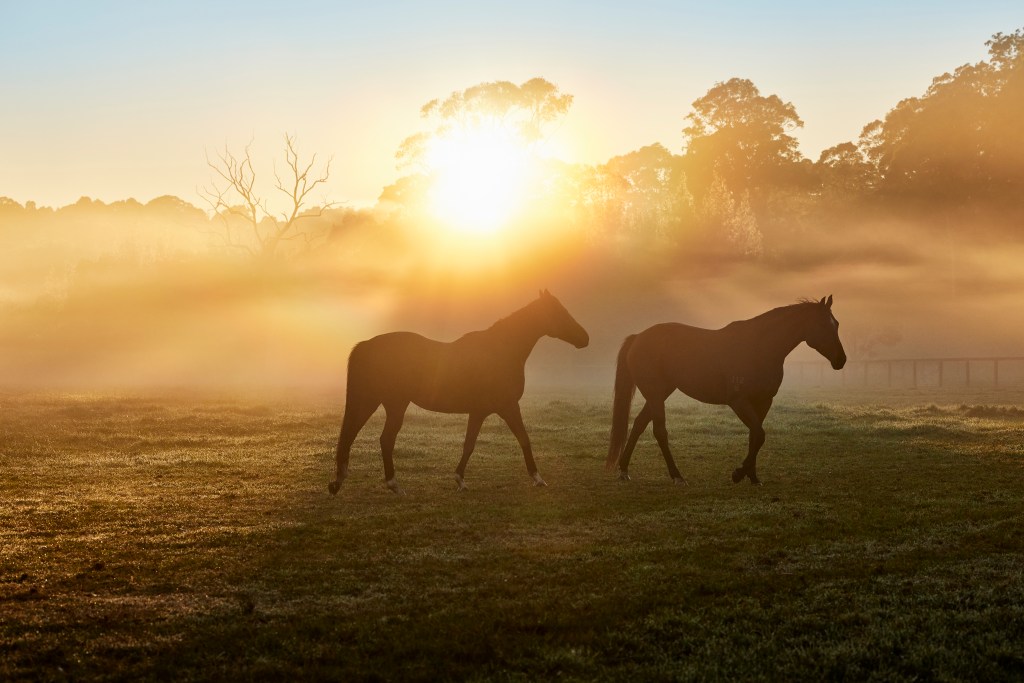
Willinga Park has a Grand Prix arena and a warm-up arena with the latest flooring technology. The covered arena and show jumping arena have large seating capacities and also offer similar-quality arena flooring. The covered round yard and the outdoor training area features the latest flooring technology and is equipped with lighting and audio systems.
- The Grand Prix Arena 70m x 30m.
- The Grand Prix Warm-up Arena 40m x 30m.
- The Covered Arena 70m x 30m.
- Multi-Discipline Arena 124m x70m.
- The Covered Round Yard is 18m in diameter.
- The Outdoor Training Area 70m x 40m.
- Campdraft Arena 90m diameter.
Look back on the week that was with hand-picked articles from Australia and around the world. Sign up to the Forbes Australia newsletter here or become a member here.
This story was originally published on forbes.com and all figures are in USD.