
Two world-first quantum milestones have helped propel Q-CTRL to a US$290 million funding round. Here’s the story behind Australia’s first quantum unicorn.

A quantum sensor guiding an aircraft through a GPS blackout and a quantum computer simulating the behaviour of electrons inside a material might seem like two entirely different technological feats.
But to Professor Michael Biercuk, they are manifestations of the same solution: using software to make notoriously temperamental quantum hardware work better.
That insight has taken his Sydney-founded company, Q-CTRL, from university spin-out to a global quantum industry leader that has clocked two world-first milestones in the past two years. It claimed to have achieved “quantum advantage” – that long-predicted point at which quantum computers swamp classical computers in performance. And the money followed.
Q-CTRL leveraged those two quantum feats into a US$290 million funding round that values it as Australia’s first quantum computing unicorn, the company announced on Thursday. Q-CTRL declined to say what the valuation was, just that it was more than US$1 billion.
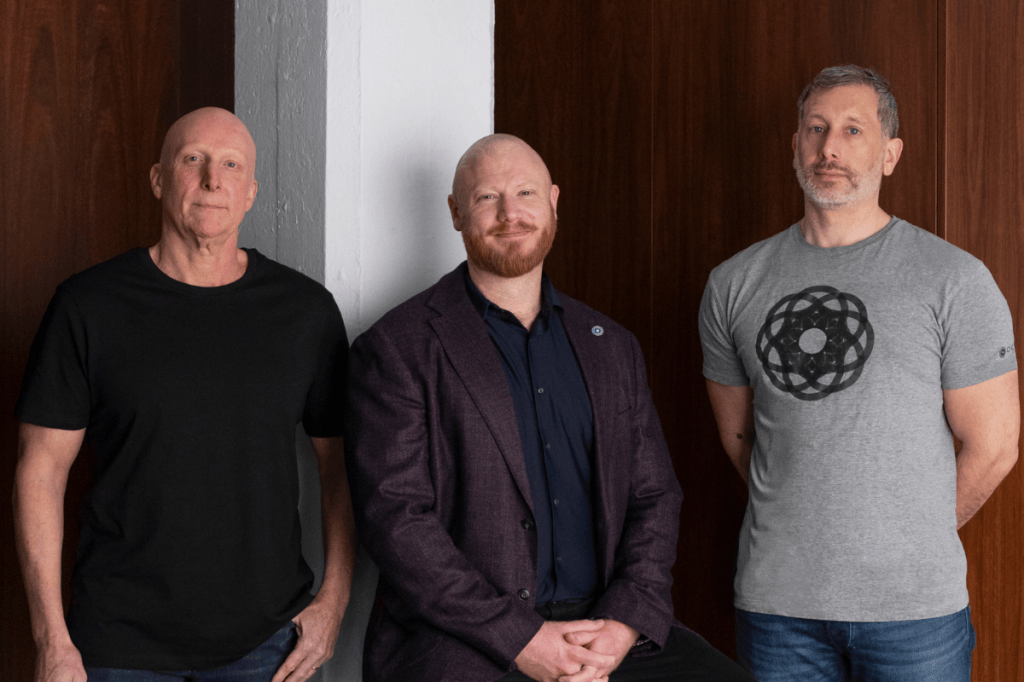
The oversubscribed round, which was expanded twice to meet investor demand, is the largest ever raised by a software-focused quantum company, Biercuk tells Forbes Australia.
With the raise, Q-CTRL joins seven other quantum unicorns: PsiQuantum, QuEra, Photonic, Nord Quantique, Xanadu, IQM and SandboxAQ in the billion-dollar-plus-valuation club.
US-based PsiQuantum has two Australians in its founding team and is building a utility-scale quantum computer in Brisbane, backed by almost A$1 billion in combined federal and Queensland government investment. Xanadu founder and CEO Christian Weedbrook is Australian.
Backing every horse in the race
The US-born Biercuk came to the University of Sydney in 2010 as an academic and founded Q-CTRL in 2017. “I built in Australia because, A, I was here, and, B, there was a huge amount of latent talent. Many of the best people in our sector, sadly, due to a lack of opportunities, had churned into adjacent fields – finance, banking, the typical things – so we saw an opportunity to bring people back into the fold.”
The race to build a quantum computer was already attracting some of the biggest names in technology. IBM, Google and a host of ambitious start-ups were betting on different types of hardware.
He chose to bet on quantum software that would be “hardware agnostic”.
That decision was informed by what he’d seen working at DARPA, the US military’s advanced research agency, which funds the development of breakthrough technologies.
“I got a broad view of what was needed in the field of quantum, but also what was needed in general to advance research into deployable technologies. So I had a rather unusual perspective.
“At a time when I saw really singular bets – everybody saying with a bit of religious fervour, ‘I am going to be the one to build a quantum computer based on my pet technology,’ whether it was trapped ions as my academic team had done, or semiconductor devices as is very popular at UNSW [University of New South Wales], or superconducting devices at IBM and Google, et cetera.
“I took the view that nobody knows. And anybody who tells you they know is selling their own book. So we built a business that was designed to win no matter who won.”
Getting rugged
Biercuk was also determined that whatever they built had to be useful in the real world.
And as the geopolitical landscape became more complicated after the 2022 invasion of Ukraine, an opportunity presented itself.
The incidence of GPS navigation jamming for aircraft went from negligible in 2020 to impacting 1,500 flights a day now. “There are whole regions of the world that have no GPS available, all throughout the Middle East, but also going up to the Baltic states over Poland, there is no GPS for commercial airplanes,” says Biercuk.
“Pilots began raising the alarm going back to 2024 … And we saw an opportunity to apply what we call software-ruggedised quantum sensors, to a real problem in the market.
“We said, ‘Well, we’re just going to do it.’ We built a team with expertise in navigation, not just quantum physics or quantum sensing. We charged that team with designing a test regime and flying on real aircraft.”

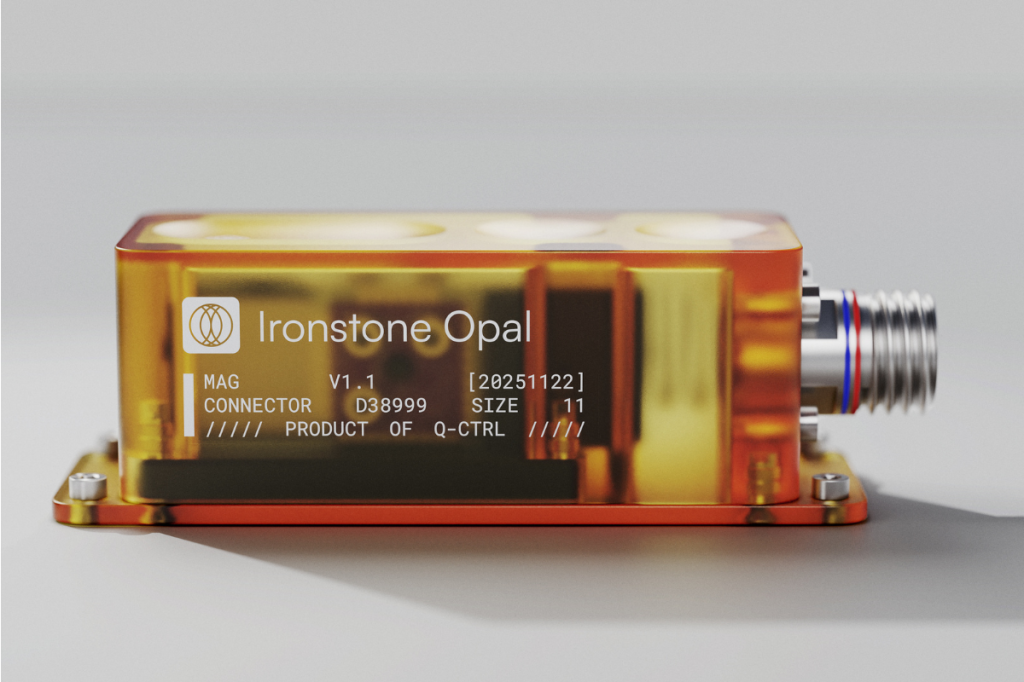
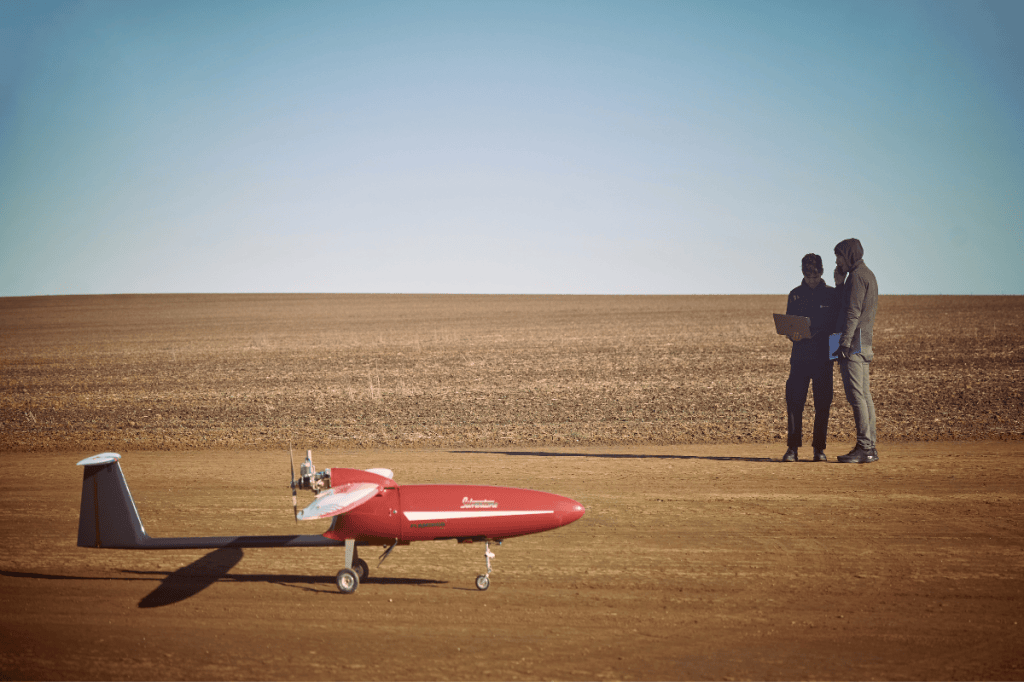
By April 2025, they had proved it out on an aircraft in a test against the best existing backups to GPS, not GPS itself. They used a system that navigates off global magnetic fields, with their quantum software able to cancel out the signal noise.
“We didn’t just win by a per cent or two. We won by a hundred times,” says Biercuk. “The positioning accuracy we got was a hundred times better than the best alternative when GPS goes off. Now that was a major landmark, and we’ve since expanded that with many, many dozens of more demonstrations, more flight trials, expansion from original light aircraft demos to drones and helicopters and ground vehicles and maritime vehicles.”
He declines to give precise details of what those tests entailed. “The nature of our commercial and government engagements precludes me from sharing those kinds of details.”
He says they have done more than 200 hours of aircraft test flights and “probably an equivalent amount on drones.” In what Biercuk described as a “multi-week GPS-free maritime demonstration” in the Coral Sea, they came within one nautical mile of their target.
In that case, they used a different form of mapping, utilising variations in gravity, rather than magnetic fields, to navigate the featureless ocean.
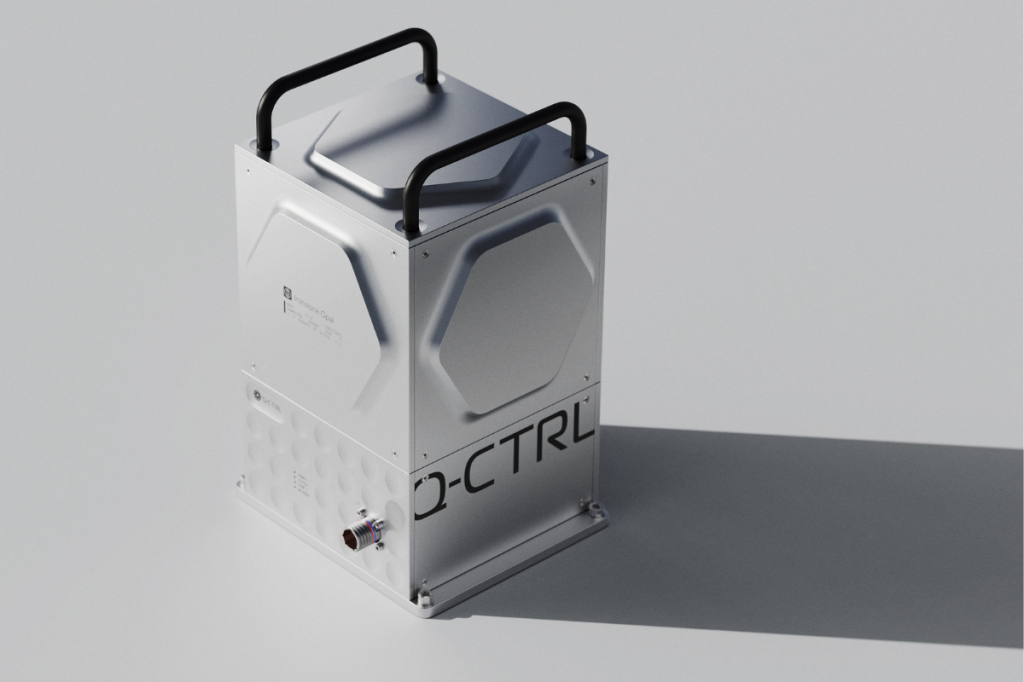
“So these things have really delivered results that beat the pants off of anything else, but also really dramatically impress the end users that are relevant to us, whether they be from defence agencies or from the commercial aviation sector.”
Making money from it
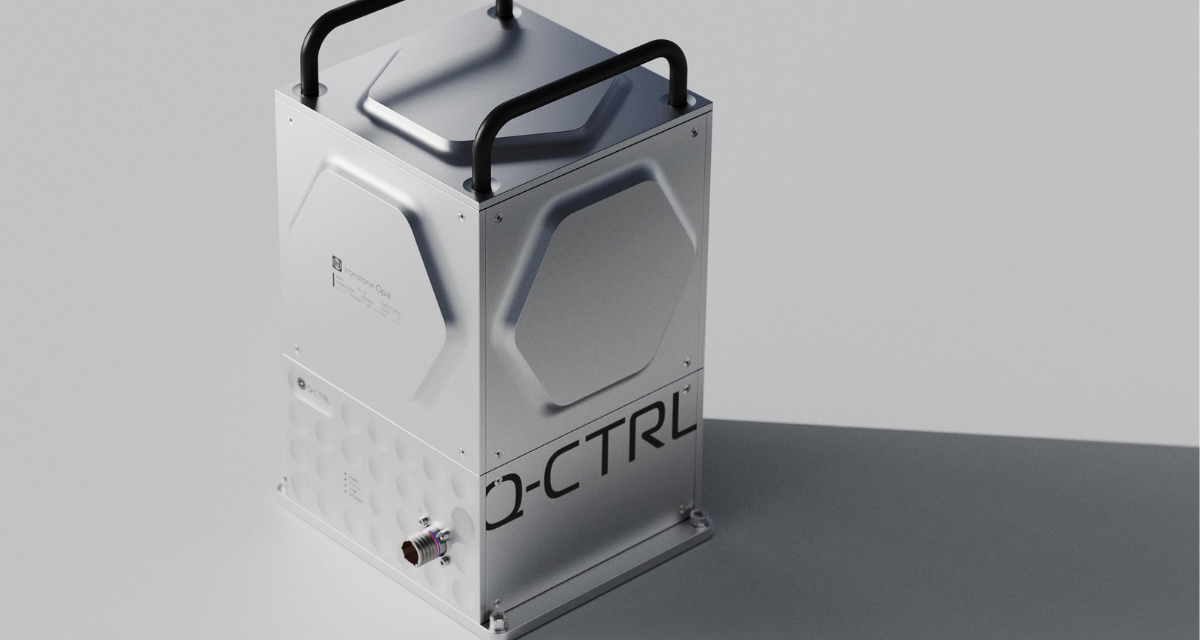
Q-CTRL has been selling an “evaluation kit” to those potential end users, says Biercuk. “This is the early pre-production variant. We’re releasing the production variant in early 2027, and we already have a wide range of customers lined up.
“We have public relationships with companies like Airbus and Lockheed Martin focused on how this technology can be relevant to the platforms that they build.
“We’ve become the global leader in this kind of GPS-free quantum navigation because we have the complete so-called stack of capability. We build the sensors ourselves up to all of the software for operation and coming up with navigational solutions.”
“Q-CTRL is one of the few quantum companies with real customers and real revenue.”
Per Roman, Bullhound Capital
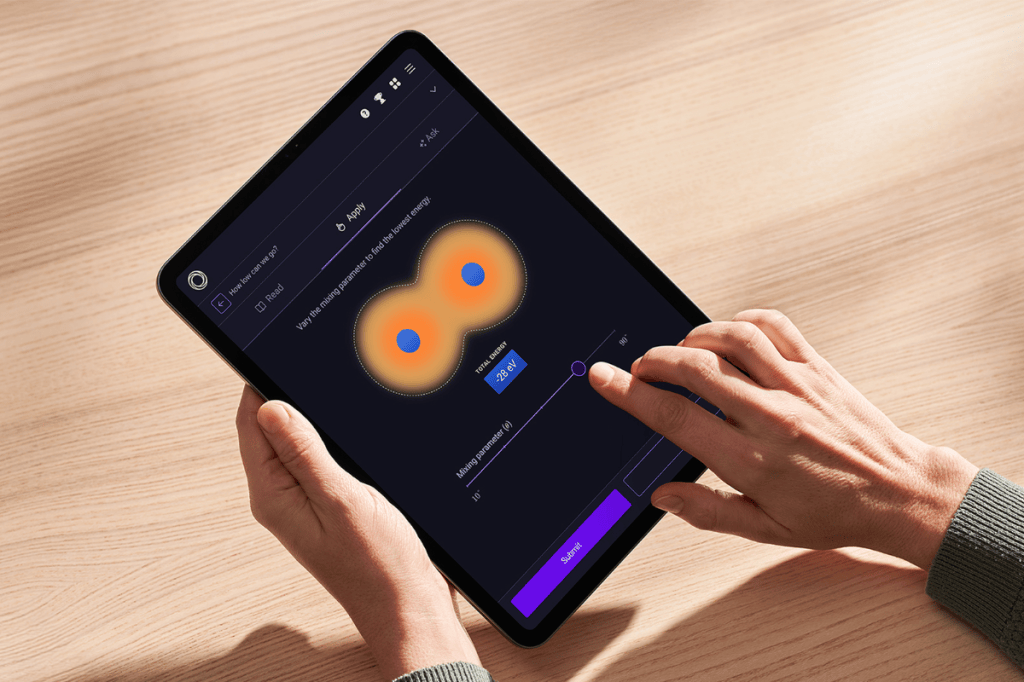
Having hit the market with this navigational technology, Q-CTRL then hit another world first in March when its software was run on an IBM quantum computer to solve a materials science problem more than 3,000 times faster than the best available conventional computing method.
The breakthrough involved simulating how interacting electrons behave inside materials – a fundamental problem in physics that helps scientists understand and predict the properties of substances. Such modelling at the atomic level could accelerate the development of everything from more efficient batteries and solar cells to superconductors and materials for fusion energy.
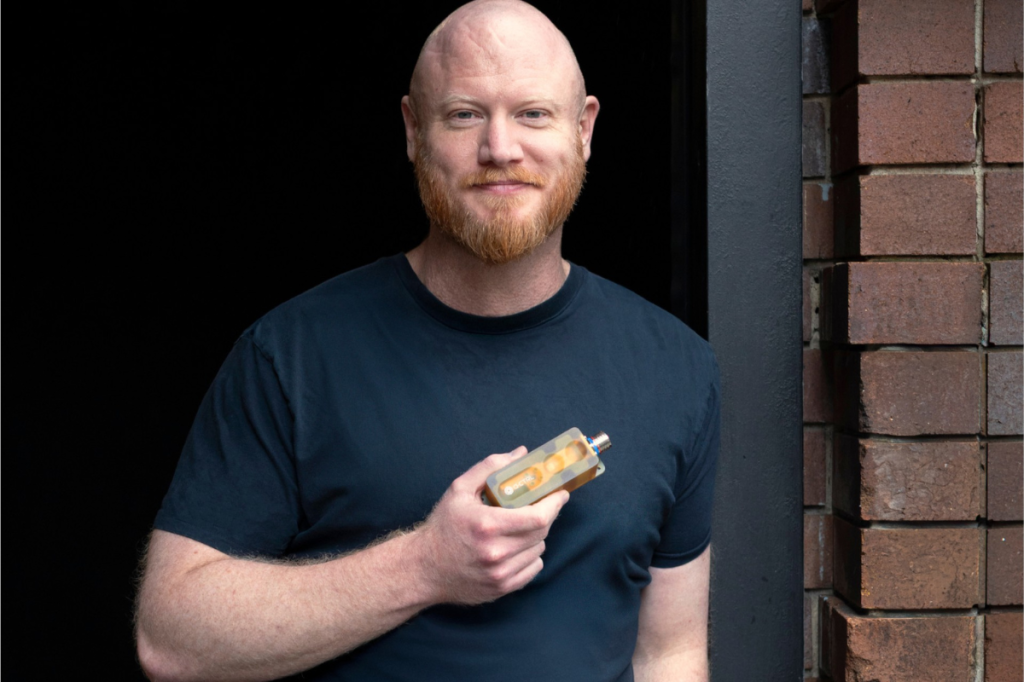
Just as it does in navigation, the Q-CTRL software is designed to suppress errors and noise, one of the biggest obstacles preventing quantum computers from delivering useful results.
The quantum computer completed the simulation in approximately two minutes. Running the equivalent calculation using a leading classical computing technique took more than 100 hours. Q-CTRL said the results achieved accuracy within 1 per cent of the conventional method.
Q-CTRL called this “practical quantum advantage” – one of those holy grail endpoints so long talked about by the industry.
Suddenly, the company was claiming two massive world firsts in what might appear to be two separate fields. But Biercuk says they are “fundamentally the same”.
“Software makes the hardware better. And we simply deploy that in different verticals for different end uses.
“The same software that makes it possible for a quantum sensor to be used on an airplane for navigation makes a quantum computer more stable and more likely to give you the right answer in materials science. The same software! So that crossover is something unique about our business.
“We became the first in the world not only to deliver this commercial quantum advantage in navigation, but then to effectively repeat that trick in the quantum computing space.”
Biercuk declined to give revenue numbers but said that on top of sales of its navigation systems, the company was licensing this quantum computing software and making money from clients in industries as diverse as logistics, stock picking and biopharma.
Investors wanted in
The computing breakthrough was announced at IBM’s flagship annual technology conference, Think, in May this year, though the milestone had been hit in March.
And Q-CTRL had started its Series C fundraising the month before.
It was good for business. The term sheet was issued in May and they found themselves comfortably oversubscribed.
“The original size of the round as set by our lead investor was much, much smaller,” says Biercuk, though he won’t say what that target was.
“Dilution, which I know some people care about, is not the relevant metric. The metric is that what I’m building is growing.”
Michael Biercuk
“We went to market knowing that we had something very exciting and we were in a position to capture a huge amount of value. And ultimately we were able to become Australia’s first unicorn [quantum] company … We broadly outperformed any of our peers in the sector, many of whom, because of how hard quantum is, have had to pivot to the public markets in order to raise capital.”
The oversubscription had allowed them to distribute strong returns to early investors who sold down their parcels, Biercuk says.
“And that’s been a huge boon for our status as a commercially relevant organisation in the sector. We actually deliver real value back to the investors who stay with us, not just raising capital for ourselves.”
One returning investor, Bullhound Capital founding partner Per Roman, a Q-CTRL board member, said: “Q-CTRL is one of the few quantum companies with real customers and real revenue. Michael has executed on everything he told us he would and then some. We’re pleased to keep backing him.”
Biercuk declined to say how much of the company he still owns. “The important message is that we invented this from nothing. And dilution, which I know some people care about, is not the relevant metric. The metric is that what I’m building is growing. So if I have others who share in that financial reward capture because they put in money and they grow the value of their investment alongside me as the founder, it doesn’t matter if my overall shareholding goes down … The overall absolute value of what we’re building is increasing dramatically.”
Who got in
The round was led by Salesforce Ventures with “significant participation” from Bullhound Capital and Affinity Partners.
Other new investors include AMD Ventures, EDGE Group, MPower Partners, the Australian government’s National Reconstruction Fund Corporation (NRFC), and SPARX Asset Management.
Returning investors include Alpha Edison, Alumni Ventures, Bullhound Capital, DCVC, In-Q-Tel, Lockheed Martin Ventures, Main Sequence, Ridgeline, Salesforce Ventures, Salus Ventures, and Square Peg.
The Australian taxpayer holds A$70 million in equity through the NRFC. Q-CTRL is the NRFC’s fifth investment in the quantum sector.
NRFC CEO David Gall said it strengthened the country’s sovereign capability.
“The NRFC’s investment in Q-CTRL not only supports highly skilled quantum jobs in the short term but also secures the nation’s quantum supply chain and the expertise we need to keep Australia at the forefront of quantum technology into the future.”
NRFC’s other quantum bets
Company | NRFC investment |
Quantum Brilliance | A$13 million |
QuintessenceLabs | A$15 million |
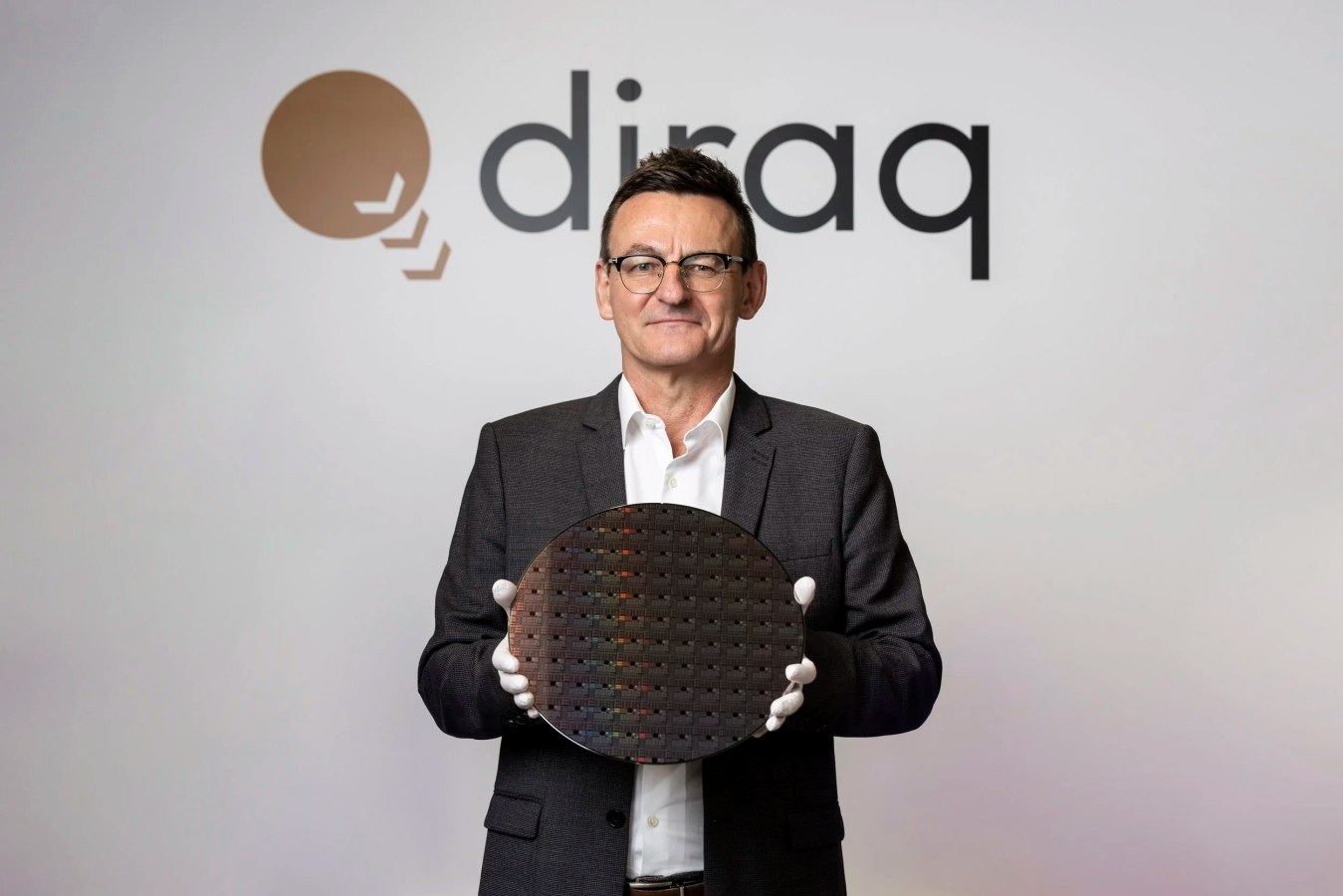
Diraq | A$20 million |
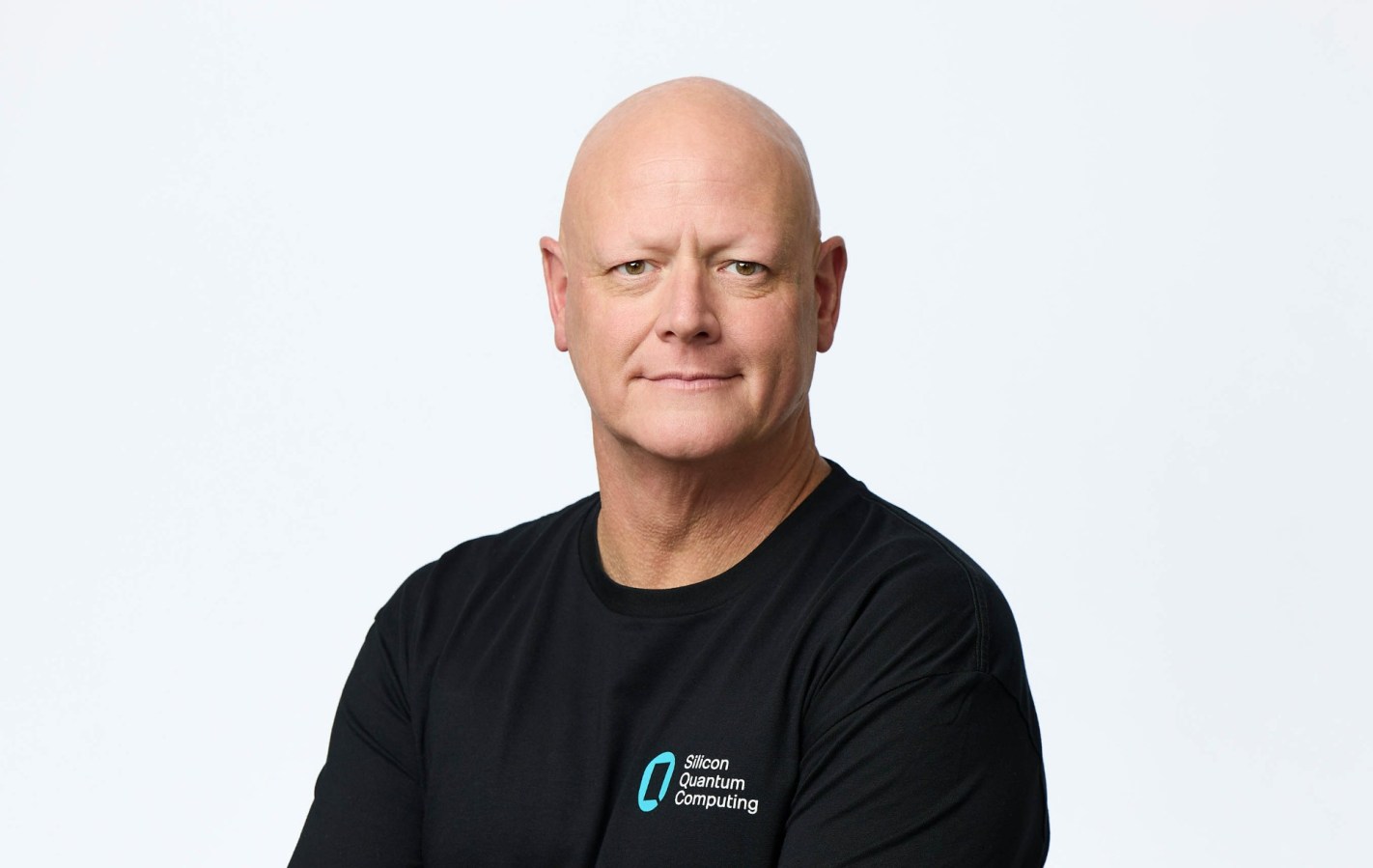
Silicon Quantum Computing | A$60 million |
Total | A$108 million |
Source: National Reconstruction Fund Corporation (NRFC) investment announcements.
Want to see more Forbes articles on your feed? Tap here to make Forbes Australia a preferred source on Google.
Look back on the week that was with hand-picked articles from Australia and around the world. Sign up to the Forbes Australia newsletter here or become a member here.