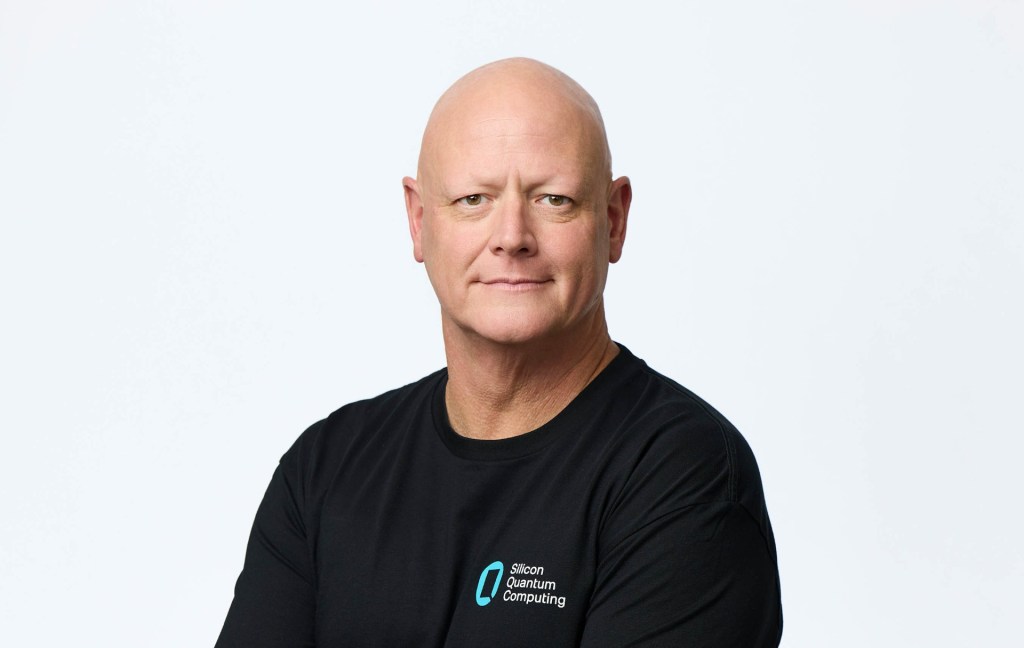
John Hollister departed US$24 billion chipmaker GlobalFoundries last October. Now he’s joined Michelle Simmons’ Sydney startup Silicon Quantum Computing as CFO.
Key Takeaways
- John Hollister has joined Michelle Simmons’ Silicon Quantum Computing startup as its chief financial officer.
- Austin-based Hollister was last CFO at US$24 billion chip manufacturer GlobalFoundries, departing last October for “personal reasons.”
- SQC is currently developing manufacturing capability for its quantum chips, which it says will power a utility-grade quantum computer in the next 5 years.
- The National Reconstruction Fund (NRF) has invested $60 million in SQC this year, with other backers including Telstra, Commonwealth Bank and the Federal Government.
- SQC is currently developing products that it hopes will allow it to generate significant revenue ahead of a full-blown quantum computer in 2033.
Key background
Silicon Quantum Computing (SQC) has been building its executive bench as it moves to commercialise years of R&D.
The startup first scored big in 2024 with the appointment of former Arm chief executive Simon Segars as its executive chairman. In June it poached Karna Nisewaner from Cadence Design Systems, a US$76 billion company whose software is used by the likes of Nvidia to help design chips and other high-tech electronics.
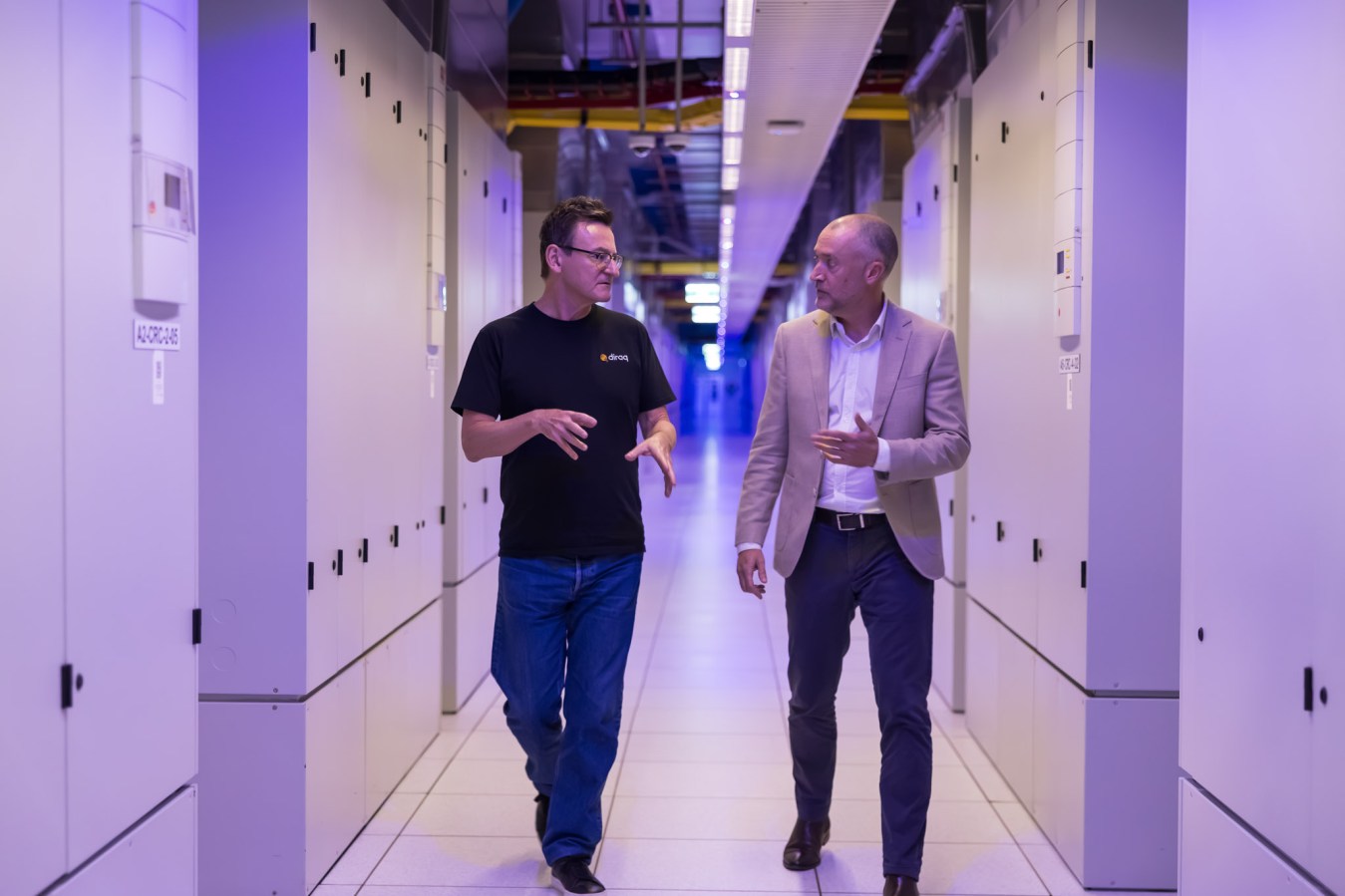
GlobalFoundries, from whence Hollister came, is one of the world’s biggest semiconductor manufacturers. Whereas SQC competitor Diraq is designing quantum chips so that GlobalFoundries can manufacture them using the same equipment that produces phone and computer processors, SQC instead wants to set up its own manufacturing plant.
The NRF has invested $60 million in SQC, which was founded in 2017, to help it set up that capability within Australia.
SQC says its first commercial-scale quantum computer will be ready by 2033. In the meantime it is developing early-stage quantum products, like one it says accelerates AI machine learning. Customers using its products include Telstra, Schneider Electric and the Department of Defence.
Crucial quote
“I look forward to building the financial infrastructure to support SQC’s next phase of growth, both in Australia and globally,” Hollister said. “Bringing quantum computing to the world is a massive opportunity, and SQC’s atomic-precision manufacturing capability gives us a distinct commercial and scientific advantage.”
Global view
Though quantum computers powerful enough to fulfil the technology’s lofty potential are still years away, a spate of quantum companies have gone public this year. They hope to fund years of development, while investors are eager to catch the next big thing early.
It is a truly global field. The United States’ Infleqtion, Singapore’s Horizon Quantum, Canada’s Xanadu, France’s Pasqal and Finland’s IQM are among those to list on the Nasdaq and NYSE just this year. Most are trading at market capitalisations in the billions.
Most of Australia’s quantum action is happening in private markets, however. California’s PsiQuantum is progressing with its plan to build a quantum computer in Brisbane by the end of next year, while SQC and Diraq both forge ahead to build their own systems in 2033 and 2031 respectively.
Both SQC and Diraq are part of DARPA’s Quantum Benchmarking Initiative, a US-defence program to test whether any company could feasibly produce an “industrially useful” quantum computer by 2033.
Want to see more Forbes articles on your feed? Tap here to make Forbes Australia a preferred source on Google.
Look back on the week that was with hand-picked articles from Australia and around the world. Sign up to the Forbes Australia newsletter here or become a member here.