
With just 10 seconds of an old recording, Laronix says its AI can recreate the voice a patient lost.
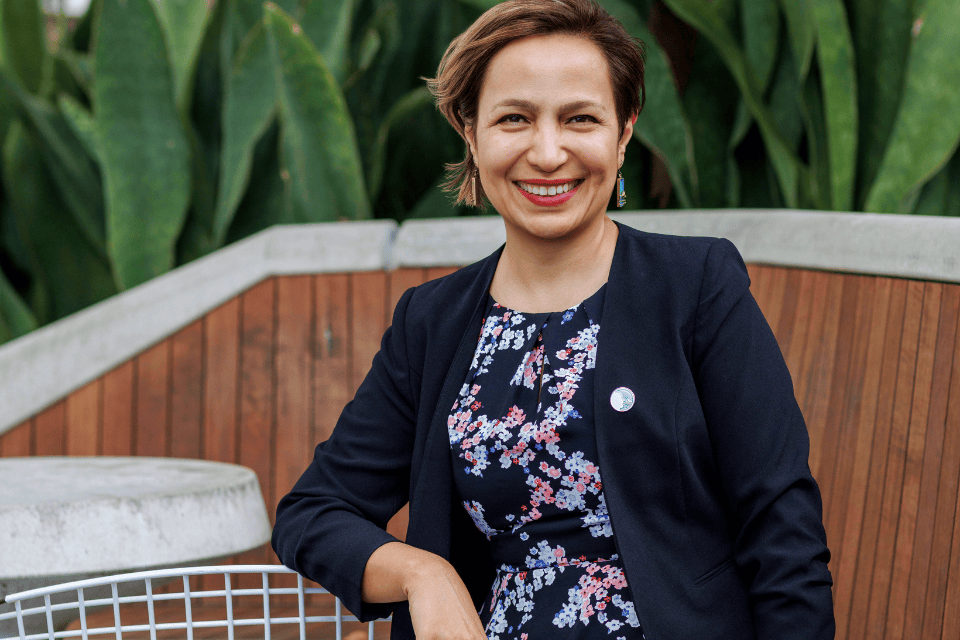
Fary Ahmadi had just copped a bollocking from her academic supervisor. She had spent the last year doing nothing but scour the scientific literature for a way to create a realistic-sounding voice for people who’d lost their larynx.
And all she could tell her post-doc supervisor at the University of Sydney was that there was nothing out there to solve the problem. They would continue to sound like robots.
This was after spending four and a half years trying to solve the problem herself for her PhD.
“He got angry and said, ‘You spent a year to tell me that nobody knows anything and you don’t know either’,” Dr Ahmadi tells Forbes Australia. “And then he got even more angry. ‘You know what, in a hundred years you can never solve this.’”
Dr Ahmadi was at a low. She went home and threw her research paper down. She was over it. No more research tonight. She scrolled aimlessly. But the problem wouldn’t leave her mind, and after about an hour she typed “artificial larynx” into the YouTube search bar.
And up came some old film footage someone had uploaded. It was her eureka!
“I saw an elderly gentleman speaking with something that was bulky outside his body, and he sounded fantastic.” She couldn’t believe that in eight years of researching this topic she’d never seen this before. She later learned it was a 100-year-old technology called a pneumatic artificial larynx that used the patient’s own breath to create the sound.
Bulky and hard to use, it had been superseded by the “electrolarynx” – the robot-voice device that had become standard since the 1950s.
Ahmadi could suddenly see a way forward.
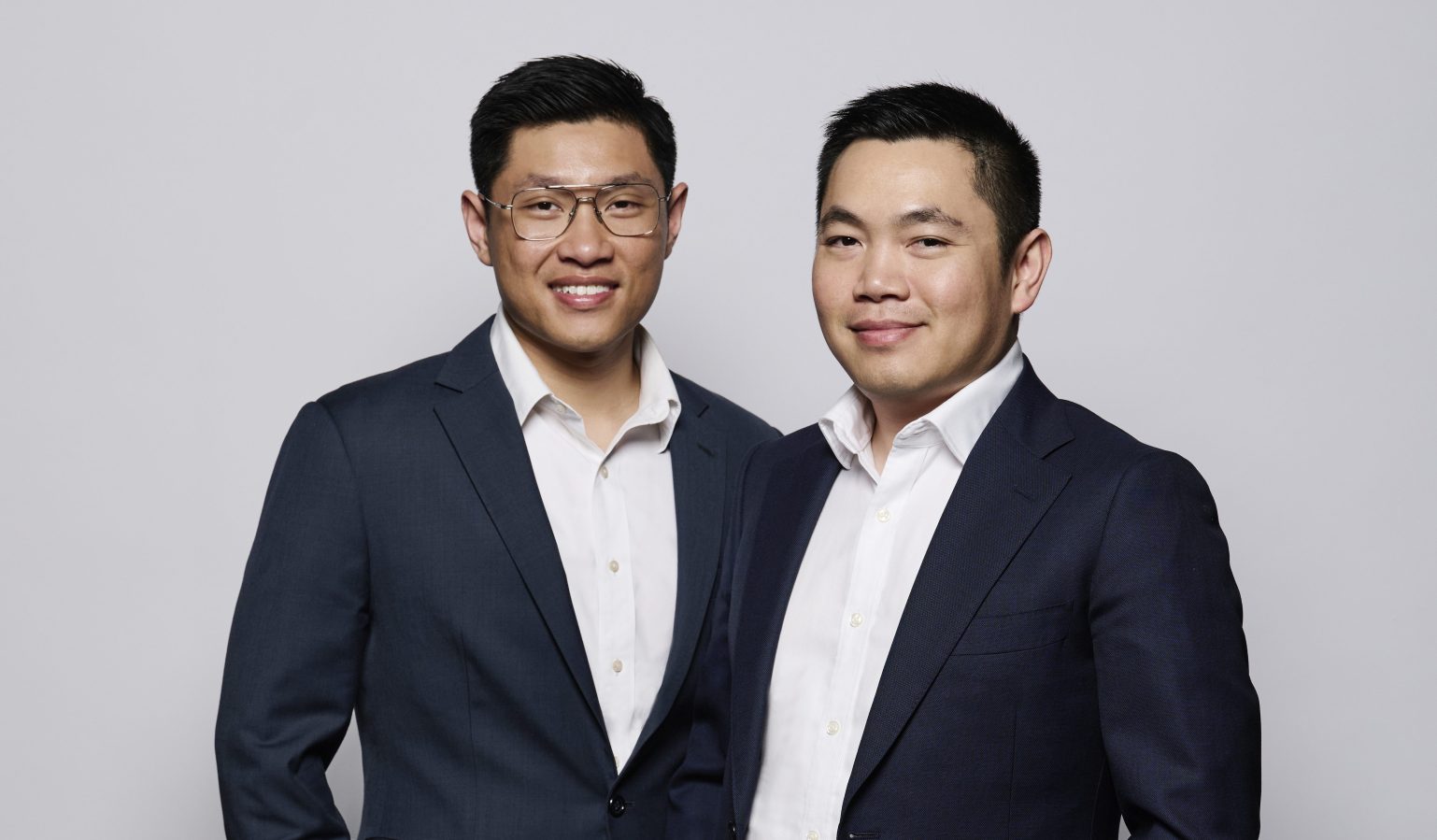
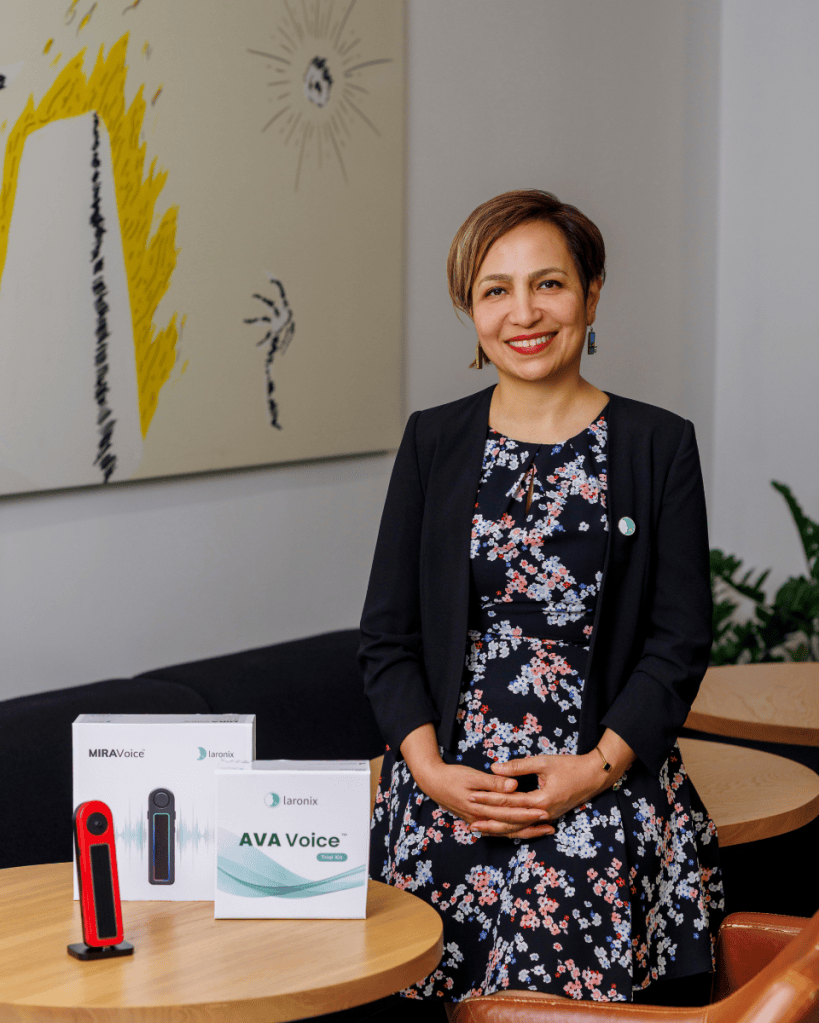
That discovery has since become Laronix, the Australian company Ahmadi founded with her brother, Dr Mousa Ahmadi, who lives in the US. Its first product, AVA Voice, allows people who have lost their larynx to speak, sing and laugh using a natural-sounding male or female voice.
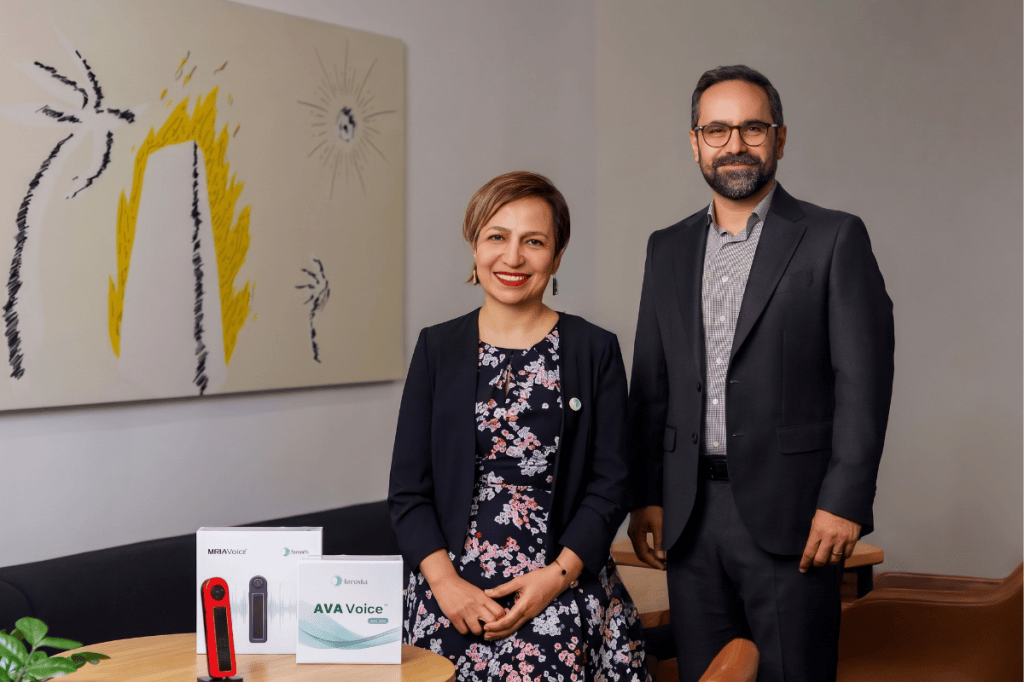
The siblings have raised more than $8 million from investors and more than $5 million in non-dilutive grants and secured FDA and TGA approval for their first device, which is currently allowing some 350 people to speak again.
But it’s the next generation that gets them excited.
Using AI in the versions currently being tested in 120 patients in the US and Australia, they claim to be the first in the world to give people without a larynx their old voice back.
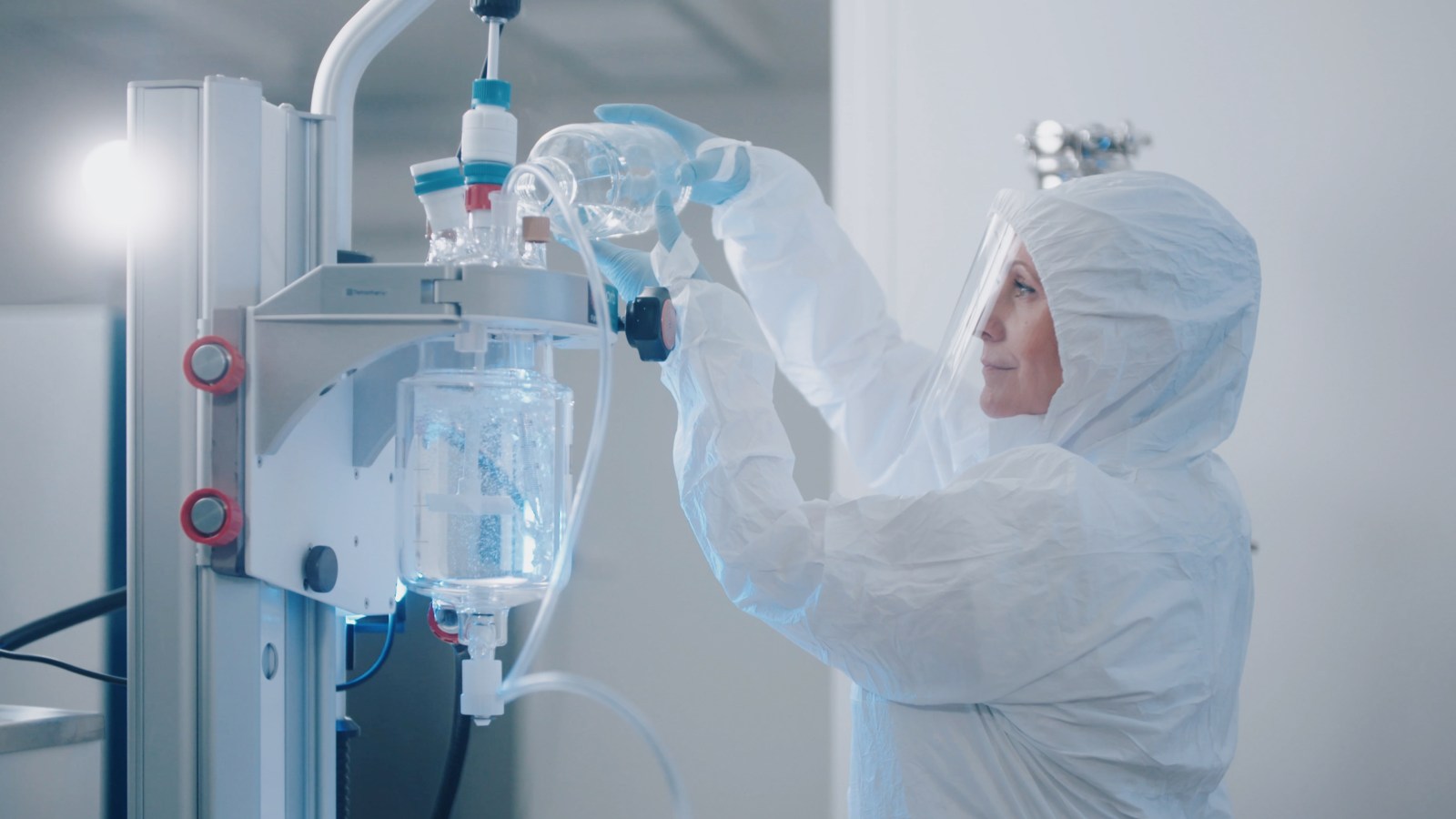
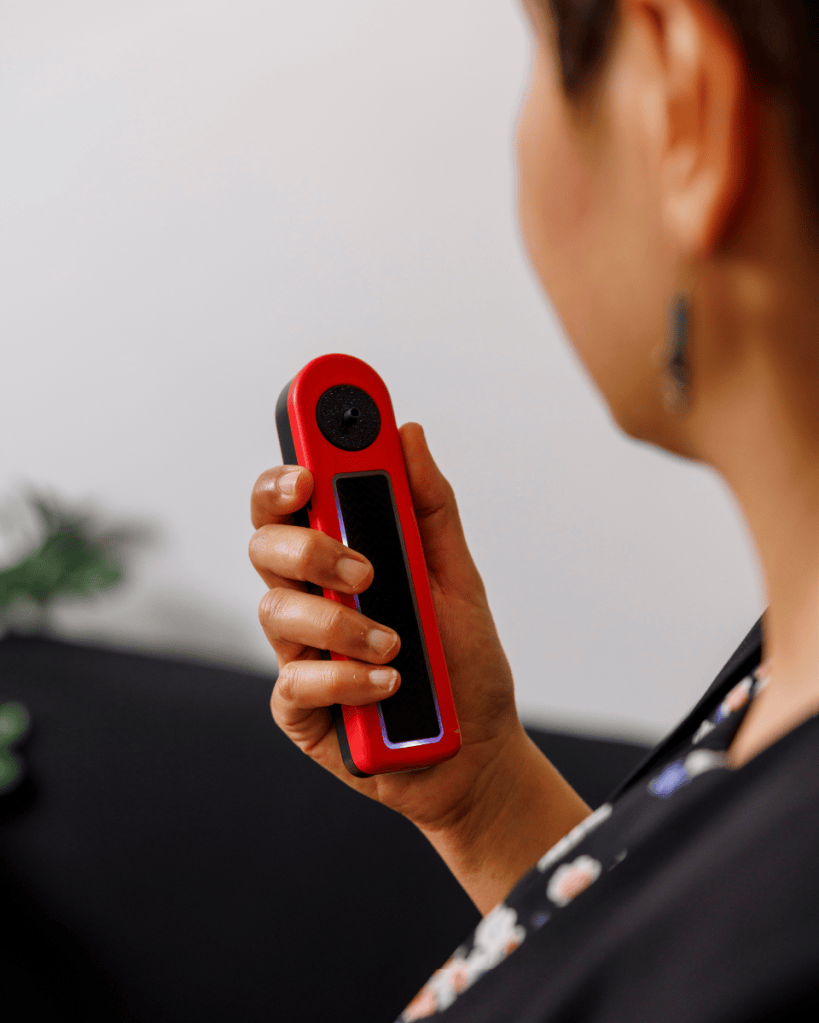
With as little as 10 seconds of recordings of the patient’s former voice to train on, Laronix’s latest tech, MIRA Voice, uses synthetic vocal cords to produce vibrations which the user then forms into words with their own lips and tongue, before built-in AI then recreates the sound, pitch and characteristics of their original voice.
Now the siblings, who began life in Iran, are daring to imagine something bigger still: a global company that could do for voice what Cochlear has done for hearing.
The singer
Fary Ahmadi was working on her PhD in Singapore about 15 years ago – attempting to solve the artificial voice problem using ultrasound – when she received an email from a singer who was about to lose his larynx in surgery. “My voice is my life … Can you help?”
“And I knew for a fact that our answer is ‘no’. It was the first time I felt the impact of what I wanted to do … For a couple of nights, I couldn’t sleep and it became an obsession.”
She arrived in Australia in 2012 to take up the postdoctoral position, eventually spending that entire year investigating ways to recreate a natural-sounding voice.
The old pneumatic larynx she saw on YouTube gave her a new starting point.
She began developing what she calls a pneumatic electronic artificial larynx: taking the basic principle of using breath to generate sound and combining it with electronics and, eventually, artificial intelligence.
She was working on it alone in academia and making progress, but the goal of actually helping people seemed as far away as ever. Talking on the phone to her brother Mousa in the US, she told him that the university’s protocols made it so hard to actually get it to people.
Mousa Ahmadi was working on his PhD in human-centred computing – user experience – at the New Jersey Institute of Technology. He had also interned at some Silicon Valley startups, giving him a taste of what it took to build and commercialise a technology company.
“I was telling her there’s actually another way,” recalls Mousa. “You could do a startup.”
The Laronix hustle
Over the following days, she kept calling him back to talk more about this idea. And after three days they had a name for their company, Laronix, a combination of larynx and electronics.
Mousa had to hustle hard to find any clinic willing to give them access to patients to work with, but when he eventually convinced one, it got easier. “The patient started talking day one. I was sitting next to the clinician. He was wowed that this was actually working.”
Word got around to other clinicians and they were away.
The technology evolved through several generations, from purely mechanical devices to electromechanical systems and now AI-powered models.

If you’ve ever seen people without a larynx talking in that flat robot voice, they are using an “electrolarynx”, a handheld battery-powered device that produces vibrations to create the monotonal, always masculine, voice.
Laronix’s device generates humming vibrations that travel through a small tube into the patient’s mouth. The patient then shapes those vibrations into speech with their lips and tongue. The first version still sounded mechanical, but they could vary the pitch and tone. They could sing! So that first version was called AVA Voice because Ava means “singing voice” in the Ahmadis’ native Farsi [Persian].
Stepping on the Google Accelerator
The signature technology has now been delivered to 350 patients. But the ambition was always greater than simply giving patients a voice: Laronix wanted to give them back the voice they had lost.
The first AI models were trained using recordings from about 66 patients. Each one spent up to 30 hours recording around 5,000 phrases to train the system. The team reduced that training time to 20 minutes. But last year they got into the Google for Startups Accelerator. “We sat with them in a couple of very intense brainstorming sessions,” says Mousa. “We realised that there are more efficient ways of training the models.”
The team got the required recording time down to just 10 seconds. Suddenly a snippet from an old family video was enough. The patient can form the words in their mouth and it gets converted by the device with split-second latency into their old voice.
“We had one patient who did not have a voice for 40 years … And the first thing they want to say is ‘I love you’.”
Dr Mousa Ahmadi
This is the game changer – being tested in a beta program in 10 hospitals in the US and Australia – that they hope will make them the “Cochlear of voice”. It will be on sale next year, says Fary. “We have developed the core engine, now we are wrapping it up into a software that will make it easy for patients to use.”
Laughing and singing
There are wider markets. People who temporarily lose their voice for a few weeks after surgery have a huge unmet need, says Mousa. Six temporarily tracheostomised patients have been able to talk in the ICU to prove out that use case.
“There are at least 2 million tracheostomised ICU patients in the US and Australia every year that experience that,” says Mousa. “And they actually call that the most traumatic part of their experience in ICU; not being able to communicate what they need.”
So what is to stop others just copying their tech?
Fary says they have a “family of patents” registered in 11 countries. “And conventional treatments are highly invasive. Conventional treatment always also generates a male voice. So there hasn’t been a female voice before us. It’s costly, and it hasn’t changed for 40 years. We are completely biohazards free. It’s the first device that people can sing and laugh with as well.
“We are up to 75 per cent more cost effective. And we are the only solution currently with AI capabilities.”
Laronix manufactures in Brisbane. Investors include hearing technology pioneers Elaine Saunders and Peter Blamey, who founded Blamey Saunders Hearing, as well as Modibodi founder Kristy Chong.
The Ahmadis still sometimes get to be in the room when patients speak for the first time in years, or even decades. “We had one patient who did not have a voice for 40 years,” says Mousa. “When they actually speak for the first time after their surgery, it creates really powerful moments. Their wife, their children, are next to them. And the first thing they want to say is ‘I love you’.
“The family members hear that and they get very excited and we get excited. And it gives us so much motivation to continue the work that we’re doing.”
Want to see more Forbes articles on your feed? Tap here to make Forbes Australia a preferred source on Google.
Look back on the week that was with hand-picked articles from Australia and around the world. Sign up to the Forbes Australia newsletter here or become a member here.