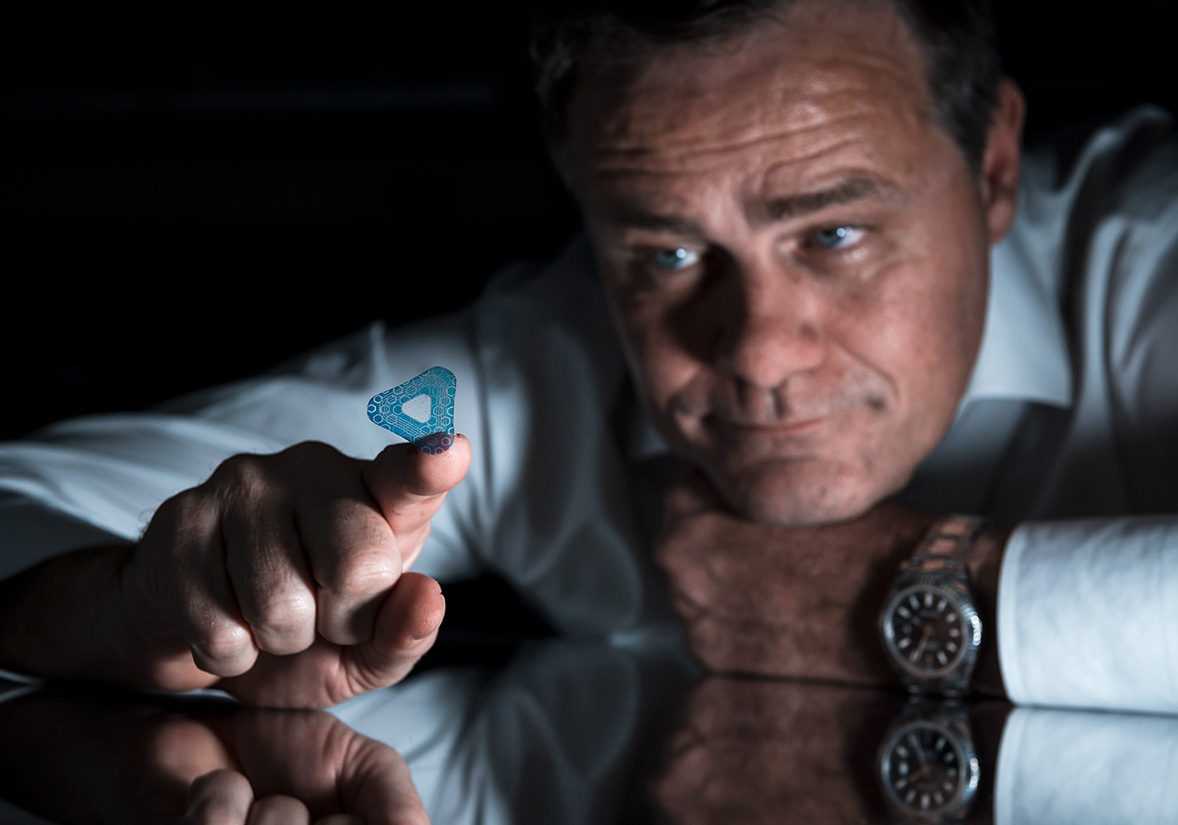

Vaxxas founder Mark Kendall has raised $7.75 million to take the WearOptimo wearable patch closer to commercialisation.
Key Takeaways
- Brisbane-based WearOptimo has raised A$7.75 million from investors including healthcare venture capital firm Synthesis Capital and superannuation fund HESTA, as it prepares for a Series A financing.
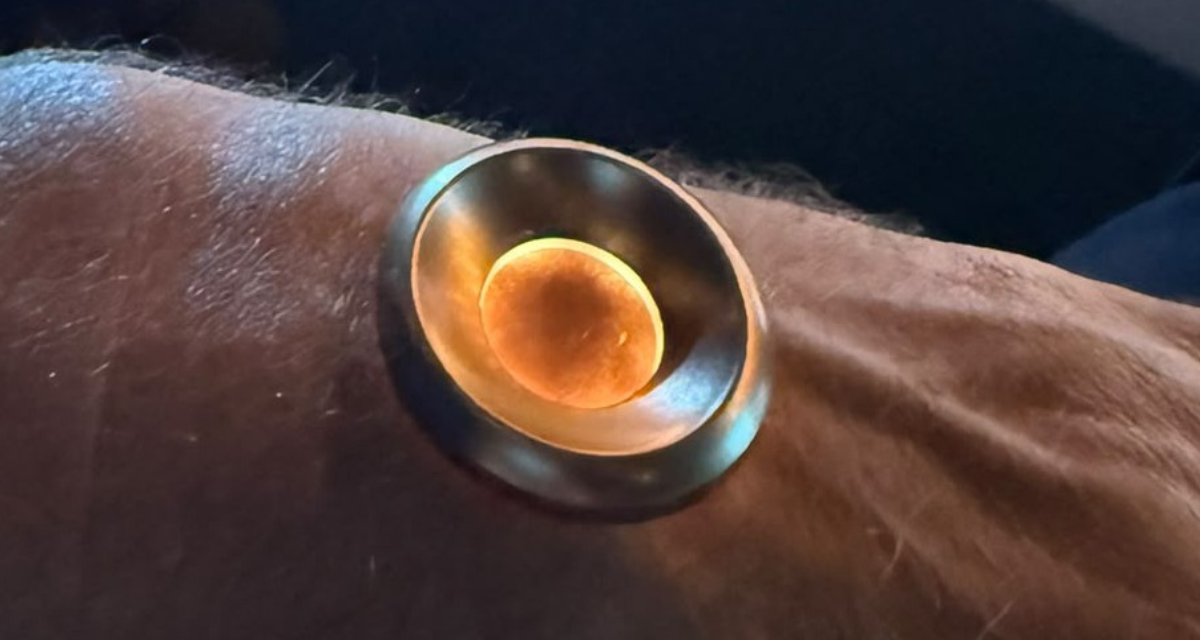
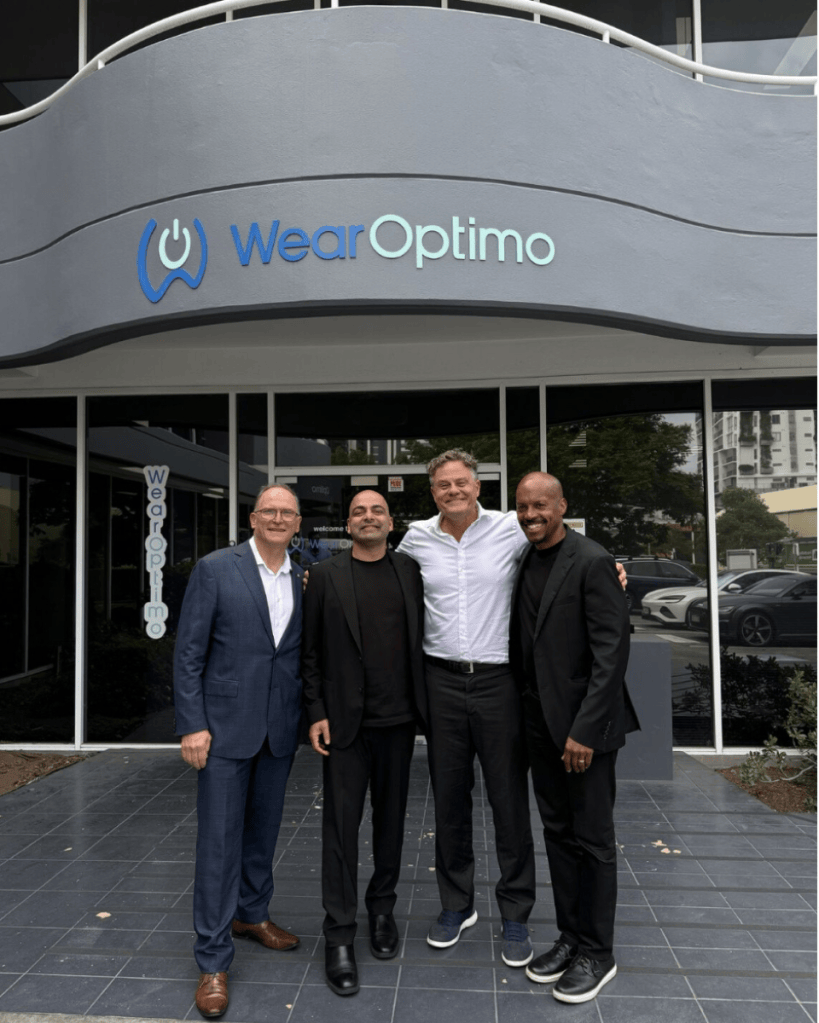
- The company, founded by biomedical engineer Professor Mark Kendall, is developing microscopic wearable sensors that penetrate just beneath the skin to continuously monitor physiological signals inaccessible to conventional wearables.
- The money will fund product development and commercial milestones through 2027, with initial applications targeting hydration and heat stress in elite sport, defence and industrial workplaces.
Key Background
Kendall is best known as the founder of vaccine technology company Vaxxas, whose needle-free Nanopatch has attracted more than $100 million in equity and grants. He founded WearOptimo after recognising that the next generation of health wearables would need to access biological signals beyond the reach of wrist-based devices such as Apple Watch and Whoop, which use light sensors.
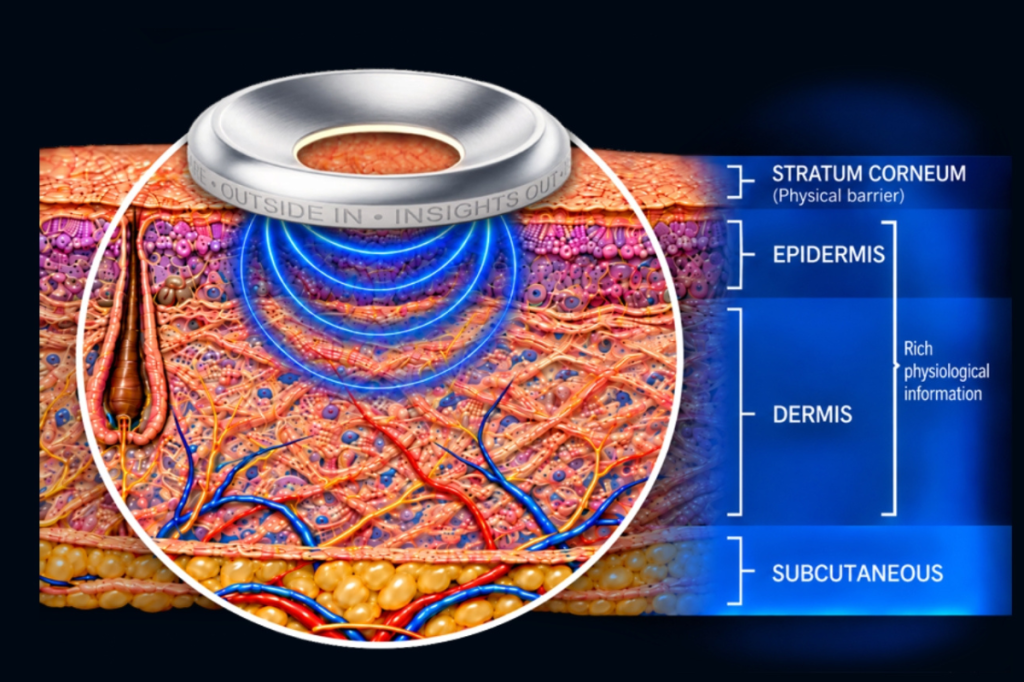
Rather than using microscopic projections to deliver vaccines into the skin, WearOptimo’s Microwearable technology uses tiny electrodes to extract physiological data. The company believes the platform could eventually monitor a much broader range of biomarkers, including those associated with heart attacks and sepsis.
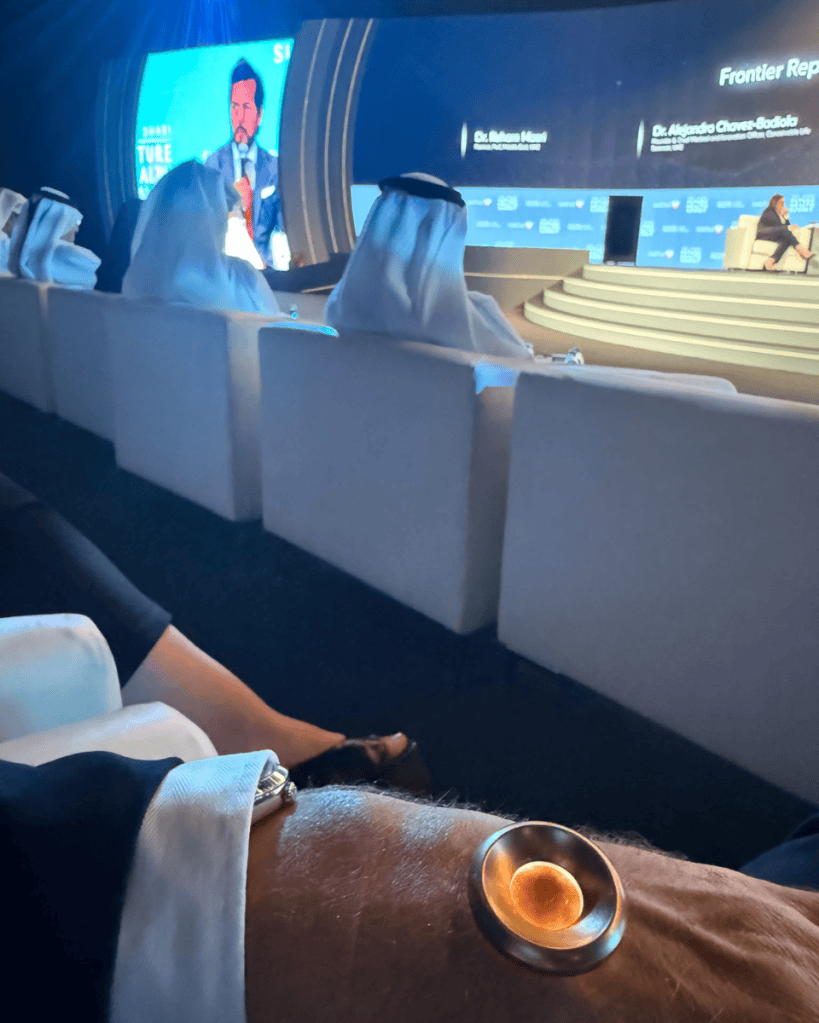
“WearOptimo represents exactly the kind of breakthrough healthcare technology Synthesis Capital has been established to support,” said Dr Vishaal Kishore, managing partner at Synthesis Capital. “Its approach to continuous physiological monitoring has the potential to unlock entirely new ways of understanding and managing human health. What particularly excites us is the platform opportunity: hydration and heat stress are compelling initial applications, but the underlying technology has the potential to address a much broader range of unmet healthcare needs.”
Kendall’s work has enjoyed longstanding support from Rolex, which named him a Laureate of the Rolex Awards for Enterprise in 2012. The recognition helped take his vaccine technology to Papua New Guinea and brought Vaxxas to the attention of the Gates Foundation and the World Health Organization.
Tangent
WearOptimo has already demonstrated proof of concept in monitoring many biomarkers, including troponin, which is associated with heart attacks. This opens up the tantalising prospect of a wearable that could predict imminent myocardial infarction. But Kendall has chosen to pursue hydration first because it won’t need to go through medical approvals. Income from that can then fund the long-term goals in more complex issues.
Big Number
30 million. That’s how many Microwearable sensors WearOptimo’s Brisbane manufacturing facility is capable of producing annually, using technology adapted from the nanolithography techniques used to manufacture flat-screen televisions.
This article is part of Forbes Australia’s editorial partnership with Rolex through the Perpetual Planet Initiative, which supports scientists and explorers finding real-world solutions to Earth’s most pressing challenges.
Want to see more Forbes articles on your feed? Tap here to make Forbes Australia a preferred source on Google.
Look back on the week that was with hand-picked articles from Australia and around the world. Sign up to the Forbes Australia newsletter here or become a member here.