
From BHP’s $300 million nickel crisis to the reinvention of private banking, Geraldine Slattery and Susie Grehl reveal why the most dangerous move a leader can make in an era of rapid disruption is doing nothing at all.
When Geraldine Slattery was making her way up through the ranks at BHP, her mentors encouraged her to take an authoritative stance, display strength, “and for heaven’s sake, never admit you don’t know something”.
She took the advice, and did well with it, but it didn’t sit comfortably, she told the Forbes Australia Women’s Summit. “And over time, as I gained my own confidence in leadership, and progressed into roles where, frankly, I knew less about the detail on the inner workings of that part of the business, I started to expand my narrative.”
She started “opening the aperture”, and bringing others in.
“At its core was me just being myself, recognising what I know, what I don’t know, and recognising what we all now know as ‘psychological safety’ – where you create the space, then you will attract the best minds, the best talent. You attract the debate. Whether it’s fail-fast or learn fast, you’re going to get a whole lot smarter in what you’re doing.”
In 2024, as cheap nickel flooded global markets and tanked nickel prices, BHP’s Kalgoorlie nickel operation was losing $300 million a year. But closing it would be no simple stroke of the pen.
“The uncomfortable reality of that is that taking the nickel from mines all the way through to refinery was, and continues to be, an asset to Western Australia. The Kalgoorlie smelter has been there for over 50 years, a mainstay of the community there. So then the mind turned to, ‘If this is the right strategic decision from a capital allocation point of view, from an investment-return point of view, and we’ve exhausted all options. How now do we approach that?”
The decision was made to mothball the nickel operation, making 1,600 jobs redundant and impacting twice that number.
At first, saying she was “putting people first” sounded disingenuous, she told the Forbes Australia Women’s Summit.
“But a people-centric approach allowed us to think about how we could soften the blow, meet our commitments, and take the business to its next phase with as minimal an impact as possible.
“And one of the ideas that came from government was, ‘You’re a big company, BHP. Why don’t you redeploy?’ Now, we were always going to redeploy. That makes sense. You have good talent, you want to keep the talent in the business. But be public about it, be transparent to allow people the time and comfort to know that … that they had the choice to redeploy. They equally had a choice of redundancy.
“The lens of being people-centric brought a subtle but very significant shift to some of the decisions and some of the transparency which we brought to that. It was a salient lesson for myself. Taking that lens at the outset then bled through all the decisions.”
For a leader staring into an uncertain future with a lot of noise and ambiguity, Slattery closed on the notion that the most important trait was trust. Employees and investors all had to know you would do what you said you would do. “When you’re bringing in things like AI, and you’re being transformative change, trust is the foundation of everything.”

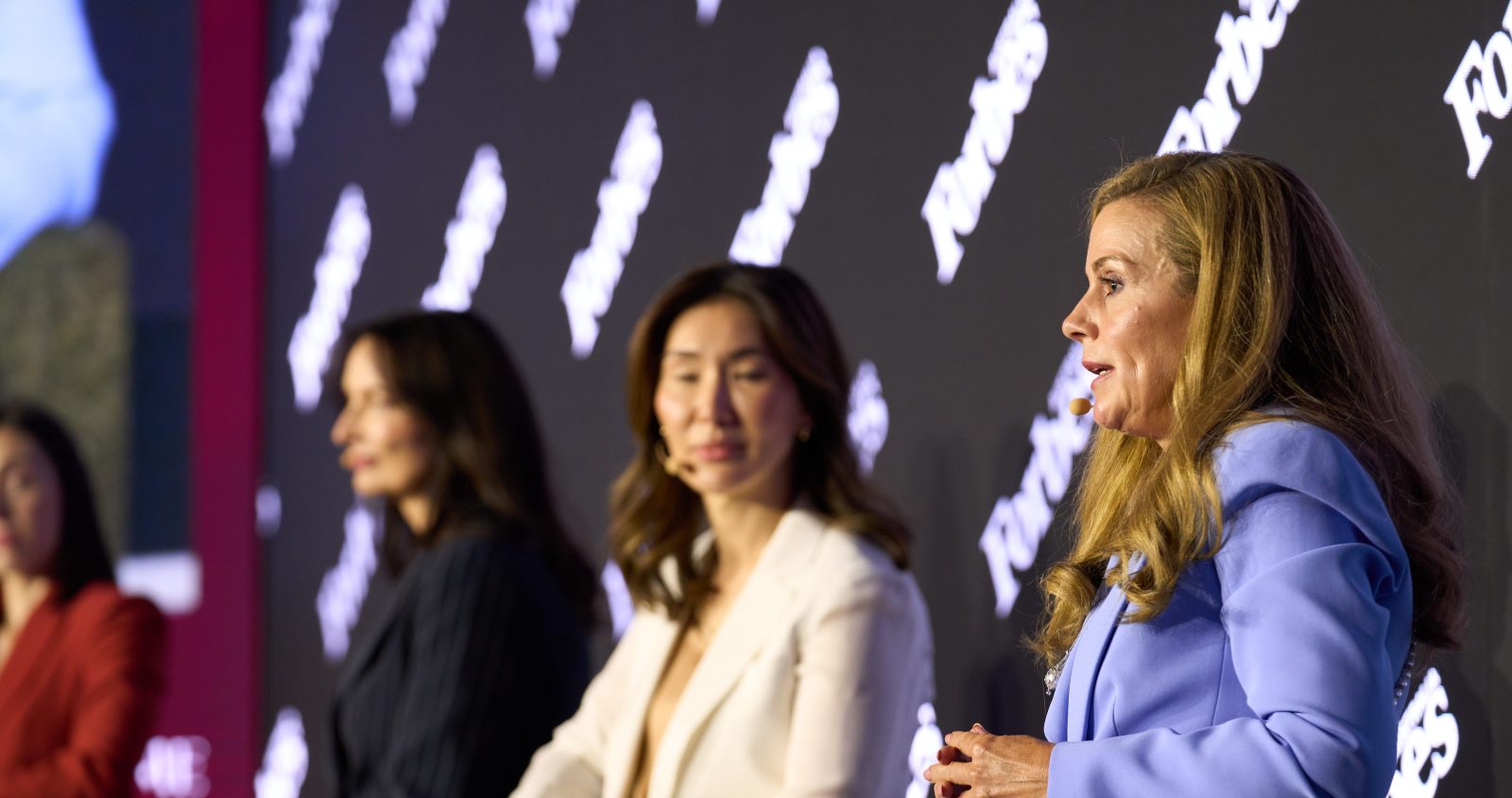
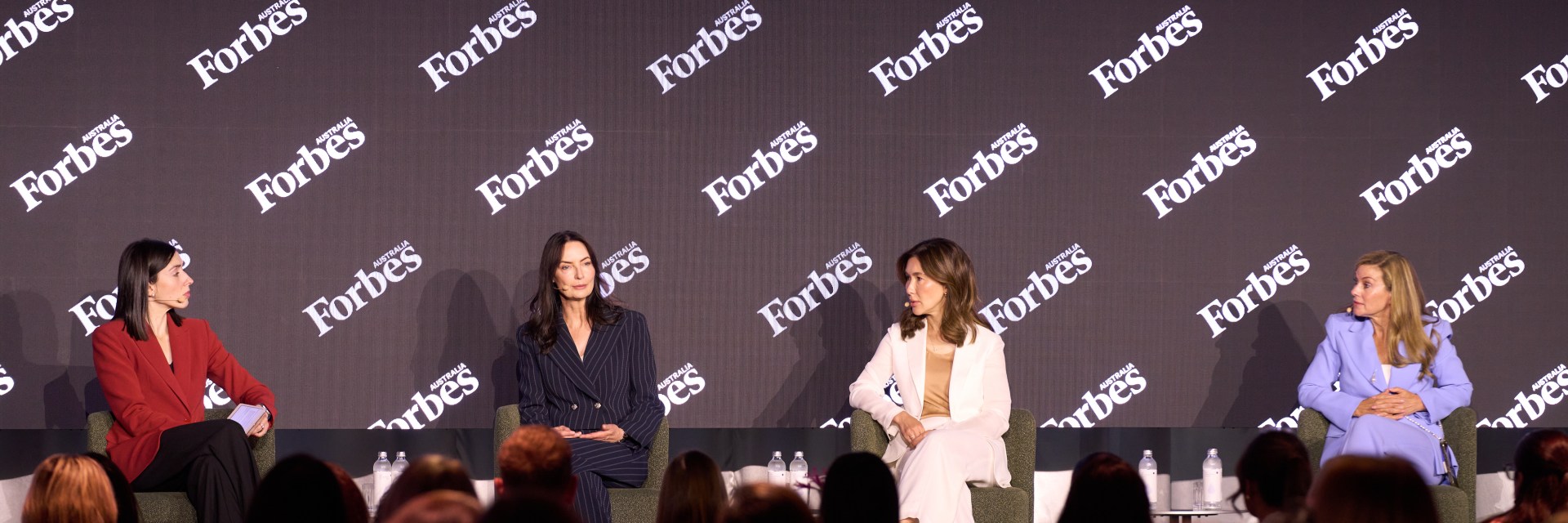
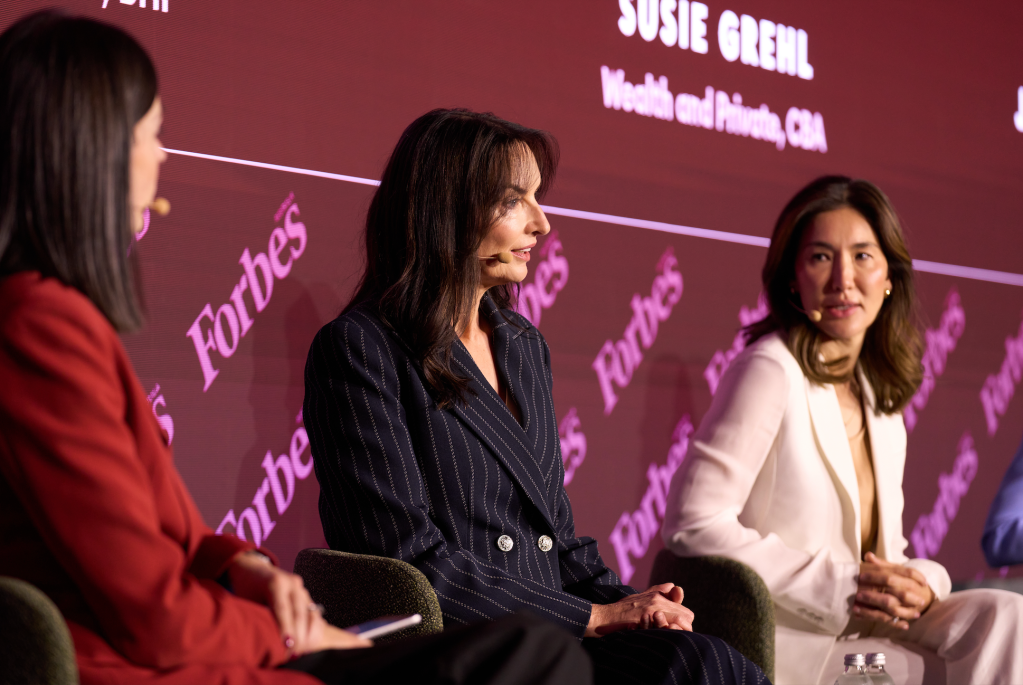
The lessons resonated beyond mining and heavy industry. On the same panel, Susie Grehl, executive general manager of Wealth and Private at Commonwealth Bank argued leaders confronting AI disruption and generational change were facing similar questions about trust, conviction and how quickly to move before markets shift beneath them.
Grehl’s division had been forced to rethink traditional private banking models as younger, more diverse and more entrepreneurial clients entered the market.
“We’re seeing more women, more business owners, with the barriers to entry to starting a business much lower now. We’re seeing a lot more young people, much more diversity, but this [private banking] side of the equation hasn’t changed,” she said.
The Commonwealth Bank had made a huge bet, Grehl said, standing up “a completely new business to serve these emerging clients”.
It was a gamble because the old business was doing fine on the traditional model.
“But we have conviction in this trend. It’s really hard when you’re a leader to have conviction in a trend … It’s worked out for us wonderfully … But if you’re leading that change and you’ve got incomplete data and you’re trying to work out, do I move now? That’s so hard.
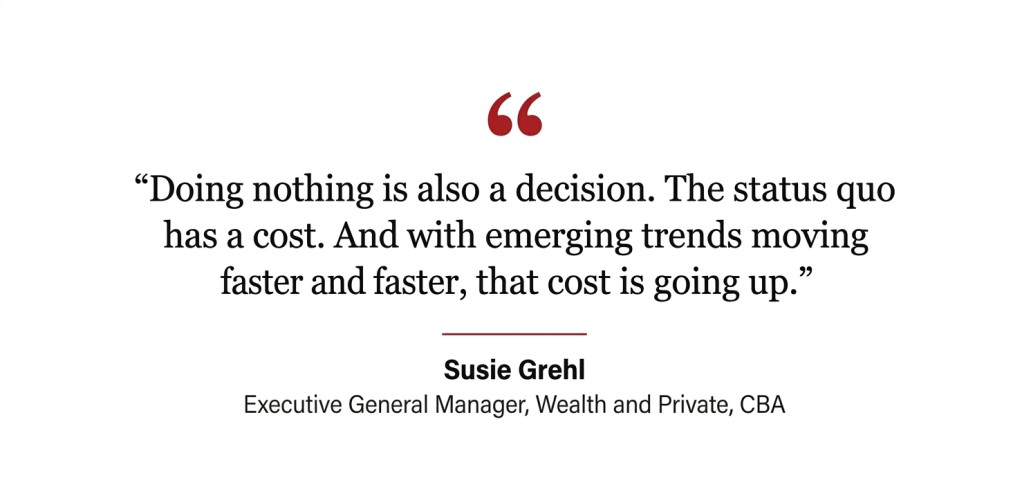
“What has helped me is understanding that actually, doing nothing is also a decision. The status quo has a cost, I would argue. And with emerging trends moving faster and faster, that cost is going up. So you’ve got to back yourself, you’ve got to put a team around you that can help you make that decision and back you.
“And when I say ‘team’, I mean not just the people that are underneath you. Who do you know horizontally? Who are your peers? Who are the people up here, who are people in different contexts that can help you make that decision?”
Want to see more Forbes articles on your feed? Tap here to make Forbes Australia a preferred source on Google.
Look back on the week that was with hand-picked articles from Australia and around the world. Sign up to the Forbes Australia newsletter here or become a member here.