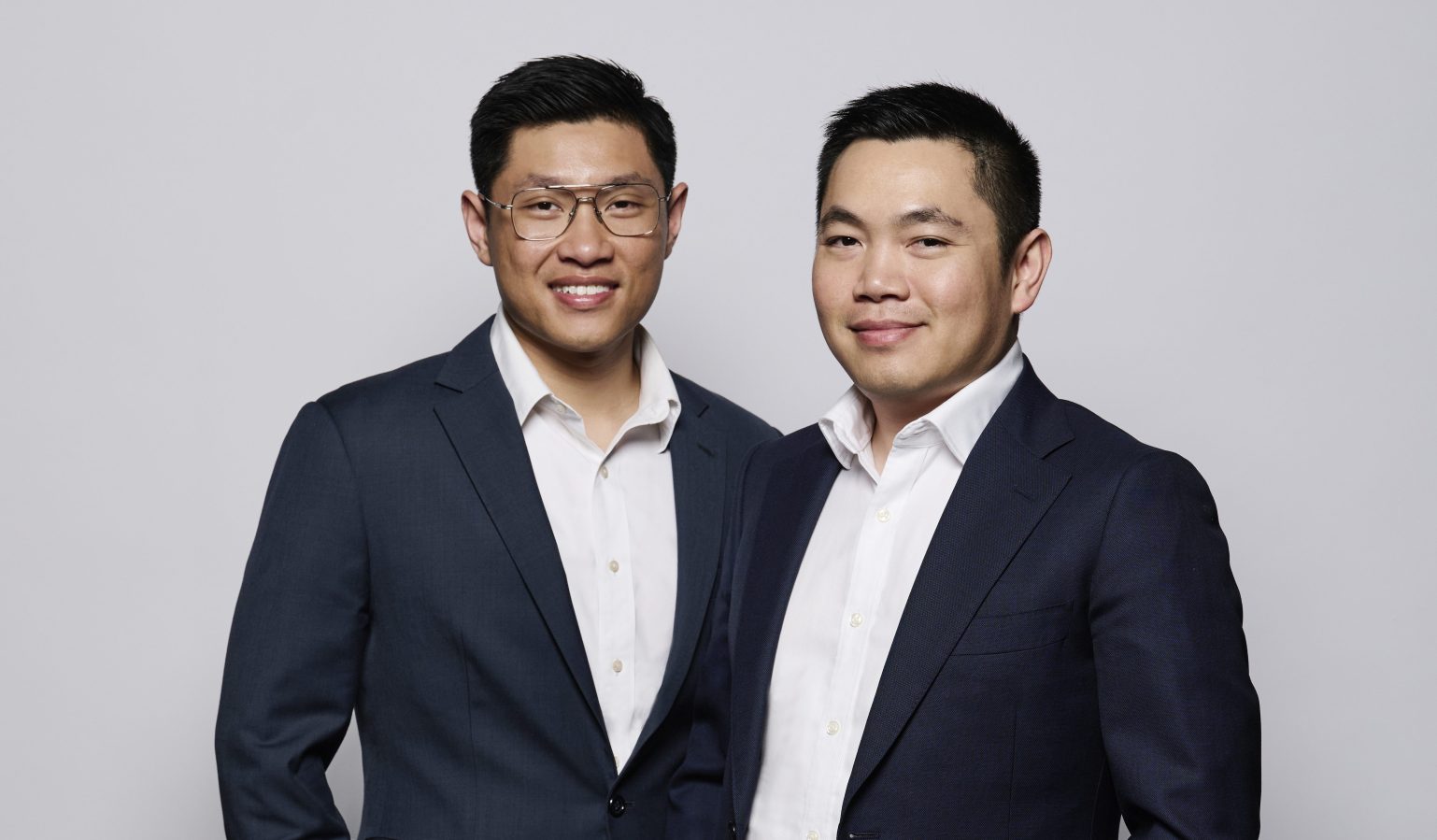
Megan Gale, Dr Adam Brown, Bahar Etminan, and Nick Bell gathered at the 2026 Forbes Women Summit presented by Lancôme, to discuss the mainstreaming of longevity and the resonance of biology over birthdays.
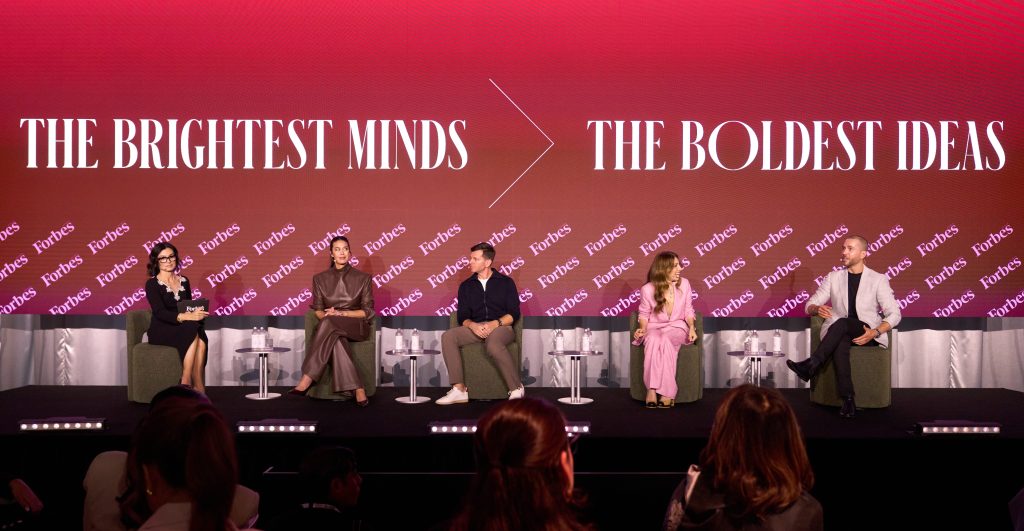
The conversation around aging in Australia is undergoing a significant shift. We have moved past the era of “anti-aging” – a term once synonymous with the prevention of the chronological inevitable – and entered the buzz-word era of longevity.
At the Forbes Women Summit held in Sydney this week, there was much discussion about the distinction between two numbers. The first is chronological age, being the number of candles on your birthday cake. The second, and more prescient number according to some, is biological age – a measurement of one’s “internal” age based on biomarkers and cellular health.
Assessing age via biology is a concept that has some of Australia’s most recognisable names talking.
“I first had it done at a health retreat,” Megan Gale said. “I was 36 and my biological age came back as around 29. I was thrilled.”
Gale, one of Australia’s most successful models, and now an ambassador for Lancôme, said she tested her biological age again three years after the birth of her first child.
“The gap had closed,” she added. “I was around 41 or 42 and it came back around 40. I haven’t had it done since – I’m a bit scared.”
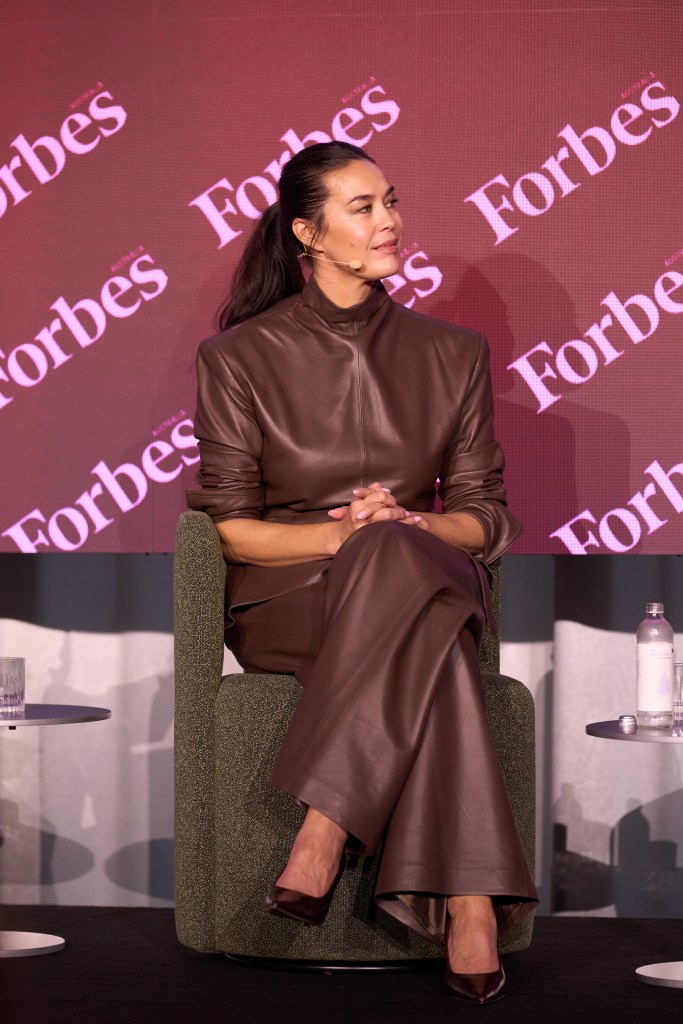
Now 50, Gale is as striking as ever. The mother-of-two was joined on stage by Shark Tank judge Nick Bell, who is also a founder of longevity clinic Super Young in Melbourne, as well as beauty industry expert Bahar Etminan and Double Bay physician Dr Adam Brown.
“There are about three different types of biological age tests,” Brown said. “The first two involve DNA, which is telomere length and methylation patterns. Then there’s the phenotypic test, which uses a blood test, and that puts the results into a calculation and gives you a number.”
He cautions that the results of biological age testing are not infallible, however.
“Different tests from different companies can give very different results. I’ve seen results come back showing someone 20 years older or 20 years younger than they are. So you have to take these things with a pinch of salt.”
Sleep, exercise, and nutrition are the non-negotiable fundamentals to keep in good health, Brown said, noting that “all the cutting-edge stuff sits on top of that. If you’re not sorting out the basics, the fine-tuning above it won’t matter.”
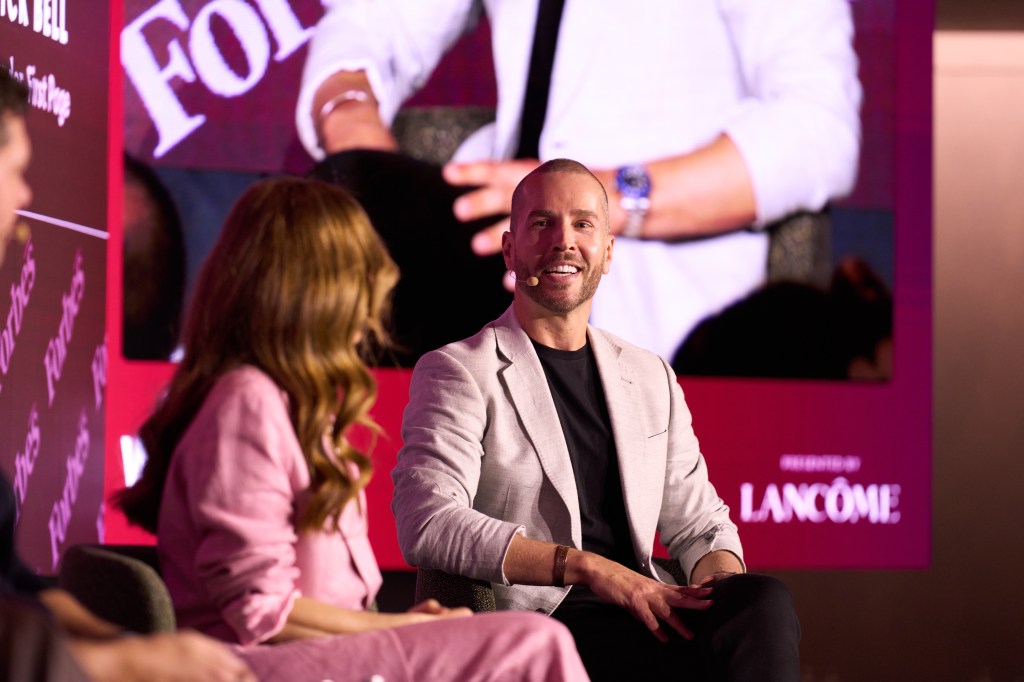
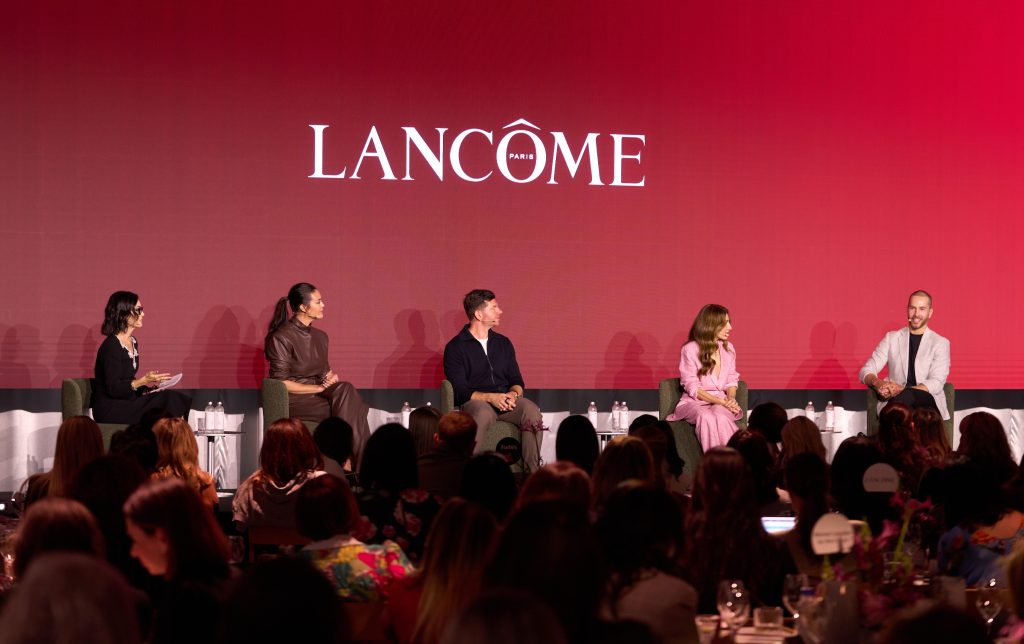
Bell, a self-confessed bio-hacker, agrees, but notes that he is looking for an additional edge to prevent “preventable” aging.
“It started with the basics – sleep, exercise, eating well, we all know that. But what can I do on top of that?,” Bell said on the panel. “I realised I want to live a very long time, and I love my life, so why can’t I extend it as long as possible? That’s led me down some more unconventional paths.”
One of those pathways, is a hot – and controversial – topic in tech circles here and abroad. Bell is an advocate of peptides, though warns that they are not a “fix-all” and can only improve longevity if a healthy baseline has already been met.
Monitoring that baseline can be done via a “full health dashboard,” Brown advises.
“Multiple diagnostics across different areas. Blood work, scans, hormone panels – I’ve had 40 MRIs,” Brown said.
“Last week I had a brain MRI because I wanted to dig deeper into my brain health. So I would say to anyone who is curious – the most important thing is to know your own health dashboard. DNA testing to see if you have any genetic predispositions is a great place to start, because as we’ve said, through epigenetics and lifestyle changes you can steer away from things you’re genetically predisposed to.”
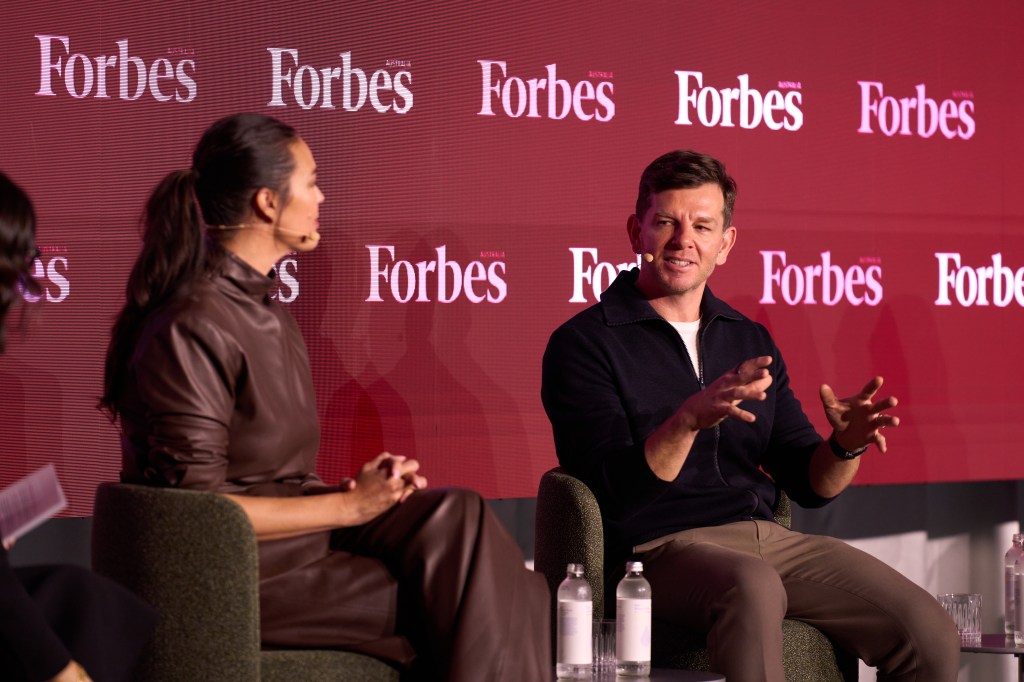
Approaching health in a holistic, data-led way is a positive development, according to wellness podcaster and author Etminan.
“I’ve been in the fashion and beauty industry for 28 years, and aging was always discussed in a very negative way. It was always about anti-aging – do everything you can to avoid it, make it all about looking younger,” she told the live audience.
“What’s changed now is that the conversation is about beauty from within, about what we can do on a biological and cellular level. We’re working from the inside out, and we have so much more information available to us now.”
Recently, there has been a shift in longevity research and discussion to be more inclusive of women, Etminan notes. That progress is facilitating a broader understanding of menopausal issues and hormonal balance.
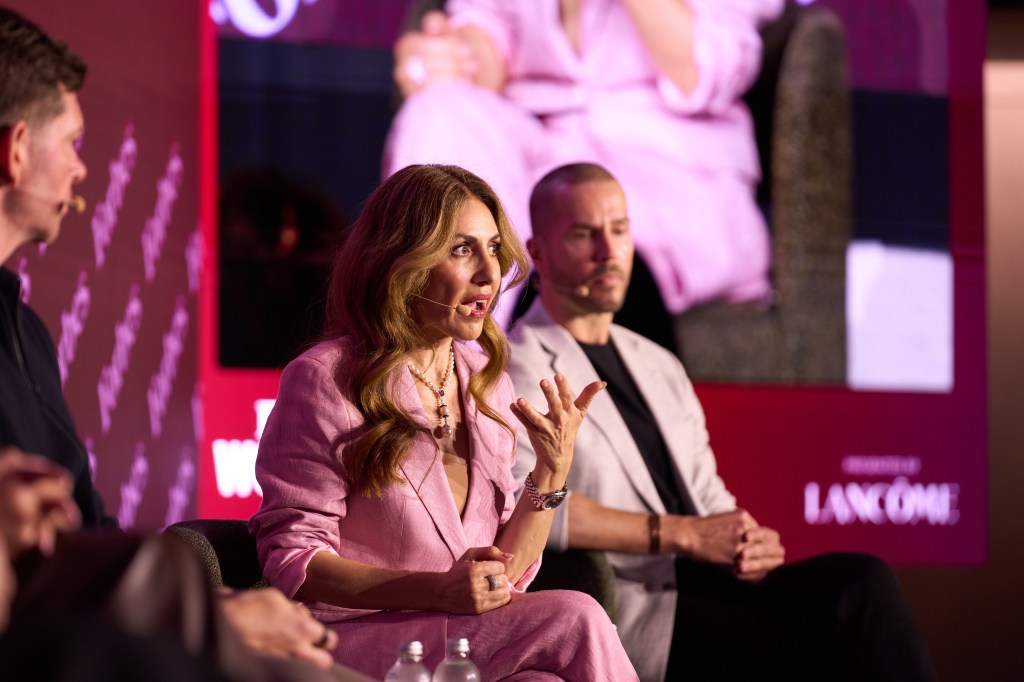
“It’s not just how long we live, but how good we feel for as long as we’re living,” she notes, a sentiment that resonates with Gale.
“Data is power – having that baseline knowledge can really direct where you focus your energy,” said Gale, who recently celebrated a milestone birthday – and is now interested in retesting her biological age.
“It’s a great marker of where things are sitting, you can make adjustments accordingly. My goal is to live well, be there for my kids, and hopefully one day meet my grandchildren.”
Want to see more Forbes articles on your feed? Tap here to make Forbes Australia a preferred source on Google.
Look back on the week that was with hand-picked articles from Australia and around the world. Sign up to the Forbes Australia newsletter here or become a member here.