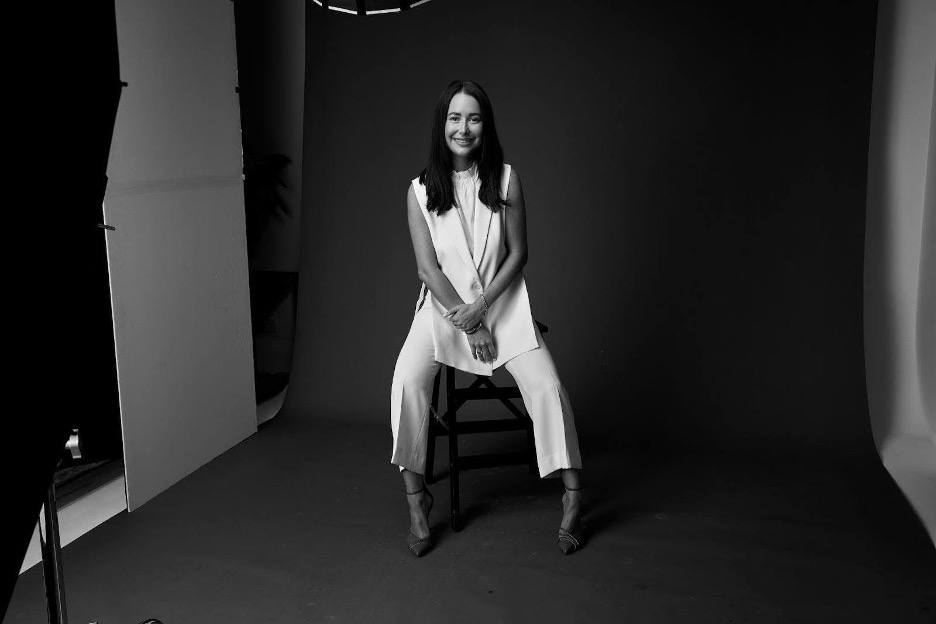

Grace Forrest wants company directors and CEOs fined for failing to act on enslaved people in their supply chains.
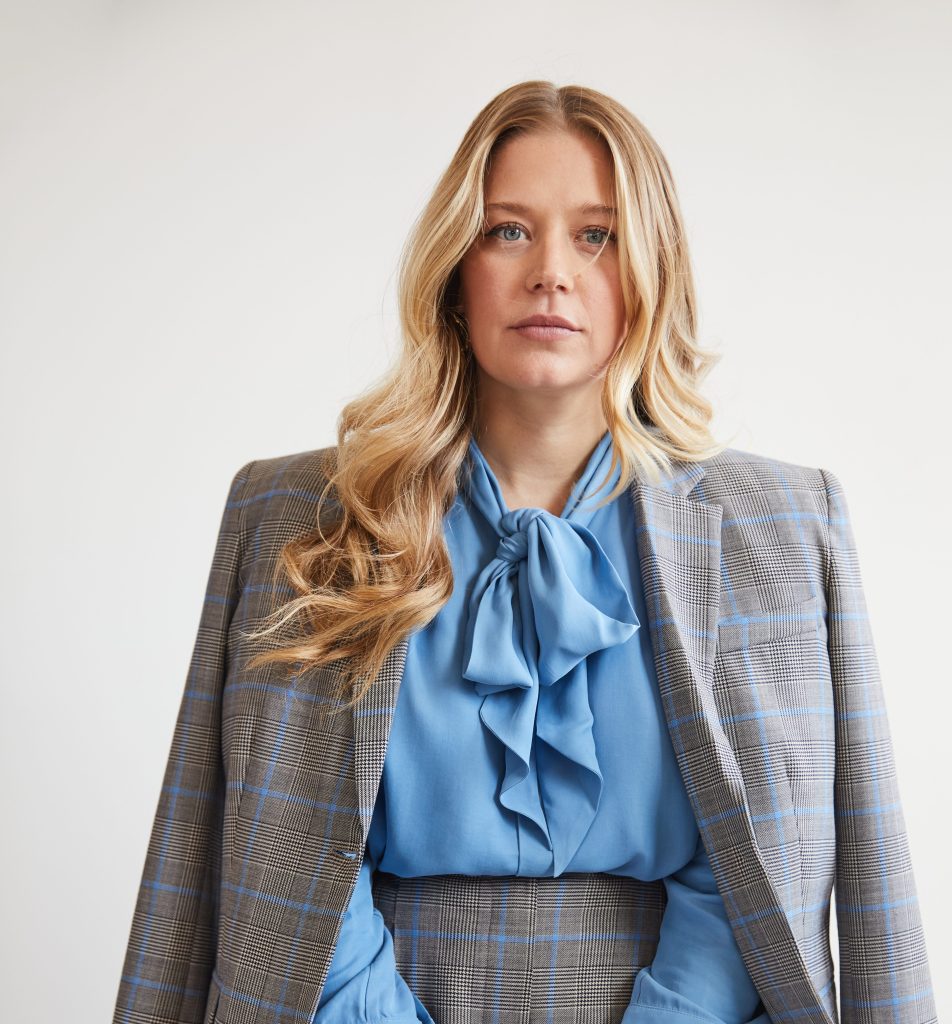
When you can buy a T-shirt for less than a sandwich, assume that slave labour has been used to make it, says Walk Free founder Grace Forrest.
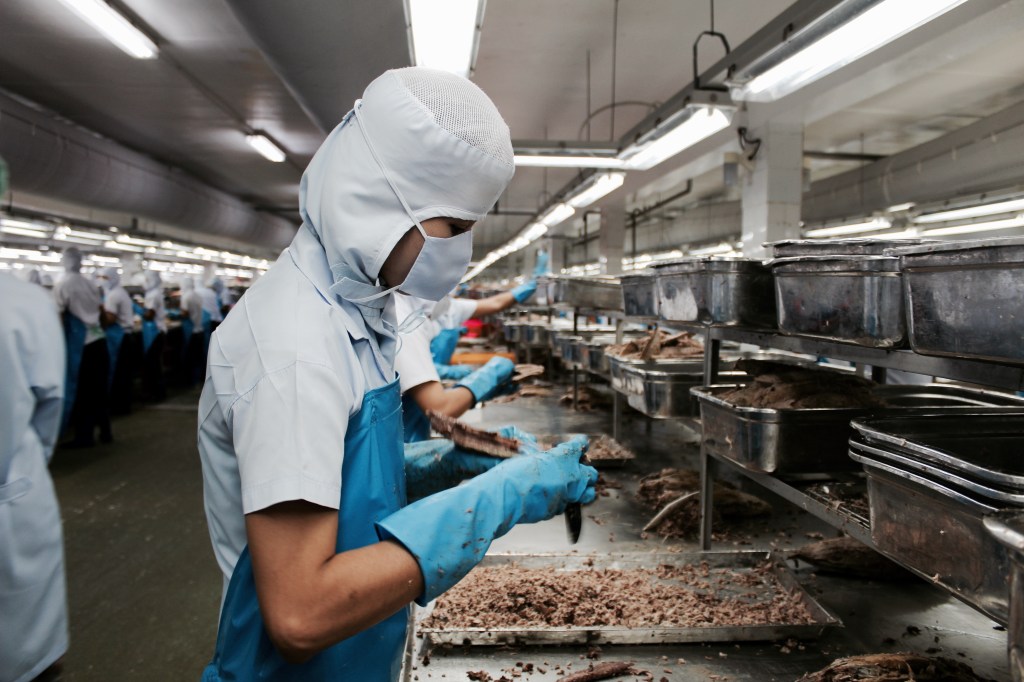
But even luxury goods should be presumed guilty, she says. “This spans all the way to Louis Vuitton who did not even comply with Australia’s Modern Slavery Act a few years ago,” says the daughter of iron ore magnate Andrew Forrest and Nicola Forrest.
Forrest is urging the federal government to amend the 2018 Modern Slavery Act to give it more teeth. Under the Act, companies with revenue of more than $100 million have to report on the risk of slavery in their supply chain and say what they’re doing to address it.
And that’s all. There are no financial penalties for not complying.
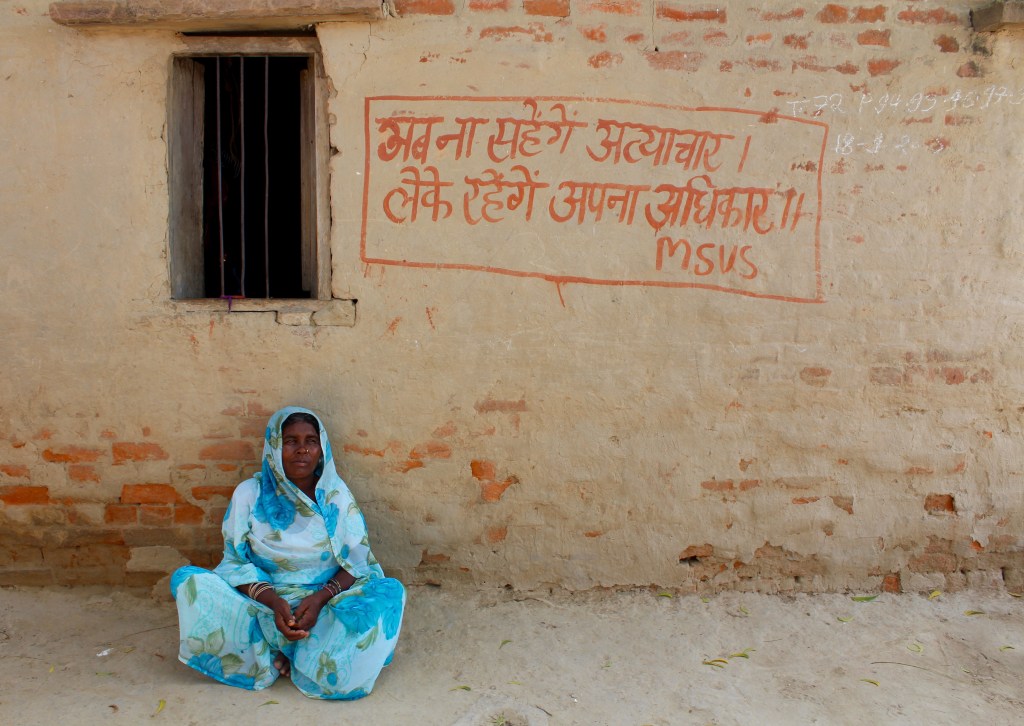
“The evidence is in,” says Forrest. “The reporting requirements don’t change business behaviour and it’s time to hold powerful businesses to account for human rights abuses in their supply chains.”
The non-profit she founded, Walk Free, is calling for the government to introduce “mandatory human rights due diligence” with penalties for non-compliant companies, and their directors.
She cited recently introduced New Zealand legislation that would impose $200,000 for companies that refuse to report or publish false information, including penalties of up to $600,000 for directors and senior managers.
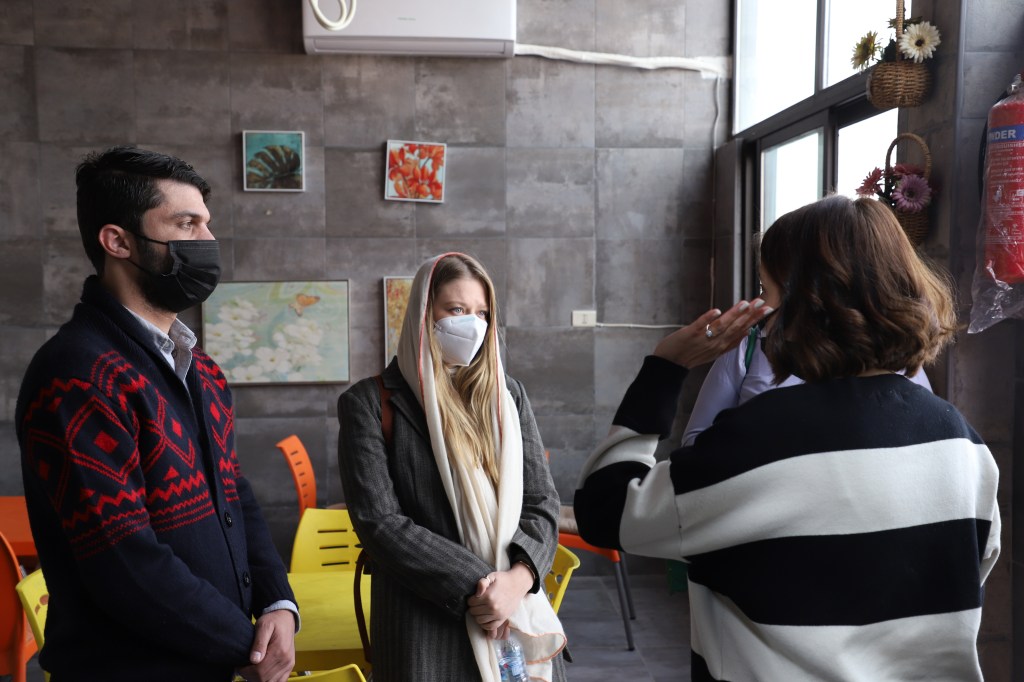
“Our other trading partners … including South Korea, Thailand, Indonesia as well as Canada and the European Union, they’re all moving towards mandatory human rights due diligence laws that require companies to act on risks, not just report on them … that’s what we’re asking.”
Beyond Australia, Forrest’s advocacy is being reinforced by a growing body of international research—and recognition. In December 2025, Walk Free, alongside Gallup and the International Labour Organization, was awarded the 2025 Market Research Society Award for International Research for its work on the Global Estimates of Modern Slavery, an attempt to comprehensively quantify the scale of the problem.
It found modern slavery – which includes forced marriage as well as human trafficking and debt bondage – affects an estimated 50 million people globally, with around 28 million trapped in forced labour.
In Australia, more than 40,000 people are living in conditions of modern slavery, the report claims, with migrant workers in sectors such as agriculture, construction and meat processing among the most vulnerable.
Asked if 40,000 were really being subjected to slavery in Australia, The Australian Anti-Slavery Commissioner, Chris Evans, pointed out that the Australian Federal Police received 420 reports of human trafficking and modern slavery in 2024-25.
“What we do know for certain is that Australia has a detection problem,” Evans told Forbes Australia in a written response to questions. “Detection rates are low. The Australian Institute of Criminology estimates that for every identified victim, four remain undetected.
“Regardless of the exact number, modern slavery does exist in Australia, particularly affecting migrant workers, women, and people in isolated or insecure work.”
New data from Fair Supply released in early 2026, estimates that nearly $100 billion worth of goods imported into Australia each year carry a high risk of being produced using forced labour – roughly one in every five dollars of imports.
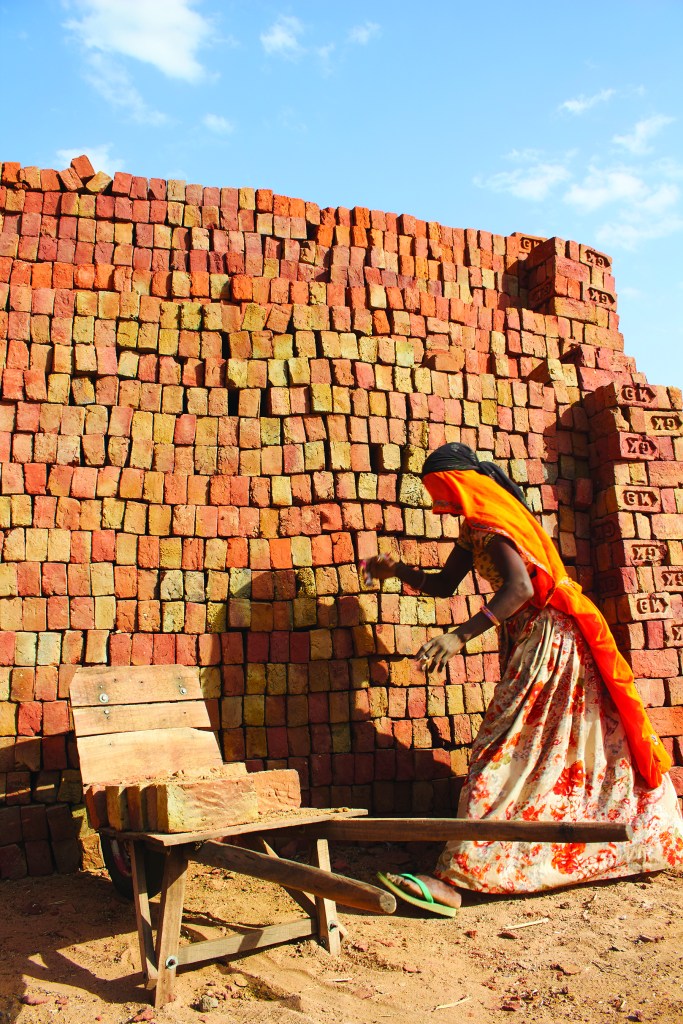
Electronics, apparel and construction materials rank among the highest-risk categories, sectors long associated with opaque supply chains and documented cases of worker exploitation.
While the modern slavery legislation was considered world-leading when introduced, critics argue that seven years on, its reliance on disclosure has failed to shift corporate behaviour or outcomes for victims.
“Responsible businesses are being undercut by competitors who ignore risks.”
Forrest says that without enforcement mechanisms, the law has created more paperwork than progress, though she admits that public roastings of global giants like Nike and Apple over slavery concerns created a benefit. “Those companies are highly incentivised to become better. So Nike and Apple, they now have extensive modern slavery statements on their websites.
“Does that mean they have no slavery? Absolutely not. But what I would say is when you see a company from a major industry being called out, I would love consumers to see this as the canary in the coal mine.
“It is signalling that even the most powerful, even the richest companies in these industries are using exploitative labour.
“They’re at the front of their industry. So if they’re leading with that, it is permeating through the entire sector and without being depressing, I’d probably flip the question around that actually, every company is implicated in modern slavery in their supply chains right now.
“And unless they can actively show you what they’re doing about it, you should assume they’re doing nothing.
“There is no one secretly doing the right thing in 2026. No one.
“Everyone is claiming credit wherever they can. And as a result, we’ve got a lot of greenwashing and a lot of false flags. So unless a company can tell you what they’re doing right, I highly encourage people to assume they’re doing something wrong.”
Forrest praised Woolworths for having done more than its competitors.
“That doesn’t mean their prices are any more. It means it’s an issue that has been prioritised from the top and integrated into their business.”
While the Australian legislation only applies to large companies, Forrest says that in the ragtrade, smaller businesses often lead the way. “We see in fashion that companies that do not have to comply or supply this information on their websites do because they fundamentally believe in it.
The Anti-Slavery Commissioner agreed with Forrest that the current legislation had “reached the end of its shelf life”. Evans wants greater power to call out industries and products, and penalties for non-compliance.
“The Act requires reporting, not action,” Evans said. “Too many statements are low quality, risks are disclosed but not addressed, and there are no consequences for doing little or nothing to address the risk of this serious human rights violation and crime.
“As a result, forced labour in Australian supply chains is not being detected or remediated, responsible businesses are being undercut by competitors who ignore risks, and Australia is falling behind key trading partners that have introduced stronger responses.”
Want to see more Forbes articles on your feed? Tap here to make Forbes Australia a preferred source on Google.
Look back on the week that was with hand-picked articles from Australia and around the world. Sign up to the Forbes Australia newsletter here or become a member here.