
It’s often slower and costlier, but for Sydney’s elite, the historic character of an old building is quietly becoming the ultimate luxury benchmark. We speak to the architects bringing their opulent visions to life.
This story features in Issue 21 of Forbes Australia. Tap here to secure your copy.
“It would have been millions cheaper and a lot quicker to knock it down,” Will Vicars says, laughing slightly, talking about an Art Deco apartment building he has transformed on Bondi’s southern headland.
Vicars can afford to laugh about it. When we speak, he has just finished another Rolex Sydney Hobart Yacht Race, racing aboard his yacht Oroton Drumfire. He is a billionaire fund manager, joint chief investment officer at Caledonia Investments, and the owner of the Australian leather goods brand Oroton, which he rescued in 2017.
He also owns a string of high-end homes across Sydney’s eastern suburbs, including multiple new-build penthouses. But, this building was not a case of being forced into a preservation exercise.
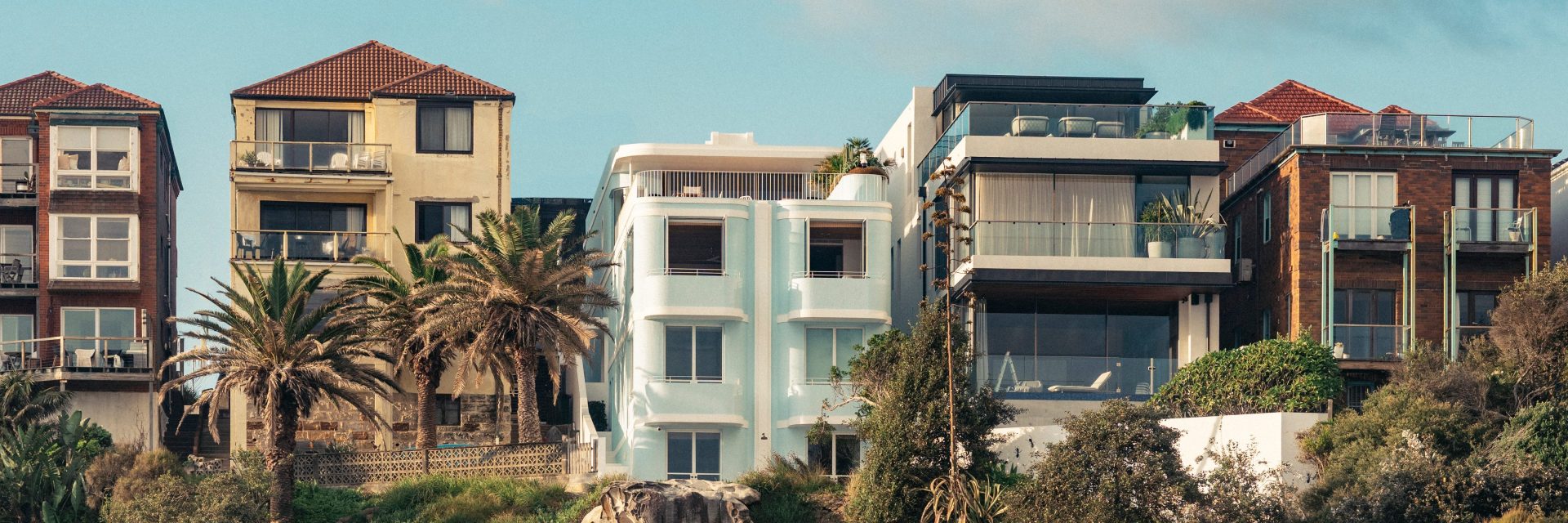
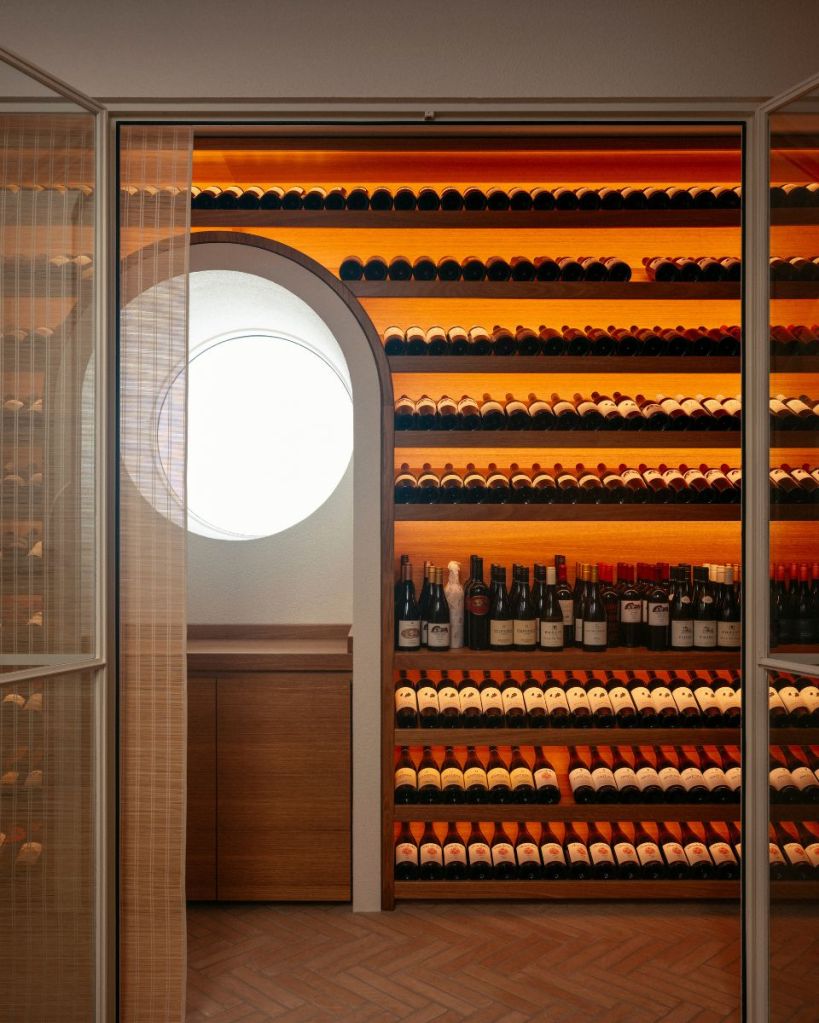
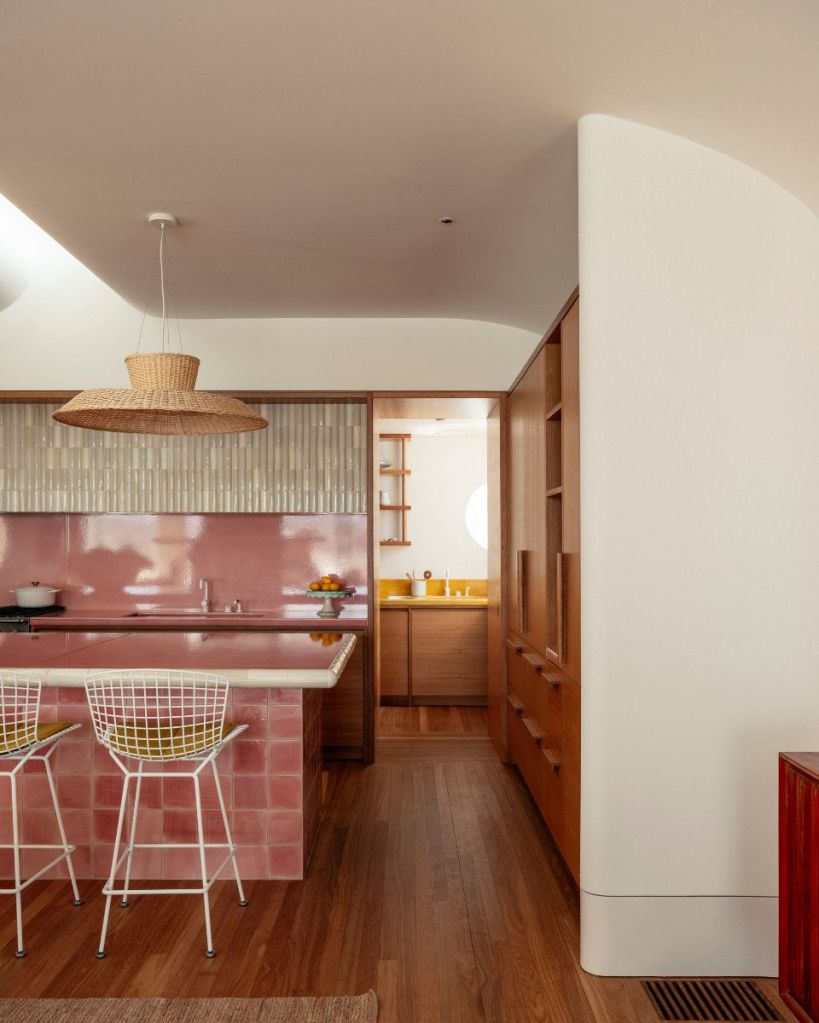
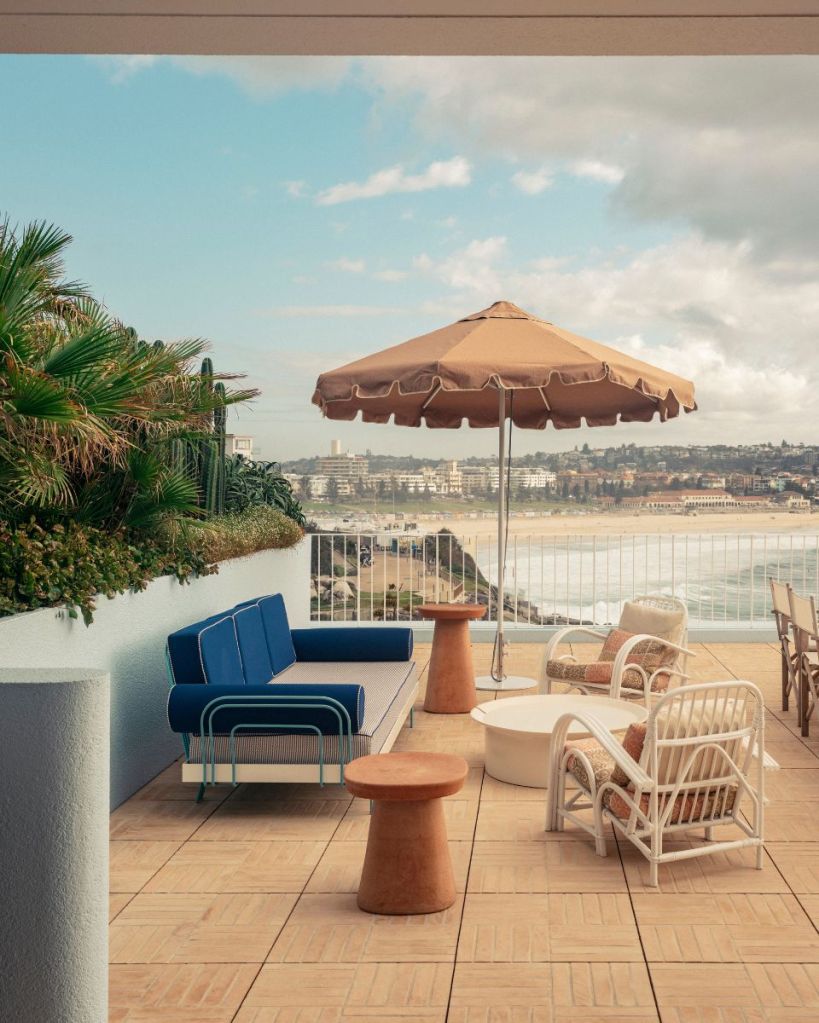
The building he is talking about is Headland House at the southern end of Bondi. It was not heritage listed and could legally have been demolished after he purchased it. Instead, Vicars chose to stabilise it, retain its curved structure and stacked form, and convert it into a single-family residence with architects Richards Stanisich.
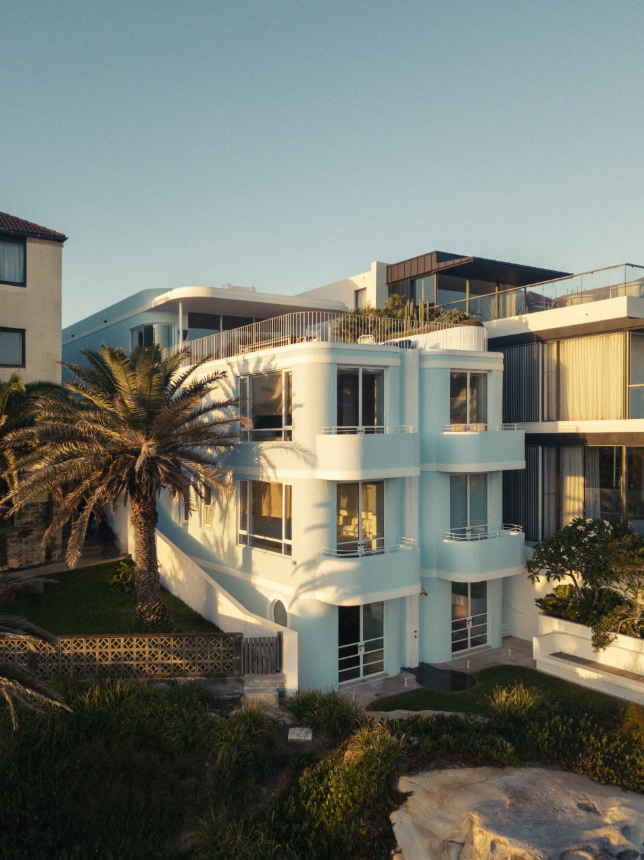
The project took longer than expected, ran straight through Covid, and cost far more than a clean-slate rebuild would have. Vicars is blunt about that. “It’s not hugely financially smart,” he says, stopping short of revealing just how much the project set him back.
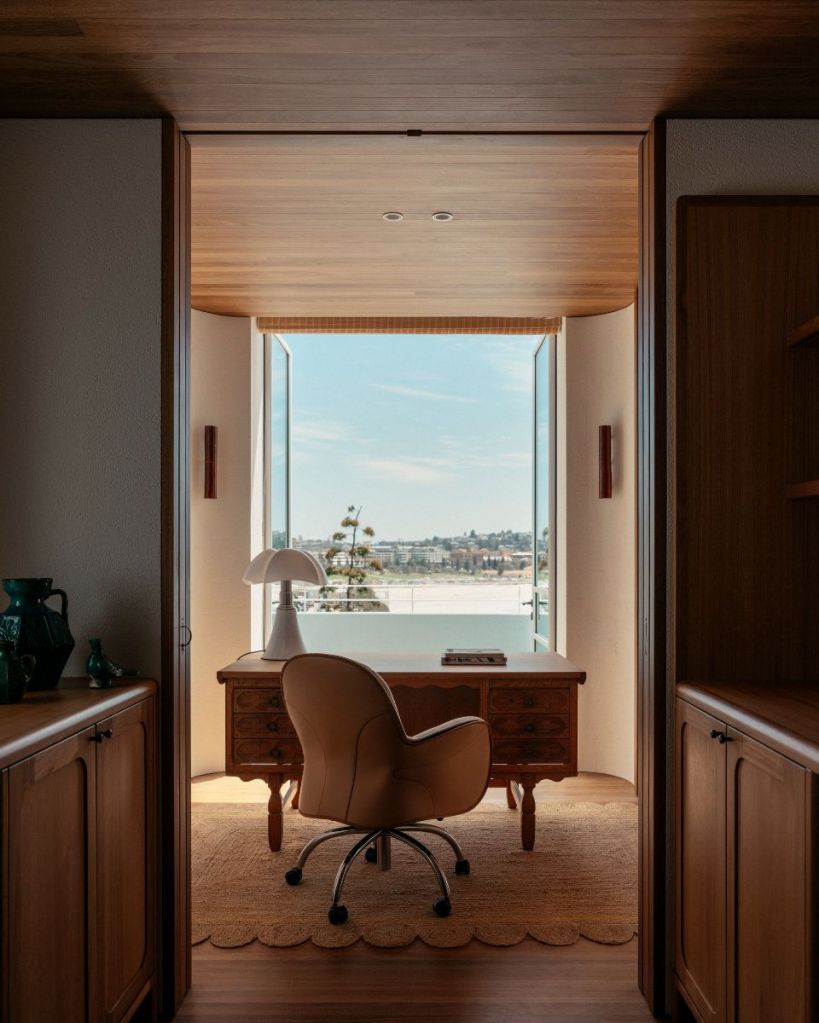
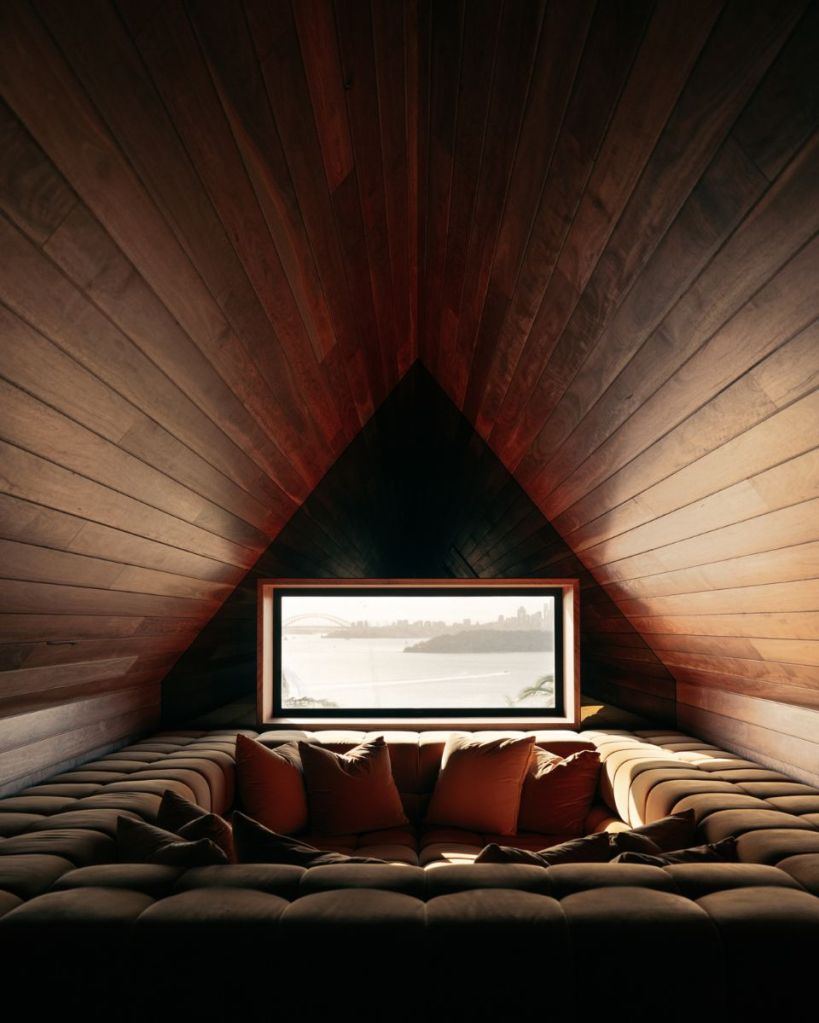
What it delivered instead, Vicars says, was a way of living shaped by the original building itself: framed views rather than maximised glass, tighter proportions, and an interior scale that could not be recreated from scratch.
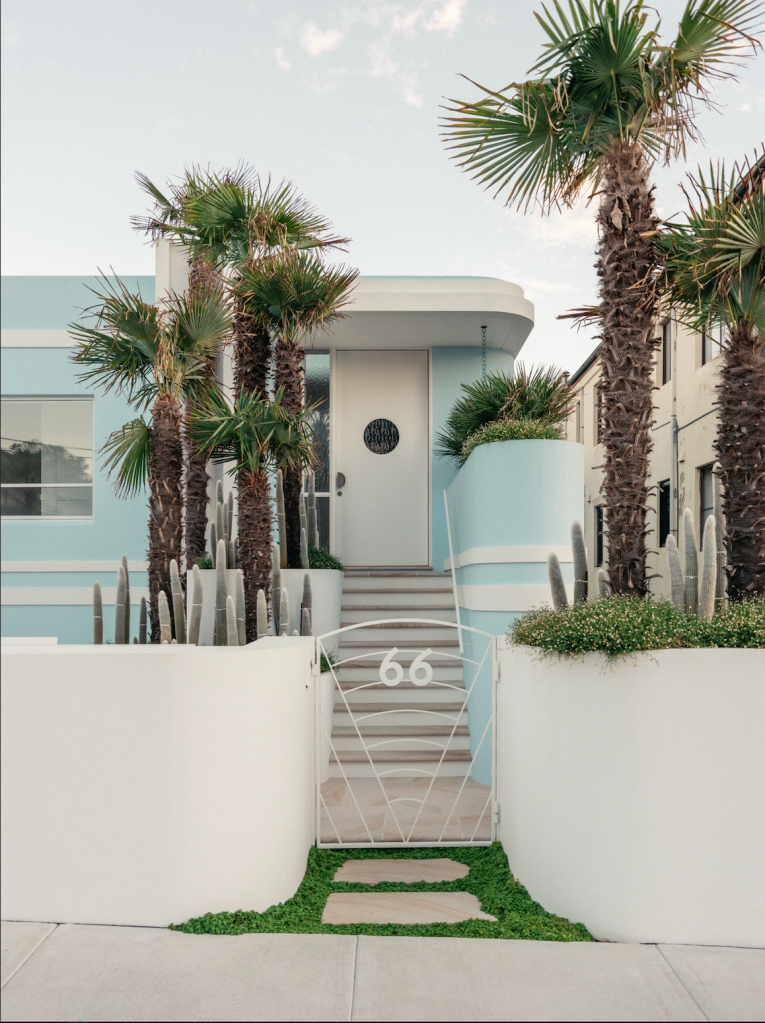
“At 66 Fletcher, people literally knock on it all the time saying, ‘Oh, I’ve seen this – can I come in?’” he says. “People are fascinated by architecture and things getting rebuilt, especially in a traditional manner.”
“It’s not necessarily the best return for an investor, but for a lifestyle in a place like Bondi, these things are fantastic. Those bright blues, yellows, and greens just stand out brilliantly, and they’re typically on more historically significant places rather than the newest stuff. They do sort of just reinforce the character of the headland and what Bondi was.”
That reaction, he says, was not anticipated. The building, despite its multiple industry awards, was never intended to be a showpiece or a public-facing project. But its curved facade, compact scale and Art Deco detailing stand out in a stretch of Bondi where larger new builds increasingly dominate.
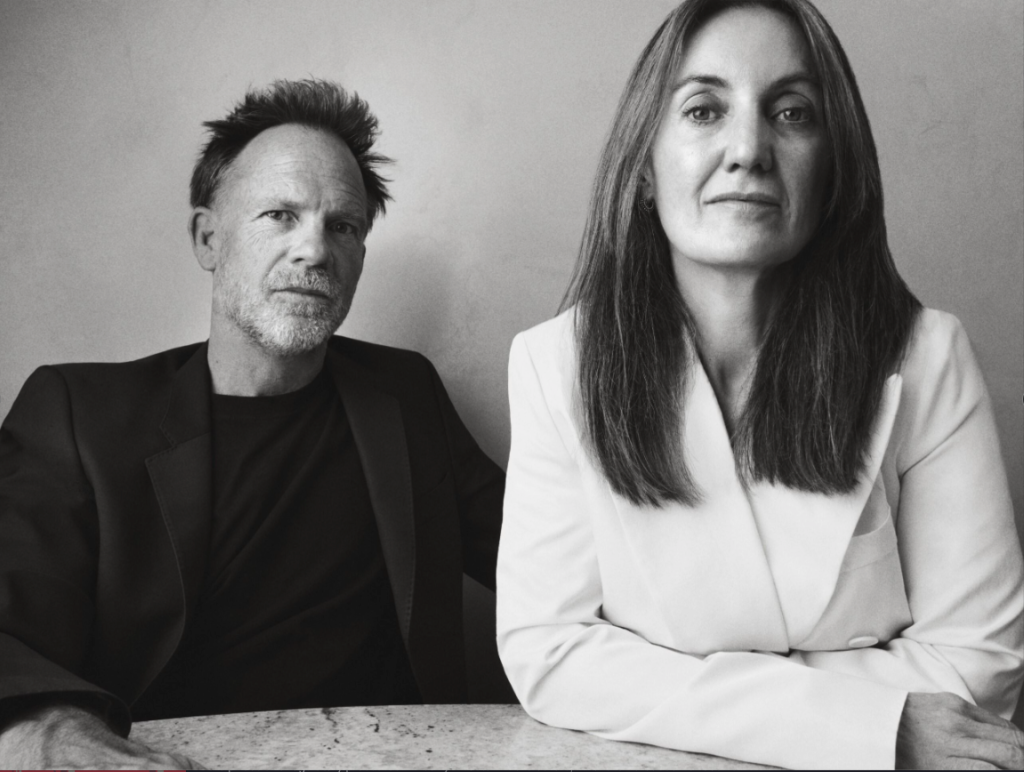
For Richards Stanisich directors Jonathan Richards and Kirsten Stanisich, Headland House is typical of the kind of work their practice now attracts. Both trained as architects, the pair operate in a space between architecture and interior design – particularly on projects that involve extensive restructuring within existing buildings.
“Those old buildings need a major rethink,” Richards says. “They’re not knock-down rebuilds, but they’re not light-touch renovations either. They’re complicated, and that’s where we sit.”

While the Sydney-based practice is perhaps best known publicly for its high-end single-residential work, it also operates across multi-residential, workplace, and hospitality projects in Australia and overseas.
Many of its private residential clients come via that broader body of work, often after first engaging the studio on a commercial or development project.
According to Richards, that crossover is part of why they are frequently brought in once a knock-down rebuild has already been considered. “We’re often asked to look at buildings other people have written off,” he says.
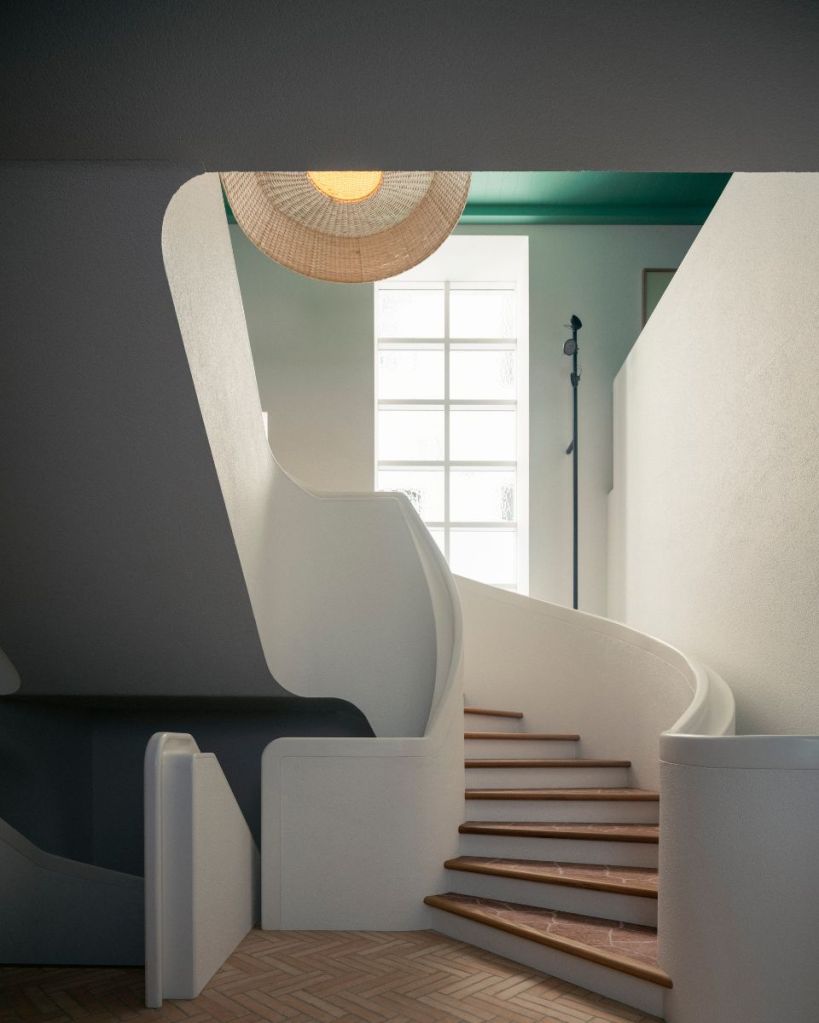
In the case of Headland House, the challenge was light. The original apartment block was long and narrow, with daylight at either end but very little through the centre. “A big driver for us was how to get light into the middle of the building,” Richards says. “Before you even think about materials, you have to make the place feel good to live in.”
That often means integrating features that are built into modern homes by default – such as climate control, high ceilings, and wellness spaces – within structures designed for a bygone era.“You’re trying to give it all the contemporary amenity of a new house,” Stanisich says, “but within an old framework that has real limitations.”
“We’ve had clients weigh up both options,” Richards adds. “They’ve had drawings done for a knock-down rebuild, then asked us to see what we could do if they kept the building. It’s not always the most cost-effective path.”
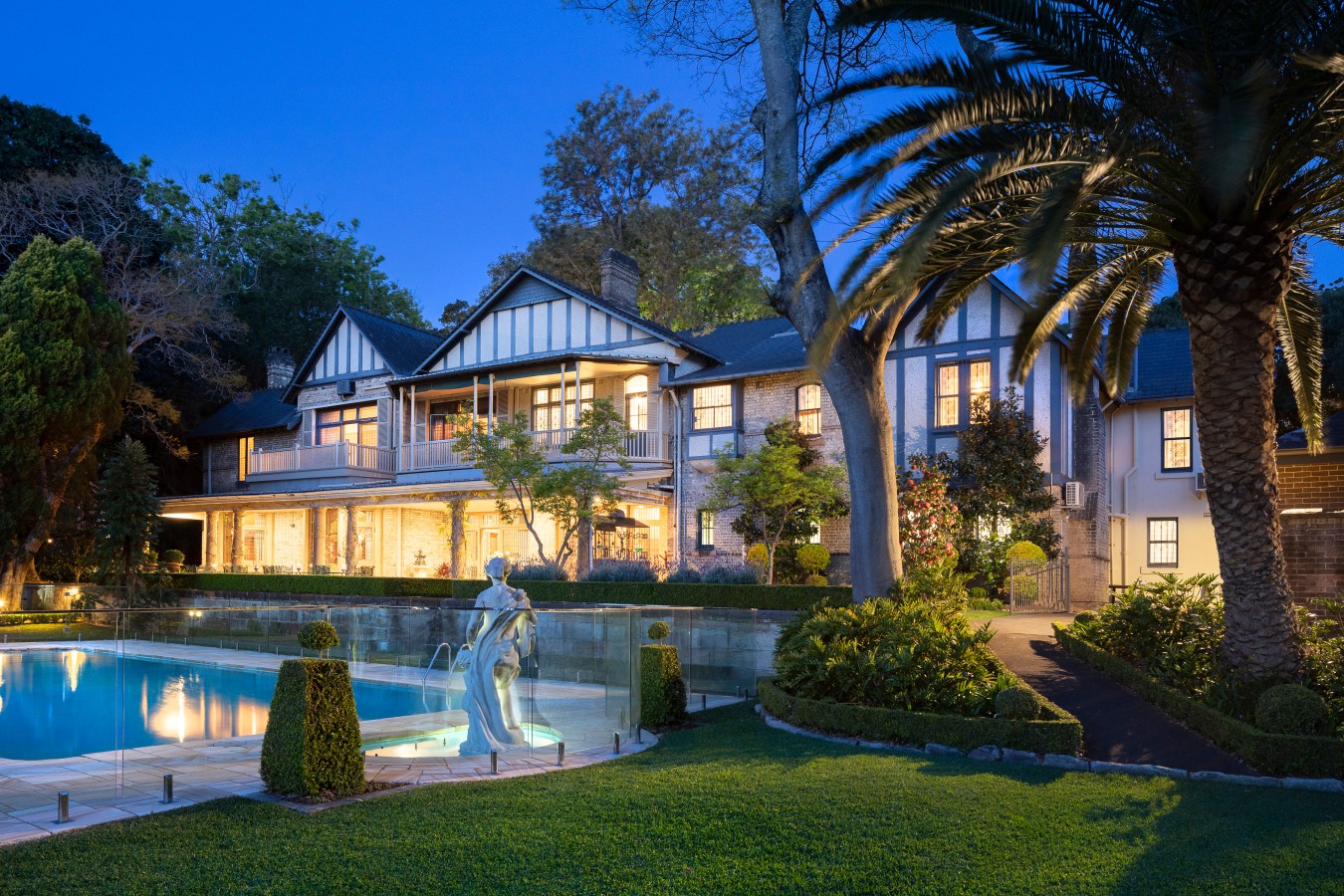
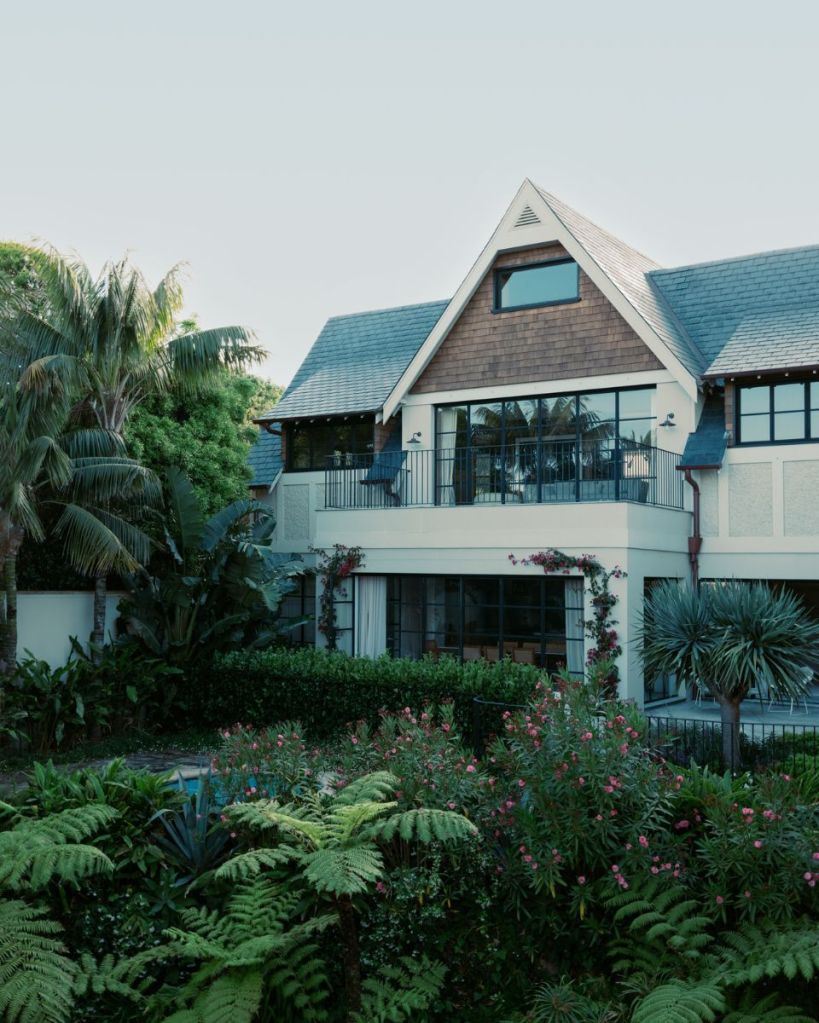
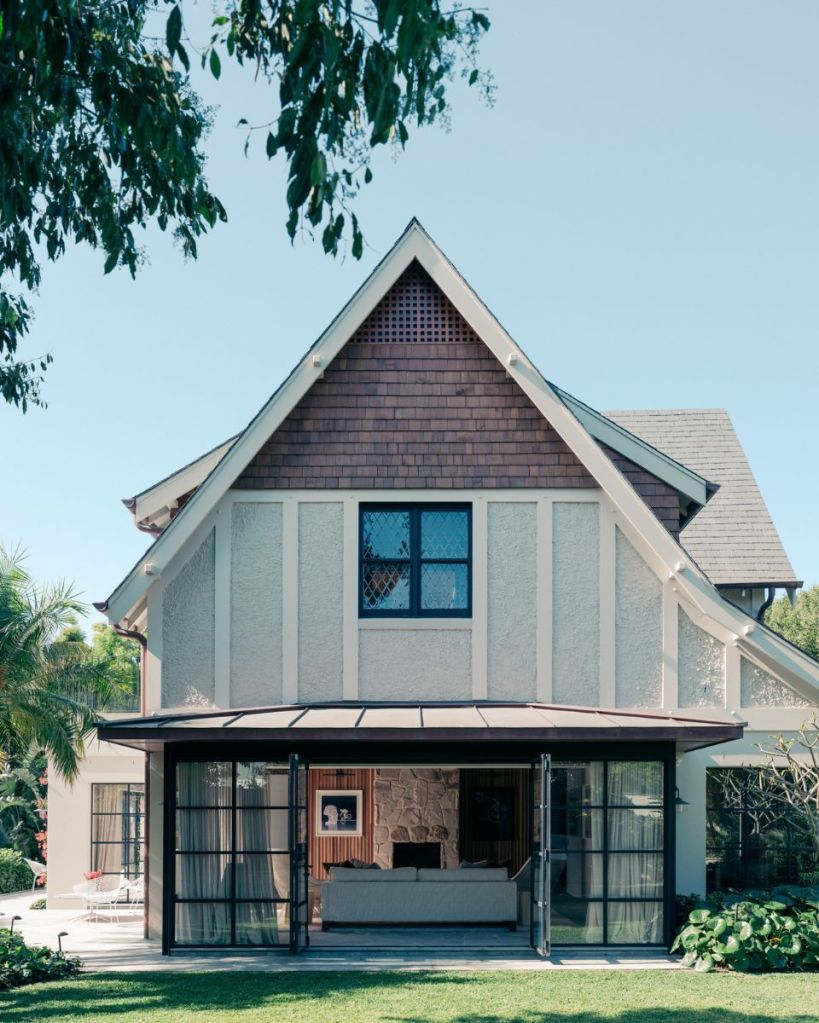
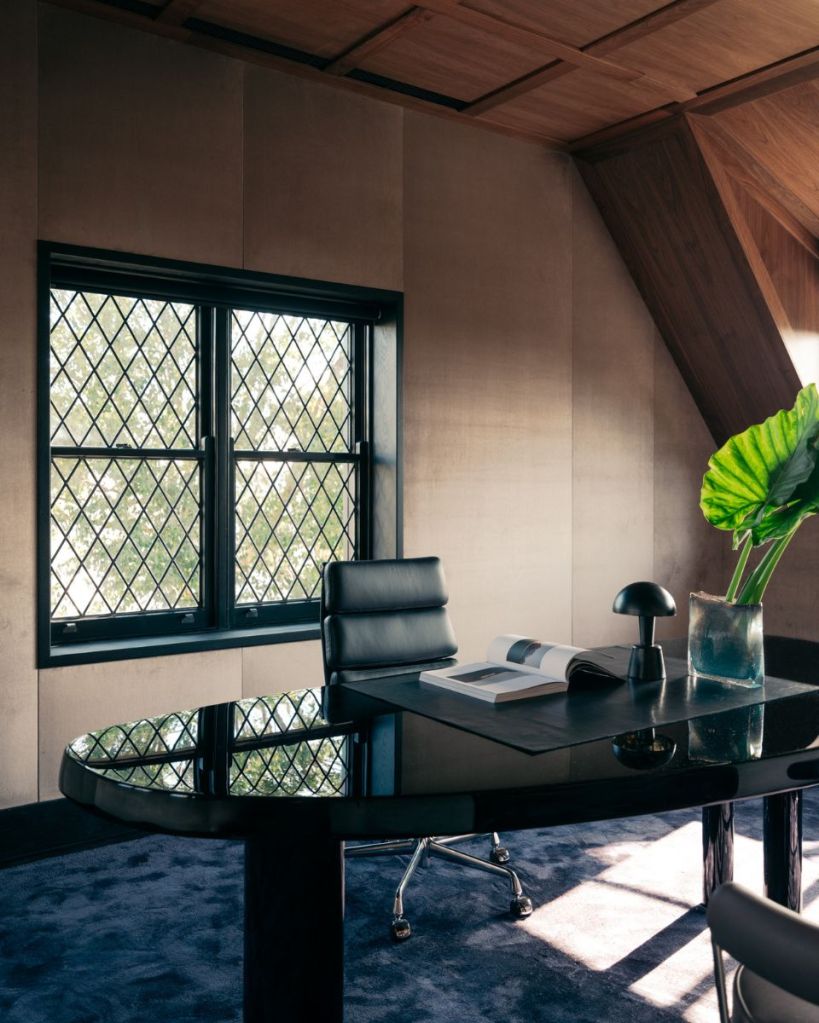
A recent example is a Vaucluse residence owned by Anthony Medich. The house, a quirky mock-Tudor structure, had already been designed for demolition by another architect before Richards Stanisich were called in. “We really liked its charm,” Richards says. “We kept it and made it work.”
The same approach is now underway at Brighton Boulevard in North Bondi, where Vicars is once again converting an old brick Art Deco apartment building into a single residence. Like Headland House, the building was not heritage listed. “It’s another playful refurb,” Richards says, adding it’s “time-consuming, complicated and costly” – but what it gives the owner is character. He says that patina is very hard to achieve with new buildings.”
“Those old floors are worth fighting for rather than stripping them out and putting a new one in – those are the things you can’t get back.”
Headland House
Location: Fletcher Street, Bondi Beach, Sydney

Client: Will Vicars
Builder: Alvarez
Architect & interiors: Richards Stanisich
Completion date: 2024
Project Summary:
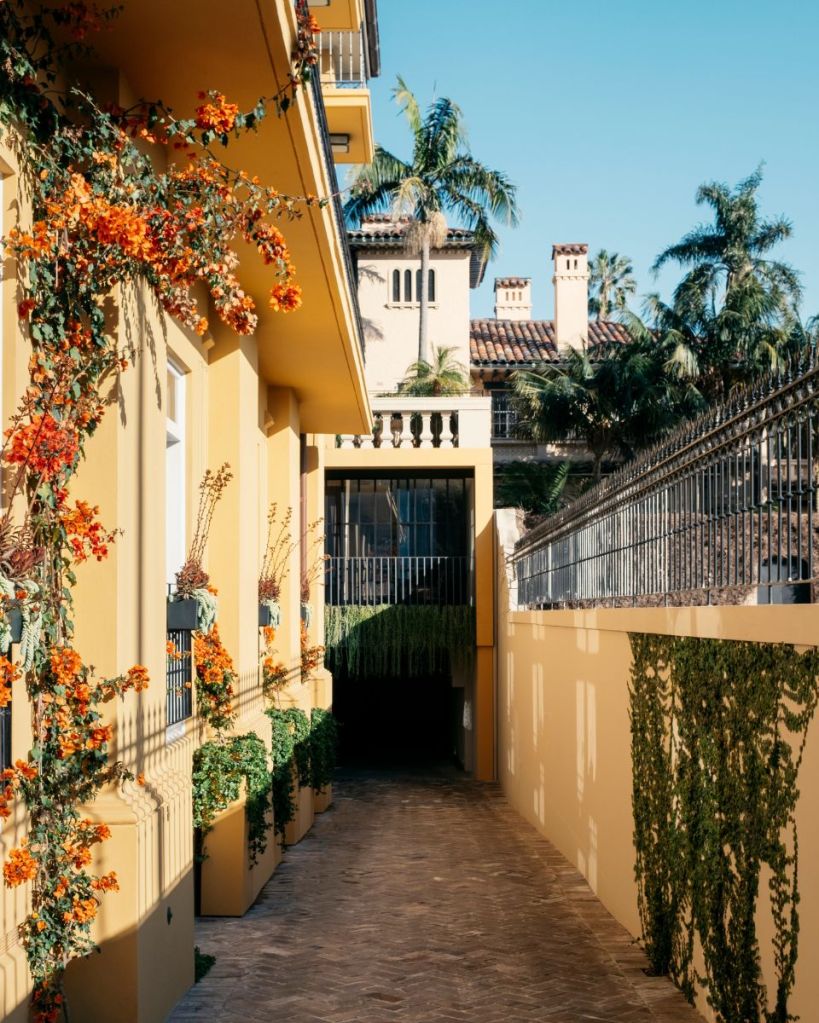
An inter-war art deco apartment building at South Bondi reworked into a five-bedroom single residence. The original shell was retained, including its curved form and stacked layout, while the interior was completely restructured. A new top level was added for living spaces, along with masonry balconies facing the beach. A central lightwell and stairs were inserted to bring daylight into the plan. The project worked within the scale of Bondi’s Art Deco rather than replacing it.
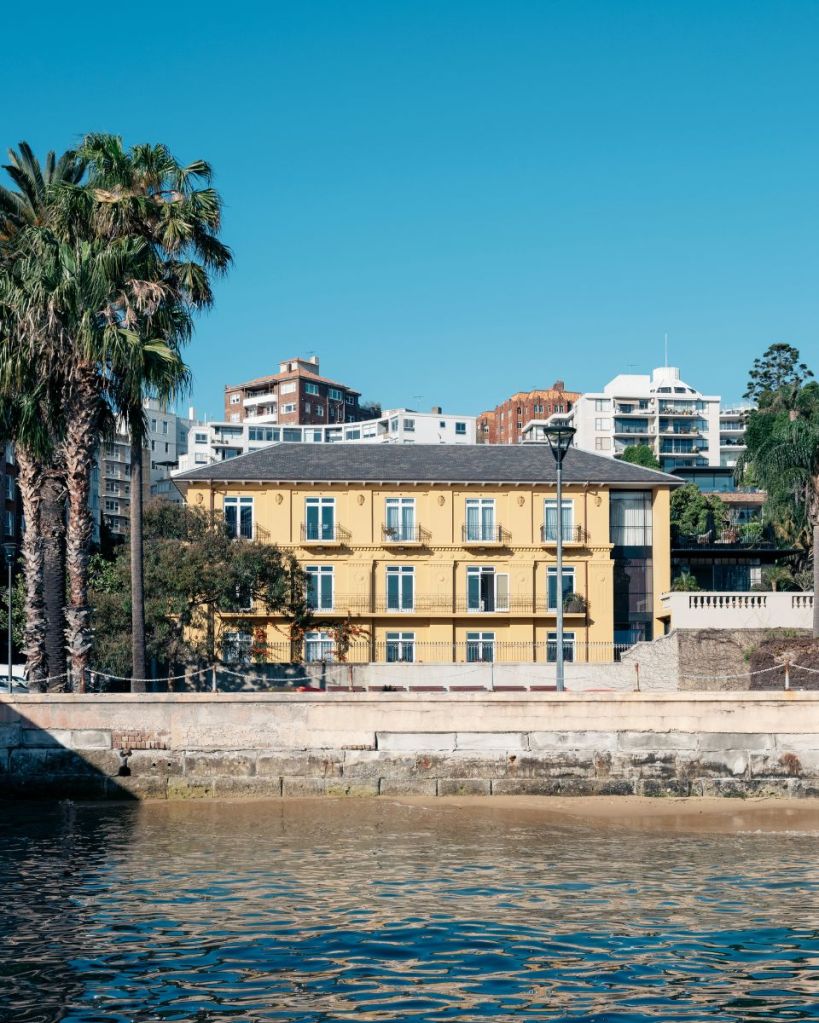
Fiorenza
Location: Ithaca Road Elizabeth Bay, Sydney
Client: Anonymous
Builder: Yuncken
Architect & interiors: Richards Stanisich
Completion date: 2019
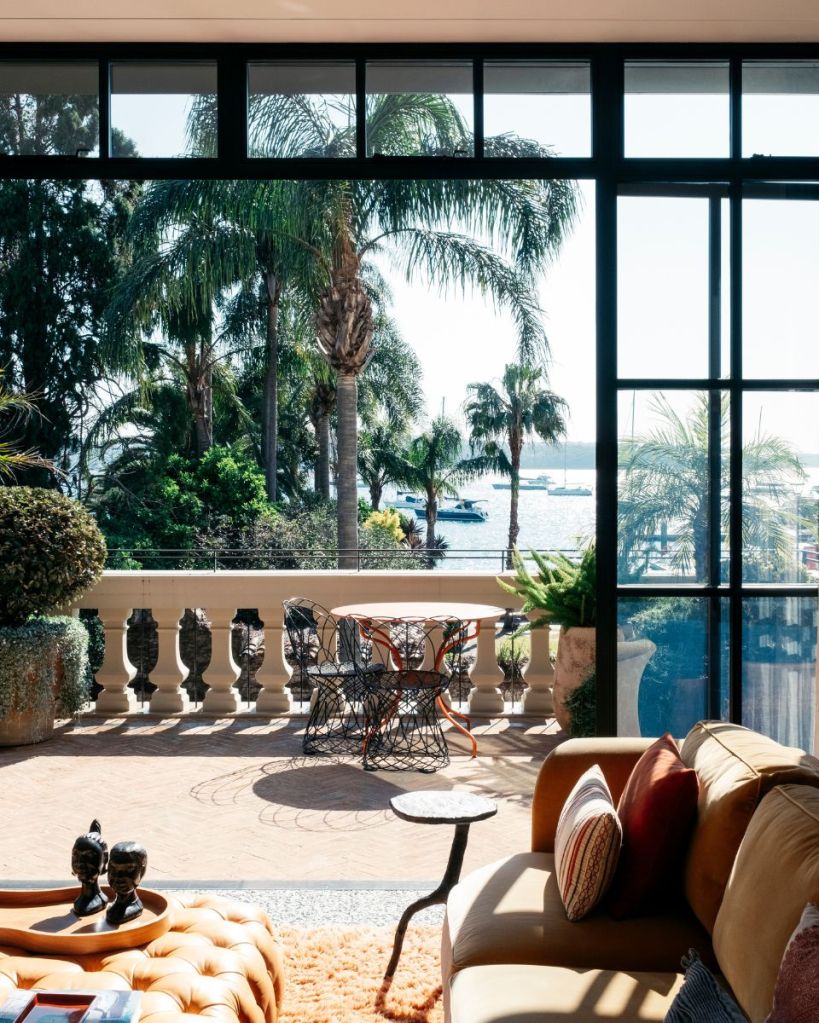
Project Summary: A three-storey apartment building built in 1928 and locally heritage listed, overlooking Beare Park. The building was retained and extended, with three full-floor redesigned apartments. The client occupies the middle level, which includes a zinc-and-glass extension. Despite major interior reconfiguration, the original structure and proportions were preserved, with north-facing rooms and a long enfilade layout maintained along the park and harbour frontage.

Vaucluse Residence
Location: Wentworth Avenue, Vaucluse, Sydney
Client: Anthony Medich
Builder: BWG
Architect & interiors: Richards Stanisich
Completion date: 2023
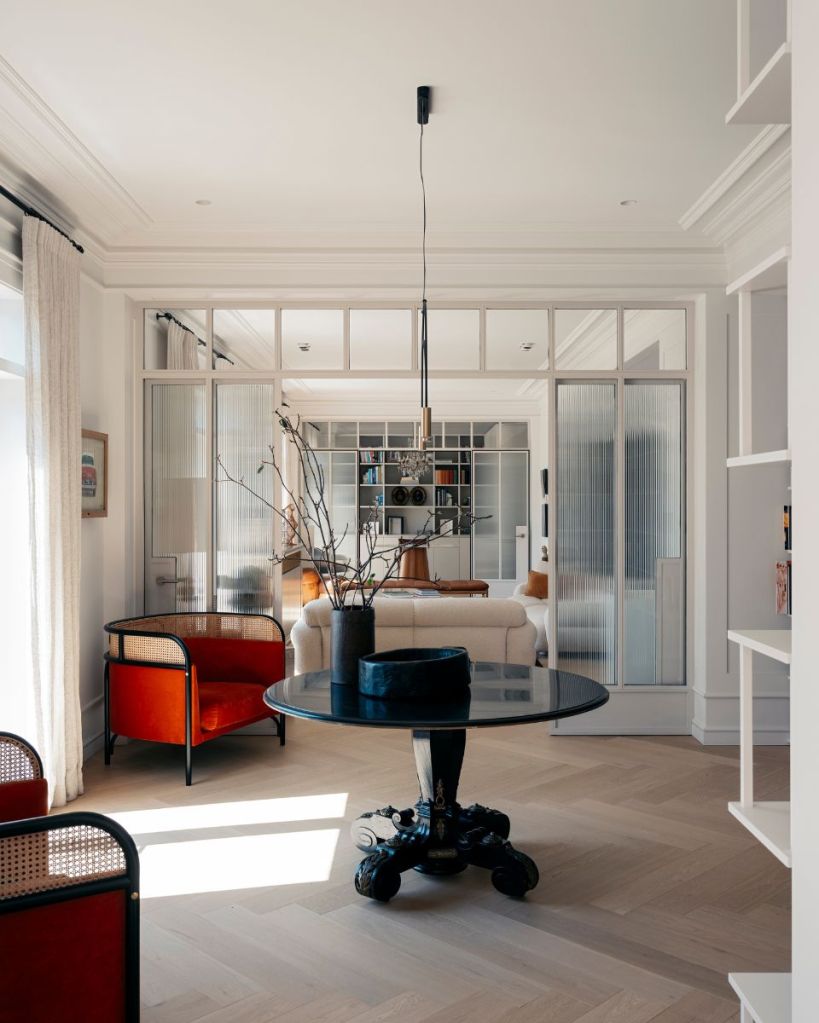
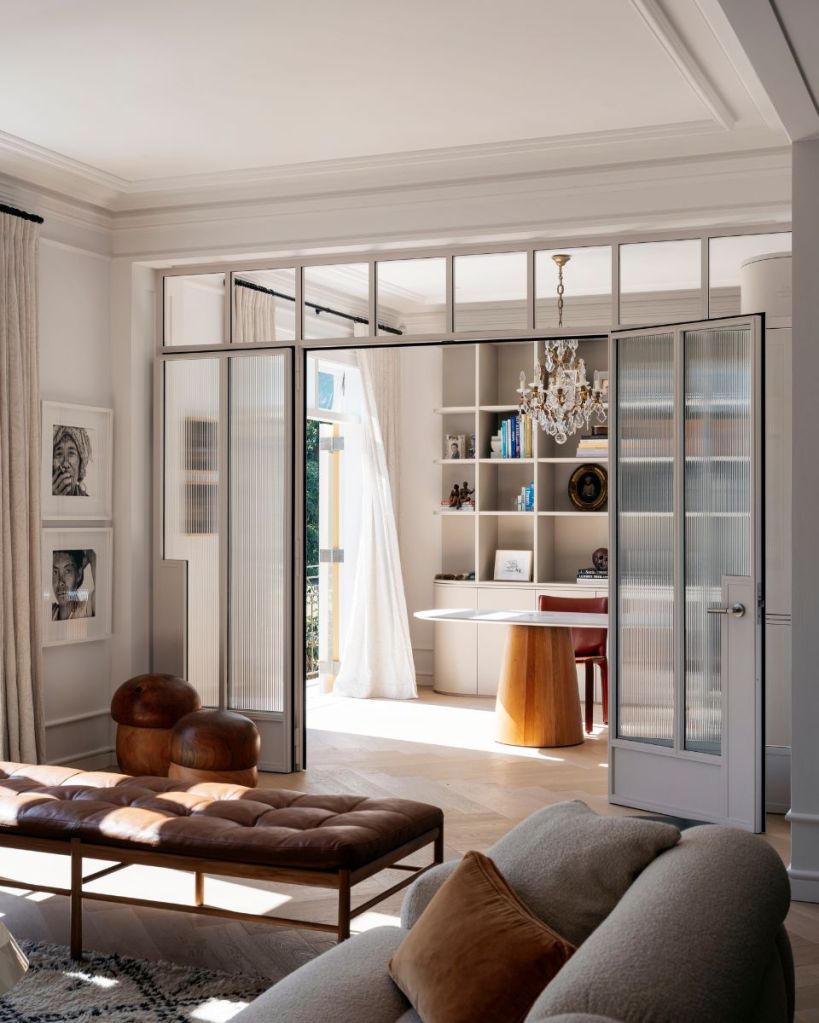
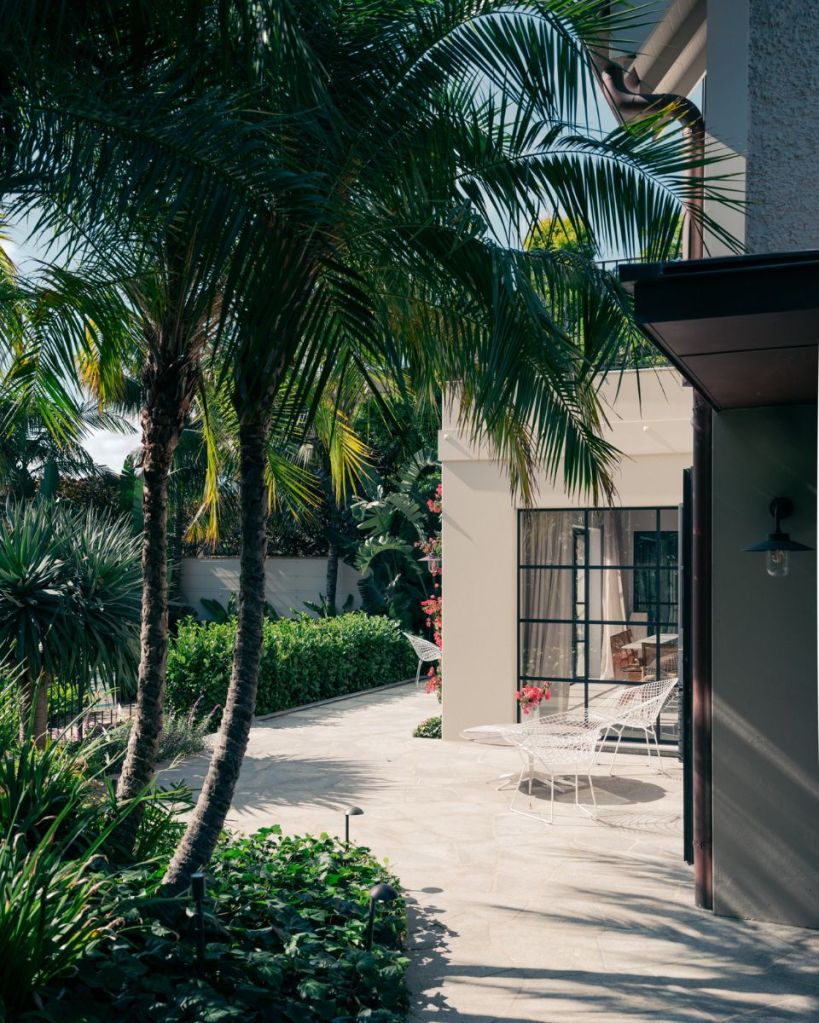
Project Summary: A major restoration of a two-level inter-war Tudor Revival house that had initially been designed for demolition. Richards Stanisich retained the existing structure and reworked the interiors entirely, opening the ground floor to the garden with steel-framed glazing around much of the perimeter. The exterior was restored with a new slate roof, timber shingles and repaired leadlight windows, while the interiors were rebuilt with materials referencing the period without copying it directly.

Want to see more Forbes articles on your feed? Tap here to make Forbes Australia a preferred source on Google.
Look back on the week that was with hand-picked articles from Australia and around the world. Sign up to the Forbes Australia newsletter here or become a member here.