
When Albert Park opens its gates for the 2026 season opener in Melbourne this weekend, it signals a new era of Formula 1, with new engines, new teams, new drivers, new sponsors and billion-dollar revenue opportunities for a sport that has evolved into a US$21.2 billion entertainment giant.
This story features in Issue 21 of Forbes Australia. Tap here to secure your copy.
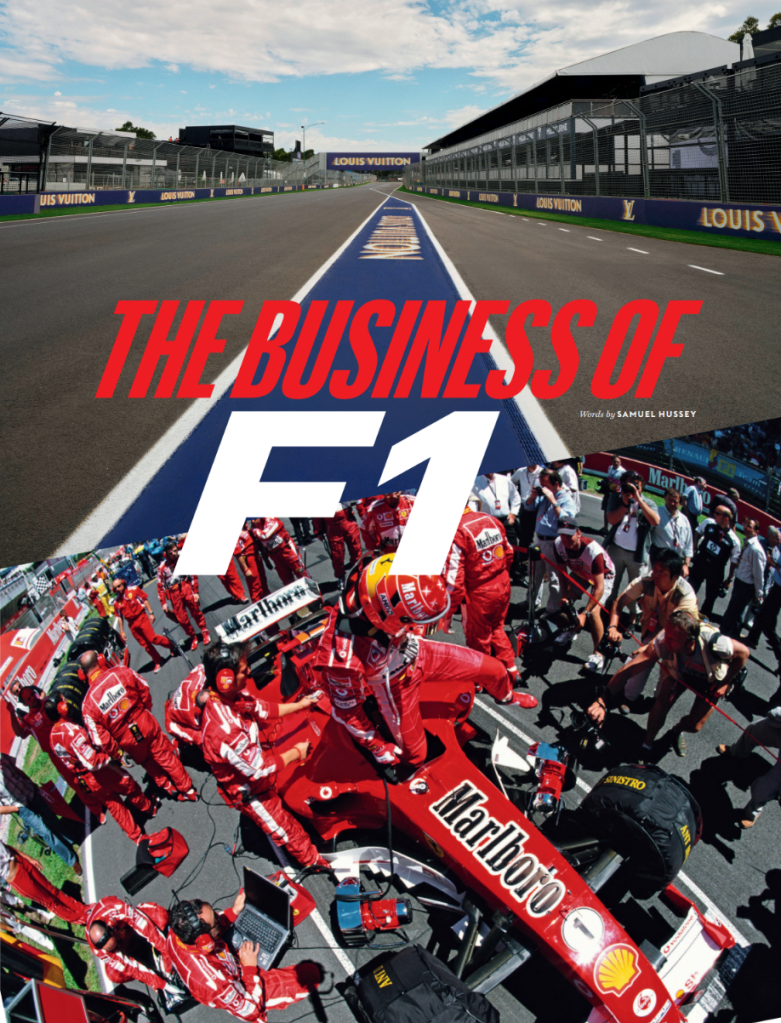
Long before the days of Netflix’s Drive to Survive, Louis Vuitton trophy cases and million-dollar trackside hospitality suites, the business of F1 was a very different operation from the one before you today. What’s changed and how did it become a calendar staple for some of the world’s richest and most influential powerbrokers?
The pivot point arrived in 2017, when American mass media company Liberty Media acquired the sport in a deal valued at US$8 billion.
At the time, the stock (FWONA) sat at roughly $30. Today, it trades north of $81 – a valuation that reflects a US$22 billion market cap for the Group, though industry insiders suggest the total ‘enterprise’ value of the sport is closer to US$26 billion when accounting for the recent acquisition of MotoGP and the surging premiums of individual franchises.
But to understand how a racing team becomes an asset class, you only have to look at the stickers on the carbon fibre before the lights go out at the Qatar Airways Australian Formula One Grand Prix.
Twenty years ago, the visual language of the grid was unmistakable. The liveries were billboards for the old economy: big tobacco, alcohol, and petroleum. The Ferrari rear wing – famously adorned with the Marlboro chevron – was one of the sport’s defining commercial totems. Today, that tobacco money is a bit more subtle. While the iconic rear-wing logos are gone, the industry has pivoted into the “pocket,” with nicotine alternatives like Zyn and Velo transitioning onto the race suits of the sport’s biggest stars.
In their place on the carbon fibre is a new-age lattice of enterprise software, cryptocurrency, luxury brands, and global technology. Look no further than the Williams FW48, now carrying the branding of Atlassian – the Australian software giant co-founded by Mike Cannon-Brookes and Scott Farquhar (ranked 6th and 7th on this year’s Forbes Australia’s 50 Richest list).
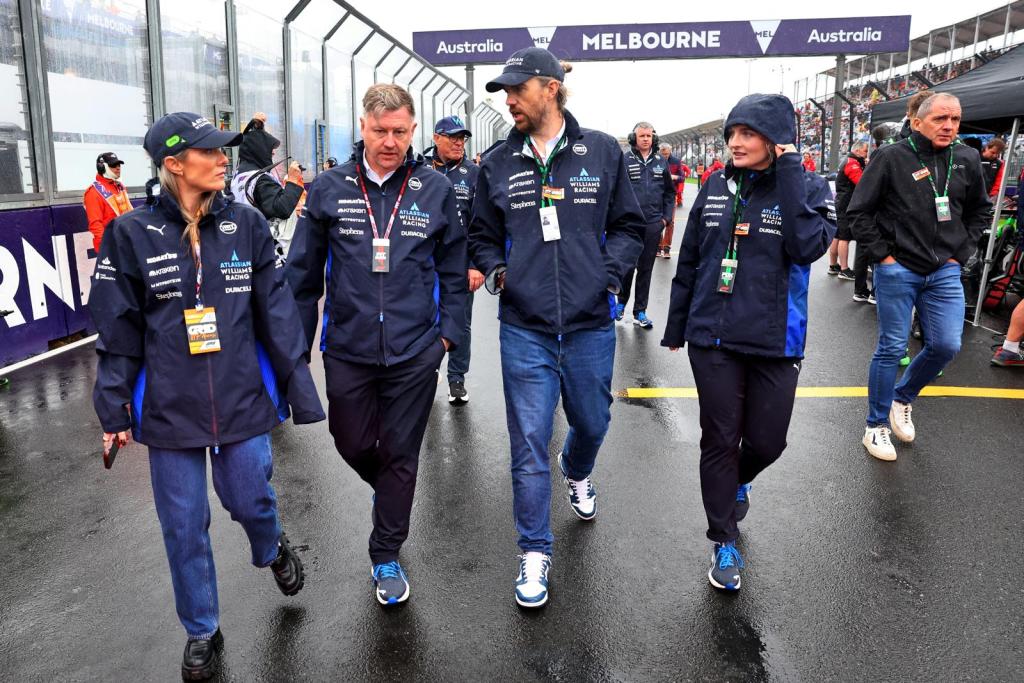
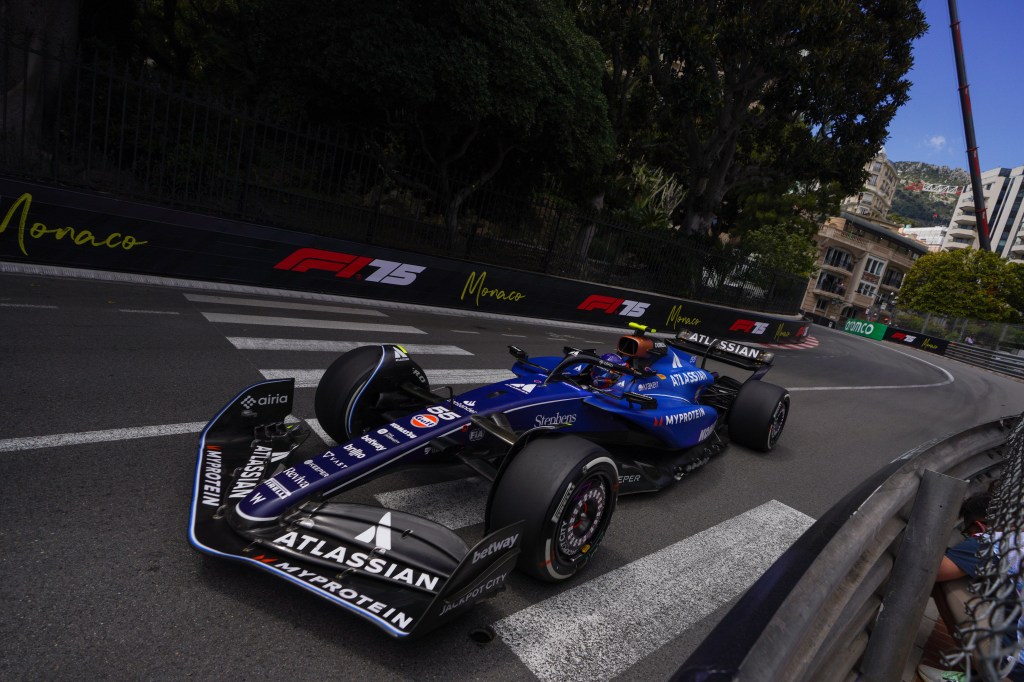
This shift – from cigarette packets to cloud software – signals the maturation of the market. In 2025, Forbes estimated the average Formula 1 team was worth US$3.6 billion, a figure that has nearly doubled since 2023. The valuation floor has risen in tandem; no team on the grid is now valued below US$1.5 billion.
At the sharp end of the field, capital values rival those of the top tier teams of the NBA (avg US$5.4bn). Forbes values Ferrari at US$6.5 billion and Mercedes at US$6.0 billion. McLaren, the team Australia’s shining star Oscar Piastri steers, sits as the third most valuable outfit, ahead of Red Bull Racing at US$4.35 billion.
In contrast, Red Bull acquired its team (the then failing F1 Jaguar Racing) for a reported nominal US$1 in 2004 from Ford, provided it committed to investing US$400 million over three years. Today, that asset trades at more than an eight times revenue multiple.
Before the Liberty deal, top teams were spending over $400 million a year in a bid for a competitive edge – a game of who could afford to lose the most.
Liberty’s masterstroke was the 2021 Cost Cap, limiting spending to roughly $167 million. It levelled the playing field on track, but more importantly, it fixed the balance sheets. For the first time in history, profitability became mathematically possible for every team on the grid.
No one capitalised on this new economy better than Zak Brown. When the former marketing executive of Just Marketing International (JMI) took over as CEO of McLaren Racing in 2018, the team was on the brink of insolvency, posting an operating loss of $137 million and a valuation of just $620 million.
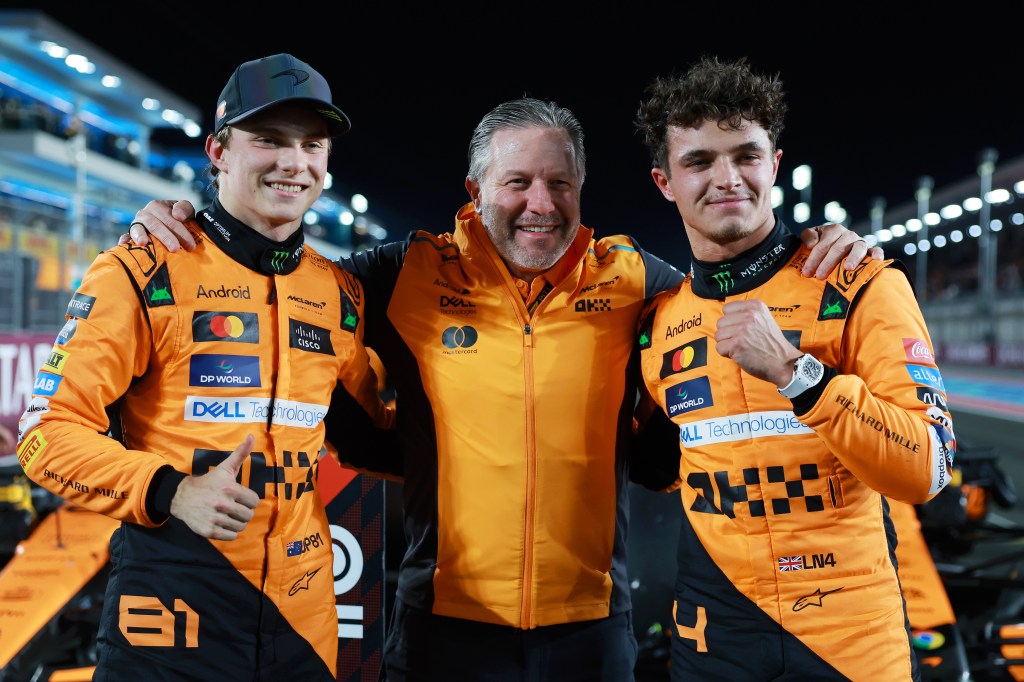
Brown realised the Liberty model offered a path to redemption. He rebuilt the team’s portfolio from the ground up, signing blue-chip giants such as Google, Salesforce, and Mastercard.
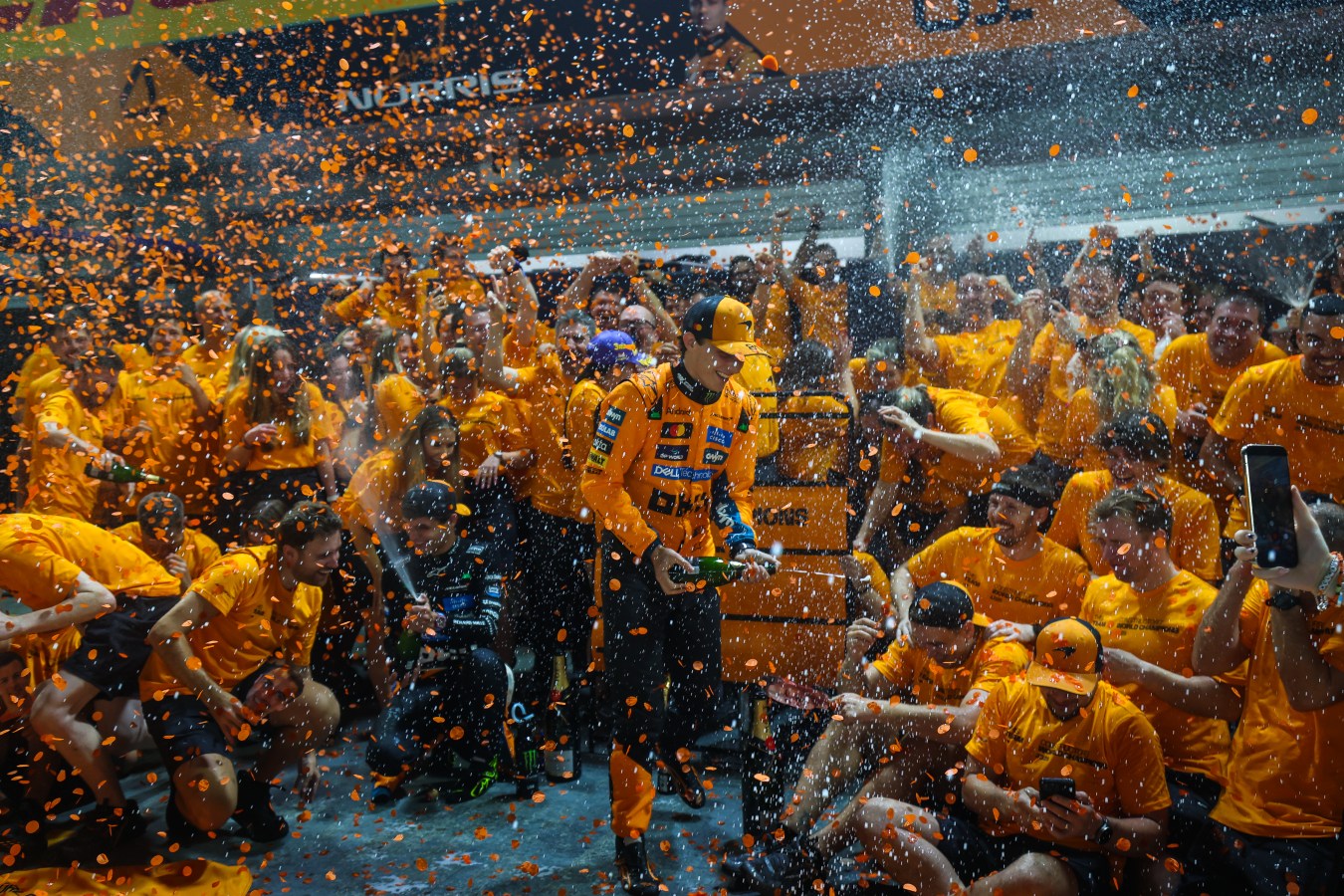
The strategy delivered the most dramatic financial turnaround in modern sports history. By 2024, McLaren’s revenue had surged to $614 million, posting a healthy $61 million operating profit.
But the real winners were the investors. In 2020, MSP Sports Capital bought a minority stake in McLaren at a valuation of $750 million. When they sold that stake back in late 2025, the team was valued at $4.5 billion. A 500% return reinforced that Formula 1 teams now constitute a credible asset class, and not only a vanity project.
Formula One’s Most Valuable Teams (2025)
1. Ferrari
Valuation: US$6.5bn
Revenue: US$670m
Operating Profit: US$80m
2. Mercedes
Valuation: US$6.0bn
Revenue: US$799m
Operating Profit: US$202m
3. McLaren
Valuation: US$4.4bn
Revenue: US$614m
Operating profit: US$61m
4. Red Bull Racing
Valuation: US$4.35bn
Revenue: US$618m
Operating Profit: US$26m
5. Aston Martin
Valuation: US$3.2bn
Revenue: US$353m
Operating Profit: US$18m
6. Williams
Valuation: US$2.5bn
Revenue: US$245m
Operating Profit: US$36m
7. Alpine
Valuation: US$2.45bn
Revenue: US$300m
Operating Profit: US$13m
8. Sauber
Valuation: US$2.4bn
Revenue: US$240m
Operating Profit: US$25m
9. Racing Bulls
Valuation: US$2.3bn
Revenue: US$318m
Operating Profit: US$5m
10. Haas
Valuation: US$1.5bn
Revenue: US$150m
Operating Profit: US$9m
Source: Forbes SportsMoney
The ‘smart money’ pivot
If Atlassian represents the established software giants, OKX represents the aggressive new economy. The crypto exchange signed a primary partnership with McLaren in 2022 – right in the depths of a “crypto winter”.
It was a time when the industry was reeling. The collapse of FTX had spooked investors, and public trust was at an all-time low. Competitors like Crypto.com were already plastered on trackside hoardings, but OKX likes to think it took a different, more surgical approach.
Haider Rafique, the Global Managing Partner and CMO at OKX, who architected the deal, describes it less as a sponsorship and more as an acceleration mechanism. After a corporate rebrand, he needed a vehicle to legitimise a new identity across 20 different regulatory jurisdictions simultaneously.
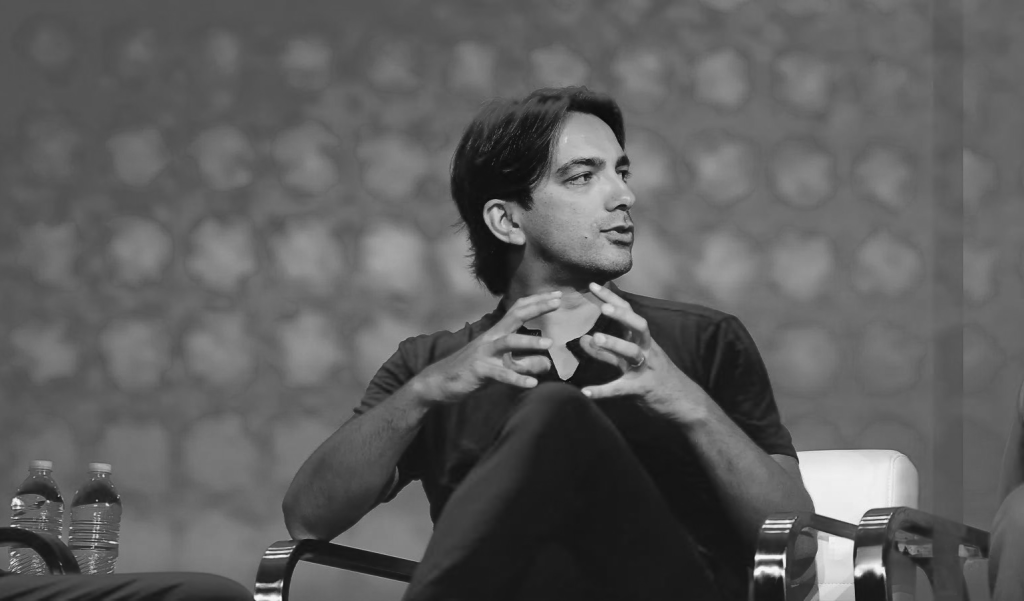
“We needed a platform that could accelerate the awareness of a new name in Western markets in the fastest way possible,” Rafique says.
“We felt the sport, with its 24 venues around the world, was like a ship you jump on. There was just no other media platform that would do that at scale.”
The strategy was simple: travel in the “slipstream” of a heritage brand. By stitching the OKX logo onto the papaya chassis of a team founded in 1963, the exchange borrowed six decades of engineering trust to a market desperately seeking some out.
“We actually were shopping around for deals on the track, and we just wanted the biggest place that we could find,” Rafique explains.
“Coincidentally, McLaren just had a lot of character heritage. So what you bet on is: if they were going to turn around and perform really well, you’re going to see that upside with it.
“I think the bet we’re making is the effect it will have on you as an individual. Watching Formula One as an Australian, or a European – over five years or more. Eventually, when you consider the resilience of fintech companies, we’ve already changed your mind in some ways to think about us and trust.”
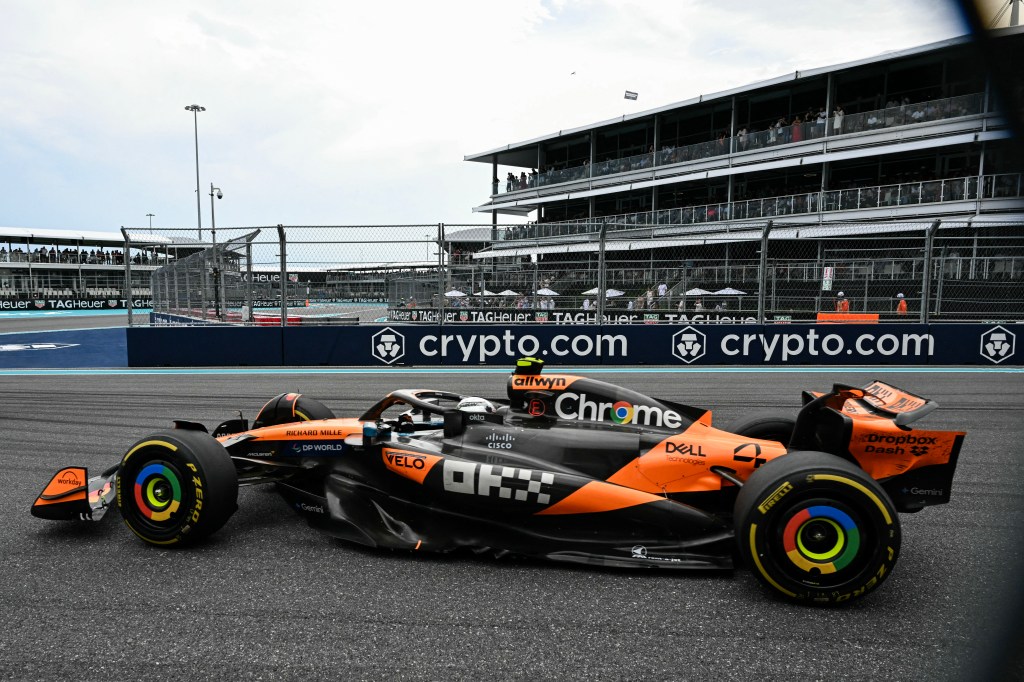
But does a logo on a sidepod actually move markets? The data suggests the return on investment (ROI) is tangible. OKX largely shuns traditional TV ad slots, preferring the “immersion“ of the livery and on-ground activations. The results are stark: during recent race activations, the company saw a 25% conversion rate among attendees opening digital wallets.
The broader picture is even louder. Since launching in Australia in 2024 – coinciding with Oscar Piastri’s second season – OKX reports a staggering 994% growth in wallets globally and a 122% spike in app downloads for that year. By 2025, daily active wallets had doubled year-on-year as the platform surpassed 120 million users worldwide.
How F1 Became a Seller’s Market
- 2017: Liberty Media acquires F1 for US$8bn. Under the ticker FWONA (opening at US$30), the new owners begin pivoting the sport from a European-centric “gentleman’s club” to a global media and entertainment powerhouse, specifically targeting the US market.
- 2019: Netflix releases Drive to Survive, sparking a global demographic shift toward younger, more diverse fans. Simultaneously, the Cost Cap is ratified, ending decades of unchecked spending and transforming teams from “money pits” into scalable, profitable businesses.
- 2020: The Concorde Agreement introduces a US$200m anti-dilution fee for new entrants. This effectively creates a “franchise model” similar to the NFL or NBA, giving every team on the grid an immediate baseline valuation of at least US$200m.
- 2022: Audi announces it will enter F1 in 2026 by acquiring a majority stake in Sauber. The deal signals to the market that a seat on the grid is the ultimate marketing asset for global manufacturers, pushing mid-grid valuations past US$1bn.
- 2023: Alpine sells a 24% stake to a US investment group – including Ryan Reynolds and RedBird Capital – for €200m. The deal values the Enstone-based team at US$900m, proving that even non-podium contenders are now major institutional assets.
- 2025: General Motors officially secures the 11th grid slot for Cadillac. To protect the existing teams’ prize money, the entry fee is reportedly hiked to US$450m, more than doubling the price of admission in just five years.
- 2026: F1 stock (FWONK) trades at US$90+. The average team valuation hits US$3.6bn, with titans like Ferrari and Mercedes now valued at over US$6bn—a 1,000% increase for some teams since the pre-Liberty era.
Why rent, when you can own?
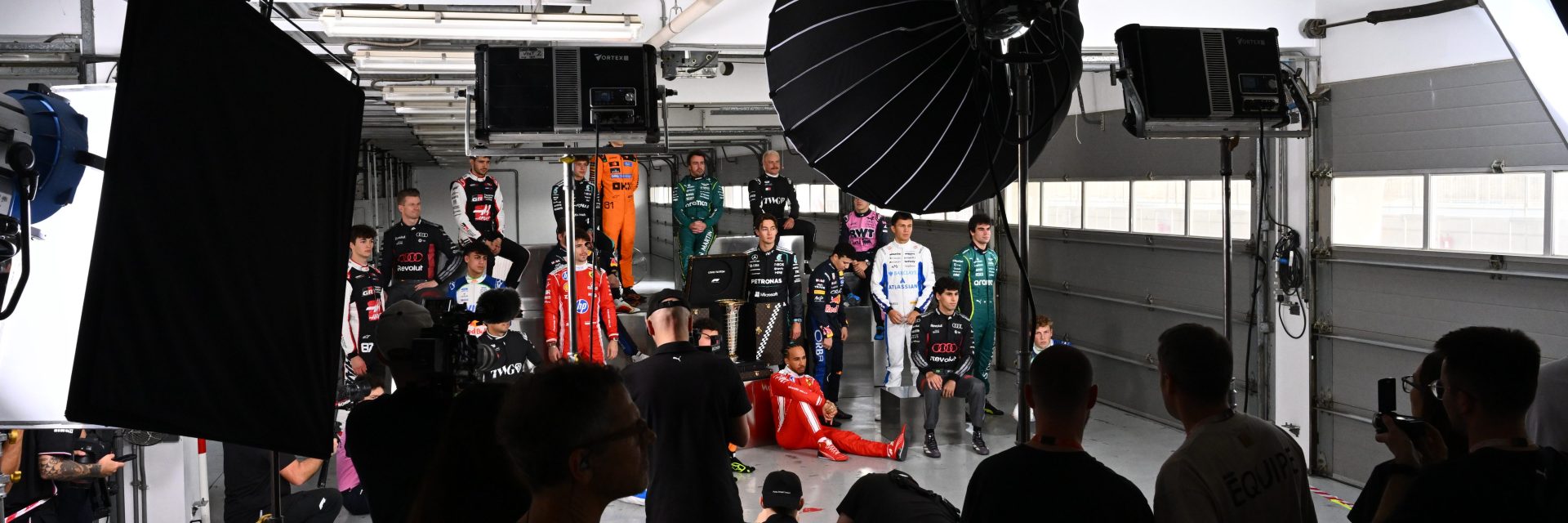
The starting grid hierarchy is usually predictable. Max Verstappen in a Red Bull. Lando Norris and Oscar Piastri in their McLarens ahead of Ferrari’s Lewis Hamilton and Charles Leclerc.
But this year, they are joined by a disruptive new force. Lining up in the midfield are veterans Valtteri Bottas and Sergio Pérez, steering the first machines fielded by the Cadillac Formula 1 Team.
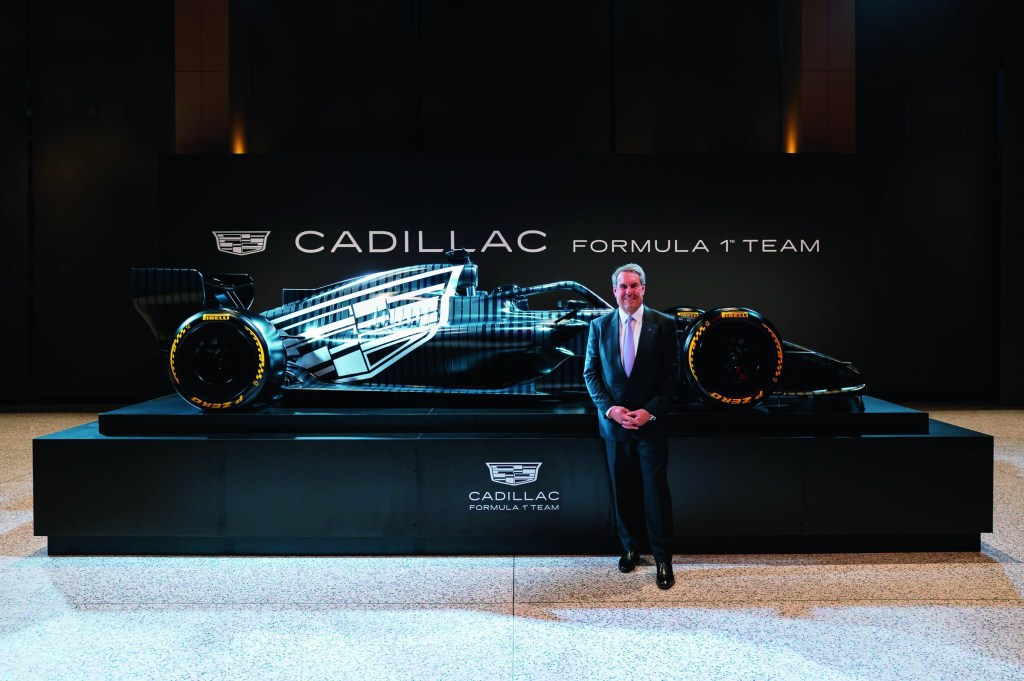
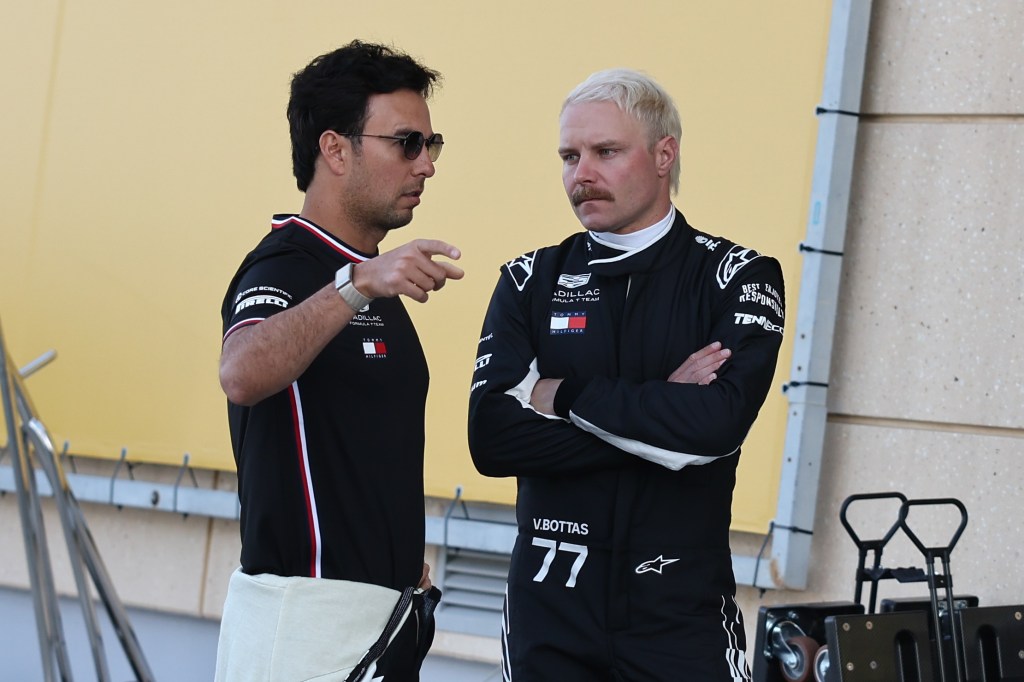
Their presence signals a massive shift in the sport’s economy. While other Fortune 500 companies are content paying millions to rent space on a sidepod, General Motors has arrived as the landlord.
The cost of entry was steep. Forbes understands the dilution fee alone hit US$450 million – a figure GM declines to comment on. But for the American auto giant, the math is simple: in 2026, you don’t rent the billboard. You buy the building.
“Sponsorship can be effective, but we want to own the platform we’re building,” explains Jess Bala, Managing Director of GM Australia & New Zealand.
A sticker on a Red Bull or McLaren might offer brand awareness, but it provides no IP, as far as GM is concerned. By entering as a full “works” team – owning the chassis and eventually the engine – they secure an asset that sits on the balance sheet.
“Because this is a proper ‘works’ entry, GM’s engineering and motorsports ecosystem is deeply integrated into Cadillac F1,” Bala says, noting that everything from aero toolsets to thermal modelling is now shared between the race team and the road car division. “That level of end-to-end performance enablement simply isn’t possible without co-ownership.”
Where the Money Flows
The day-to-day revenue engine of F1 has undergone a rebuild. The cashflow no longer relies solely on TV rights and ticket sales; it is now powered by a “scarcity economy” spanning three pillars.
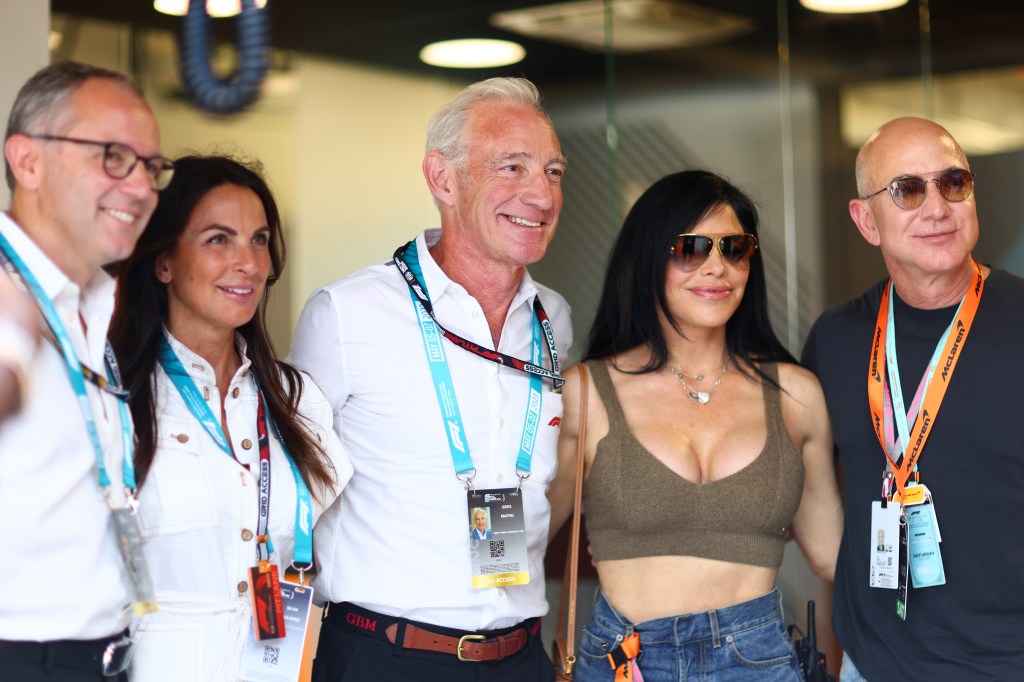
Sponsorships
The most visible shift is in the scale of the money itself. According to Forbes, the average F1 team now generates nearly US$430 million in annual revenue – a figure that has tripled since the Liberty Media takeover.
But the type of deal has changed.
The era of “cash for stickers” has been replaced by massive, integrated partnerships. Mastercard, for example, has joined McLaren in a title sponsorship deal reportedly worth US$100 million annually.
Even apparel deals are hitting major league numbers, with Adidas signing a multi-year pact with Mercedes worth an estimated $30 million per year. As part of Red Bull’s deal with Oracle, the software giant filled out ICC Sydney last year for a chat with then-team principal Christian Horner before showcasing its latest AI offering.
This dual economy is anchored at the top end by the luxury pivot.
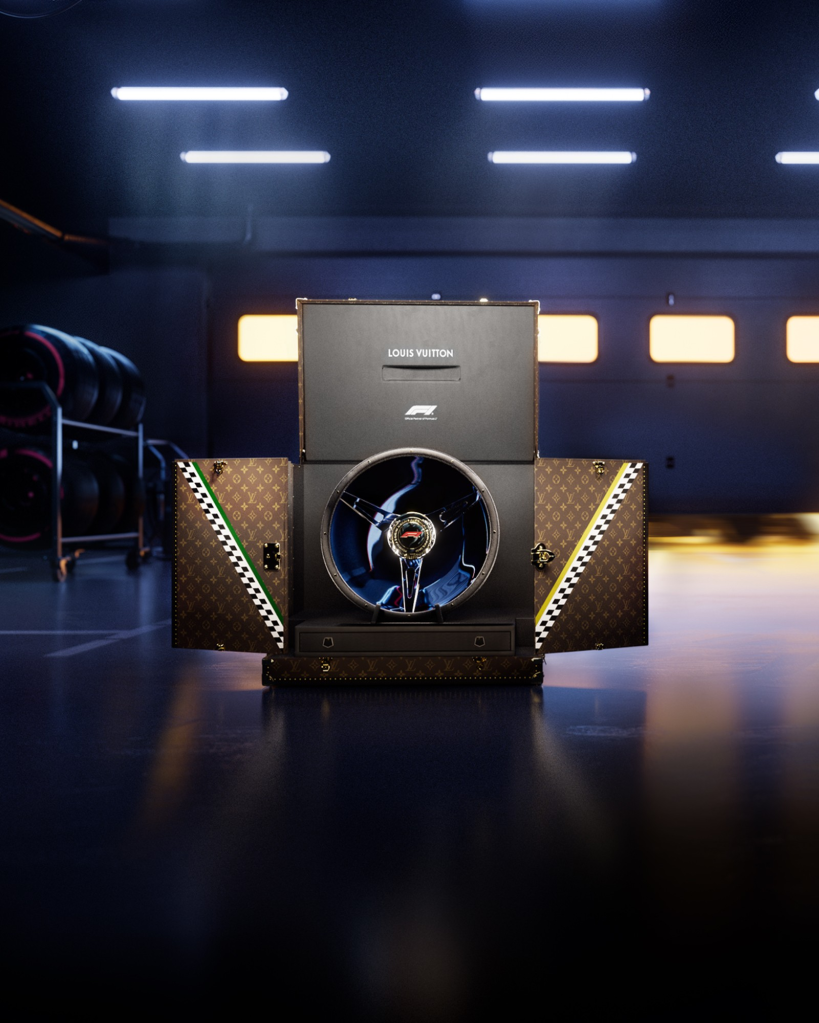
This dual economy is anchored at the top end by a definitive luxury pivot. The arrival of LVMH in a ten-year global partnership worth an estimated US$1.5 billion has cemented the sport’s status as a premier lifestyle asset, marking the end of the “utilitarian” sponsorship era.
While Louis Vuitton provides the bespoke trophy trunks, the LVMH takeover is a multi-front assault on the senses: TAG Heuer has reclaimed its mantle as the Official Timekeeper from Rolex, Moët & Chandon has returned to the podium as the official champagne, and Belvedere has joined the fleet as the sport’s first-ever official vodka partner.
The Media Rights War
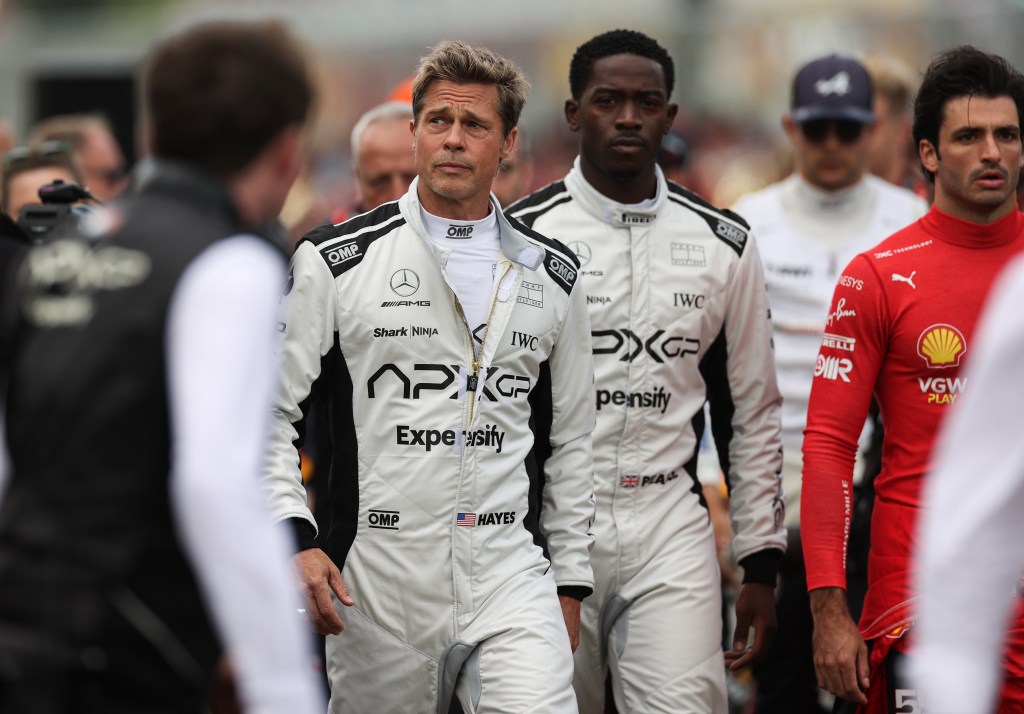
For decades, broadcast rights were sold to the highest linear bidder. Now, tech giants are fighting for the stream. In a move that reshaped the US landscape, F1 rights have migrated from Disney (ESPN) to Apple TV starting this season. Forbes understands the five-year deal is reportedly worth US$140 million per year – a massive uplift from the previous US$85 million agreement.
The ecosystem is already delivering: reports from early 2025 peg Apple TV+ subscribers at over 45 million, while its Hollywood gamble paid off with the Brad Pitt-led F1 movie grossing $630 million globally. Locally, the rights here are held by the Foxtel Group (Kayo/Foxtel). They signed a massive multi-year extension that makes them the exclusive home of F1 in Australia.
The Hosting Bids
The final pillar is perhaps the most lucrative, with cities paying hundreds of millions for the privilege of a four-day global infomercial. Forbes understands new entrants like Saudi Arabia’s Jeddah circuit have reset the market rate, reportedly committing US$55 million annually – more than double the fee of many European tracks.
Governments are willing to pay this premium because the economic return is calculated in the billions. The Victorian Government’s decision to lock in the Australian Grand Prix until 2035 was underpinned by an Ernst & Young (EY) report estimating the event contributes $268 million annually to the state economy. Over the life of the deal, that projects to a $2.6 billion windfall.
With the calendar currently capped at 24 races, supply is fixed while demand from aspiring hosts such as South Korea and Rwanda continues to rise.
Bye Bye Boys Club
Few people have had a clearer view of Formula 1’s audience shift than Susie Wolff. She has lived the paddock as a driver, run a Formula E team, and now oversees one of Formula 1’s fastest-growing commercial assets as managing director of F1 Academy – a female-only racing championship.
Launched in 2023, F1 Academy was designed to do more than develop drivers. Backed directly by Formula 1, it races on Grand Prix weekends and carries mandatory support from all 10 F1 teams.
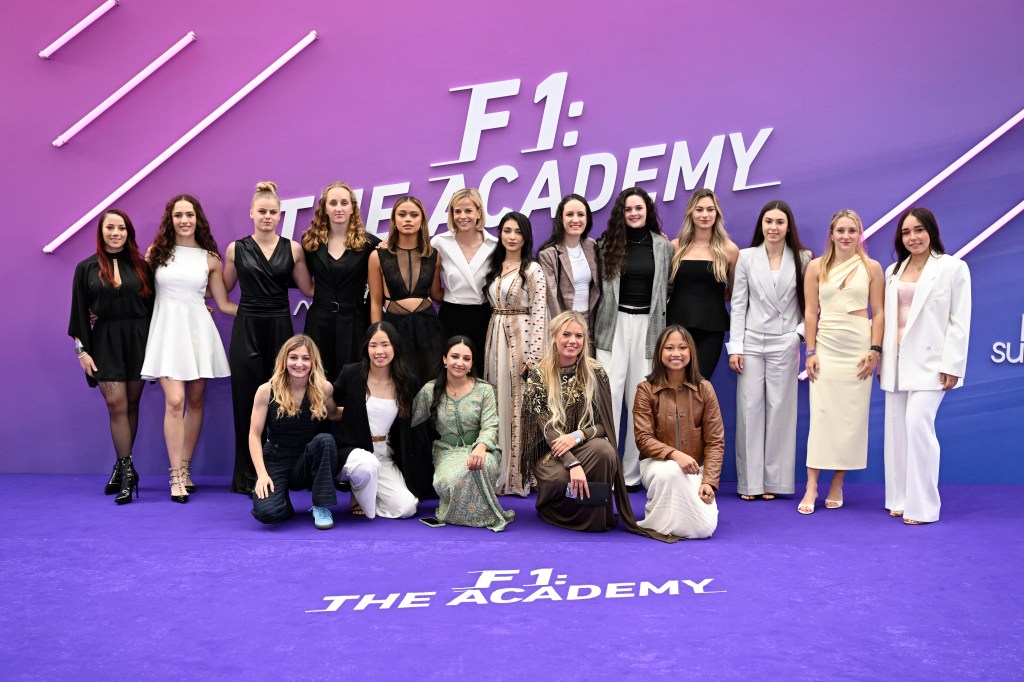
Nielsen figures show the F1 Academy fanbase grew 31% year-on-year, outpacing the WNBA and the Women’s Super League. Asked whether the business of Formula 1 today is even recognisable compared to a decade ago, Wolff points first to that audience shift.
“The sport has grown massively in popularity and has become even culturally relevant, not even just as a sporting event,” she says. “And now to see that the global fan base is 42% female, with the fastest growing fan demographic being the 18- to 24-year-old female, shows you that it’s become a sport that isn’t just loved anymore by men.
“Historically, the stereotype was a very male dominated environment, racing cars being for men. I think it’s a remarkable shift.
“I’ll never forget it when I landed in Miami for the first Miami Grand Prix. It was just after the pandemic shutdown. When I arrived at the airport, we just couldn’t believe the amount of female fans. Then going into the track, we saw this surge of young female fans. That’s really where we felt the flip of the switch.”
The demographic change has reshaped the commercial landscape. In 2024, Charlotte Tilbury became the first female-founded beauty brand to sponsor an F1 Academy car. Since then, partners including American Express, TAG Heuer, Puma, Lego and Gatorade have joined the series, brands rarely seen anywhere near junior motorsport a decade ago.
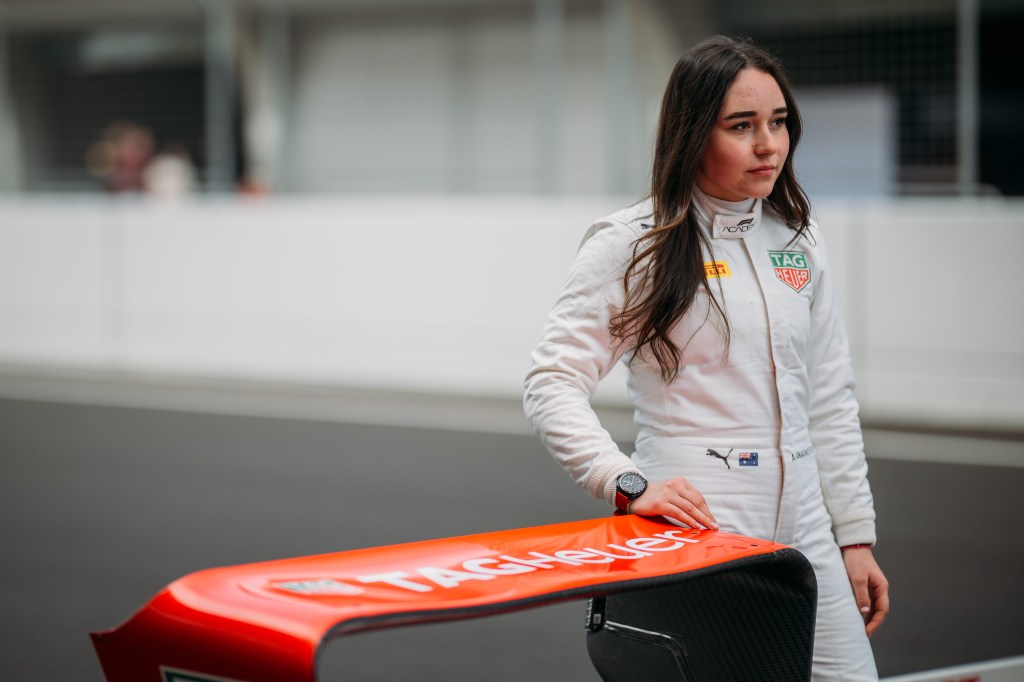
Wolff sees those deals as evidence of a market the paddock once ignored.
“We helped drive that awareness. We opened up a segment within the sport that maybe people didn’t realise existed. F1 Academy was initially supposed to just be a series that raced on its own and supported young female talent. But we’re also massively challenging stereotypes, that this is a male dominated environment. There is space and opportunity for women on track and off track, and also the opportunity to speak to that growing female fan base.
“Unlike other leagues where the female leagues are left to build up on their own and don’t get the full support, we’ve always had the full support of Formula One. That’s one of the reasons why commercially we’ve been able to make such ground so quickly.”
The F1 Powerbrokers
Stefano Domenicali
President & CEO, Formula 1
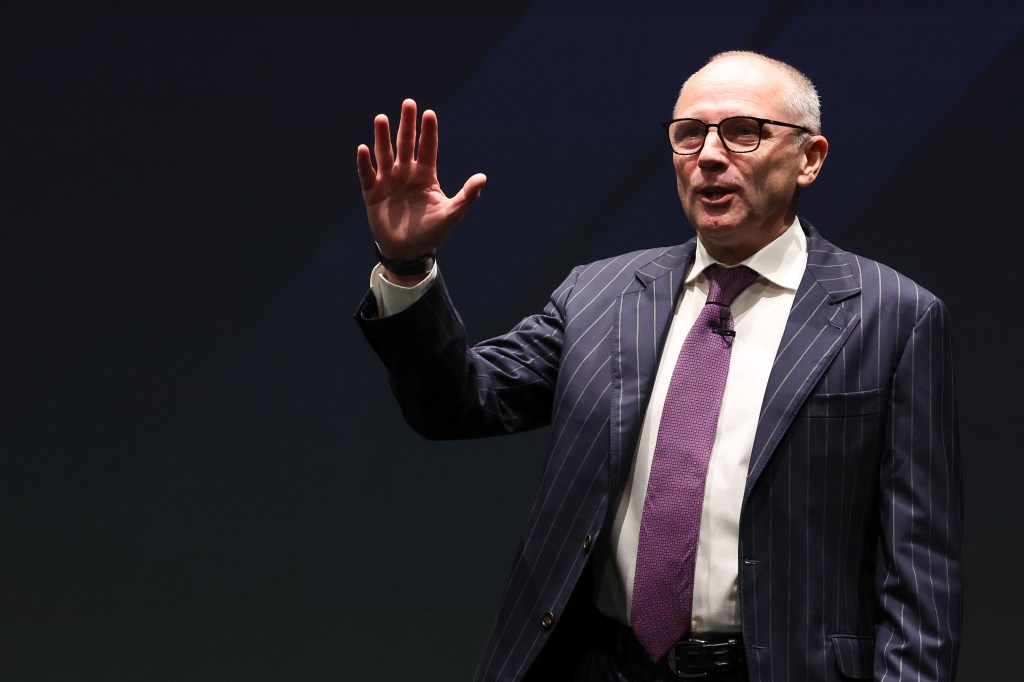
Appointed in 2021, the former Ferrari Team Principal manages the commercial rights of the sport on behalf of Liberty Media. Under his tenure, the calendar has expanded to include the Miami and Las Vegas Grand Prix, driving revenue to record highs. He recently secured a contract extension, ensuring he oversees the implementation of the 2026 Concorde Agreement.
Mohammed Ben Sulayem
President, FIA
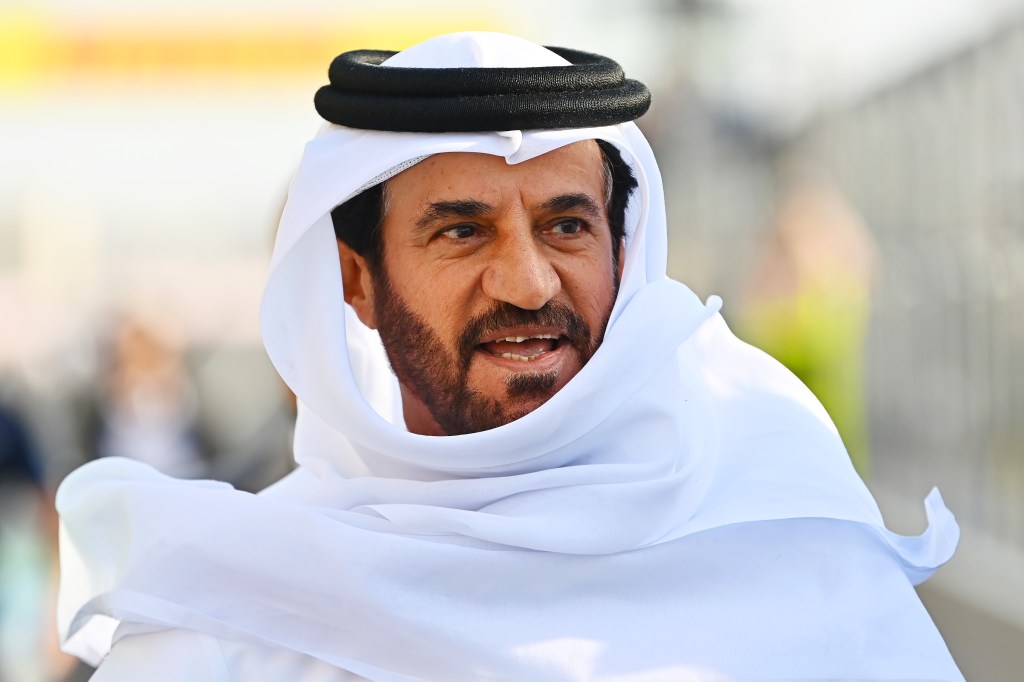
Re-elected in December 2025, Ben Sulayem heads the Fédération Internationale de l’Automobile, the sport’s governing body. He holds ultimate jurisdiction over the rulebook, race officiating, and the approval of new entrants – most notably presiding over the technical approval of the Cadillac/General Motors bid.
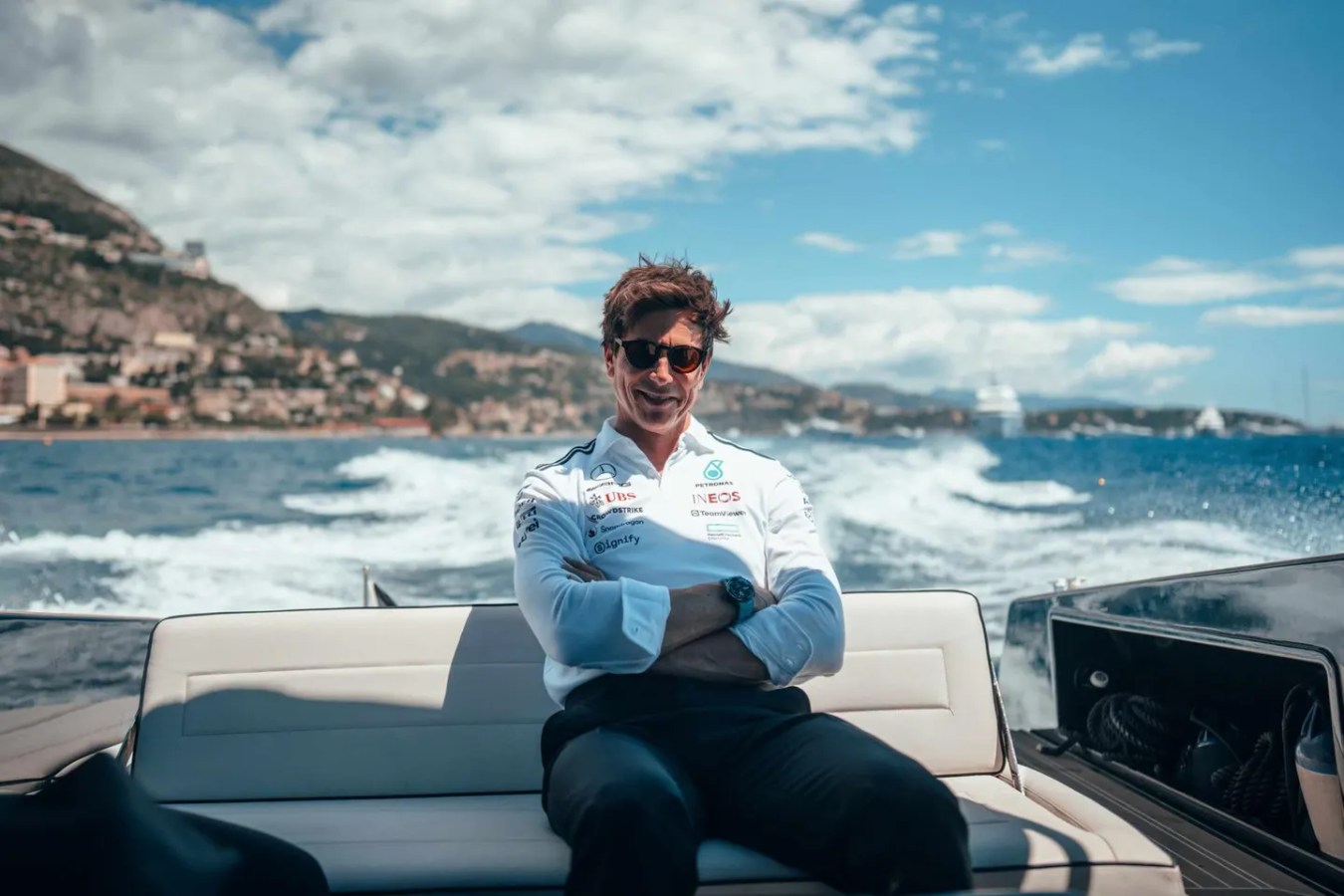
Toto Wolff
Team Principal & CEO, Mercedes-AMG Petronas F1 Team
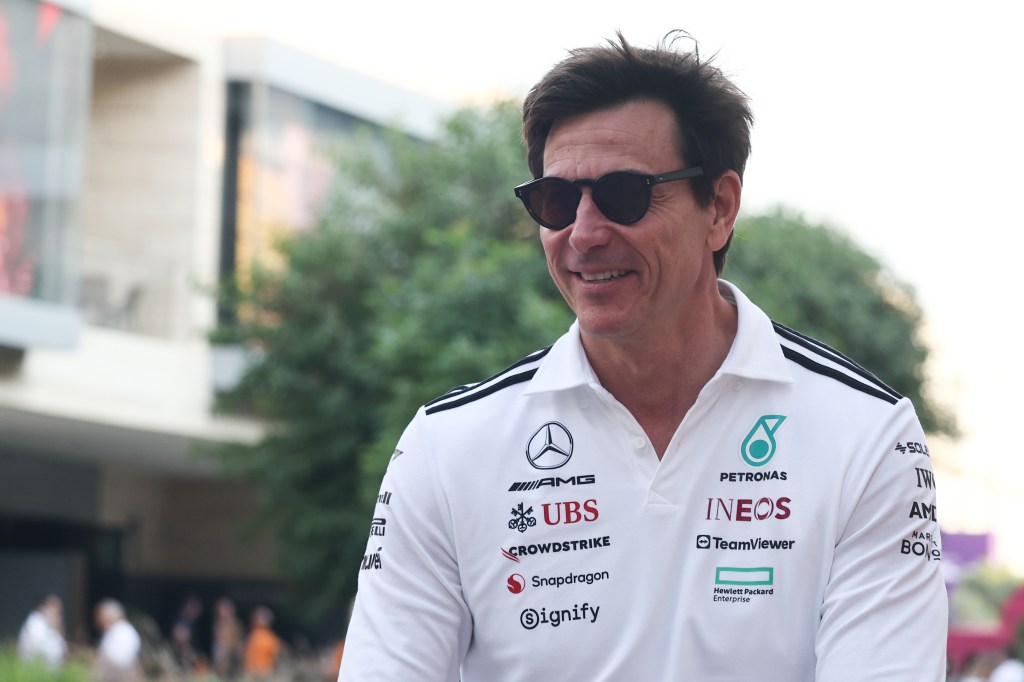
Wolff is unique among team principals for his equity position; he owns a 33% stake in the Mercedes F1 franchise (alongside INEOS and Mercedes-Benz). A former investment banker,
his personal net worth is estimated by Forbes at US$2.5 billion, making him one of the wealthiest figures in the paddock.
Susie Wolff
Managing Director, F1 Academy
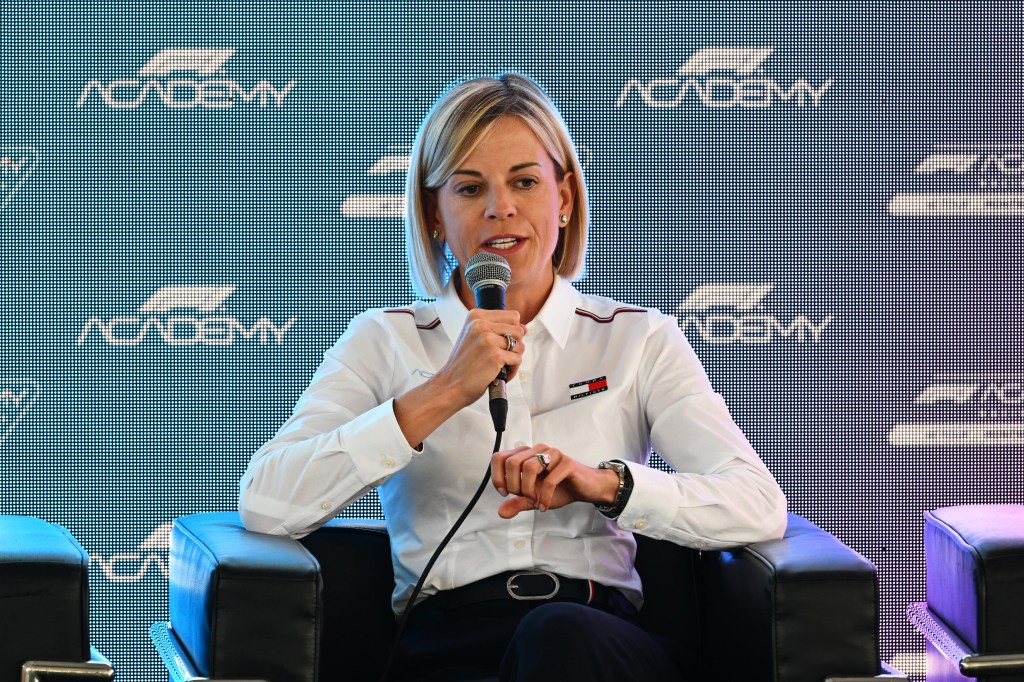
Appointed in 2023 to lead the all-female racing series, Wolff oversees a unique business model in which all 10 Formula 1 teams are mandated to support a driver and a vehicle livery.
She has secured landmark commercial partnerships with brands including American Express, Charlotte Tilbury, and Puma to fund the series’ global expansion.
Bernie Ecclestone
Chairman Emeritus
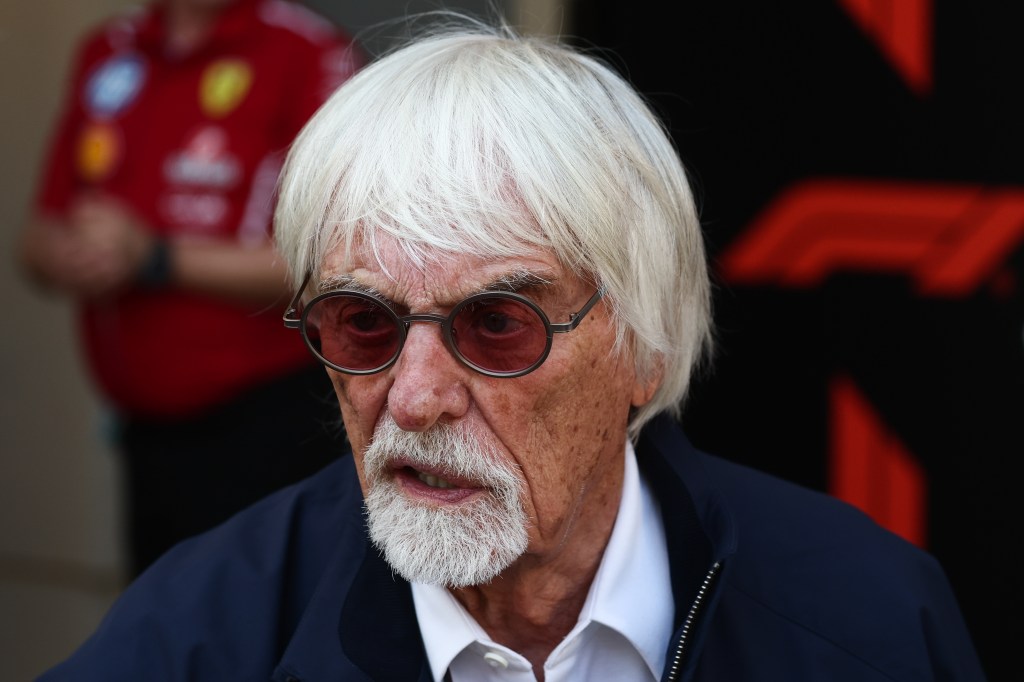
Though he sold the sport to Liberty Media in 2017, the 95-year-old remains a significant figure in Formula 1 history. Ecclestone is credited with creating the modern commercial structure
of the sport, bundling TV rights to generate the multi-billion dollar revenues seen today. These days, he holds no operational role but retains deep networks across the paddock.
Lawrence Stroll
Executive Chairman, Aston Martin
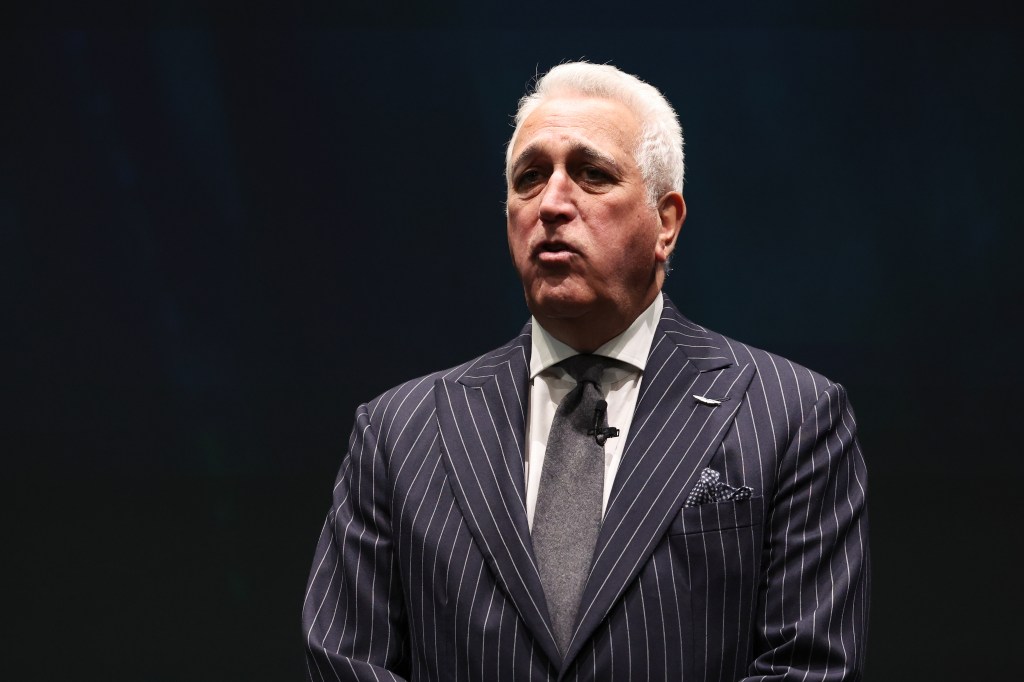
The Canadian billionaire built his fortune by backing and scaling global consumer brands. Through his Yew Tree Investments vehicle, Stroll led the consortium that purchased the assets of the insolvent Force India team for £90 million in 2018. Rebranded first as Racing Point and then Aston Martin, he has invested in infrastructure to transform a distress purchase into a franchise valued by Forbes at US$3.2 billion.
Adrian Newey
Managing Technical Partner, Aston Martin
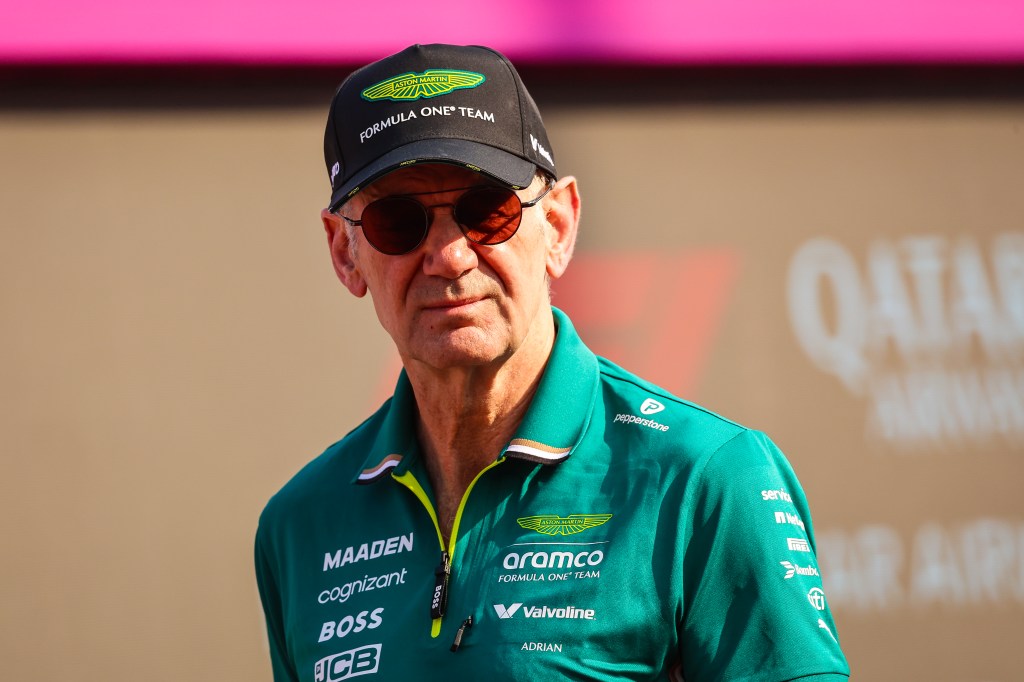
The only man in the paddock who gets paid like a superstar driver to stand on the pit wall. Now at Aston Martin with a reported salary of US$30 million per year (and an equity stake in the team), his contract rivals the top drivers on the grid.
F1’s Highest-Paid Drivers (2025)
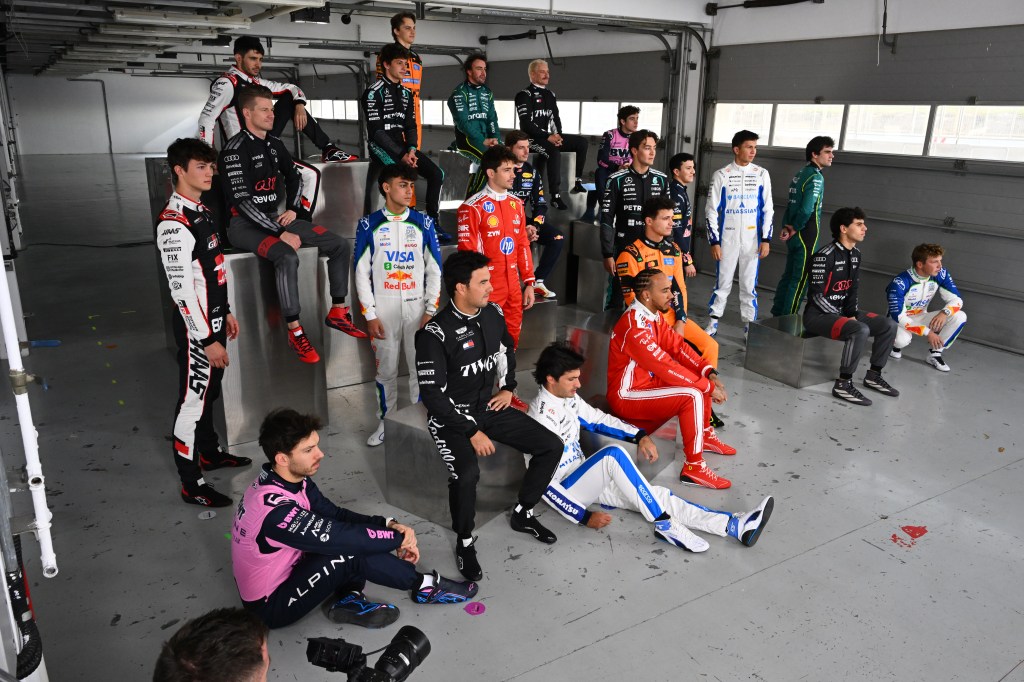
- Max Verstappen
Red Bull Racing
US$76m
Salary US$65m
Bonuses US$11m - Lewis Hamilton
Ferrari
US$70.5m
Salary US$70m
Bonuses US$0.5m - Lando Norris
McLaren
US$57.5m
Salary US$18m
Bonuses US$39.5m - Oscar Piastri
McLaren
US$37.5m
Salary US$10m
Bonuses US$27.5m - Charles Leclerc
Ferrari
US$30m
Salary US$30m
Bonuses US$0 - Fernando Alonso
Aston Martin
US$26.5m
Salary US$24m
Bonuses US$2.5m - George Russell
Mercedes
US$26m
Salary US$15m
Bonuses US$11m - Lance Stroll
Aston Martin
US$13.5m
Salary US$12m
Bonuses US$1.5m - Carlos Sainz
Williams
US$13m
Salary US$10m
Bonuses US$3m - Kimi Antonelli
Mercedes
US$12.5m
Salary US$5m
Bonuses US$7.5m
Source: Forbes SportsMoney
F1 Down Under
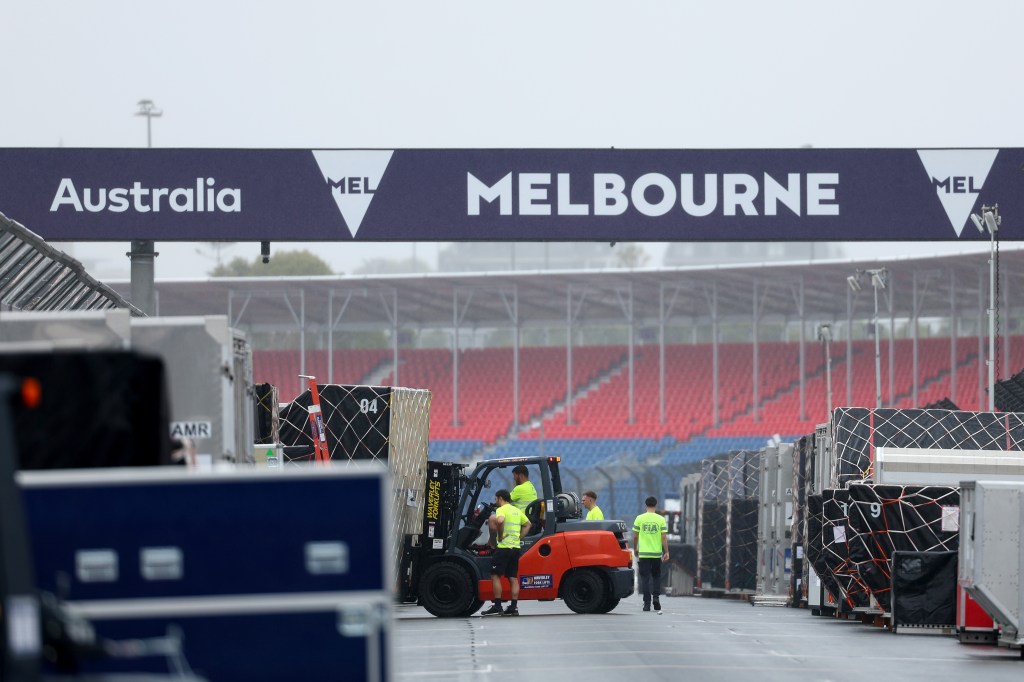
While the sport’s financial centre of gravity has been shifting toward the US of late, with races now in Austin, Miami and Las Vegas, it’s Australia’s Melbourne street-circuit that gets to kick the year off.
The story of F1 Down Under began on the streets of Adelaide in 1985 before the Victorian Government swooped in and took over in 1996. And for decades, Australian drivers have punched above their weight, from the pioneering engineering of Jack Brabham and the championship dominance of Alan Jones to the endurance of Mark Webber and the commercial charisma of Daniel Ricciardo, who became the breakout star in Netflix’s Drive to Survive.
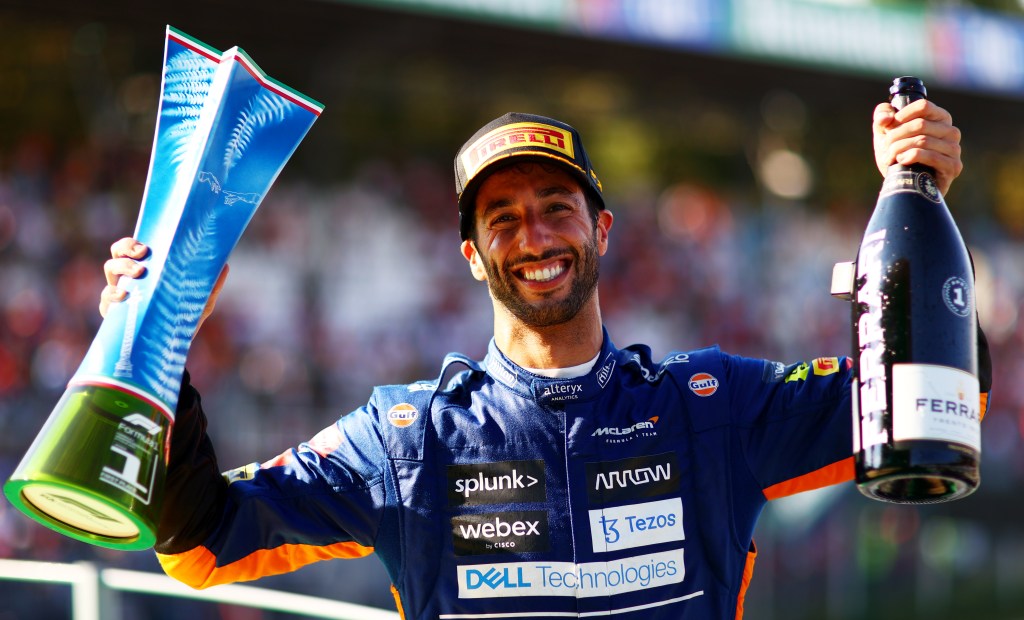
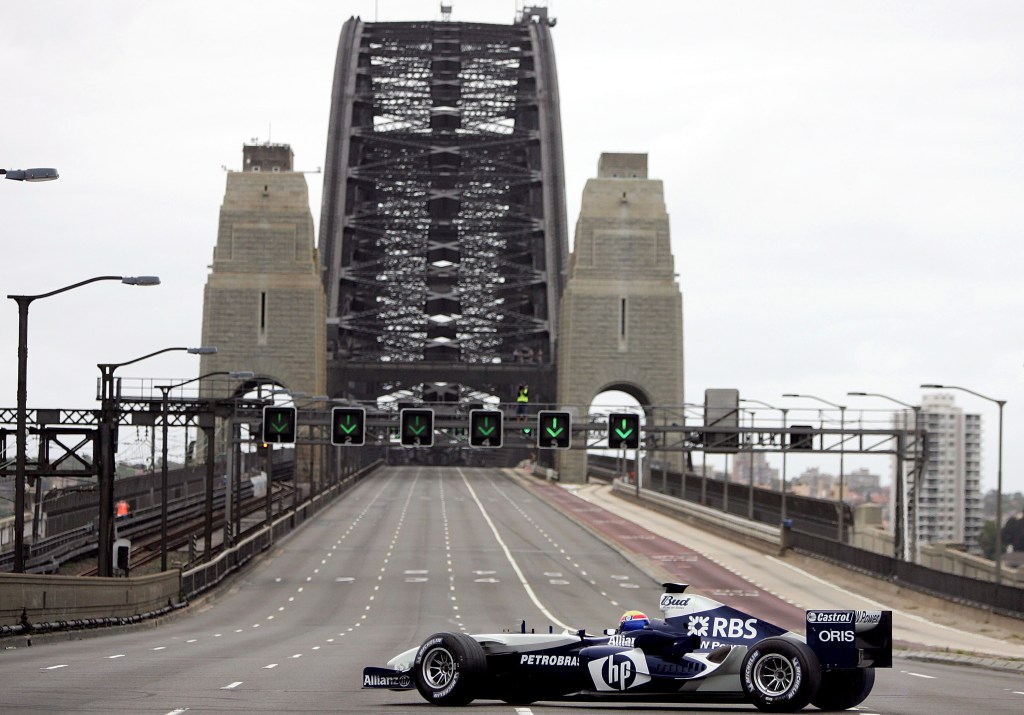
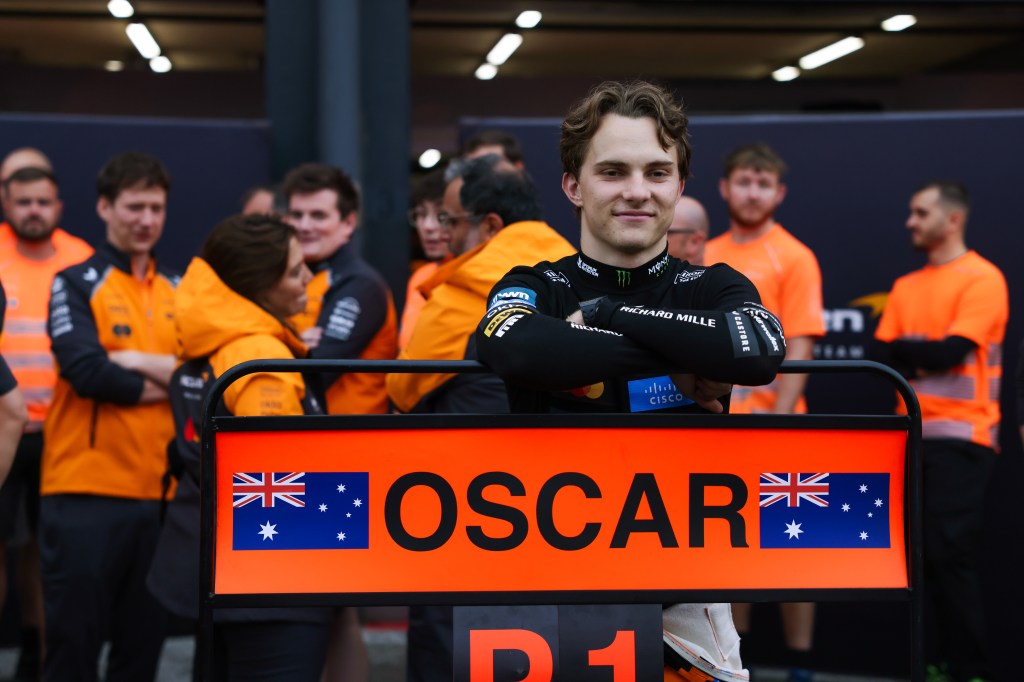
But at the centre of that lineage now sits Forbes Australia 30 Under 30 star, Oscar Piastri.
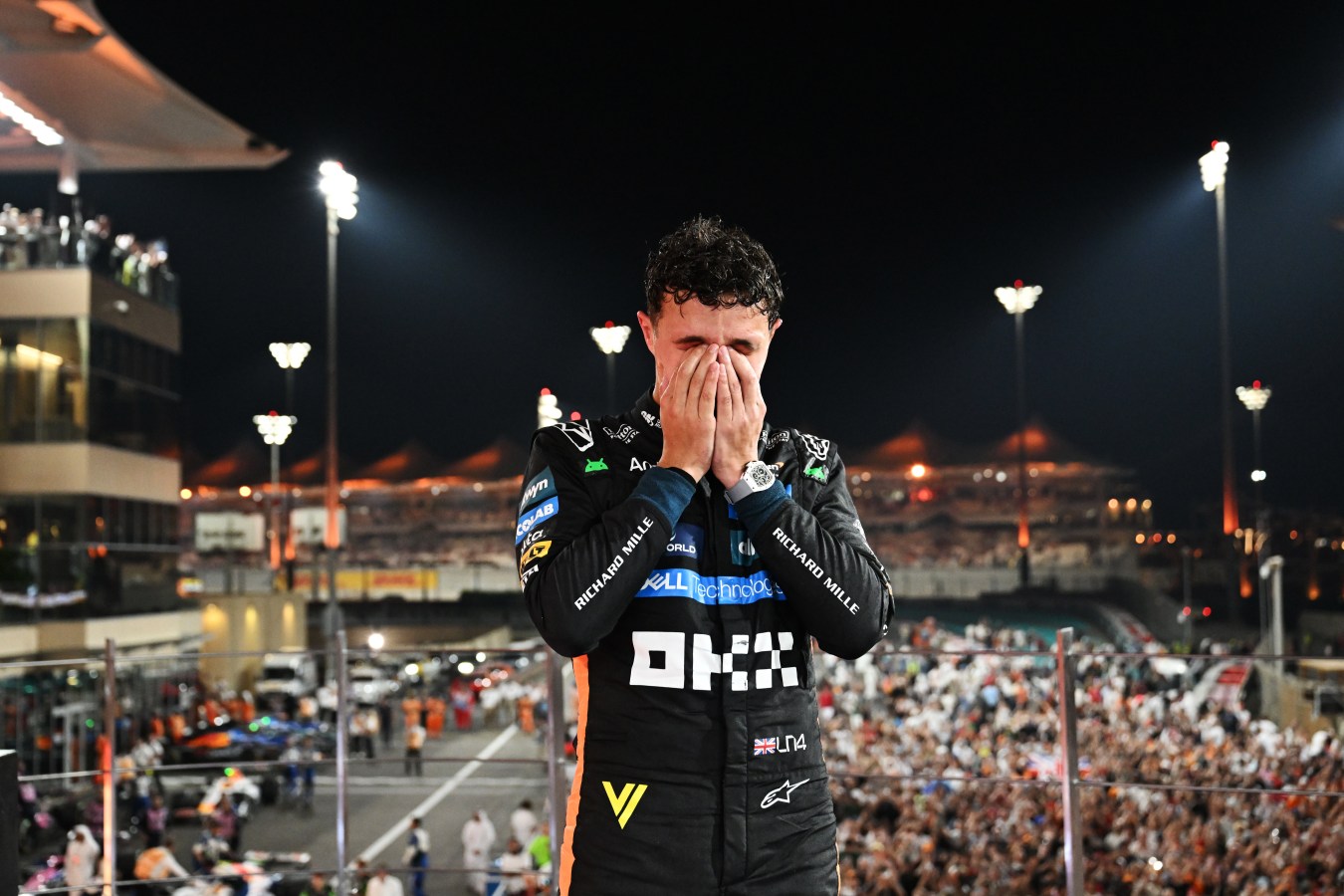
Having recently overtaken Ricciardo’s win tally and now sitting level with Webber on nine Grand Prix victories, Piastri is on a trajectory to become our most successful export ever. But his success isn’t just measured in trophies – it’s measured in equity.
Off the track, the Melbourne-born racer has become a commercial powerhouse. Forbes estimates his 2025 earnings at US$37.5 million (including bonuses), fuelled by a portfolio of personal partnerships that blend luxury with local tech. He wears a Richard Mille on his wrist and headlines campaigns for Melbourne-born tech unicorn Quad Lock and national burger chain Grill’d, proving that the “Piastri Brand” can sell everything from six-figure tour billons to healthy burgers.
Yet, while Piastri drives the car, the event drives the economy. Managing this asset is Travis Auld, CEO of the Australian Grand Prix Corporation. Auld, who took the helm in 2023, has aggressively reorganised the Albert Park circuit into what he calls a “festival in the park”.
“We want to bring the best of Melbourne into Albert Park, and take the best of Albert Park into Melbourne,” Auld said last year.
Want to see more Forbes articles on your feed? Tap here to make Forbes Australia a preferred source on Google.
Look back on the week that was with hand-picked articles from Australia and around the world. Sign up to the Forbes Australia newsletter here or become a member here.