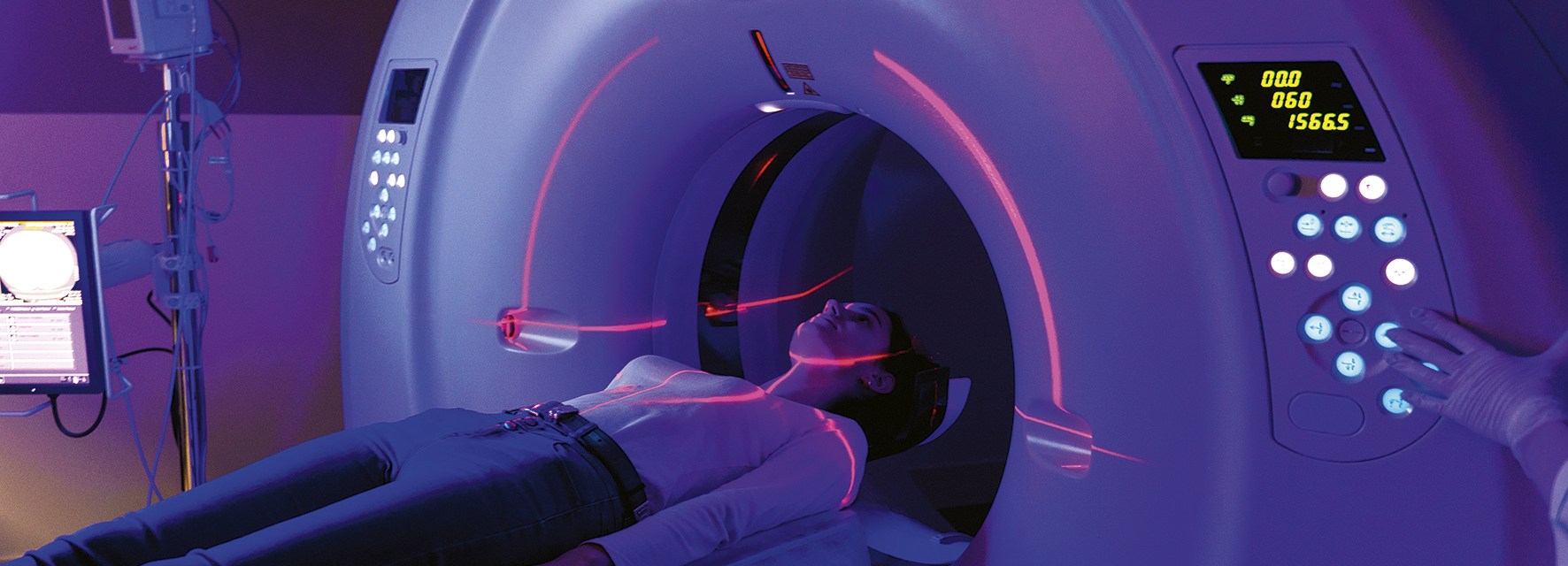

Saved from deportation as a teenager, Gopi Sara is teaming up with two unicorn founders to scale whole-body MRI scans for the curious well.
This story features in Issue 21 of Forbes Australia. Tap here to secure your copy.
The case had been to the High Court, and they’d lost. The deportation notice followed.
Gopi Sara, then 18, with his mother and 19-year-old sister, Gaya, had 30 days to leave the country.
Without passports, the Sara family faced being sent to war-torn Sri Lanka, a place Gopi and his sister had never lived.
But the then Prime Minister, John Howard, inadvertently saved the ethnic Tamil family by calling the 2007 federal election. The government went into caretaker mode and suspended deportations.
Gopi had heard that having an in-demand job might save them. He’d just been accepted into engineering at the University of Queensland. His sister was already a first-year medical student.
The way Gopi tells it, when Labor swept to power in the Kevin ’07 landslide, “the new government looked at our case and said, ‘Hey, these kids are going to become engineers and doctors. It makes no sense to keep them out.’”
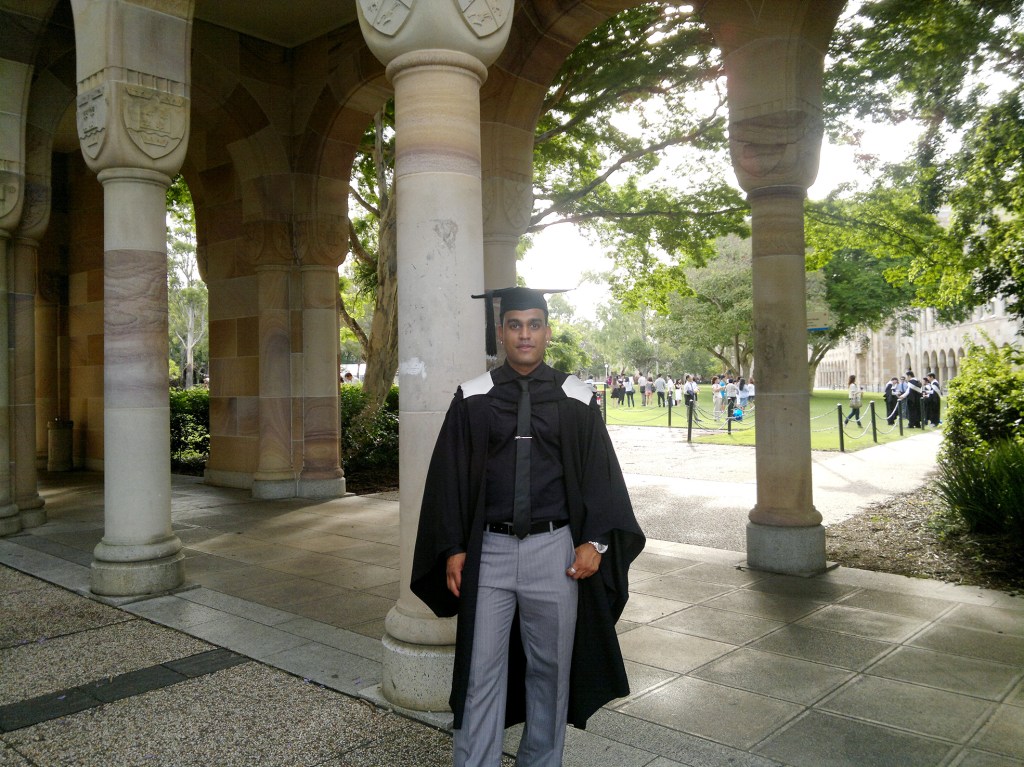
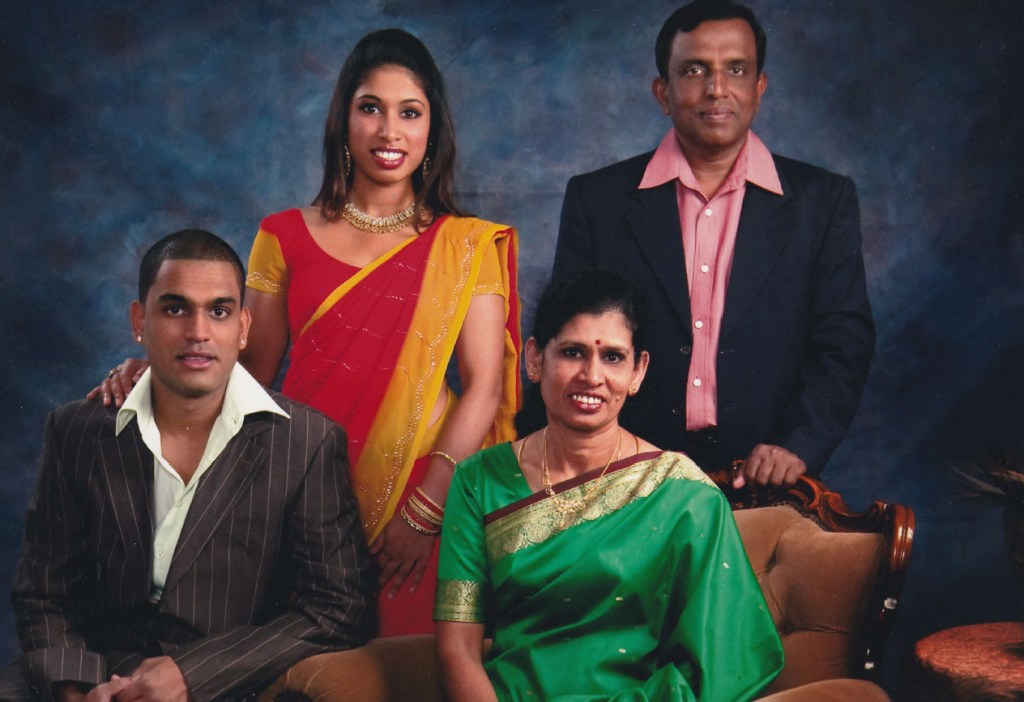
Gopi never ended up working as an engineer, nor did Gaya as a doctor. Despite this, 18 years later, they have justified the faith of those authorities. Gaya graduated in pharmacy, and Gopi in engineering.
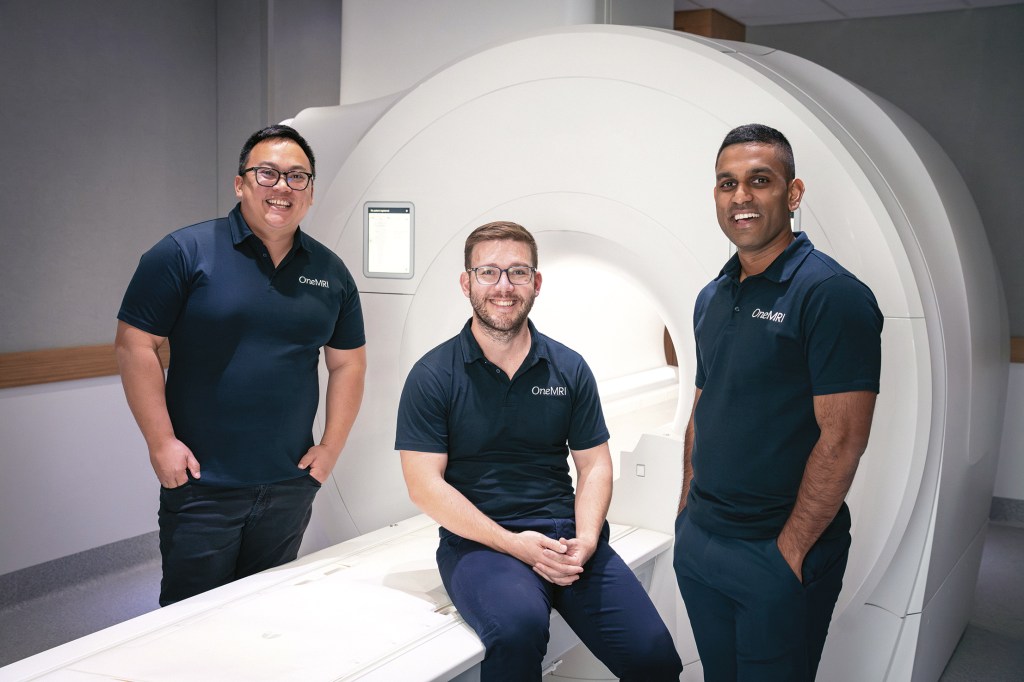
After a successful career as a consultant and angel investor with some 30 start-ups in his portfolio, Gopi now finds himself teamed up with the unicorn founders of edtech platform Go1 to engineer a preventative-health business they’re calling the “Uber for radiology”, aiming to disrupt the world of medical imaging.
Gaya was employee number one.
Transformer
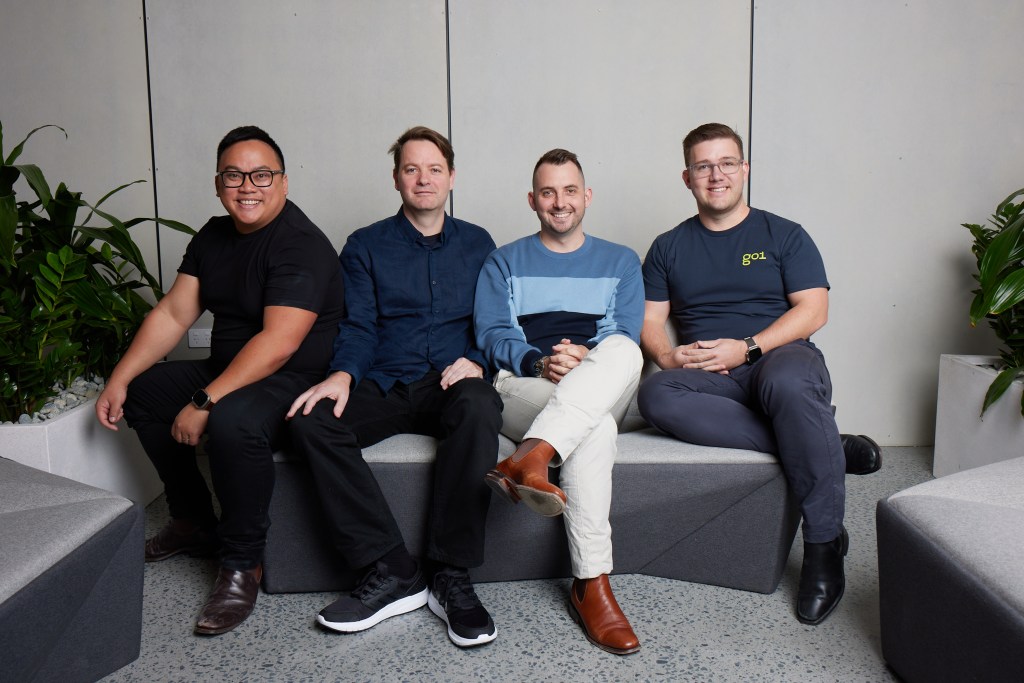
Vu Tran never let go of the fact that he was a doctor. Even as Go1, the edtech start-up he founded with three school friends while at university, went through a $3 billion valuation, he held on to that son-of-refugees doctor thing.
He kept doing one-day-a-week GP shifts at a clinic in Logan in Brisbane’s south, one of the city’s poorer neighbourhoods.
It was right around the time they got that billion-dollar valuation that he went to CEO Andrew Barnes.
“Vu has this habit of turning up with ideas,” Barnes says. “When Vu and I were in high school, he turned up with a business plan and said, ‘Instead of stacking shelves at Coles, we should run our own business.’ … It was probably four years ago he turned up and said, ‘I want to buy an MRI machine, a CT, a PET scan and all this sort of stuff’.”
Barnes agreed before he realised how much all that gear cost. But that’s how the two of them came to own a radiology side hustle … just in time for Kim Kardashian to post on Instagram that she’d done a whole-body MRI. It is, apparently, a thing.
Rich people get into the great humming doughnut for an hour to generate the most accurate picture possible of their insides to find out if they’ve got any nasties lurking within.
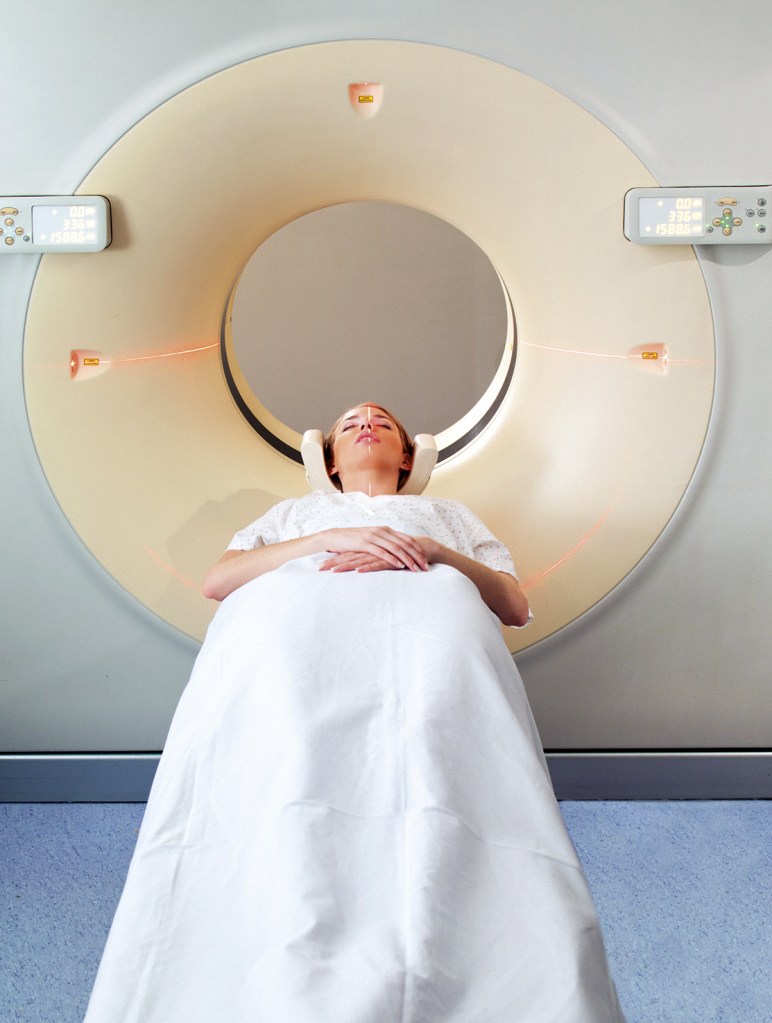
Standard medicine tends not to look for such things in the absence of symptoms.
In the US, whole-body MRI is common among the longevity set. In Australia, it barely exists, says Barnes.
“It was one of our early Go1 investors who said to us, ‘I was at a dinner in Silicon Valley with 12 people and every single one of them had a full-body MRI. I’ve never had one.’ The obvious question was: why don’t we do them here?
“As founders in tech companies, we’re trying to skate where the puck is going.”
Thanks to Kardashian, the puck came in their direction, and they suddenly had a waiting list at their little one-machine imaging company. But how do you scale such a beast, where a single machine costs $3 million?
That’s when Tran texted his friend Gopi Sara.
Citizen Sara
Gopi had been born in Saudi Arabia to Sri Lankan Tamil parents. The family came to Australia when his father, a telephone technician, got a job with the upstart telco One.Tel in 1999. When One.Tel collapsed in 2001, taking large chunks of wealth from the Packer and Murdoch families and mum-and-dad investors, it also cost the Saras dearly. Their father couldn’t find another job and so took one in Singapore, leaving the family in Australia, thinking the move was temporary.
The family suddenly found itself in a migration labyrinth, with a dose of bad legal advice. The father couldn’t come back. As Tamils, they feared going back to war-torn Sri Lanka, which was then entering a bloody military endgame as the government attempted to finish off the Tamil rebels.
“Every time I went to a tribunal, there was a ceasefire,” recalls Gopi. “Whoever was managing the tribunal would be like, ‘Hey, it’s peaceful now. You guys can go back.’ Then the war would spark up again, with the Sri Lankan government always insisting there was nothing to see here.”
The Saras remained in bridging-visa limbo for eight years, unable to get Medicare or jobs.
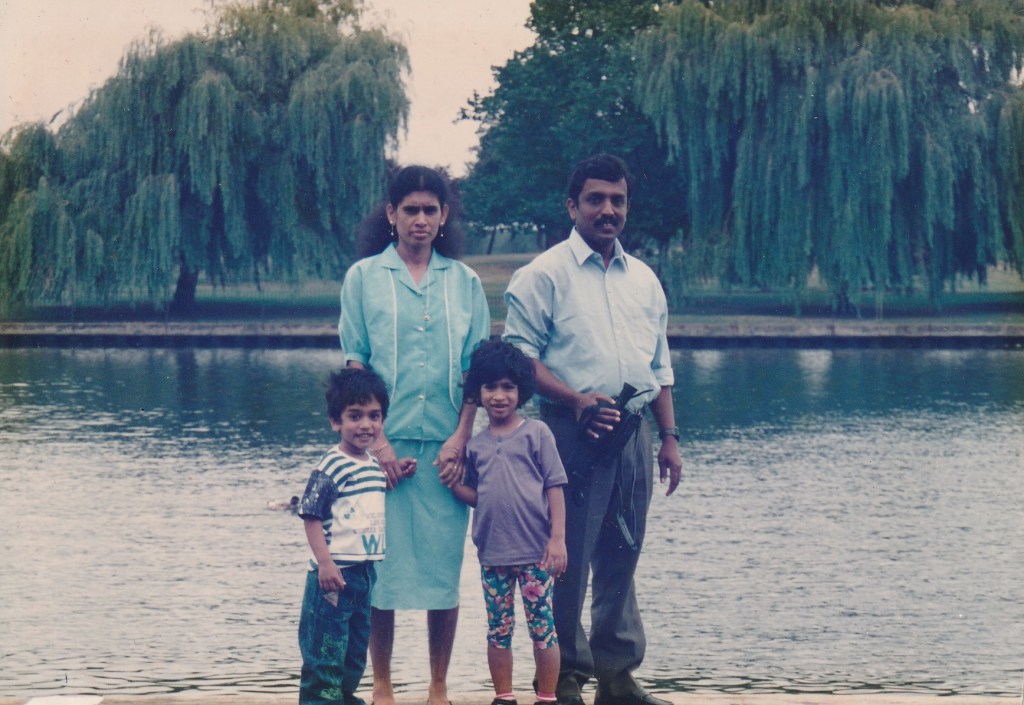
“Mum never spoke any English, so from a young age my sister and I pretty much had to step up and do everything,” says Gopi.
It got to the point where if the government didn’t force them out, poverty would. The Saras spent every spare dollar on lawyers.
“When we were studying at university, we had to pay international fees because we weren’t Australian, so Mum and Dad were paying $20,000 per kid, per year, just on fees. They got to a spot where we couldn’t afford to be in Australia anymore.”
Exit and entry
After his Rudd reprieve, Gopi finished uni and went into consulting, winding up at McKinsey in the US, even opening an office for them in the now peaceful Sri Lanka.
He watched his Silicon Valley colleagues leave to begin their own start-ups.
“I would take my bonus every year and invest in a few of these companies.”
He also started bringing the software he’d invested in to Australia. One of his angel investments, OfferFit, was bought by Braze for US$325 million in 2024.
At 35, he had time and money and needed a rest. He joined a flash golf club and hired a coach.
“I was literally chatting with a friend about what I was going to do next when Vu pinged me, and he said, ‘We’ve got to take this whole-body MRI to the next level – are you ready to be CEO?’ And I responded, ‘Yes. Always ready.’ But in the back of my mind, I thought, ‘Oh man, I’m so tired.’”
Gopi had become friends with the Go1 team after being connected by investor Steve Baxter through common links with his TEN13 fund.
Tran came over to Sara’s place the next night, after finishing his weekly GP shift. They pulled out their laptops and shot the breeze.
OneMRI
“I learned so much that night, over four hours,” says Gopi. “Both of us were just building out the Excel model, throwing around ideas, looking at the business building. I thought, ‘If I don’t do this, I will regret it for the rest of my life.’”
So why did Tran call Gopi Sara?
“Life is too short to work with people you don’t want to work with on a problem that you don’t think is big enough,” says Tran. “The opportunity to work with someone you genuinely love, on a problem you think is huge and game-changing on all levels, would be the only thing to get the three of us out of bed.”
Barnes stepped down as Go1 CEO last year.
“We hit $250 million in annual recurring revenue,” says Barnes. “That was 10 years of running the business. Go1’s on track to list in the coming years. And whilst I’d be happy to be a public-company CEO, I was very happy to twist the arm of one of the other co-founders to hop into the hot seat.”
” We’re catering for the ‘curious well’ who want to live as long and well as they can. They’re the ones who want to be running marathons in their 70s.”
Tran had already stepped back from the day-to-day at Go1. He’d also just co-founded missile company Black Sky. He worries about big neighbours.
The idea was that they’d scale MRIs not by buying a lot of machines, but by using excess capacity in the existing system – the “Uber for MRIs”.
The $2,990 scan
Patients can visit the OneMRI website to book a scan at the nearest affiliated clinic.
So why don’t existing radiology clinics just do full-body scans of the ostensibly well themselves?
Tran sighs. “It’s such a good question. They’re used to dealing with Medicare. I’m a general practitioner, so I’ll tell you, if you go to a GP and ask for a full-body scan, they’ll say ‘no’, because they don’t even know where to start. And then if you call up a radiology practice, it’s not their bread and butter, it’s just not what they do.”
Tran points out that radiology is both the most technologically advanced part of medicine and the least focused on prevention.
“MRIs can give you this incredible view inside your body without being exposed to radiation. But we use it almost entirely for diagnosing people who are already sick.”
If full-body MRI was the Tesla Roadster of preventive medicine, they reasoned, someone eventually had to build the Nissan Leaf.
“We kept looking at the tech and asking: how do we make it accessible?” says Tran. “The scans aren’t cheap – just under $3,000. But the first electric car wasn’t cheap either.”
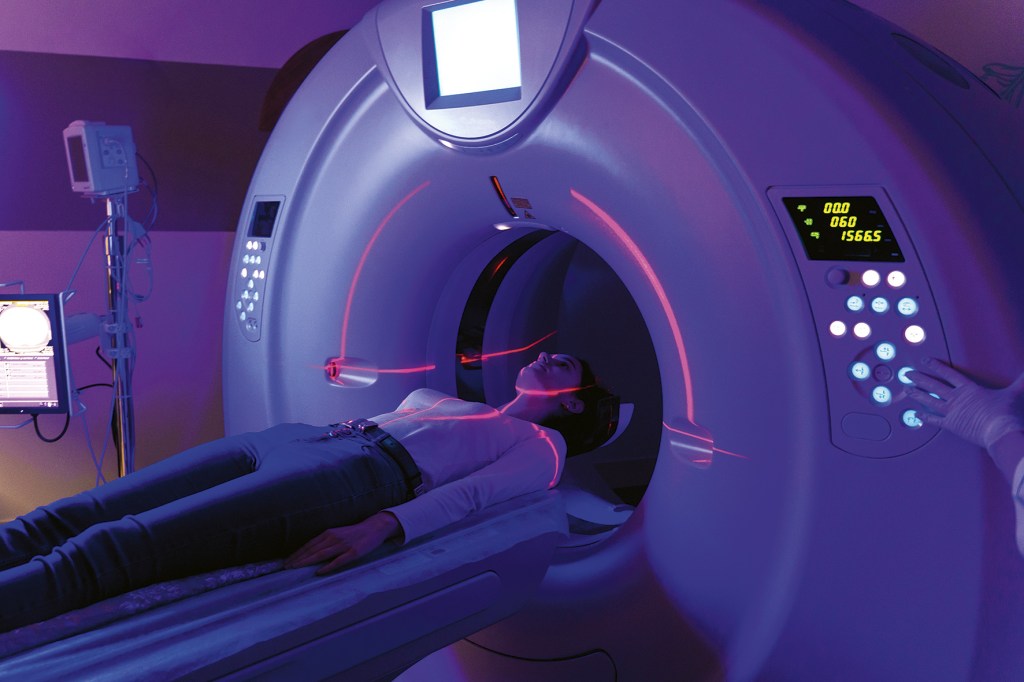
They imagined a small, tidy rollout. Maybe four clinics in 18 months. But the public appetite was hungrier than expected.
They began work in September 2024. By December, they were live in Brisbane, Sydney, the Gold Coast and Melbourne. And they already had a waitlist of 4,000 people.
The bigger surprise was who was showing up.
“In the first month, we had schoolteachers coming in. Nurses,” Gopi says. “When you talk to them, they’d explain how they were spending 50 bucks a week on ice baths, 100 a month on supplements, 40 a week on the gym. Suddenly, three grand every couple of years – 20 or 30 bucks a week – made sense. In the scheme of how they were already spending on their health, it wasn’t crazy.”
Tran bristles at the suggestion they are catering for the “worried well”.
“No, we’re catering for the ‘curious well’ who want to live as long and well as they can. They’re the ones who want to be running marathons in their 70s.”
The idea of removing gatekeepers from medical imaging has many critics.
“The main concern with full-body MRI scans is that they can detect inconsequential disease leading to unnecessary diagnosis and treatments,” University of Sydney public health researcher Dr Brooke Nickel told The Guardian.
These treatments can cause harm, not to mention clogging up the health system. One of the harms is the anxiety caused when something is found.
Tran is careful to outline the trade-offs to his customers.
“At the stage of life we’re at, we’re doing these things because we get to choose what we do – and we love it. Not because we have to. That gives you a lot more fuel.”
“The benefit is you might find something you wouldn’t otherwise find,” he says. “But sometimes you find something that ends up being nothing – a false positive. You go down a rabbit hole to discover it’s benign. We don’t run away from that. We educate you.
“Historically, as doctors, we’ve made that decision for you. Saying, ‘I don’t think you understand the risks, so I’m not going to let you get this scan.’ Which is pretty backwards.”
The moment that crystallised the company’s purpose came early.
“It was the first time we found someone with cancer,” says Tran. “We can’t diagnose cancer. But when you see a big lesion on a lung, you go, ‘That looks like cancer. You need to see a specialist.’”
This patient had no symptoms. No reason to be scanned through the usual avenues of medicine.
Tran only learned that it had, in fact, been a serious cancer months later when the woman booked her partner in for a scan. He told them she was doing well and that she’d got it early. It may have saved her life. So that’s why she’d made him get one, too.
“As a GP for 10 years, I see this stuff, I deal with it,” Tran says. “But thinking that we altered the course of someone’s life in such a positive way, that’s the cream on top.”
Fueling the fire
Venture funds, including OIF Ventures, Antler, TEN13, Salus Ventures and Afterwork Ventures, came on board for a $2.5 million seed round in August 2025. And with them came a shift in ambition.
They’re looking to expand into coronary CT angiograms, chest and lung scans, blood tests – an ecosystem of preventative testing, delivered through a tech layer that clinicians could plug into for standardised reports.
“The bigger problem became: how do you enable this next wave of practitioners focused on preventative health?” Gopi says. “How do you become the Uber for testing? That’s where the business is really going.”
Barnes points out that the registered company name is not OneMRI, it’s OneImaging. So watch that space.
OneMRI now has 44 clinics running its standardised scanning protocol. Since February, it has scanned more than 500 people, even with deliberate throttling – every customer goes through an education call on benefits and risks.
But the near-term goal is for OneMRI to do10,000 scans a year.
Tran has to leave the video call.
“I’ve actually got to jump on a call with one of our customers next,” he says. “Walk them through their scan results, let them know their scan looks great.
“This is where a majority of my time is spent. And this is what I love. At the stage of life we’re at, we’re doing these things because we get to choose what we do – and we love it. Not because we have to. That gives you a lot more fuel.”
Want to see more Forbes articles on your feed? Tap here to make Forbes Australia a preferred source on Google.
Look back on the week that was with hand-picked articles from Australia and around the world. Sign up to the Forbes Australia newsletter here or become a member here.