The second edition of the feted Roman jeweller’s key annual showcase unveils 300 exhibits across three distinct chapters — grounding them in ancient traditions and a creative dialogue with the Mainland Chinese market.
In a boon to well-heeled corporates and luxury travellers alike, Bvlgari has just opened its sequel to last year’s Kaleidos Toyko exhibition in Shanghai. The Asian megalopolis (also home to one of the group’s two signature hotels in the region) has long been a consequential marker for Rome’s jeweller par excellence; and a weather vane for luxury consumption in China writ large.
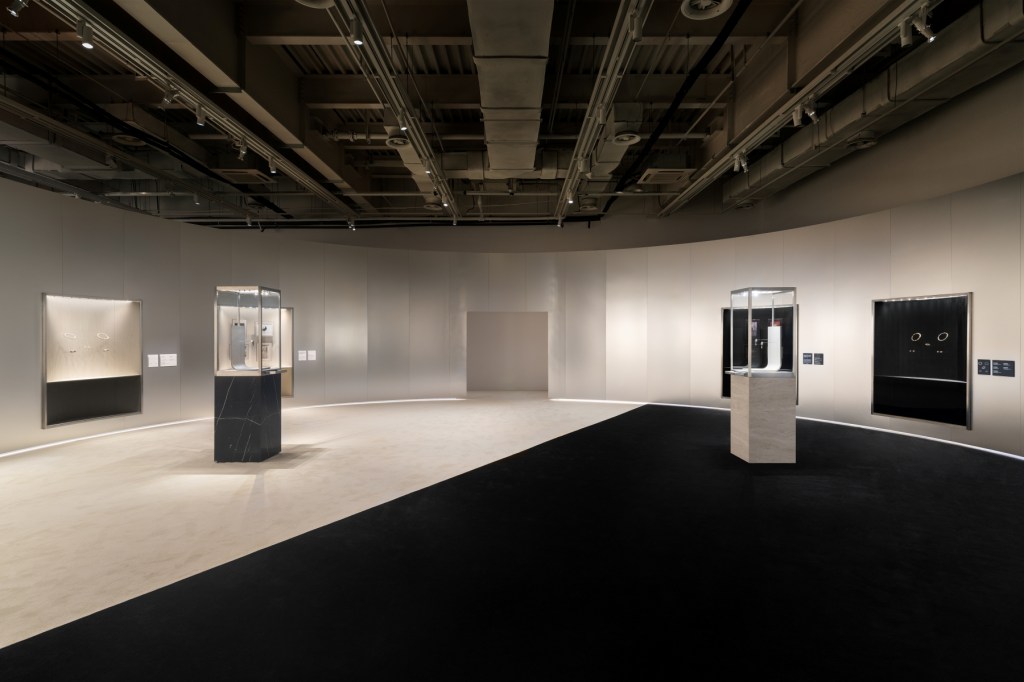
Over the last seven years, Bvlgari’s retail presence in China has expanded nearly threefold — from 35 stores to more than 100 points of sale nationwide. The maison’s appeal, in the minds of both casual luxury consumers and HNWIs, is similarly pervasive; and so it seems apt that, following a successful debut in Japan last year, Kaleidos would inevitably find its way to the glitter of The Bund.
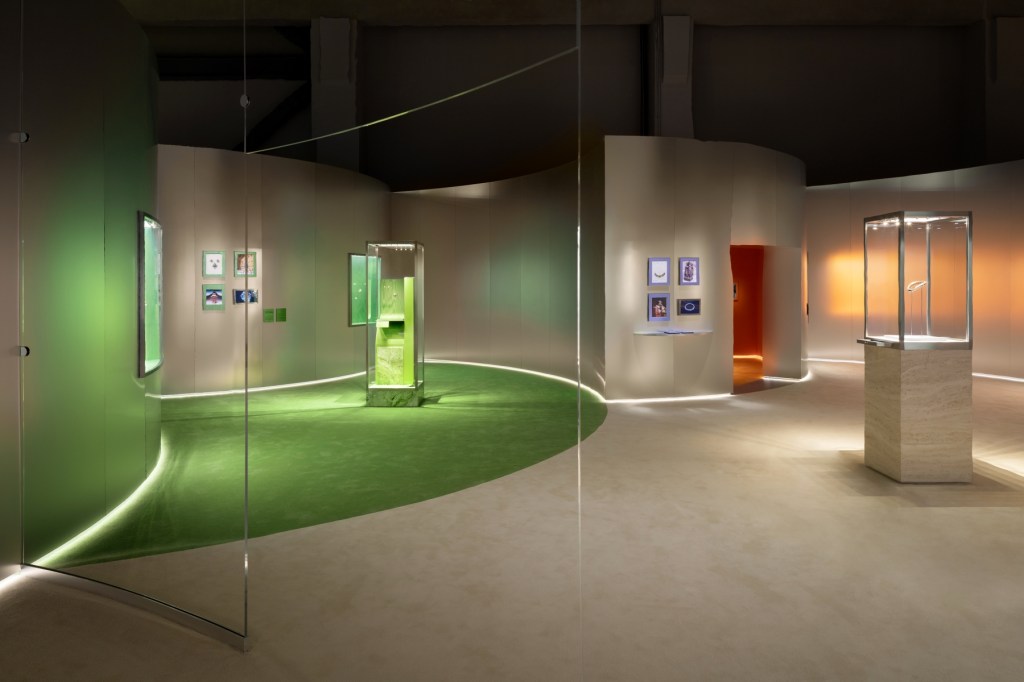
For this edition — subtitled Colors, Cultures and Crafts — Bvlgari’s heritage department worked closely with the Power Station of Art (PSA) in Shanghai to craft a “deeper exploration of [the brand’s] distinctive chromatic vision”, while providing a “powerful resonance with Chinese culture”. The collaboration is singular, given the PSA’s status as Mainland China’s only state-owned contemporary art institution.
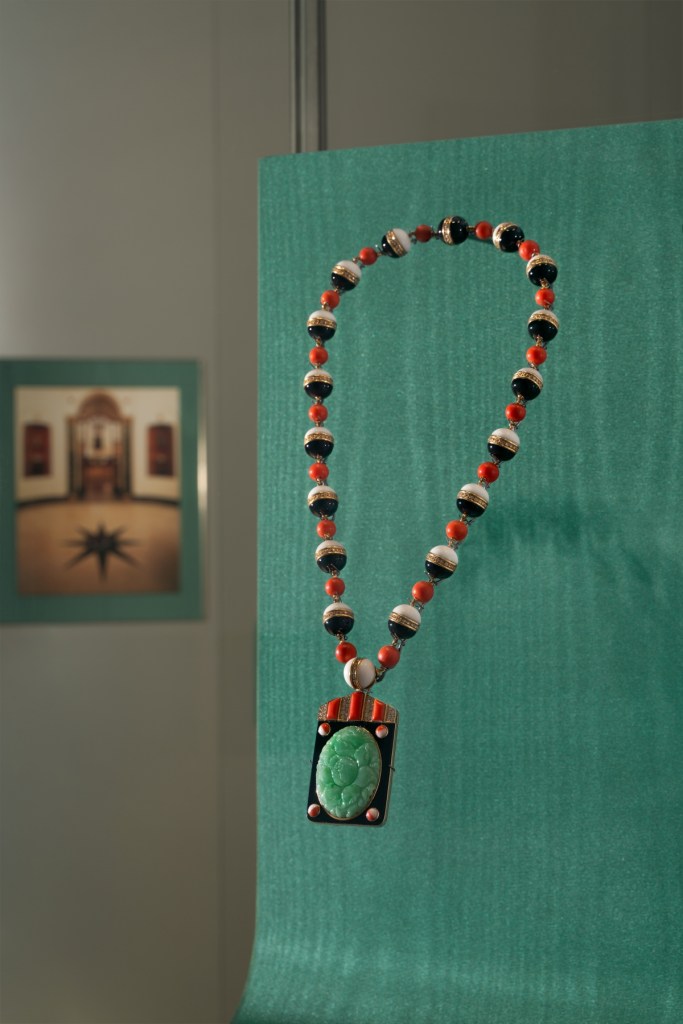
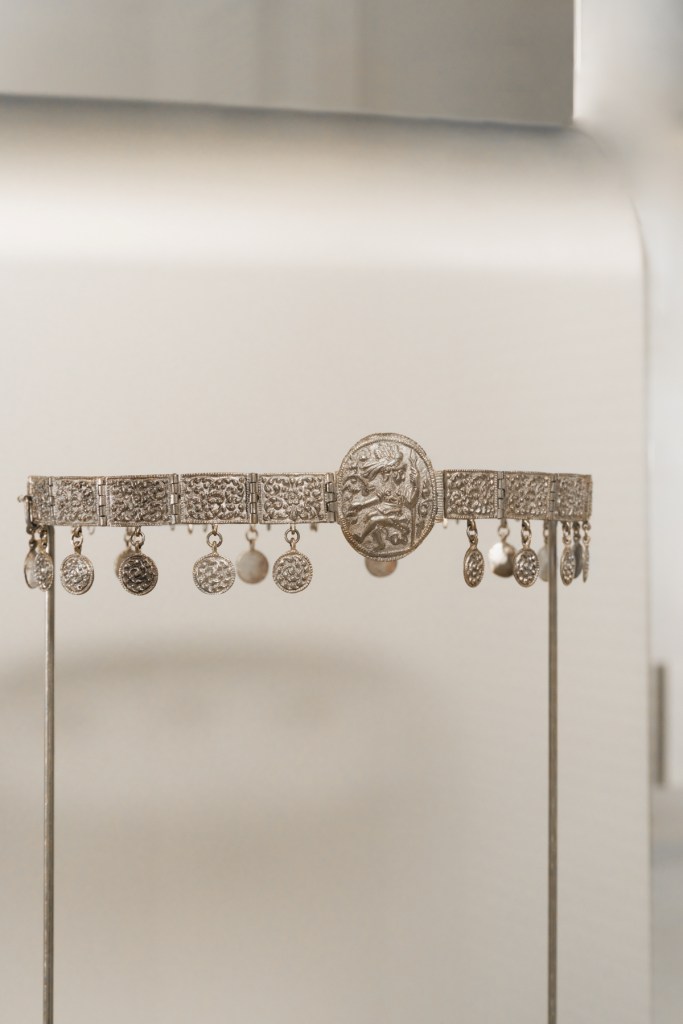
The fine print of this mission statement involved curating more than 300 distinctive masterworks, which Bvlgari has gone to great pains to source from its own heritage archive, high jewellery workshop and a handful of exceptional private collections. Each exhibit plays a part in one of three chapters: beginning with ‘The Science of Colors’, ‘Color Symbolism’, and finally, ‘The Power of Light’.
In order to add specific cultural context, individual spaces within each chapter are organised according to theories of classical Chinese aesthetics, as they appear in such seminal Confucian texts as the Rites of Zhou.
“We drew inspiration from local heritage by weaving in the ‘Five Elements’ and ‘Five [Colours], fostering a genuine dialogue between Eastern and Western aesthetic traditions,” says Gislain Aucremanne, Heritage Curator Director of Bvlgari.
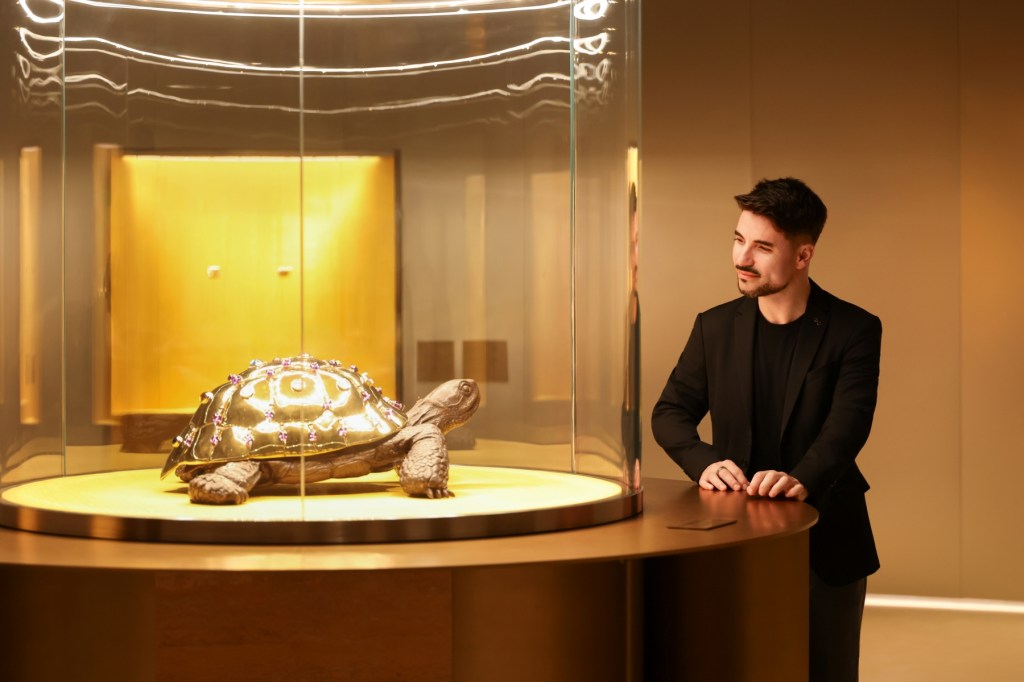
For a more contemporary aspect to Bvlgari’s exploration of colour in Shanghai — a city renowned for its contemporary art market and East-meets-West exchanges — this edition of Kaleidos also incorporates original works from Liang Manqi and Zhang Ding, local artists who were selected, respectively, for their expertise in geometric abstraction and multimedia installations.
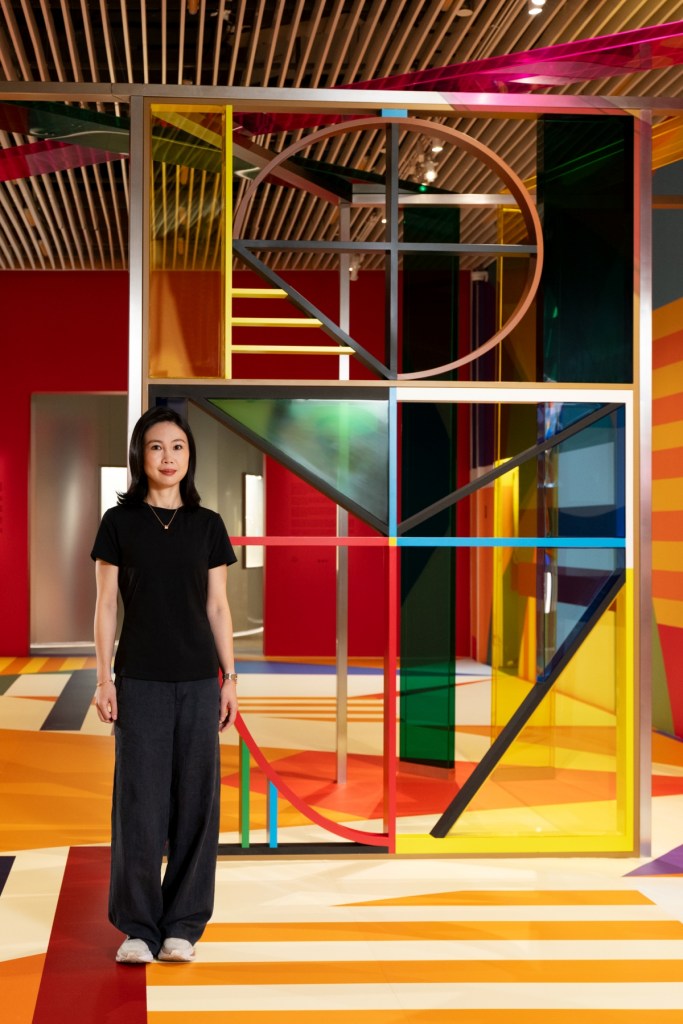
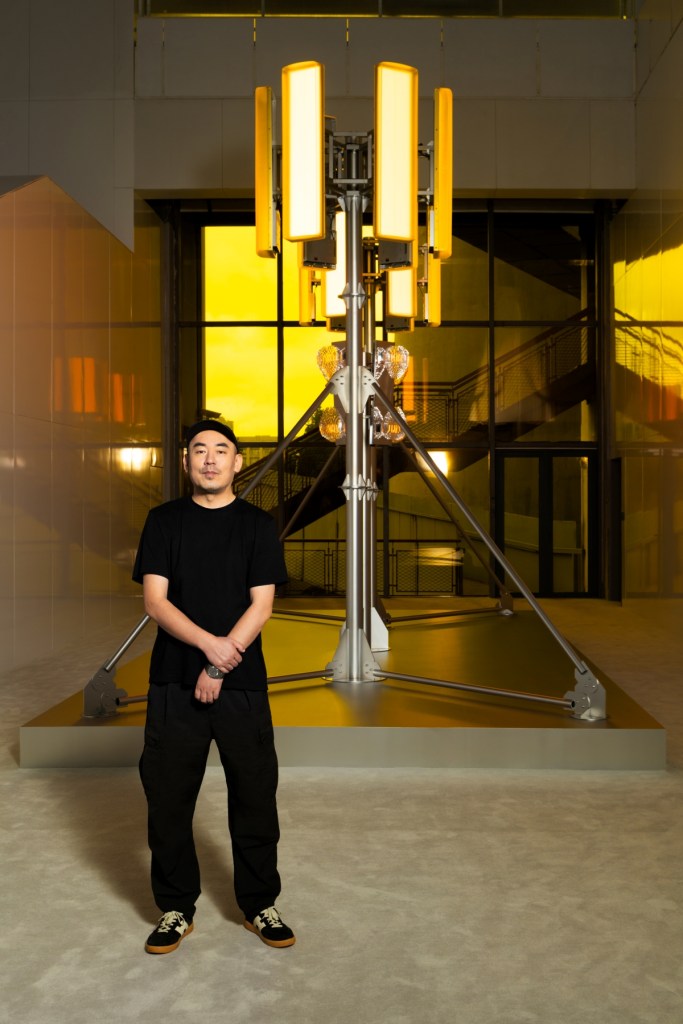
For Gong Yan, Artistic Director of the PSA, one of the crucial factors in their inclusion, alongside Bvlgari’s biggest jewellery exhibition of the year, was an ability to bridge the space between “different cultures and artistic languages”.
“The beauty of Kaleidos lies not simply in what we see, but in the way beauty continues to unfold through our perception of it,” says Gong. “[Colour] works in much the same way. It is something we experience instinctively, yet also carries layers of cultural memory and meaning.”
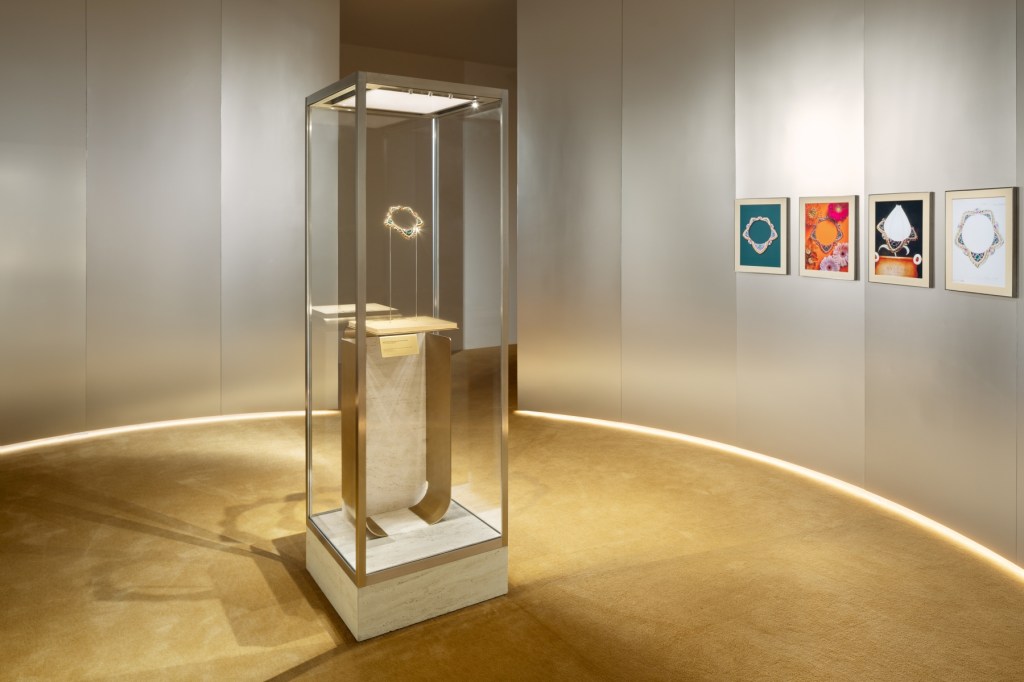
Bvlgari Kaleidos: Colors, Cultures and Crafts is open to the public until October 31, 2026. For ticketing and further information, visit powerstationofart.com.
Want to see more Forbes articles on your feed? Tap here to make Forbes Australia a preferred source on Google.
Look back on the week that was with hand-picked articles from Australia and around the world. Sign up to the Forbes Australia newsletter here or become a member here.