Employers will be required to pay superannuation monthly as of tomorrow rather than the existing quarterly scheme as the Government attempts to crack down on unpaid super.
Key Takeaways
- New Frequency: Employers will be required to pay superannuation alongside wages as of tomorrow rather than the existing quarterly contribution scheme as the Government attempts to crack down on unpaid super.
- Compounding Effect: The new rules were designed by the Australian Tax Office (ATO) to reduce missed superannuation payments, and will result in higher retirement pools for Australians thanks to the boosted effect of compound returns.
- Tracking Benefits: Payday super will also make superannuation easier for employees to track, making it easier to question employers about potential missed payments.
- New Employee Exception: While contributions must generally reach accounts within 7 business days of payday, employers are granted an exception of up to 20 business days for a new employee’s first super payment.
- Workplace Law Breaches: Beyond financial penalties from the ATO, failing to pay superannuation on time under the new system can now constitute a direct breach of the Fair Work Act, modern awards, or enterprise agreements.
- Grace Period: The ATO, however, has flagged that it will be unlikely to throw the book at businesses who are making best efforts to comply in the 2026-27 financial year.
Crucial Quote
“Payday Super will improve the retirement outcomes of millions of Australians in two ways,” said James Koval, chief policy officer of the Association of Superannuation Funds of Australia. “Getting super invested sooner so it earns compound returns for longer, and tackling the problem of unpaid super, which sees more than $5 billion in retirement savings withheld from Australian workers each year.”
Key Background
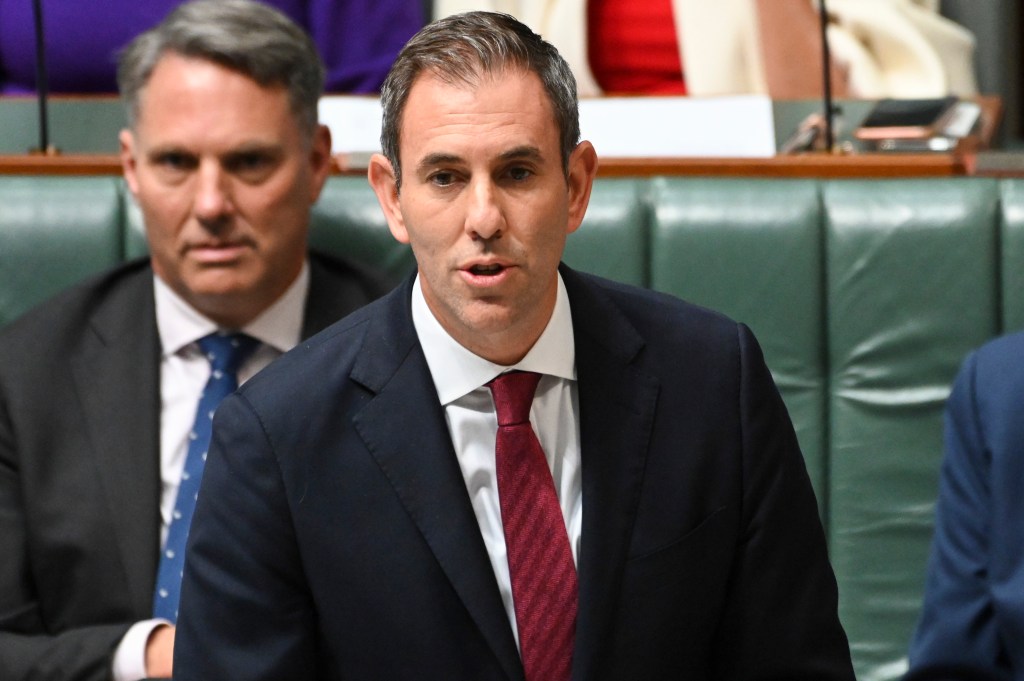
The payday super reforms were announced by Labor during Anthony Albanese’s first term before being legislated last November. Treasurer Jim Chalmers introduced the reform in May of 2023, saying the reforms will deliver “a more dignified retirement” for Australian workers.
The idea is that workers getting paid sooner will result in a higher average superannuation balance, which will in turn mean greater benefits from compound interest. Treasury’s modelling shows a 25-year-old median income earner getting their super contributions paid fortnightly rather than quarterly would end up with $6,000 more in retirement savings.
Big Number
$6 billion: The amount of super that goes unpaid each year, according to Super Members Council data, which shows a quarter of working Australians have missed super payments.
Contra
Though Chalmers said the new system will simplify payments for businesses, not everyone is convinced. The vast majority of small business owners, 87 per cent, are worried about cash flow pressures from paying super more regularly, according to Xero research.
A similar amount, 84 per cent, say delayed payments from customers might impact their ability to pay super on time. Employers found to have not made superannuation contributions within seven business days of the worker’s payday will incur a Super Guarantee Charge. The penalty includes the amount owed, daily interest charges on top, an administration fee and late-payment fees of either 25 or 50 per cent depending on the business’ history.
Tangent
“Unpaid super is like a silent pay cut costing Australian workers billions each year and leaving some working Australians thousands of dollars worse off in retirement,” Super Members Council CEO Misha Schubert said.
Want to see more Forbes articles on your feed? Tap here to make Forbes Australia a preferred source on Google.
Look back on the week that was with hand-picked articles from Australia and around the world. Sign up to the Forbes Australia newsletter here or become a member here.