If 2025 taught travel expert Ivona Siniarska anything, it’s that Australians no longer do it to tick boxes. Instead, they are looking to reconnect with places, people, and with how it makes us feel.
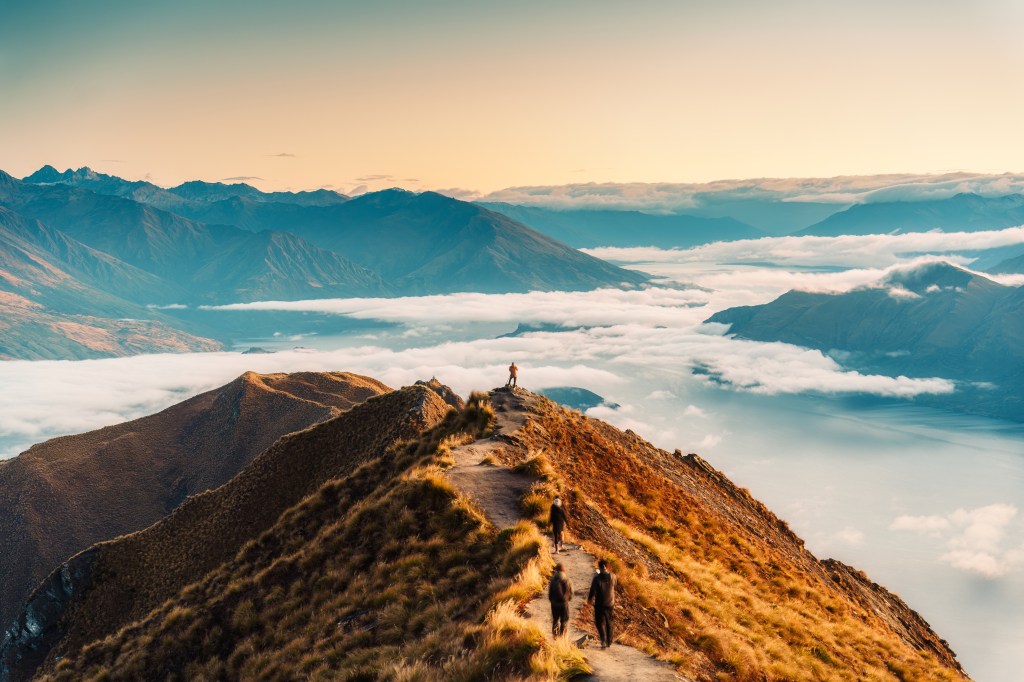
After a year that took me from expedition ships in Antarctica to private safari camps in Southern Africa, from heritage city hotels at home to remote islands that feel blissfully untouched, one theme kept resurfacing: travellers are choosing depth over distance, quality over quantity, and connection over chaos.
The idea that “more is more” has quietly slipped away. In its place is a more considered, more confident traveller. One who is happy to go fewer places, stay longer, and truly experience where they are.
Domestic luxury comes into its own
One of the most notable shifts this year has been a renewed appreciation for luxury closer to home. Not out of necessity, but intention.
Australians are extending city stays and treating hotels as destinations in their own right. Properties like Capella Sydney have become places where guests settle in for four or five nights, savouring the rhythm of the city without rushing through it. The hotel experience, the dining, spa, design and sense of calm, has become just as important as what sits beyond its doors.
The reopening of Southern Ocean Lodge has also marked an emotional return for many Australians. More than a hotel, it symbolises resilience, regeneration and our deep connection to landscape. Similarly, the arrival of 1 Hotel Melbourne reflects a growing appetite for sustainability-led luxury that feels grounded rather than grand.
Regional lodges such as Spicers Peak Lodge continue to thrive as travellers seek privacy, nature and a sense of escape without needing a passport.
Closer, slower, more intentional travel
Internationally, Australians are still travelling well,just differently. Europe remains popular, yet itineraries are more focused: longer stays in one or two regions rather than whirlwind tours. Japan continues to be a standout favourite, appealing across generations for its balance of culture, food, design and efficiency.
Southeast Asia has also seen a strong resurgence, particularly Vietnam and Cambodia combinations that blend history, cuisine and river journeys with time to pause. Singapore, too, has evolved in the Australian mindset—from stopover to sanctuary. Resorts like Raffles Sentosa are attracting travellers who want to shut off completely while still being moments from the energy of the city.
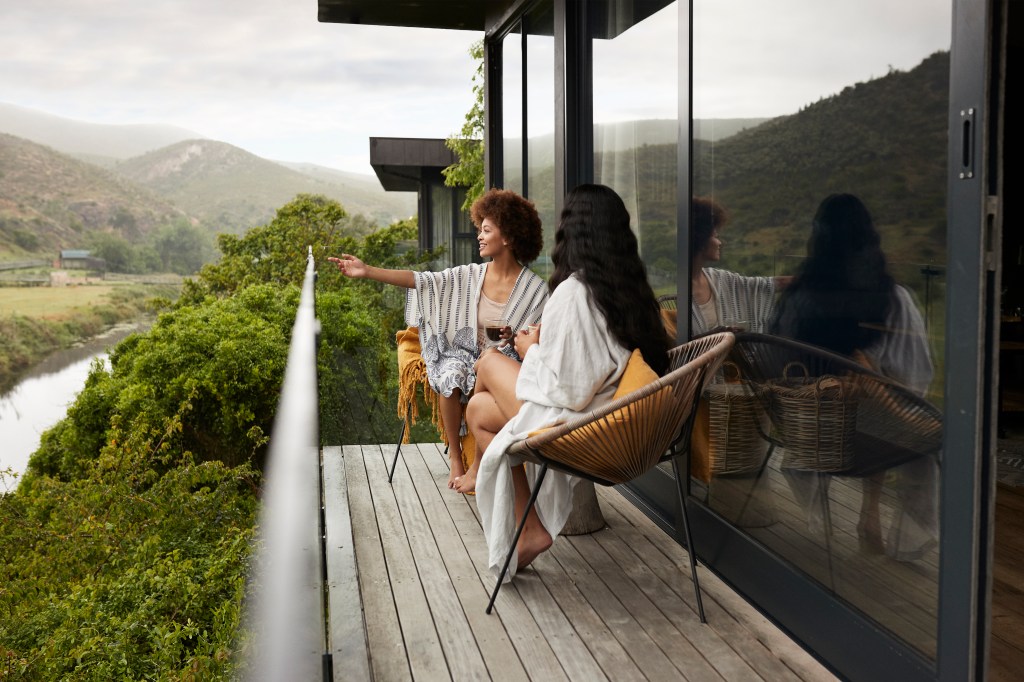
Then there are places that feel like antidotes to overtourism. Cap Karoso, on the island of Sumba, continues to surprise travellers who want the ease of Southeast Asia without the crowds of Bali. It offers that rare feeling of discovery, something many thought no longer existed.
Stopovers become destinations
Another clear trend has been the rise of the Middle East not just as a transit point, but as a destination in its own right. Australians are increasingly choosing to pause for a week or more in cities like Dubai and Doha, often at ultra luxury resorts designed for immersion rather than sightseeing.
Properties such as Atlantis The Royal have become full fledged holiday destinations, while island escapes like Patina Maldives continue to attract travellers seeking barefoot luxury, space and stillness.
The return of nature and the wild
Perhaps the most meaningful shift of all has been the renewed desire to reconnect with nature. Not in a superficial way, but deeply and intentionally.
Safari travel has seen a powerful return, particularly conservation led experiences that prioritise place, people and protection of the wild. Travellers are no longer asking only what they will see, but how their presence contributes.
Operators such as Great Plains are leading this movement across Botswana, Zimbabwe and Kenya, offering experiences that combine extraordinary wildlife encounters with genuine conservation impact. For many Australians, these journeys represent something far greater than a holiday, they are moments of perspective, peace and purpose.
Expedition travel has also influenced this shift. Time spent in remote environments, whether polar regions, deserts or deltas, has reminded travellers of the value of silence, simplicity and scale. These experiences have a way of recalibrating what matters.
Booking patterns and what lies ahead
From a booking perspective, 2025 has been defined by earlier planning, longer lead times and a willingness to invest in experiences that feel meaningful. Flexible itineraries, slower pacing and trusted advisors have become essential rather than optional.
Looking ahead to 2026, I expect these patterns to continue. Travellers will keep choosing fewer destinations with more intention, favouring properties that offer immersion, authenticity and a strong sense of place. Sustainability and conservation will move from “nice to have” to non-negotiable. And luxury will continue to be defined not by excess, but by space, time and thoughtful design.
Ultimately, the travel stories of 2025 remind us that the most memorable journeys are rarely about how far we go but how deeply we connect once we arrive.
Having traveled extensively through 80 countries on this planet, Ivona Siniarska shares her passion for bespoke experiences that help you truly experience nature, wildlife, food, and culture on all corners of the world. She co-founded Take Off Go, a premier travel agency specialising in bespoke itineraries for Africa in 2024.
Look back on the week that was with hand-picked articles from Australia and around the world. Sign up to the Forbes Australia newsletter here or become a member here.