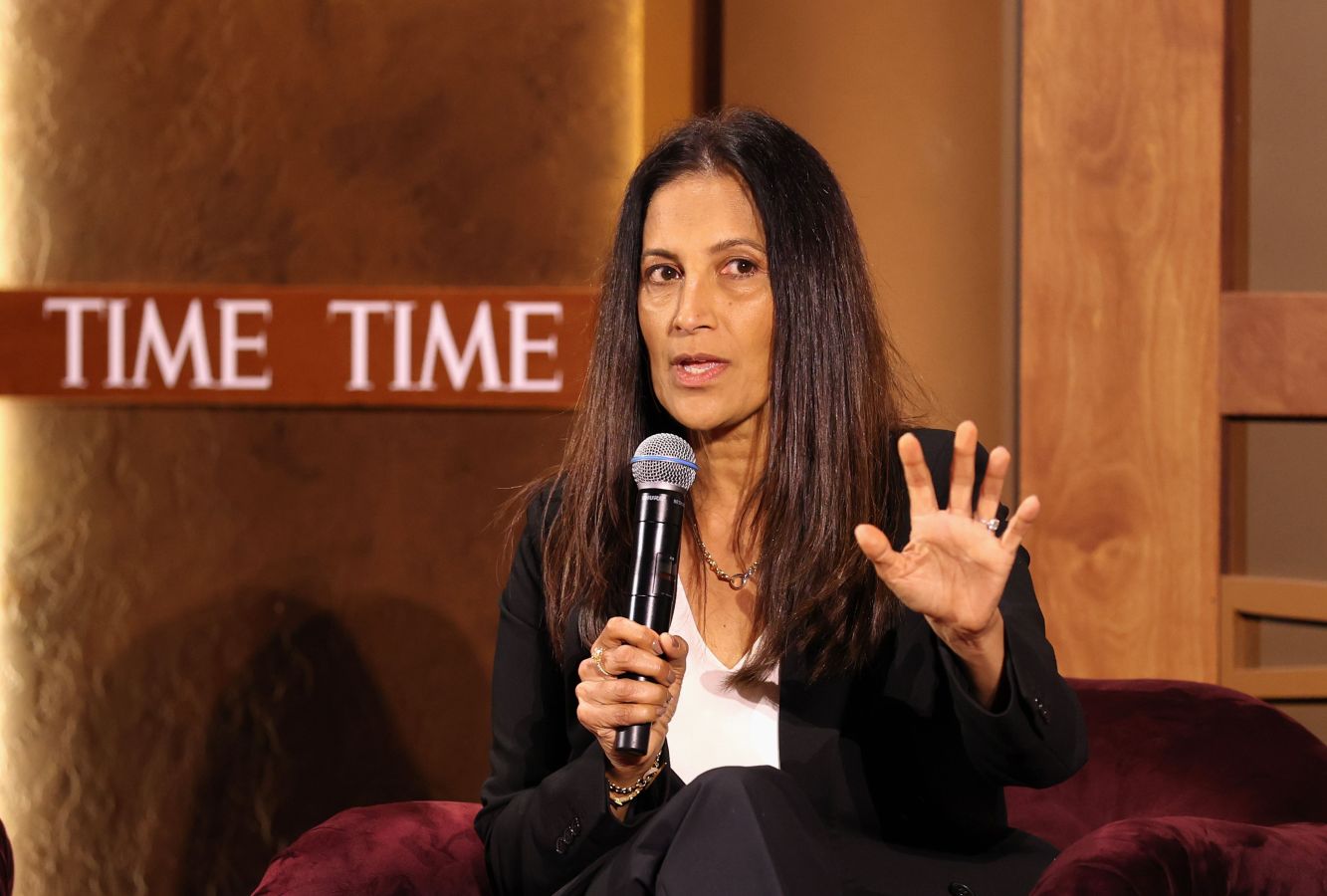
The creator economy is bigger, more competitive and more professional than it was a decade ago. Day Management founder Genevieve Day shares what aspiring creators need to know about building a career in 2026

I’ve been working in the creator economy, well, since before it was called the creator economy. When I founded Day Management in 2015, people still scoffed at the word influencer and there was no rulebook on building a brand online.
Eleven years on, a lot has changed. We’re older and wiser. Which means if you’re starting today (as a creator, a talent manager, or as a brand trying to make sense of it all) the rules you think you’re playing by are probably already out of date.
Here is what I’d tell anyone starting today.
Firstly, it’s never too late to start
This is an assumption that I want to bust straight out of the gate. One of the best things about an evolving market is that it’s never too late to join. Sure, algorithms may have made it easier to grow audiences six-plus years ago, but there is absolutely space and appetite for everyone.
The great thing is that follower counts rarely matter anymore (more on that later), and everyone – from brands to agencies – is always looking for someone who can add a fresh point of view.
Audience quality is everything.
You may have sensed I’m pretty passionate about this topic from my last Forbes opinion piece, but it can never be stressed enough.
If your objective when starting out is to chase a certain number of followers, that will show in your content. Instead, employ a strategy that helps build community. Build a content series based around common questions that pop up from your followers, or a theme you notice in your DMs. Respond to your audience like you’re talking to a friend and engage with them in your comments and DMs too.
It’s a mental switch, to stop making content for yourself and start making it for your audience. But once that switch is made, your audience quality grows. And that engagement is exactly what the brands are searching for.
Niche is not a limitation. It is your competitive advantage.
People love to argue online about the benefits of “niche-ing down”. That’s because the early creator economy rewarded people for going big, bold and broad. Growing large platforms, global audiences and speaking to broad lifestyle content moments. Now, there’s absolutely nothing wrong with lifestyle – if that is your niche.
As the market became more saturated, to stand out you need to be able to define your niche. The creators building the most durable careers right now are the ones with a clearly defined point of view.
Think of it as your own personal elevator pitch. If you can’t clearly communicate what your account is about in 10 seconds, brands and audiences won’t be able to either.
Is it because you post styling tips for women in their 40s? Because you create delicious recipes for us time-poor professionals? Do you review the latest movie releases, or show me exactly how to engage my pelvic floor with exercises? This clarity in the content you’re putting out is everything, because appealing to everyone is inevitably appealing to no-one.
From a brand partnership perspective, this shift matters enormously. Brands no longer just want to reach a large audience. They want to reach the right one.
If you’re trying to figure out your positioning as a creator, go narrower than feels comfortable. Choose three content pillars over five. You can always expand later. It is much harder to carve out authority after you have spent years being generic or vague.
Brands want partners, not billboards
In the early years, the brand partnership model was essentially a digital billboard transaction. Brand pays creator, creator posts photo with product in frame, brand gets attention and hopefully some sales. Rinse and repeat.
That model hasn’t disappeared, but it has become the floor, not the ceiling. The most sophisticated brands are now thinking about creators as long-term commercial partners. They want ambassador relationships that span seasons. They want co-created content that is genuinely integrated into a creator’s world, not bolted on. They want access to first-party audience data. Some are even moving toward revenue-share and co-ownership models.
I’ve also seen a significant increase in brands wanting measurable outcomes tied to creator activity. The days of a brand accepting reach alone as a KPI are largely behind us. Creators who understand performance metrics, who can present their engagement data, their conversion history, their audience demographics, are the ones closing the most valuable deals.
Don’t be afraid to suggest a style of brand partnership that’s proven to have worked; after all, it is a partnership and a two-way conversation. Show why a certain style of content performs with your audiences, and pitch how a brand can be integrated into it. Nine times out of ten, that approach will work over following a stock-standard brief.
And for those looking to build a profitable career off brand partnerships, treat every brand relationship like a long-term pitch, even the first one. Come prepared. Know your numbers. Be clear on your value and the specific audience you deliver. That professionalism signals to brands that you are a serious operator, not just a person with an Instagram account.
You don’t need to show up everywhere at once
There can be so much pressure when starting out to be everywhere. Have performing content on Instagram, and trending videos on TikTok, plus a viral Substack newsletter and a glowing Pinterest board plus we can’t forget long-form video content on YouTube. Oh! And Snapchat is back too, have you heard?
Of course, we encourage diversification of your income (especially for platforms where you can own your own content and build your own audience data like email lists), but unless you’ve nailed your content strategy it can be a wasted effort.
When starting out and testing your niche, commit to one or two platforms. Grow this first and regularly look for real-time feedback. See what content performed, and which fell flat. Then once you’ve built a community, those people should follow you wherever you go.
It can be more damaging to have six accounts that aren’t performing, than just one that’s thriving. But once you’ve nailed that starting point, absolutely branch out to new and growing platforms. My hot tip: brands are looking for long-form video creators like it’s 2020 again. YouTube is the way to go.
Treat it like a business from day one
One of the most consistent patterns I have seen after eleven years of managing talent is this: the creators who burn out or plateau are almost always the ones who treated their career as a creative pursuit without building the business infrastructure around it.
A creator career is a small business. It requires contracts, rate structures, brand alignment criteria, content strategies, financial planning, and increasingly a team behind it. The ones who last are those who take the business seriously from the beginning, or who bring in people who do.
If you are starting out, get the basics right early. Understand your worth. Know your dos and don’ts for brand alignments. Have your media kit backed with lots of statistics and audience data. Then meet deadlines. Be professional, and kind, to the brand and agency contacts you’re dealing with. I can’t stress enough how many times decisions come down to who was easy to deal with.
Barriers to entry
The industry is harder to break into. It is also bigger than it has ever been.
The creator economy is not the “Wild West” it once was, and that is both a challenge and an opportunity.
The barrier to entry is higher because the bar has been raised by brands who are more discerning, by audiences who are more sophisticated, and by an industry that has professionalised significantly in a decade.
But the upside is that there is more money, more infrastructure, and more opportunity for genuinely talented creators to build careers that last.
So, what’s holding you back? Why not hit post on the reel that’s been sitting in your drafts today.
Read more: How Australia’s top creators turn followers into fortunes
Genevieve Day is the founder and CEO of Day Management, one of Australia’s first influencer talent agencies, and a Forbes Australia 30 Under 30 alumnus.
Want to see more Forbes articles on your feed? Tap here to make Forbes Australia a preferred source on Google.
Look back on the week that was with hand-picked articles from Australia and around the world. Sign up to the Forbes Australia newsletter here or become a member here