Canva has debuted its first foundation model, called Craft, which competes with image generation tools from OpenAI, Google and others.
Canva on Friday released Craft, a foundation model that outperforms competition from Google, Elon Musks’s xAI and Microsoft while allowing the design giant to more cheaply offer its own AI wares.
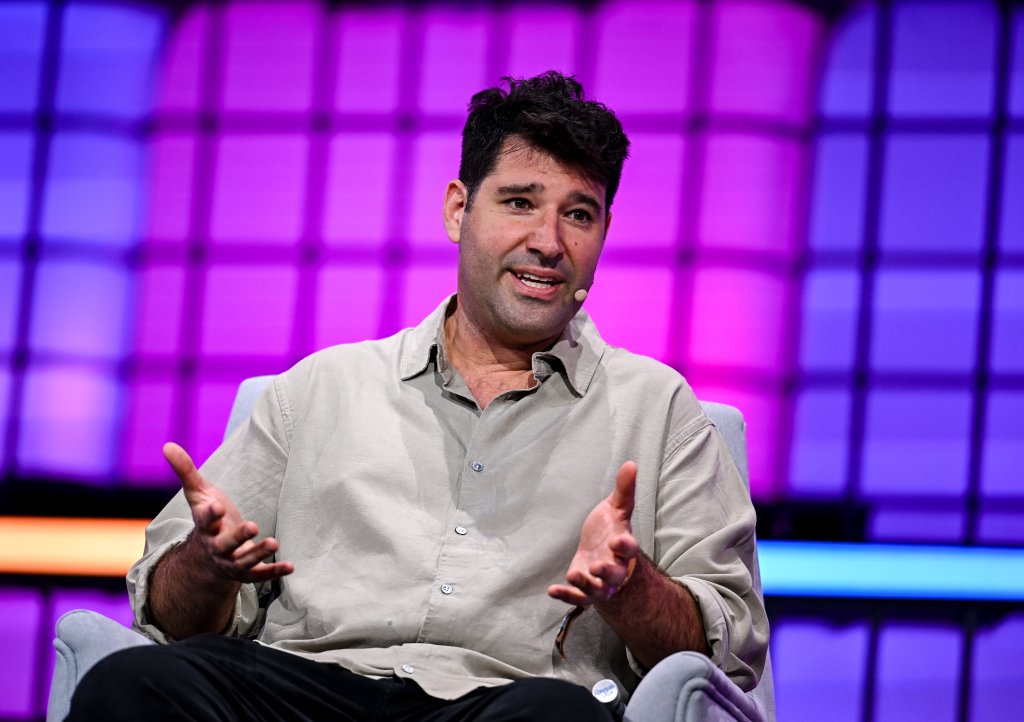
Canva began building Craft earlier this year as the cost of using frontier AI skyrocketed, and co-founder Cliff Obrecht says it is the first of many models Canva plans to release.
“Craft is the first foundation image model from our 160-person Canva Research team, built completely from scratch in about six months,” Obrecht said to Forbes Australia. “This is just the beginning. There’s so much more coming.”
Craft ranked fourth in a benchmarking test on DesignArena, a benchmarking site that uses humans to judge the creative output of artificial intelligence. All three models in front of it are developed by OpenAI, making the Canva Research AI lab second on the leaderboard.
Canva says its edge comes from training the model on millions of human-made design templates from its content library, rather than primarily using photographs like its competition does. It uses a two-stage process that separates composition planning and image rendering, which Canva says results in more precise and consistent outputs.
“Our AI tools have been used more than 38 billion times, and when you’re operating at that scale even saving a fraction of a cent on each generation adds up to a huge amount,” Obrecht said. “Building our own models gives us much more control over the cost and speed of AI, which means we can scale it to our whole community.”
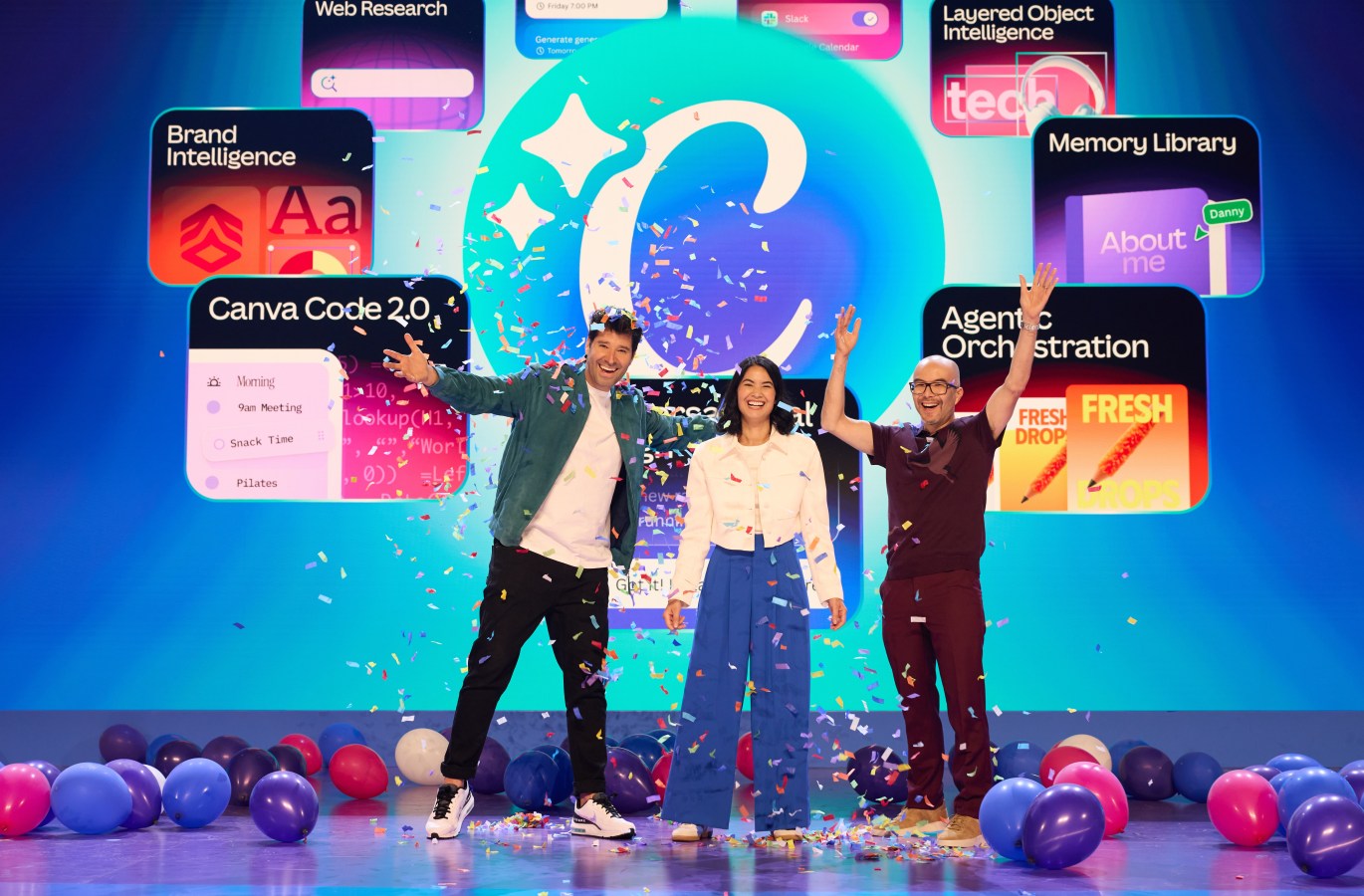
In April the company introduced Canva AI 2.0, a two-year rebuild of its platform which it described as its biggest ever product launch. The refreshed platform centres on conversational design, where customers say what they want and Canva assigns models and tools to get the job done.
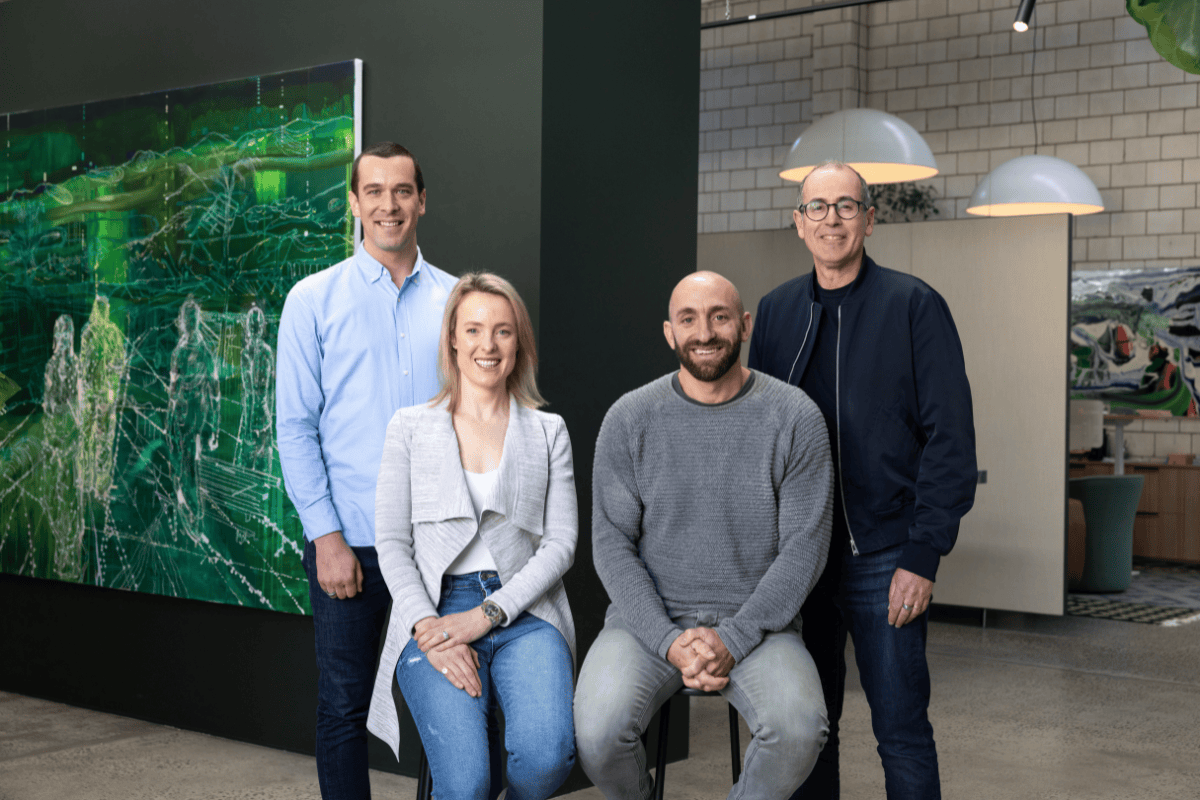
But by July the company was telling investors that some products would be delayed due to rising AI costs while marking down its projected revenue growth for the year. Investors subsequently marked down the value of their Canva holdings. Blackbird, Canva’s biggest shareholder, reduced its valuation by 17 per cent to US$34.9 billion.
Canva is hoping to jiu-jitsu the threat of AI into an opportunity. In addition to using its own AI models to power new product offerings, it is also hoping other companies integrate the model into their platforms and AI agents. People will be using Canva’s tech without having to go to its web site or download its app.
“It brings Canva to more people and opens up a whole new revenue opportunity for us,” Obrecht said. “The goal here is to have Canva’s technology help people wherever they’re creating, and Craft will be a big part of that.”
Canva wrote in a blog that it is developing two updated models, Craft-fast and Craft-ultrafast, it says will improve upon Craft’s efficiency.
Craft is not the first image generation model to be produced by an Australian company. That distinction went to Leonardo.Ai, a startup Canva acquired in 2024. Leonardo.Ai co-founder JJ Fiasson now serves as Head of Generative AI within the company. Canva Research is led by
Stef Corazza, who joined Canva last year after years at Adobe and Roblox.
Want to see more Forbes articles on your feed? Tap here to make Forbes Australia a preferred source on Google.
Look back on the week that was with hand-picked articles from Australia and around the world. Sign up to the Forbes Australia newsletter here or become a member here.