Armed with biomimicry innovation from the ocean’s apex predator, Mako is deploying nature’s fastest blueprint to make aviation quicker and greener.

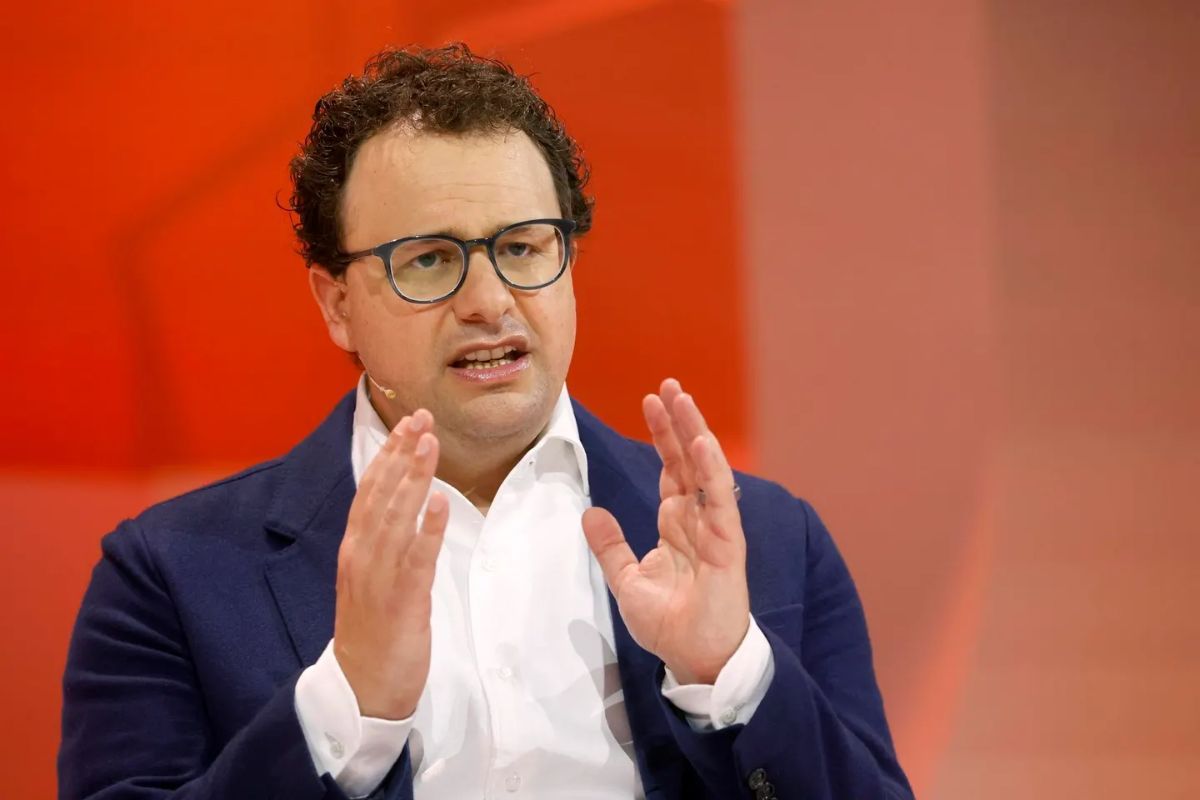
When Sydney-based law student Henry Bilinsky founded Mako a decade ago, he saw a massive opportunity to make aircraft more efficient.
“Aviation is a global industry, and the problem we solve – the cost and carbon emissions of every flight – is one every operator on earth shares,” Bilinsky tells Forbes Australia.
The adhesive film solution he developed, called Flightfilm, draws from nature and uses a unique manufacturing process.
“Riblets are microscopic grooves on a surface that mimic the drag-reducing texture of shark skin,” explains Bilinsky.
“Normally, turbulent air near a surface swirls around chaotically, dragging against it and creating friction. Riblets elevate this turbulent air towards their tips, keeping it from scrubbing hard against the surface. The result is less friction drag, creating an improvement to the efficiency of aircraft they are applied to of up to 4%.”
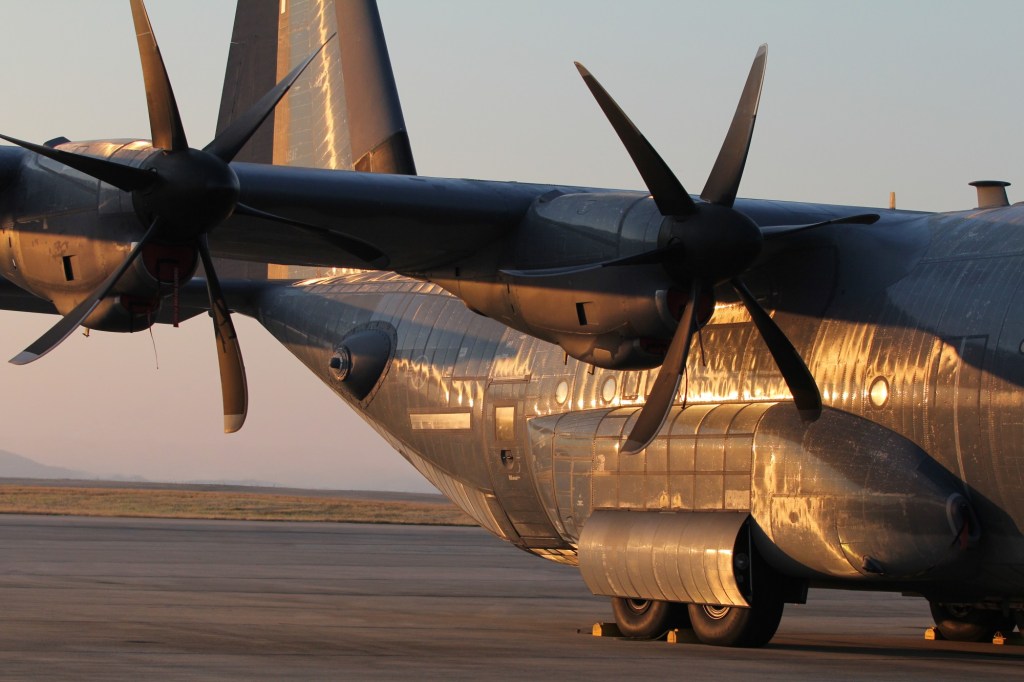
Mako has signed partnerships with Delta Air Lines and the US Air Force. This week the company announced a Series A fundraise from Australia’s largest clean energy fund, Virescent Ventures, alongside Grok Ventures, Skip Capital and British Airways’ parent company, IAG.
The $28 million cash injection will enable further testing of the technology on an Airbus A320, industry deployment, and team growth.
“We have a lot of conviction in this team having backed them across four rounds of investment since 2022,” says Virescent Ventures partner Blair Pritchard. “Like its namesake, Mako is fast moving and ready to scale.”
Mako’s competitive advantage
What sets the company apart from competitors is its vertically integrated structure and proprietary manufacturing process.
“Our method of growing riblets with light means that we can make higher resolution, better performing designs, and rapidly iterate new designs an order of magnitude faster and cheaper to keep improving that performance.”
It also enables solutions to be tailored to specific use cases.
“We do everything from microstructure design and fabrication, to materials development, scale manufacturing, aircraft installation, and certification.”
Henry Bilinsky
“This means we are able to deliver not only the best performing product, but one that meets operators needs, for example, ensuring a fast installation that integrates with their existing maintenance schedule.”
It is a timely solution, particularly given geopolitical pressures of late. With global jet fuel price volatility heavily squeezing airline balance sheets, commercial carriers are hunting for retrofits that can be applied to their fleets.
Additionally, aviation operators are facing mounting pressure to reduce fuel costs and carbon emissions. Long-term solutions like Sustainable Aviation Fuel (SAF) and hydrogen engines are still developing.
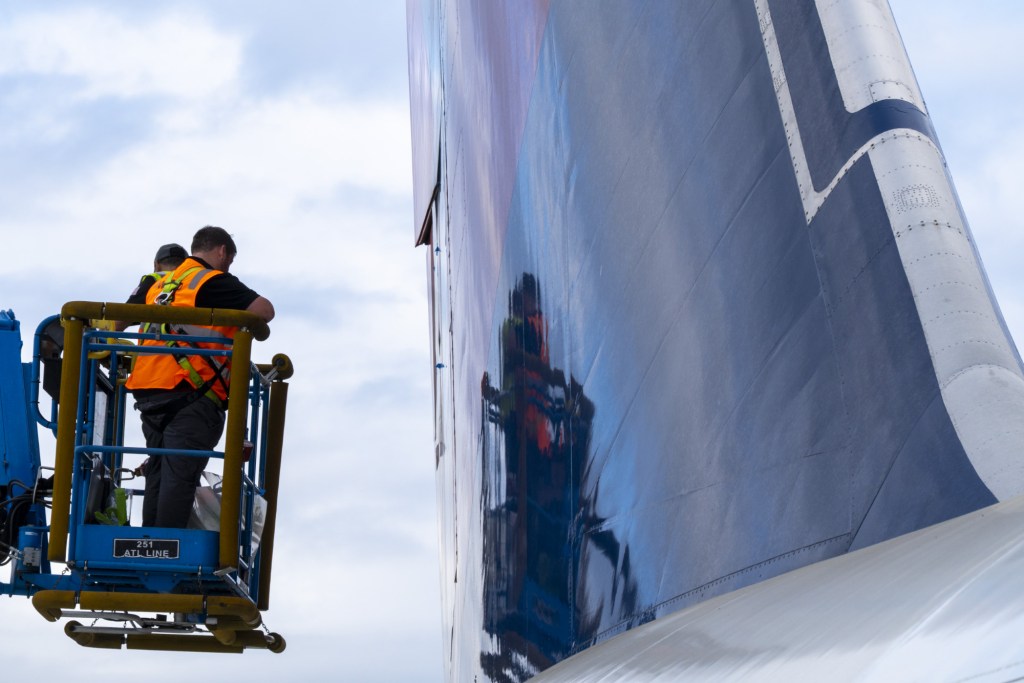
Meanwhile, Mako’s Flightfilm can be applied to tested aircraft immediately.
“This is technology invented and developed in Australia, advanced manufacturing being done here, and a product exported to the world,” says Bilinsky.
Want to see more Forbes articles on your feed? Tap here to make Forbes Australia a preferred source on Google.
Look back on the week that was with hand-picked articles from Australia and around the world. Sign up to the Forbes Australia newsletter here or become a member here.